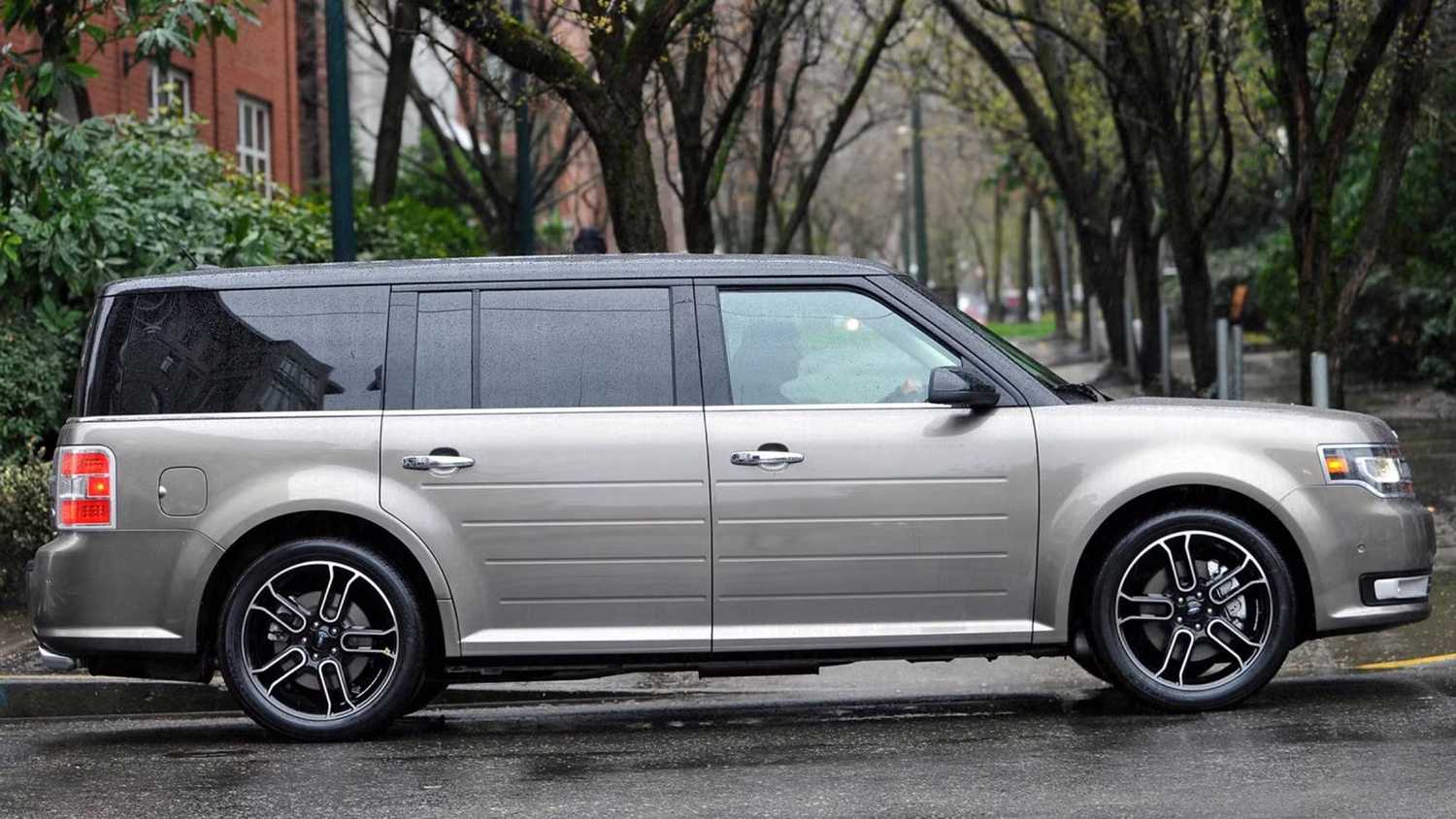
The Ford Flex stands out in the automotive world for its unique boxy shape, spacious interior, and comfortable ride. Introduced in 2009, the Flex quickly became a favorite among families and those who valued practicality over flash. Its bold design and three-row seating made it a solid alternative to minivans and SUVs. However, as with any car, not every model year is perfect. Some years of the Ford Flex are well-known for reliability, while others have a reputation for recurring issues that can cost owners time and money.
Before you invest in a used Ford Flex, it’s smart to know which years to avoid, what problems to look out for, and how to spot a good deal. This guide will help you navigate the history of the Ford Flex, understand which years are best left alone, and what makes some years safer bets than others.
Why People Choose The Ford Flex
The Ford Flex has always been a bit different. Its boxy design makes it easy to recognize, and it offers more headroom and legroom than most of its competitors. The flat roof means even the third row is comfortable for adults. Many drivers appreciate its car-like handling combined with the utility of an SUV.
You also get a choice of powerful engines, including the 3.5-liter V6 and the turbocharged EcoBoost version, which delivers strong acceleration. The Flex’s ride quality is smooth, and the cabin is quiet. Safety ratings are solid, and many models come loaded with features like navigation, heated seats, and advanced driver aids.
But while the Flex shines in many ways, it’s not perfect. Understanding its weak points—especially in certain model years—can save you from headaches.
Ford Flex Model Years Overview
The Ford Flex was produced from 2009 to 2019. Over these years, it saw minor styling updates and technology improvements, but the basic platform stayed the same. Some years saw more complaints from owners and more recalls than others.
To help you decide, here’s a quick look at how the Flex evolved:
| Model Year | Notable Changes | Main Engine Options |
|---|---|---|
| 2009-2012 | First generation, introduction of EcoBoost in 2010 | 3.5L V6, 3.5L EcoBoost V6 |
| 2013 | Facelift, updated interior and exterior, new features | Same as previous years |
| 2014-2019 | Minor tech improvements, mostly unchanged | Same as previous years |
While the Flex’s overall design stayed mostly the same, some years are simply more reliable than others.

Credit: www.youtube.com
Ford Flex Years To Avoid: The Most Problematic Models
Some Ford Flex years have a bad reputation for mechanical problems, high repair costs, or poor reliability. If you want to avoid major hassles, it’s best to steer clear of these model years.
2009 Ford Flex
As the first year of production, the 2009 Flex faced the typical “first model year” issues. These included:
- Engine problems: Many owners reported engine stalling, rough idling, and even complete engine failure.
- Electrical glitches: Problems with the navigation system, radio, and dashboard lights were common.
- Transmission issues: Sudden jerks, slipping gears, and even total transmission failure were reported more often in this year.
The 2009 Flex also experienced several recalls, especially for fuel system defects and airbag sensor problems. Parts can be harder to find, and repairs are often expensive. For these reasons, it’s best to avoid the 2009 model unless you find one with full documentation and a clean repair history.
2010 Ford Flex
The 2010 model fixed some problems from 2009, but it brought new ones, particularly with the EcoBoost engine. Key issues included:
- Water pump failures: The water pump is inside the engine, and when it fails, it can cause coolant to mix with oil, leading to catastrophic engine damage.
- Electrical system faults: Owners often complained about malfunctioning door locks, windows, and keyless entry systems.
- Power steering problems: Some 2010 Flexes developed power steering leaks or total loss of steering assist.
These mechanical issues can cost thousands to repair, often more than the car’s value. Unless you have strong proof that these problems have been fixed, the 2010 Flex is risky.
2013 Ford Flex
This year brought a facelift and updated tech, but also more headaches:
- MyFord Touch system: The new infotainment system was buggy, often freezing or rebooting at random.
- Brake problems: Premature brake wear and squealing noises were frequent complaints.
- Engine and cooling: The water pump issue continued, and some owners reported overheating.
The 2013 Flex was also recalled for fuel delivery module issues, which could lead to engine stalling. Unless you specifically want the refreshed look, the 2013 model is best avoided.
2014 Ford Flex
Though less problematic than earlier years, the 2014 Flex still had above-average complaints:
- Electrical issues: Problems with the liftgate, backup camera, and sensors were common.
- Transmission shudder: Rough shifting and hesitation, especially at low speeds, were reported.
- Water pump failures: This recurring issue affects many Ford V6 engines.
While the 2014 model is a bit better, it still shares many of the same flaws as previous years.
Summary Table: Ford Flex Problem Years
To help you compare, here’s a quick summary of the Ford Flex years to avoid and their main issues:
| Model Year | Main Problems | Severity |
|---|---|---|
| 2009 | Engine, electrical, transmission | High |
| 2010 | Water pump, electrical, power steering | High |
| 2013 | Infotainment, brakes, overheating | Medium-High |
| 2014 | Electrical, transmission, water pump | Medium |
Most Reliable Ford Flex Years
Not all Flex models have problems. Some years are known for long-term reliability and fewer major repairs. If you want to enjoy the Flex’s unique style without the headaches, these years are your best bet:
- 2011–2012: These years saw fewer complaints, especially about the engine and transmission. Most owners report high satisfaction and lower repair costs.
- 2015–2019: The final years of the Flex’s run are considered the most reliable. Ford had worked out many of the earlier bugs, and customer complaints dropped sharply.
It’s worth noting that regular maintenance plays a huge role in reliability, so always check service records, even for these better years.
Common Ford Flex Problems (and Why They Matter)
Even in reliable years, the Flex shares some common issues. Knowing these can help you spot warning signs before you buy.
Water Pump Failures
The water pump is a weak point, especially on the 3. 5-liter V6. Unlike most cars, the Flex’s water pump is inside the engine. When it fails, coolant can leak into the oil, destroying the engine. This repair can cost $2,000–$4,000.
Always ask for proof that the water pump has been replaced, especially if the car has over 90,000 miles.
Electrical Glitches
Power windows, door locks, backup cameras, and infotainment systems often have problems, especially in older Flex models. These can be annoying and expensive to fix, as many repairs require replacing entire modules.
Transmission Issues
Shuddering, slipping gears, or rough shifting can mean transmission trouble. Repairs are costly and may require a full rebuild. Test drive any Flex you’re considering, paying close attention to how smoothly it shifts.
Rust And Corrosion
Some Flex models, especially those from northern states, can develop rust on the tailgate, doors, and undercarriage. Rust can spread quickly and weaken the structure. Inspect the car carefully, and avoid any Flex with signs of serious rust.
Myford Touch Infotainment
The 2013–2015 Flex models used Ford’s MyFord Touch system, which was known for freezing, lagging, and random reboots. Some updates improved it, but problems remain common.
Brake Wear
Premature brake wear, squealing, and vibration are common in some years. While not as expensive as engine problems, regular brake repairs add up.
What Makes A Ford Flex Worth Buying?
Despite its issues, the Ford Flex has many strengths. If you choose a good model year, you get:
- Spacious interior: Three rows of seating, with room for adults in every seat.
- Smooth ride: The Flex rides more like a sedan than an SUV, making long trips comfortable.
- Strong engines: The EcoBoost V6 offers impressive power, while the base V6 is smooth and reliable.
- Unique style: The boxy design isn’t for everyone, but it stands out from the crowd.
- Safety: Good crash-test scores and available driver aids.
Always look for a Flex with a complete maintenance history, low miles, and no accident damage.

Credit: carbuzz.com
How To Spot A Problematic Ford Flex
If you’re shopping for a used Flex, pay attention to these red flags:
- No service records: If the seller can’t show proof of regular oil changes and repairs, walk away.
- Check engine light: A lit warning light is never a good sign. Get a pre-purchase inspection.
- Transmission noise or rough shifts: Test drive the car at different speeds. Any jerking or hesitation is a warning.
- Water pump replacement: Ask directly if it’s been replaced. If not, budget for the repair.
- Electrical gremlins: Test all windows, locks, the radio, and the backup camera.
- Signs of rust: Look under the doors, at the tailgate, and under the car.
- Flood damage: Musty smells, water stains, or foggy lights can mean hidden damage.
Ford Flex Vs. Other Family Suvs
The Flex competes with other three-row SUVs like the Honda Pilot, Toyota Highlander, and Chevrolet Traverse. Here’s a quick comparison to help you see where it stands:
| Model | Seating Capacity | Reliability Rating | Cargo Space (cu. ft.) | Key Strength |
|---|---|---|---|---|
| Ford Flex | 7 | Average | 83.2 | Spacious, unique design |
| Honda Pilot | 8 | Above Average | 83.9 | Reliability, resale value |
| Toyota Highlander | 8 | High | 84.3 | Reliability, fuel economy |
| Chevrolet Traverse | 8 | Average | 98.2 | Largest cargo space |
The Flex is less reliable than a Toyota Highlander or Honda Pilot but offers a more distinctive look and driving experience. Its flat roof and low step-in height make it easier for older passengers and kids.
Non-obvious Insights For Ford Flex Buyers
Many Flex buyers focus on mileage and price but miss these important details:
- Timing of water pump replacement: Unlike most vehicles, the Flex’s water pump is a major engine repair. If the car is near 90,000–120,000 miles and the pump hasn’t been replaced, expect a big bill soon.
- Sunroof leaks: Models with the Vista Roof (panoramic sunroof) can develop leaks, leading to wet carpets and electrical issues.
- Rear air conditioning: The rear A/C system is great for passengers, but repairs can be expensive if it fails. Test it on your inspection.
- EcoBoost maintenance costs: The turbocharged engine offers more power but can be expensive to repair if neglected. Make sure oil changes were done on schedule.
- Resale value: The Flex holds its value less than some competitors, so they can be a bargain on the used market—but this also means you should buy carefully.
How To Buy A Used Ford Flex Safely
To get the best value and avoid common pitfalls:
- Get a pre-purchase inspection: Always have a trusted mechanic check the car, focusing on the engine, water pump, and transmission.
- Run a vehicle history report: Services like Carfax or AutoCheck can reveal accidents, flood damage, or title issues.
- Check for recalls: Make sure all recall work has been completed. You can check using the VIN on the official NHTSA website.
- Negotiate based on repairs needed: If the water pump or brakes need work, use this to get a better price.
- Avoid high-mileage examples: While some Flexes last over 200,000 miles, higher miles increase the chance of big repairs.
What To Do If You Already Own A Problem Year Flex
If you already have a 2009, 2010, 2013, or 2014 Flex, regular maintenance is your best defense. Here’s what you can do:
- Change the oil on time: This is critical for the V6 engine’s health.
- Replace the water pump proactively: Don’t wait for failure. If you’re near 100,000 miles, consider replacing it.
- Update the infotainment software: This can fix some MyFord Touch bugs.
- Inspect for rust: Address any rust spots quickly to prevent spreading.
- Keep records: If you ever sell, full documentation helps reassure the next buyer.
Cost Of Ownership: What To Expect
While the Ford Flex is affordable to buy used, repairs on problem years can be expensive. Here’s a rough breakdown of major repair costs:
- Water pump replacement: $2,000–$4,000
- Transmission rebuild: $3,000–$5,000
- Electrical module repair: $500–$1,500
- Brake job (all four wheels): $500–$800
Insurance is usually reasonable, but fuel economy is average for the class (typically 16–23 mpg depending on engine and driving style). The Flex uses regular unleaded fuel, which helps keep costs down.
The Ford Flex Community: A Resource For Owners
One of the strengths of the Flex is its active owner community. Online forums and Facebook groups offer advice, DIY guides, and buying tips. If you’re new to the Flex, joining these communities can help you troubleshoot problems and find trusted mechanics. Some good places to start include FordFlex.net and the Ford Flex Owners Group on Facebook.
Should You Avoid The Ford Flex Entirely?
The answer depends on your needs and tolerance for risk. If you want maximum reliability, a Toyota or Honda may be better. But if you like the Flex’s style and space, and you choose a good year, it can be a rewarding family car.
Remember, most of the Flex’s problems are concentrated in a few model years. If you avoid those and do your homework, you can enjoy one of the most distinctive and comfortable three-row vehicles on the market.
For more details on vehicle reliability, you can check trusted sources like the Consumer Reports Ford Flex page.
Credit: carbuzz.com
Frequently Asked Questions
What Is The Best Year For The Ford Flex?
The 2015 to 2019 Ford Flex models are considered the most reliable. These years have fewer complaints, better technology, and improved build quality. The 2011–2012 models are also decent choices if you find one with good maintenance records.
Why Is The Ford Flex Water Pump Such A Big Issue?
The water pump is inside the engine, so replacing it is much more expensive than in most vehicles. If it fails, coolant can mix with oil and destroy the engine. This design flaw affects many 2009–2014 Flex models.
Is The Ford Flex Expensive To Maintain?
Maintenance costs are average for its class, but repairs can be costly if the water pump or transmission fails. Budget for regular oil changes, brake jobs, and especially for major repairs on older models.
How Many Miles Can A Ford Flex Last?
With good care, a Ford Flex can last over 200,000 miles. Key is regular maintenance, especially changing the oil and replacing the water pump before it fails.
Are There Any Recalls I Should Know About?
Yes, several recalls have affected the Flex, especially for fuel system, airbags, and electrical issues. Always check the VIN for open recalls before buying, and make sure all repairs have been completed.
Choosing the right Ford Flex comes down to smart research, careful inspection, and knowing which years to avoid. With the right approach, you can enjoy all the benefits of this unique and practical family vehicle.