

The Ford Expedition is a popular full-size SUV that has carried families, adventurers, and business owners for over two decades. With its spacious cabin, strong towing capabilities, and comfortable ride, the Expedition has built a reputation as a reliable workhorse.
However, not all model years have delivered a trouble-free experience. If you’re considering a used Expedition, it’s important to know which years to avoid to save money, time, and frustration.
Choosing the right Ford Expedition year isn’t just about finding a good price—it’s about avoiding common problems that could lead to costly repairs. Some years are known for engine issues, electrical faults, and rust, while others have stood the test of time.
In this article, you’ll learn which Ford Expedition years to avoid, why these years are problematic, and what to look for when shopping for a used model. You’ll also find data-driven comparisons, real-world examples, and practical advice to help you make an informed decision.
Why Some Ford Expedition Years Are Risky
Buying a used car always carries some risk, but certain Expedition years have faced more complaints and mechanical failures than others. The main reasons some years are less reliable include:
- Manufacturing defects: Some batches had faulty parts or poor quality control.
- Design flaws: Weaknesses in engine, transmission, or electrical systems.
- Recall history: Frequent recalls can be a sign of bigger issues.
- Owner complaints: High numbers of reported problems on trusted automotive forums and databases.
Understanding these risks is the first step toward a smart purchase. For example, manufacturing defects often affect multiple vehicles built during the same period, not just a single car. This can lead to recurring issues, even after repairs. Design flaws, such as poorly engineered spark plug placement or weak suspension components, are harder to fix and may require expensive modifications.
Recalls should not be ignored, as they often involve safety concerns or critical mechanical failures. Owner complaints give valuable insight into real-world problems that don’t always appear in official reports. If you notice a pattern of complaints about a certain year—like repeated air suspension failures or engine stalling—it’s a sign that the model may have hidden trouble.
Ford Expedition Years To Avoid: Quick Overview
While every used vehicle should be inspected before purchase, some Expedition years have more red flags than others. Based on data from the National Highway Traffic Safety Administration (NHTSA), owner forums, and expert reviews, these are the Ford Expedition years you should be cautious about:
- 1997–1999
- 2003–2006
- 2011–2014
Let’s dive into why these years are on the avoid list and what problems are most common. These models often appear for sale at lower prices, but the initial savings can quickly disappear once expensive repairs begin. Many buyers believe they can “fix up” these vehicles, but the cumulative costs of parts, labor, and time can easily outweigh the cost of purchasing a more reliable model.
For families or businesses needing consistent, dependable transportation, these years pose more risks than rewards.
1997–1999 Ford Expedition: Early Generation Headaches
The first-generation Expedition was introduced in 1997. While it was praised for its size and comfort, it quickly developed a reputation for mechanical issues.
Common Problems
- Spark plug blowouts: The 5.4L Triton V8 engine was notorious for spark plugs ejecting from the cylinder head, causing expensive repairs.
- Transmission failures: Many owners reported sudden loss of power and shifting problems, sometimes before 100,000 miles.
- Fuel pump issues: Premature fuel pump failure left drivers stranded.
- Rust: Early Expeditions are prone to body and frame rust, especially in areas with harsh winters.
These problems can appear suddenly and often require specialized repairs. For example, spark plug blowout is not just a simple fix; it can damage the cylinder head and require either a costly re-threading or replacement. Transmission failures often result in the need for a full rebuild, which can cost thousands.
Fuel pump issues are particularly troublesome in cold climates, where the pump may fail at inconvenient times. Rust is more than a cosmetic issue—it can weaken the frame and compromise safety.
Data Snapshot
| Model Year | Major Engine Problems | Transmission Issues | Rust Complaints |
|---|---|---|---|
| 1997 | High | Medium | High |
| 1998 | High | High | High |
| 1999 | High | Medium | Medium |
Non-obvious Insight
One detail many buyers miss: spark plug blowout repairs often cost more than $1,000, and even after fixing, some engines remain prone to repeat problems. If you find a cheap first-gen Expedition, consider the long-term repair risk—especially if you need reliable transportation. Another overlooked issue is rust on the frame and suspension mounts, which can cause steering instability and is often missed during a quick inspection. For buyers in northern states, road salt accelerates rust, so pay extra attention to the undercarriage.
2003–2006 Ford Expedition: Electrical And Suspension Nightmares
The second generation started in 2003, bringing a new look and updated features. Unfortunately, these years are remembered for electrical gremlins and suspension failures.
Common Problems
- Air suspension failure: The rear air suspension system often leaks or fails, leading to expensive repairs or dangerous ride height changes.
- Electrical issues: Problems range from failing power windows to faulty instrument clusters and climate controls.
- Engine stalling: Some owners report engines shutting off without warning, often linked to sensor or wiring problems.
- Paint and body: Peeling paint and rust are common, especially on the liftgate.
Electrical problems can be especially frustrating because they affect comfort and safety. For instance, a failed instrument cluster may leave you without critical information like speed or fuel level, while malfunctioning power windows can be an inconvenience or safety risk.
Paint and body issues are more than cosmetic; peeling paint can expose metal to moisture and speed up rust.
Real-world Example
A 2004 Expedition owner reported multiple breakdowns due to air suspension leaks. Repairing the system cost over $1,500, and the issue returned within two years. Many owners switch to traditional coil springs, but this requires extra labor and can affect ride quality.
Another owner faced repeated electrical failures, including a faulty climate control module that cost nearly $600 to replace. These issues can pile up quickly, and many buyers do not realize how interconnected the electrical system is—one problem can trigger others.
Comparison: Air Suspension Vs. Coil Spring Repair Costs
| Repair Type | Average Cost | Longevity |
|---|---|---|
| Air Suspension Repair | $1,200–$2,000 | 3–5 years |
| Coil Spring Conversion | $800–$1,200 | 10+ years |
Non-obvious Insight
If you’re set on a 2003–2006 Expedition, check if the air suspension has already been converted. This can save you thousands in future repairs and reduce the chance of sudden breakdowns. Also, look for signs of electrical work—such as replaced switches or repaired wiring—since these can indicate ongoing problems.
Many buyers do not realize that electrical faults can affect multiple systems, including airbags and anti-lock brakes.
2011–2014 Ford Expedition: Reliability Takes A Dip
By the third generation, Ford had solved many earlier issues. However, 2011–2014 Expeditions still show patterns of mechanical and electronic faults.
Common Problems
- Timing chain issues: The 5.4L engine is prone to timing chain wear, leading to rough idle, engine noise, and costly repairs.
- Cam phaser failure: These components control valve timing; when they go bad, you may hear rattling or knocking noises.
- Electrical glitches: Infotainment systems, backup cameras, and power features often malfunction.
- AC and heater failures: Problems with the climate control system are frequent and expensive to fix.
Owners frequently report that timing chain and cam phaser repairs are not just expensive but also time-consuming, sometimes requiring the vehicle to be in the shop for several days. Electrical glitches tend to worsen as the vehicle ages, with features like the rear entertainment system or navigation screen failing without warning.
Data Comparison: Engine Repair Costs
| Issue | Average Repair Cost | Typical Mileage |
|---|---|---|
| Timing Chain Replacement | $1,500–$2,500 | 80,000–120,000 |
| Cam Phaser Repair | $1,000–$2,000 | 70,000–110,000 |
Non-obvious Insight
The 5.4L engine’s timing chain problem is not always obvious during a test drive. Listen for rattling sounds at startup and ask for service records—if the timing chain hasn’t been replaced, budget for a costly repair soon. Another practical tip: check the climate control for consistent heating and cooling, as intermittent failures often signal bigger electrical issues.
What About Other Ford Expedition Years?
Not every year is a headache. Some model years are considered more reliable and have lower repair costs. If you find a well-maintained Expedition outside the avoid list, it may be a smart buy.
Years With Fewer Complaints
- 2000–2002: Fewer engine and electrical issues, but still check for rust and maintenance history.
- 2007–2010: Improved reliability, but some reports of paint and minor electronics issues.
- 2015–2017: Generally positive reviews, with fewer major mechanical problems.
- 2018–present: Latest generation, improved engines and tech, but higher prices and some early recalls.
It’s important to note that even reliable years require careful inspection. For example, 2007–2010 models may have minor paint flaws or small electrical quirks, but these issues are less severe and easier to fix than the problems found in the avoid years.
The newer models, especially from 2018 onward, benefit from updated technology and better build quality, but higher prices and some early recalls mean buyers should still check for completed recall work and recent service records.
How To Identify A Problematic Ford Expedition
Even within “bad” years, some Expeditions are better than others. Here’s how to spot warning signs:
- Check service records: Consistent maintenance is critical. Avoid vehicles with missing or unclear history.
- Listen for unusual noises: Engine rattles, suspension creaks, or transmission clunks often signal trouble.
- Test all electronics: Try every window, lock, climate control, and infotainment feature.
- Inspect undercarriage and body: Look for rust, especially around wheel wells and the frame.
- Review recalls and TSBs: Search the VIN for open recalls and Technical Service Bulletins (TSBs).
A practical example: If the service records show repeated repairs for the same issue, such as air suspension leaks or electrical faults, consider it a warning sign. During a test drive, pay attention to how the vehicle shifts and how it rides over bumps—suspension or transmission issues often feel worse under stress. Don’t be shy about spending extra time checking every feature, as hidden electrical problems can cost hundreds to fix.
What To Do If You Already Own A Bad Year
If you own or inherit an Expedition from a risky year, don’t panic. You can extend its life and reduce repairs by:
- Following maintenance schedules strictly
- Addressing small issues early
- Using high-quality replacement parts
- Finding a mechanic with Ford experience
Many problems—like spark plug ejection or air suspension failure—can be prevented or minimized with proactive care. For example, replacing spark plugs with higher quality parts and checking torque regularly can lower the risk of blowouts. If you have an air suspension model, regular inspections can spot leaks before they cause bigger problems.
Owners who invest in preventive maintenance usually face fewer emergencies and longer vehicle life.
How Ford Expedition Problems Affect Resale Value
Choosing a problematic year can hurt your wallet in more ways than just repair bills. Expeditions from known bad years often have lower resale values. Dealers and private buyers know which years are risky, so you might face:
- Lower trade-in offers
- Longer time to sell
- More negotiations over price
Selling a vehicle with documented repairs can help, but most buyers still prefer models from more reliable years. If you plan to upgrade or switch vehicles soon, consider how resale value will affect your budget. Even if you fix major issues, stigma from common complaints can keep prices low.
Are Any Problem Years Worth Considering?
Sometimes, a “bad” year can still be a good value—if major repairs have already been completed. For example, a 2004 Expedition with a documented coil spring conversion, new transmission, and rustproofing might outlast a newer, poorly maintained model. The key is documentation and professional inspection.
Ask for receipts and proof of work, and have a trusted mechanic check for hidden issues. In rare cases, a well-repaired vehicle from an avoid year can offer years of reliable service.
Comparison: Problem Years Vs. Reliable Years
Here’s a side-by-side look at common repair costs and reported issues.
| Model Year Range | Common Issues | Average Annual Repair Cost | Owner Satisfaction |
|---|---|---|---|
| 1997–1999 | Spark plugs, transmission, rust | $900–$1,500 | Low |
| 2003–2006 | Air suspension, electronics, paint | $1,200–$1,800 | Low–Medium |
| 2011–2014 | Timing chain, cam phasers, AC | $1,000–$1,600 | Medium |
| 2015–2017 | Minor electronics, recalls | $600–$900 | High |
Practical Tips For Buying A Used Ford Expedition
To avoid common mistakes and improve your chances of buying a reliable Expedition, follow these tips:
- Always get a pre-purchase inspection from a mechanic who knows Fords.
- Ask for detailed service records to see if major repairs have been done.
- Avoid base models from bad years, as higher trims sometimes have better parts or more complete service.
- Use a VIN check service for accident and recall history.
- Test drive for at least 20 minutes on various roads.
For extra protection, ask about warranty options or certified pre-owned programs. Some dealers offer extended coverage, especially for newer models. Spending time on research and inspection can prevent costly surprises.
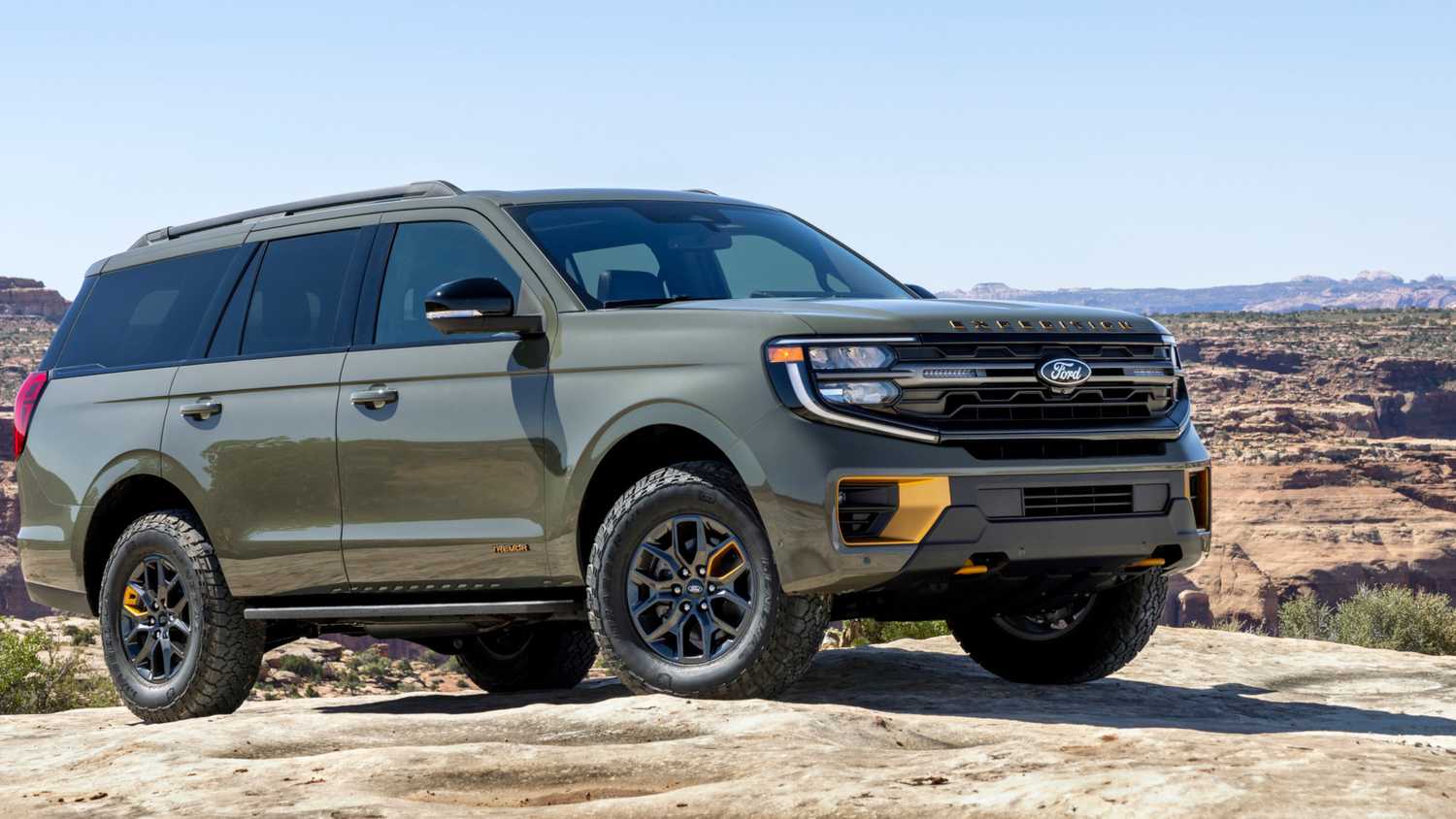
Credit: carbuzz.com
What To Ask The Seller
Before you buy, ask these questions:
- Has the timing chain (for 2011–2014) or spark plugs (for 1997–1999) been replaced?
- Has the air suspension (for 2003–2006) been converted or repaired?
- Are there any open recalls on this vehicle?
- Is there a history of flood damage or major accidents?
- How often has the transmission been serviced?
Also, ask if the seller has documentation of recent maintenance, such as oil changes, brake service, or tire replacements. A well-documented vehicle is usually a safer bet.
Common Mistakes To Avoid
- Buying on price alone: Cheap Expeditions from bad years can become expensive quickly.
- Skipping the inspection: Hidden issues are common.
- Ignoring rust: Even small spots can mean big problems later.
- Assuming problems are “normal”: Noises, warning lights, or poor shifting are never normal.
Many buyers overlook the importance of a thorough test drive. Always drive on highways and rough roads to spot potential suspension or transmission issues. Don’t rely on the seller’s assurances—independent inspection is essential.
Owner Stories: Real-world Experiences
Many Expedition owners share their stories online. One driver bought a 2005 Expedition for $3,000, only to spend over $3,500 in repairs the first year. Another avoided a disaster by getting a mechanic’s inspection, which revealed hidden frame rust and a faulty timing chain.
These stories show that research and caution can save you from expensive surprises. A third owner upgraded to a newer model after repeated air suspension failures, finding that the newer Expedition had fewer problems and better resale value. Learning from others’ experiences can help you avoid common pitfalls.
How The Ford Expedition Compares To Rivals
If you’re considering a used Expedition, you might also look at similar vehicles like the Chevrolet Tahoe, GMC Yukon, or Toyota Sequoia. Each has its own strengths and weaknesses.
- Chevrolet Tahoe: Often more reliable in early 2000s models, but some years have transmission issues.
- GMC Yukon: Similar to Tahoe, with slightly higher resale value.
- Toyota Sequoia: Known for durability, but less towing power and higher prices.
The Expedition’s size and features make it attractive, but reliability varies more than rivals. Toyota Sequoia, for example, is praised for its engine longevity and lower rust risk, but can be costly to buy used. Comparing repair records and owner reviews for each model helps clarify the best choice for your needs.

Credit: www.crossroadsfordprincegeorge.com
Should You Avoid High-mileage Expeditions?
Mileage is important, but not as much as model year and maintenance. A high-mileage Expedition from a reliable year with good service records can be a better choice than a low-mileage example from a problematic year. Always balance mileage with service history and overall condition.
Remember that a well-maintained vehicle, even with higher miles, can last longer than a neglected low-mileage one. Look for signs of regular care, such as recent oil changes, transmission service, and replaced wear parts.
The Role Of Recalls And Tsbs
Recalls and Technical Service Bulletins (TSBs) can signal widespread problems. Before buying, search the VIN on the NHTSA recall database. If recalls haven’t been completed, ask the seller to address them first. TSBs often cover common problems that aren’t recalls but are known by the manufacturer.
Keep in mind that unresolved recalls can affect safety and may prevent you from registering the vehicle in some states. TSBs are useful for learning about frequent issues and recommended fixes, which can help you plan maintenance and avoid surprises.
When Does It Make Sense To Buy A Risky Year?
Sometimes, prices are very low for a reason. If you have mechanical skills, access to a trustworthy shop, or need a temporary vehicle, a “bad” year might make sense. But for most buyers, the long-term costs and hassle aren’t worth it.
Consider your own needs: if you’re comfortable with repairs and can find parts cheaply, you may be able to manage a risky year. However, for most families or businesses, reliability is the priority. It’s better to pay more upfront for a dependable model than to risk frequent breakdowns.
Final Thoughts
The Ford Expedition can be a great SUV for families, towing, or road trips—but only if you avoid the problematic years. Early models (1997–1999), mid-2000s (2003–2006), and some recent years (2011–2014) have a higher risk of expensive repairs and owner headaches.
By focusing on well-maintained examples from more reliable years, checking service records, and having a mechanic inspect the vehicle, you can enjoy the Expedition’s strengths without the usual pitfalls.
Remember: a little research now can save thousands later. Take your time, ask questions, and don’t settle for a deal that seems too good to be true. The right Expedition is out there—you just need to know which years to avoid.
Credit: www.copilotsearch.com
Frequently Asked Questions
Which Ford Expedition Year Is The Most Reliable?
The 2015–2017 Expeditions are widely considered the most reliable used models. They have improved engines, fewer major mechanical issues, and better electronics. However, always check for recalls and proper maintenance.
Is The 2004 Ford Expedition A Good Buy?
The 2004 Expedition is known for air suspension failures and electrical problems. Unless these issues have already been addressed (with receipts to prove it), it’s safer to look at other years.
Are Repairs For Bad Expedition Years Very Expensive?
Repairs can be costly, especially for timing chain, air suspension, and transmission issues. Annual repair costs for bad years often range from $1,000 to $1,800, compared to $600–$900 for more reliable years.
How Can I Check If A Used Expedition Has Open Recalls?
You can enter the vehicle’s VIN on the official NHTSA recall database to see all open recalls. Always confirm recall work has been done before buying.
Is Rust A Big Problem On Older Expeditions?
Yes, rust is a common issue, especially for 1997–2002 models. Check the frame, door sills, and undercarriage carefully. Rust can be expensive to repair and may affect safety.
With this information, you’re better equipped to choose a Ford Expedition that fits your needs—and avoid the years that could cost you more in the long run.