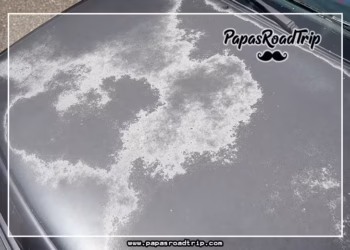
If you own a Ford Edge, you need to know about the recent coolant leak recall that could affect your vehicle’s safety and performance. A coolant leak might seem minor at first, but it can lead to serious engine problems, overheating, and costly repairs if left unchecked.
This recall means Ford has identified a potential issue with certain parts that could cause leaks, putting your engine at risk. You’ll discover what the Ford Edge coolant leak recall is all about, how to spot the warning signs, and what steps you should take to protect your car and yourself.
Don’t wait until the problem worsens—read on to keep your Ford Edge running smoothly and safely.
Credit: www.carcomplaints.com
Recall Details
The Ford Edge coolant leak recall focuses on safety and vehicle performance. It addresses issues that may cause coolant to leak and lead to engine overheating. Understanding the recall details helps owners take necessary action quickly. Below are the key points about the recall.
Scope And Affected Models
The recall affects certain Ford Edge models from specific years. These vehicles were found to have potential coolant leaks. The scope includes models built during a defined production period. Only vehicles within this range are part of the recall.
Reason For Recall
The recall was issued because of a faulty component in the cooling system. This defect can cause coolant to leak outside the engine. A coolant leak may lead to engine overheating or damage. Ford issued the recall to prevent safety risks and costly repairs.
Recall Timeline
The recall was announced after reports of coolant leaks surfaced. Ford started notifying affected owners soon after. Repairs began at authorized dealers shortly after the announcement. Owners should check their vehicle’s status and schedule service as soon as possible.
Causes Of Coolant Leaks
Coolant leaks in the Ford Edge can cause engine overheating and damage. Understanding the causes helps in early detection and repair. Various parts of the cooling system may fail and lead to leaks. Below are common reasons for coolant leaks in this vehicle.
Water Pump Issues
The water pump moves coolant through the engine. A worn or damaged pump can leak coolant. Seal failure in the pump often causes leaks. This issue reduces cooling efficiency and risks engine overheating.
Radiator And Hose Damage
Cracks or holes in the radiator cause coolant to escape. Radiator hoses also wear out or crack over time. Loose hose clamps may let coolant drip out. These leaks often appear as puddles under the vehicle.
Thermostat Housing Failures
The thermostat housing holds the thermostat in place. Its gasket can wear or crack, causing leaks. A damaged housing allows coolant to seep out. This may lead to engine temperature problems.
Freeze Plug Corrosion
Freeze plugs protect the engine block from freezing damage. Rust and corrosion can cause these plugs to leak. Coolant escapes through corroded freeze plugs. Early detection prevents engine damage.
Egr Cooler Leaks
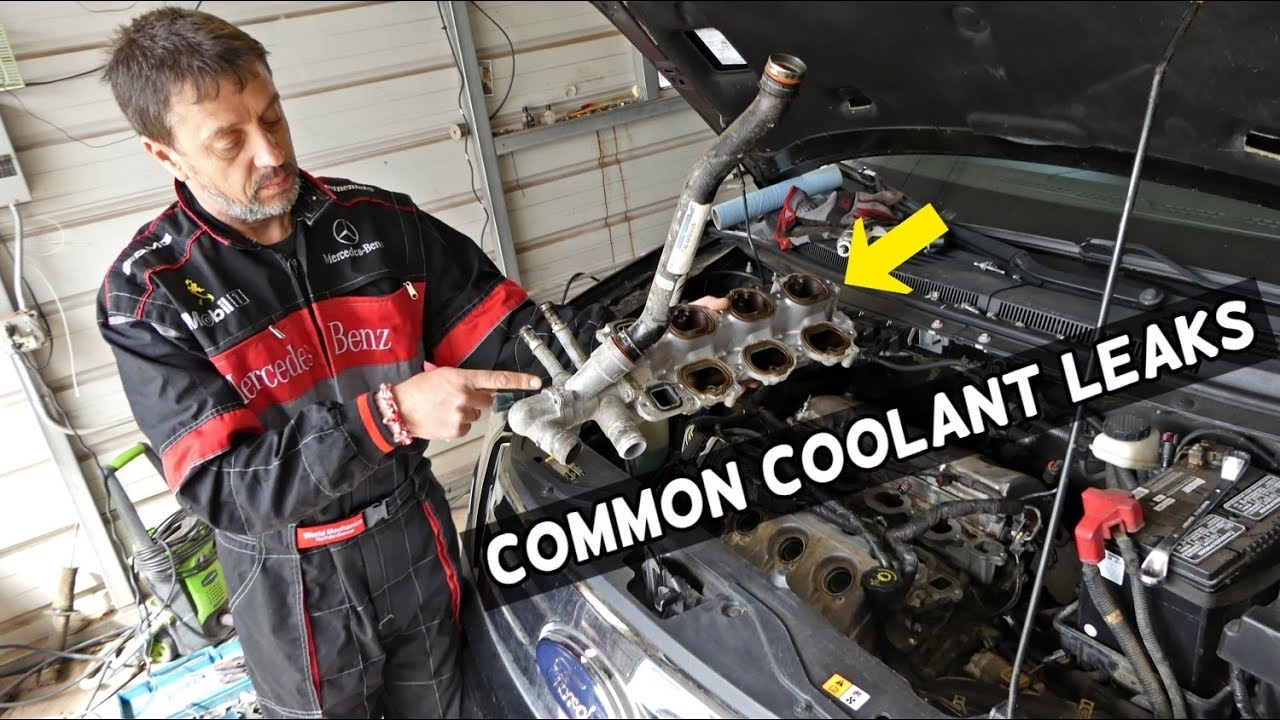
The EGR cooler lowers exhaust gas temperature using coolant. Cracks in the cooler can cause coolant loss. This leak does not always involve the head gasket. It can still cause engine overheating and damage.
Head Gasket Problems
A blown head gasket may let coolant enter the engine cylinders. This causes white smoke from the exhaust. The engine can overheat quickly with this failure. Immediate repair is necessary to avoid severe damage.
Signs Of Coolant Leaks
Coolant leaks in a Ford Edge can cause serious engine problems. Early detection helps avoid costly repairs. Watch for clear signs that your vehicle may have a coolant leak. These signs often appear before major engine damage happens.
Engine Overheating
The engine temperature rises quickly when coolant leaks occur. Overheating happens because the coolant cannot circulate properly. This can cause the engine to shut down or get damaged. Always check the temperature gauge if the engine feels hotter than usual.
Coolant Puddles
Look under your Ford Edge for puddles of liquid. Coolant is usually green, orange, or pink. Puddles near the front of the car often mean a leak. Do not ignore these puddles; they are a clear sign of a problem.
Low Reservoir Levels
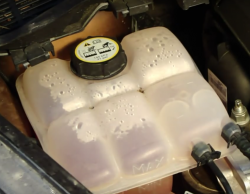
The coolant reservoir holds extra coolant for the engine. If the level drops without reason, a leak might exist. Check the reservoir regularly to catch low levels early. Low coolant levels reduce engine cooling efficiency.
White Exhaust Smoke
White smoke from the exhaust pipe can mean coolant is burning inside the engine. This happens when coolant leaks into the combustion chamber. White smoke is a serious sign and needs prompt attention. It often points to a blown head gasket or other internal issues.
Engine Misfires
Coolant leaks can cause engine misfires or rough running. Coolant inside the engine cylinders disrupts combustion. This leads to poor engine performance and increased emissions. Misfires may feel like the engine is jerking or losing power.
Diagnostic Methods
Diagnosing a coolant leak in a Ford Edge requires precise and careful methods. These tests help pinpoint the source of the leak quickly. Early diagnosis can prevent costly repairs and engine damage.
Technicians use several techniques to check the cooling system’s condition. Each method targets different parts of the system to find leaks inside or outside the engine.
Cooling System Pressure Test
This test checks the entire cooling system for leaks. A special tool pumps air into the system. It raises pressure to simulate engine running conditions. Any drop in pressure signals a leak. Mechanics watch for escaping coolant or air bubbles. This method is fast and reveals external leaks clearly.
Visual Hose And Clamp Inspection
Inspecting hoses and clamps is a simple, effective step. Technicians look for cracks, splits, or bulges on hoses. Loose or broken clamps can cause coolant to leak. Careful visual checks often catch leaks before they worsen. This inspection is part of routine maintenance.
Water Pump Examination
The water pump moves coolant through the engine. A damaged pump or seal leaks coolant. Mechanics check the pump for noise, wobbling, or fluid seepage. Replacing a faulty pump stops leaks and restores proper cooling. This exam ensures the pump works well.
Internal Leak Detection
Internal leaks are harder to find. They occur inside the engine, like a blown head gasket. Technicians use a bore scope to look inside cylinders. They also perform a compression test to detect leaks. Coolant in the combustion chamber shows a serious problem. Detecting internal leaks early prevents engine failure.
Warranty And Repair
The Ford Edge coolant leak recall addresses critical issues affecting your vehicle’s cooling system. Understanding warranty and repair options helps owners manage this problem efficiently. Ford’s warranty ensures protection against defects causing coolant leaks.
Proper repairs require authorized procedures to maintain vehicle safety and performance. Dealers play a key role in assisting customers through the repair process. This section details warranty coverage, repair steps, and dealer support for the Ford Edge recall.
Ford Warranty Coverage
Ford covers coolant leaks caused by defective parts under its warranty. The coverage includes repair or replacement of faulty components at no cost. Owners must confirm their vehicle is part of the recall to access this benefit. Warranty terms vary but generally protect the engine and cooling system.
Regular maintenance issues or damage from accidents are not covered. Warranty claims require inspection by an authorized Ford technician. This ensures that repairs address the root cause of the coolant leak properly.
Authorized Repair Procedures
Ford-approved repair procedures guarantee quality and safety during service. Technicians follow specific steps to fix leaks and prevent future problems. These procedures use original Ford parts designed for the Edge model. Repairs may involve replacing hoses, thermostats, or other cooling system parts.
Service centers use special tools to diagnose and resolve coolant leaks accurately. Proper repair restores engine performance and prevents overheating. Following authorized procedures maintains the vehicle’s warranty validity.
Dealer Assistance
Ford dealers provide expert help for recall-related repairs and warranty claims. They offer appointment scheduling and perform inspections free of charge. Dealers keep owners informed about recall status and repair timelines. They also explain warranty details and answer any questions.
Customers receive thorough support throughout the repair process. Dealer technicians ensure repairs meet Ford’s standards. Visiting a dealer is the safest way to fix the coolant leak recall issue on your Ford Edge.
Credit: www.youtube.com
Safety Precautions
Safety precautions are crucial for anyone affected by the Ford Edge coolant leak recall. Coolant leaks can lead to serious engine problems and safety hazards. Taking proper steps can help protect you and your vehicle. Understanding risks and knowing what to do in emergencies is key. Regular maintenance also plays a big role in preventing leaks and ensuring your cooling system works well.
Risks Of Ignoring Leaks
Ignoring coolant leaks can cause the engine to overheat. Overheating damages engine parts and may cause a breakdown. A leaking coolant system can lead to fire hazards. Your vehicle’s performance will drop, and fuel efficiency will worsen. Small leaks can quickly become large, costly repairs. Driving with a leak risks your safety and others on the road.
Emergency Actions
Stop driving if you see coolant leaking or engine overheating. Turn off the engine and let it cool before opening the hood. Avoid opening the radiator cap when the engine is hot. Call for roadside assistance or drive slowly to a safe place. Use a clean cloth to check for visible leaks or puddles. Report the issue to your Ford dealer for recall support.
Maintaining Cooling System Health
Check coolant levels regularly using the reservoir markings. Inspect hoses and clamps for cracks or loose connections. Flush and replace coolant as recommended in your owner’s manual. Schedule routine inspections to catch leaks early. Use only the coolant type specified by Ford. Keeping the cooling system healthy prevents leaks and extends engine life.
Owner Resources
Ford Edge owners affected by the coolant leak recall have several resources available. These tools help owners check their vehicle’s recall status. They also provide ways to get support and connect with others. Access to reliable information makes handling the recall easier. Staying informed helps ensure safety and proper vehicle care.
How To Check Recall Status
To check if your Ford Edge is part of the coolant leak recall, use the official Ford website. Enter your vehicle identification number (VIN) in the recall lookup tool. The VIN is found on the driver’s side dashboard or inside the driver’s door. This quick check confirms if your vehicle needs service. It prevents unnecessary visits to the dealership.
Contacting Ford Support
Ford offers direct support for recall-related questions. You can call their customer service hotline for assistance. Representatives provide clear guidance about repair scheduling and warranty coverage. Email and live chat options are also available on the Ford website. Keep your vehicle information handy for faster service.
Helpful Online Communities
Many Ford Edge owners share their recall experiences in online forums. These communities offer advice and tips for dealing with coolant leaks. Members discuss symptoms, repairs, and dealer service quality. Joining these groups helps owners feel supported and informed. Popular platforms include Ford-focused forums and social media groups.

Credit: lemonlawfirm.com
Frequently Asked Questions
Is A Coolant Leak Covered Under A Ford Warranty?
A coolant leak is covered under Ford warranty if caused by defective parts or manufacturing faults. Regular wear and external damage are not covered. Always check your specific warranty terms for detailed coverage.
Why Is My Coolant Leaking On My Ford Edge?
Coolant leaks in a Ford Edge often come from a failing water pump, cracked hoses, loose clamps, damaged radiator, or a blown head gasket. Check for overheating, puddles, or white smoke. Use a pressure test to locate external leaks; inspect internally for gasket failure.
Which Ford Engines Have Coolant Intrusion?
Ford 1. 6L EcoBoost and 2. 0L EcoBoost engines often experience coolant intrusion issues. These leaks can cause overheating and engine damage.
What Is The Ford Coolant Problem?
The Ford coolant problem involves leaks from the water pump, radiator hoses, thermostat housing, or a blown head gasket. Symptoms include overheating, visible leaks, low coolant levels, white exhaust smoke, and engine misfires. Prompt inspection and pressure testing help identify and fix these issues.
What Causes A Coolant Leak In A Ford Edge?
Common causes include a failing water pump, cracked hoses, loose clamps, or a faulty thermostat housing.
Conclusion
The Ford Edge coolant leak recall helps protect your vehicle’s engine. Addressing leaks early keeps your car safe and reliable. Watch for signs like overheating or puddles under the vehicle. Regular checks prevent costly damage and improve performance. Contact your dealer quickly if you suspect a coolant problem.
Staying informed keeps your Ford Edge running smoothly and extends its life. Don’t ignore leaks; they can cause serious engine trouble. Take action to maintain your vehicle’s health and safety on the road.