

The Dodge Ram 3500 is known for being a workhorse capable, powerful, and built to handle tough jobs. But not every model year has lived up to that reputation. Over the decades, some Ram 3500 trucks have disappointed owners with frequent repairs, expensive breakdowns, or reliability issues that left drivers stranded. If you’re shopping for a used heavy-duty pickup, knowing which Dodge Ram 3500 years to avoid can save you time, money, and headaches down the road.
When you’re investing in a truck this size, you want confidence. That means knowing which model years delivered strong performance and which left drivers frustrated. Whether you’re towing a fifth wheel, hauling construction equipment, or just want a reliable daily driver, choosing the right Ram 3500 year is essential.
This guide breaks down the problem years, explains what went wrong, and helps you make a smart decision. Along the way, you’ll find real-world examples, comparison tables, and expert insights that go beyond the usual advice.
Why Some Dodge Ram 3500 Years Are Best Avoided
Not every Ram 3500 is built the same. Over the years, Dodge and later Ram have made changes to engines, transmissions, electronics, and even the basic frame. While improvements have been steady, some years have serious drawbacks. These problems can range from engine failures and transmission issues to weak electrical systems and poor build quality.
Certain years are notorious for recalls, technical service bulletins, and owner complaints. For example, trucks from the mid-2000s often suffered from front-end steering problems known as the “death wobble.” Other years saw automatic transmissions failing far too early, or turbo diesel engines plagued by injector and fuel system issues.
When a truck is both expensive to repair and unreliable, it’s a deal breaker for most buyers. That’s why knowing the worst years to avoid is just as important as knowing the best years to buy.
Key Factors That Make A “bad” Dodge Ram 3500 Year
Before diving into the specific years, it helps to understand what makes a year problematic:
- Frequent recalls: Multiple recalls for serious issues like airbags, brakes, or steering.
- High repair costs: Expensive parts or labor, especially for engine and transmission work.
- Common failures: Problems that happen to many owners—not just isolated cases.
- Poor owner satisfaction: Low ratings for reliability, comfort, or durability.
- Widespread complaints: Lots of reports on forums, review sites, and from industry experts.
Some issues are more severe than others. For example, a faulty radio is annoying, but a transmission that fails at 60,000 miles is a much bigger problem.
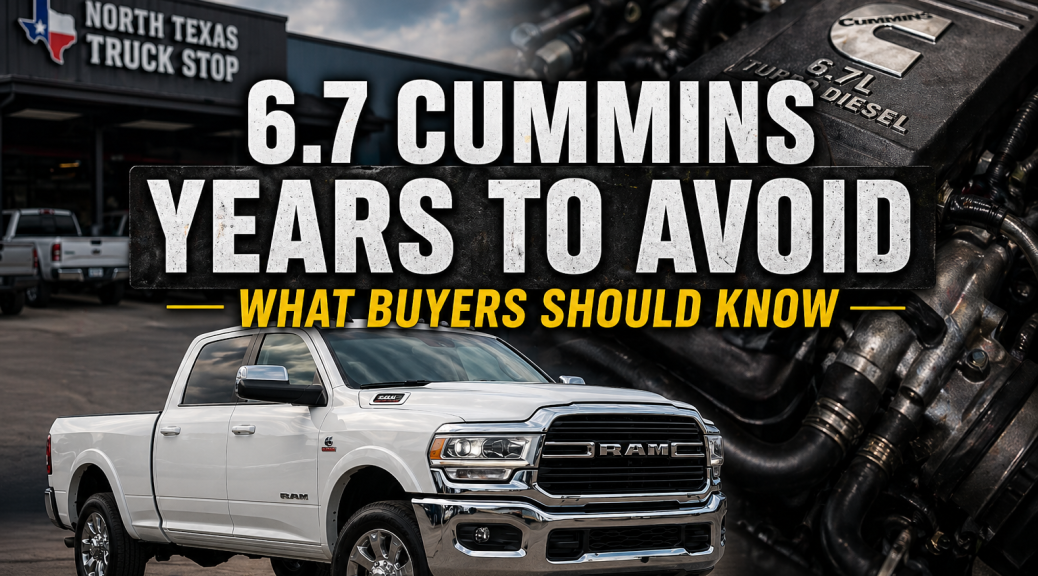
Credit: www.northtexastruckstop.com
Dodge Ram 3500 Years To Avoid: The Most Problematic Models
Let’s look at the specific model years you should think twice about before buying. For each, you’ll find the main issues, repair costs, and insights that most people overlook.
2001 Dodge Ram 3500
The 2001 Ram 3500 was part of the second generation, known for its Cummins diesel and rugged design. But this year brought several headaches:
- Transmission failures: The 47RE automatic transmission was a weak link, often failing before 100,000 miles.
- Fuel system problems: Owners reported injector pump failures—a costly fix that can exceed $2,000.
- Rust issues: Frames and body panels, especially in northern states, were prone to heavy rusting.
One thing many buyers miss: the 2001’s electrical system is also known for quirky failures, such as power windows and dash lights suddenly stopping.
2003 Dodge Ram 3500
The 2003 model marked a new generation but came with growing pains:
- Front-end steering “death wobble”: A violent shaking in the front wheels, often after hitting a bump.
- Turbo diesel engine issues: Early versions of the 5.9L Cummins had injector and lift pump failures.
- Transmission trouble: The 48RE automatic was better but still not perfect.
A hidden downside: Many 2003s used new electronics that sometimes failed, leading to frustrating, hard-to-diagnose problems.
2006 Dodge Ram 3500
The 2006 year is infamous for several reliability problems:
- Steering and suspension: Ball joints and tie rods wore out early, causing loose steering and unsafe handling.
- Poor brake life: Many owners replaced brake rotors and pads multiple times within 60,000 miles.
- Interior quality: Dashboards often cracked and fell apart, especially in hot climates.
An overlooked problem: The HVAC system (heating and air conditioning) often failed, requiring expensive repairs.
2007 Dodge Ram 3500
The 2007 model had many of the same issues as 2006, but also new headaches:
- Diesel emissions controls: Early versions of emissions equipment caused frequent warning lights and limp mode.
- Injector failures: The 6.7L Cummins, introduced late in the year, had early teething problems.
- Electrical gremlins: Window switches and instrument clusters often stopped working.
Hidden insight: The 2007 introduced new electronics, but not all mechanics were familiar with repairs, making fixes slower and pricier.
2011 Dodge Ram 3500
By 2011, the Ram name was separate from Dodge, but the 3500 still faced trouble:
- DEF and EGR failures: The new emissions systems caused check engine lights and power loss.
- Front axle issues: U-joints and bearings often wore out before 80,000 miles.
- Fuel system recalls: Some trucks required expensive dealer repairs for high-pressure fuel pump failures.
A detail often missed: In cold climates, the DEF (diesel exhaust fluid) would freeze, leaving owners unable to start or drive until it thawed.
2012 Ram 3500
The 2012 model had many of the same emissions problems as 2011:
- Turbo actuator failures: The electronic control for the turbo often failed, costing $1,500 or more to replace.
- DPF clogging: The diesel particulate filter could clog, causing reduced power and expensive cleanings.
- Steering linkage recalls: Some trucks needed multiple dealer visits to fix persistent steering problems.
One insight: The 2012s with manual transmissions were more reliable than automatics, but still suffered from emissions-related issues.
2013 Ram 3500
The 2013 year is well known for:
- Excessive recalls: More than 10 major recalls, including steering, brakes, and electronics.
- Uconnect system failures: The infotainment system often froze or failed to boot.
- HVAC blend door issues: Air wouldn’t properly switch between vents, requiring dash removal to fix.
Missed by many: The 2013 introduced a new frame, but some owners reported premature rust forming around welds and suspension mounts.
2014 Ram 3500
With improvements to some systems, the 2014 model still had issues:
- Transmission failures: The Aisin and 68RFE automatics had a higher-than-normal failure rate.
- DEF heater failures: The heater for diesel exhaust fluid often broke, especially in cold weather.
- Interior electronics: Backup cameras, sensors, and radio units were prone to early failure.
Hidden downside: The 2014 models with dual rear wheels (dually) seemed to have more wheel bearing failures than single rear wheel versions.
2015 Ram 3500
The 2015 Ram 3500 continued the trend:
- Frequent check engine lights: Often related to emissions sensors, turbo actuators, or DEF system.
- Steering recalls: Multiple recalls for tie rods, drag links, and other steering parts.
- Paint quality: Some owners reported peeling or bubbling paint, especially on the hood and roof.
Not widely known: 2015s equipped with the rear air suspension had more frequent compressor and air bag failures than coil-spring models.
2016 Ram 3500
By 2016, many problems were improved, but some remained:
- Wheel speed sensor failures: This led to ABS and traction control warnings, sometimes disabling cruise control.
- Transmission shift flare: Rough or delayed shifting, especially when cold.
- Exhaust system: Some trucks developed leaks in the exhaust aftertreatment system, causing noise and check engine lights.
A subtle issue: Trucks used for heavy towing sometimes suffered frame cracking near the rear axle—a rare but expensive problem.
Comparison Of Most Problematic Years
To help visualize, here’s a comparison of the worst years and their key issues:
| Model Year | Main Problems | Estimated Repair Cost | Common Mileage for Issues |
|---|---|---|---|
| 2001 | Transmission, Fuel system, Rust | $2,500+ | 80,000–120,000 |
| 2003 | Steering, Injector, Electronics | $2,000+ | 70,000–110,000 |
| 2006 | Steering, Brakes, Interior | $1,800+ | 50,000–90,000 |
| 2011 | DEF/EGR, Axle, Fuel system | $2,200+ | 60,000–100,000 |
| 2013 | Recalls, Electronics, HVAC | $2,000+ | 40,000–85,000 |

Credit: brabymotors.com
Common Problems Explained
Knowing the worst years is only half the battle. Understanding what actually goes wrong can help you spot trouble before you buy.
Transmission Failures
The Ram 3500’s automatic transmissions (especially 47RE, 48RE, 68RFE) are known weak points in some years. Signs of failure include:
- Hard or delayed shifting
- Slipping between gears
- No movement in drive or reverse
Repairs can cost over $3,000, and rebuilt transmissions may not solve underlying problems if the cooling system isn’t fixed too.
Emissions System Issues
Modern diesel trucks use complex systems like DEF, EGR, and DPF to reduce pollution. These can fail and cause:
- Reduced power (“limp mode”)
- Constant warning lights
- High repair bills
In cold weather, DEF can freeze, and sensors may fail more often.
Steering And Suspension Problems
The “death wobble” is a well-known Dodge/Ram issue. Causes include:
- Worn ball joints or tie rods
- Weak track bars
- Out-of-balance tires
Repairs can run $800–$1,500, but ignoring the problem is unsafe.
Rust And Body Quality
Some Ram 3500s, especially pre-2010 models, rust quickly in salt-heavy states. Pay close attention to:
- Frame rails
- Bed supports
- Door bottoms and fenders
Rust can be cosmetic or structural. Severe rust may cause a vehicle to fail inspection.
Electronics And Interior Failures
As trucks added more tech, reliability suffered. Common problems:
- Failing window motors and switches
- Broken radios or backup cameras
- Dashboard cracking and warping
Electrical issues are sometimes intermittent and hard to trace, raising labor costs.
Cost Of Owning A “bad” Dodge Ram 3500 Year
Buying a problematic year can add thousands to your total ownership cost. Here’s a look at typical repair expenses:
| Problem | Repair Cost | Frequency |
|---|---|---|
| Transmission replacement | $3,000–$5,000 | Once per 100,000 miles (problem years) |
| Fuel injector replacement | $1,200–$2,200 | Every 80,000–120,000 miles |
| Steering/suspension repair | $800–$1,500 | Every 50,000–80,000 miles |
| DEF system repair | $1,000–$2,500 | Varies, especially in cold climates |
If you buy a truck from a bad year, budget for higher repair costs and more frequent downtime.
How To Spot A Problematic Ram 3500 Before You Buy
Even within a “bad year,” some trucks are better than others. Here’s how to protect yourself:
- Check the VIN for recalls: Use the official NHTSA or Ram site to see if all recalls are completed.
- Get a pre-purchase inspection: A trusted mechanic can spot hidden frame, engine, or electrical problems.
- Ask for service records: Trucks with regular maintenance are less likely to have major issues.
- Test everything: Check all electronics, HVAC, and 4WD systems during your test drive.
- Inspect for rust: Look under the truck, not just at the body panels.
A non-obvious tip: If the truck has an aftermarket tuner, be cautious—these can mask problems or increase wear on key components.
Years With Fewer Problems
If you want a reliable Ram 3500, consider these years:
- 1996–1998: Simple, durable, few electronics to fail.
- 2010: First full year with improved emissions systems.
- 2017–2019: Most issues resolved, strong engines, better transmissions.
These years are not perfect, but they have fewer widespread problems.
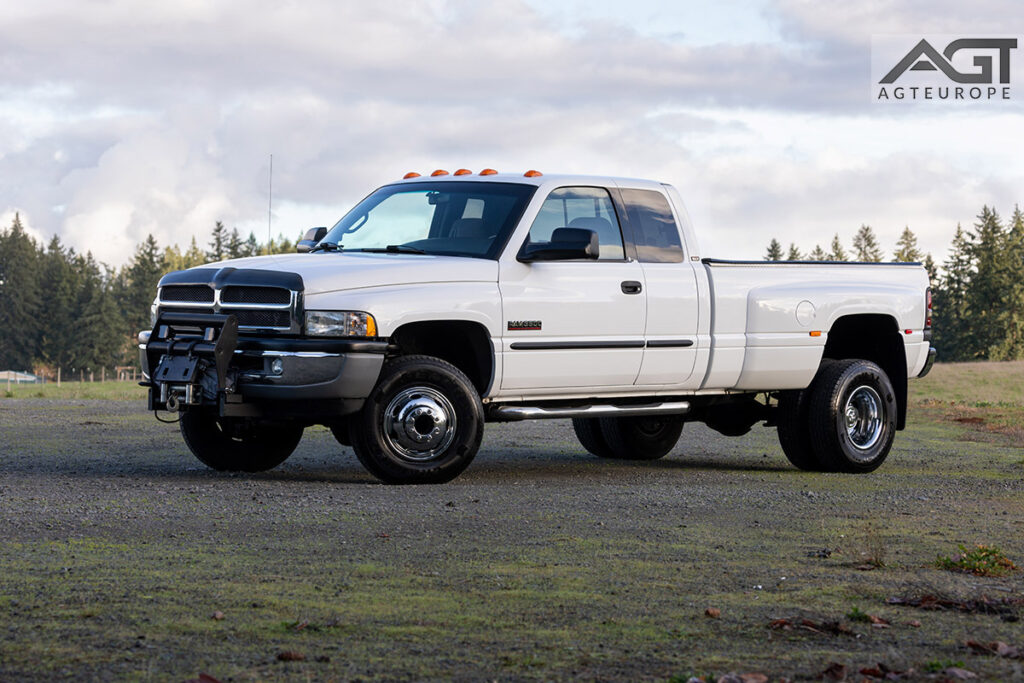
Credit: agtauto.com
Alternatives To The Dodge Ram 3500 Problem Years
If you’re set on a heavy-duty truck but want to avoid the trouble years, consider:
- Ford F-350 Super Duty: Known for strong diesel engines and robust transmissions.
- Chevrolet Silverado 3500HD: Good reliability and easier-to-find parts.
- Newer Ram 3500 models (2020+): Improved build quality and electronics.
Research owner forums and review sites for recent reliability data. For example, check out Consumer Reports for detailed ratings.
Real-world Owner Experiences
Many Ram 3500 owners share their stories on forums and review sites. Here are two examples:
- Mike from Ohio: Bought a 2007 Ram 3500 for farm work. Had to replace the turbo actuator twice and the injector pump at 110,000 miles. “Loved the power, but spent more on repairs than I expected.”
- Sarah from Texas: Owned a 2011 for towing a horse trailer. Had DEF problems every winter, plus a cracked dashboard. “Great truck when it ran, but the emissions system was a nightmare.”
Listening to real owners can give you insights that specs and stats don’t reveal.
Frequently Asked Questions
Is It Worth Buying A Used Dodge Ram 3500 From A Problematic Year If It’s Cheap?
It depends on your risk tolerance and repair skills. If you can do your own repairs and get a great deal, it might make sense. But for most buyers, the higher repair costs and downtime make it a poor choice.
Are Manual Transmission Ram 3500s More Reliable Than Automatics?
In many years, yes. Manual transmissions (like the G56) are simpler and less prone to failure, especially in high-mileage trucks. However, they still require clutch and hydraulics maintenance.
How Can I Check If A Ram 3500 Has Had All Its Recalls Completed?
Use the truck’s VIN on the official Ram or NHTSA recall site. You can also ask the seller for dealer service records, which should list completed recall work.
Are Later Model Ram 3500s (2017 And Newer) More Reliable?
Yes, in general. Ram improved the DEF system, electronics, and transmission reliability after 2016. Always check for ongoing recalls, but these trucks have fewer major issues.
What’s The Best Engine Option For A Used Ram 3500?
The 5.9L Cummins (especially 1996–2007) is known for durability and simplicity. The later 6.7L Cummins is more powerful but comes with more emissions equipment that can be expensive to repair.
Choosing the right Dodge Ram 3500 year is about more than just price or features—it’s about avoiding costly mistakes. By knowing which years to avoid and how to spot potential problems, you’ll be better prepared to find a truck that works as hard as you do. For more in-depth comparisons, visit resources like the Ram Trucks Wikipedia page for detailed history and specs. With careful research and a sharp eye, you can own a Ram 3500 that delivers power, reliability, and peace of mind for years to come.