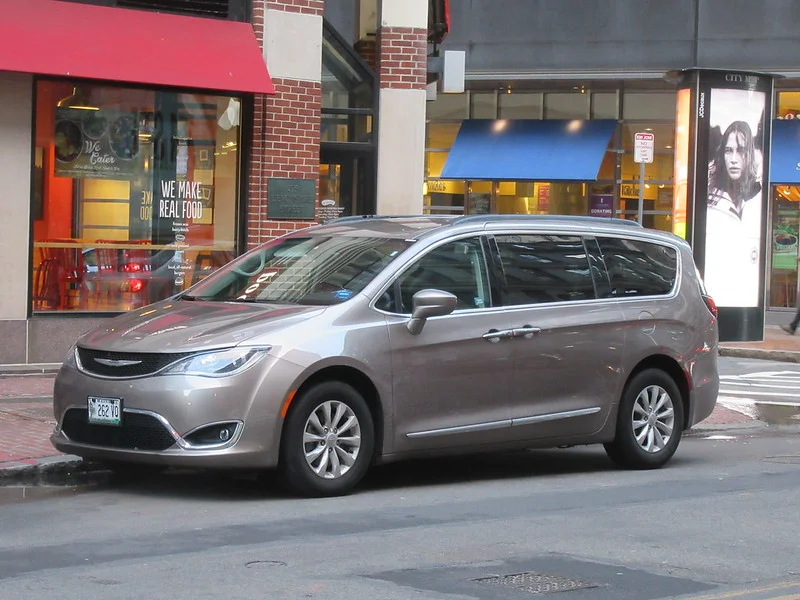
The Chrysler Pacifica Hybrid has become a popular choice for families who want the flexibility of a minivan with the benefits of a plug-in hybrid. The promise of low fuel costs, modern features, and generous space is hard to ignore. However, not all years of the Pacifica Hybrid offer the same experience. Some models have struggled with reliability, battery issues, and high repair costs. If you are thinking about buying a used Pacifica Hybrid, knowing which years to avoid can save you from future headaches.
In this article, you’ll discover which Chrysler Pacifica Hybrid years have more problems, why these issues matter, and which years are safer bets. You’ll also learn how the Pacifica Hybrid compares to other hybrid minivans, what to check before you buy, and what owners wish they’d known before purchasing.
By the end, you’ll have the knowledge to make a smart choice for your next family vehicle.
Why The Chrysler Pacifica Hybrid Stands Out
The Pacifica Hybrid was launched in 2017 as the first plug-in hybrid minivan in the U. S. market. Families who want to lower their gas bills and enjoy a quiet ride have found it appealing. It offers up to 32 miles of all-electric driving and a total range of about 520 miles when using both gas and electric power.
This can mean real savings for daily commutes or school runs.
The Pacifica Hybrid also has:
- Seven-passenger seating with flexible options
- Uconnect infotainment system with Apple CarPlay and Android Auto
- Strong safety ratings (Top Safety Pick by IIHS in some years)
- Comfortable ride and quiet cabin
But while it set new standards for minivans, some model years have faced more problems than others. Understanding these differences is essential before you buy used.
Chrysler Pacifica Hybrid: Common Problems Over The Years
Before diving into specific years to avoid, it’s important to know the most common issues reported for the Pacifica Hybrid. Many problems are linked to the hybrid system, electronics, and build quality. Here are the main areas where owners have faced trouble:
- Battery and Charging Problems: Some models experienced total loss of power, trouble charging, or hybrid system shutdowns.
- Transmission Issues: Shuddering, hesitation, or failure—sometimes linked to the hybrid’s unique gear system.
- Electrical System Faults: Random warning lights, loss of power steering, and infotainment system failures.
- Recall Repairs: Some years saw major recalls for battery fire risks, software errors, and stalling.
- Sliding Door Malfunctions: Power doors sometimes fail to open/close or get stuck.
- Build Quality Concerns: Rattles, leaks, and trim problems, especially in the first few years.
Not every Pacifica Hybrid will have these problems, but certain years have higher rates of complaints and expensive repairs.
Chrysler Pacifica Hybrid Years To Avoid
While no model is perfect, some Pacifica Hybrid years have significantly more issues. Here’s a breakdown of the years that give buyers the most trouble and why you should approach them with caution.
2017 Chrysler Pacifica Hybrid
The 2017 Pacifica Hybrid was the debut year and had the highest number of reported issues. Early models often serve as testing grounds for new technology, and the Pacifica Hybrid was no exception.
Key Problems
- Battery Recall: In 2022, Chrysler recalled over 16,000 2017-2018 Pacifica Hybrid models for a fire risk in the high-voltage battery.
- Loss of Power: Owners reported sudden loss of propulsion, sometimes at highway speeds.
- Electrical Glitches: Faulty sensors and software bugs often caused warning lights or system shutdowns.
- Transmission Jerks: Problems with shifting or rough transitions between electric and gas power.
Owner Experience
Many 2017 owners faced repeated visits to the dealer for recall repairs and software updates. Some reported waiting months for parts, especially during the battery recall.
2018 Chrysler Pacifica Hybrid
The 2018 model improved in some areas but still carried over many of the same core issues from the first year.
Key Problems
- Battery Recall Extended: The battery fire recall also covered this model year.
- Charging Problems: Some owners could not charge their vans at home or at public stations.
- Stalling: Loss of power on the road, sometimes with little warning.
- Infotainment Freezes: The Uconnect system occasionally locked up or rebooted while driving.
Owner Experience
While Chrysler handled many issues under warranty, the inconvenience and safety concerns led many owners to regret choosing this model year. Used prices for this year are often lower, but the risks are higher.
2019 Chrysler Pacifica Hybrid
The 2019 Pacifica Hybrid saw fewer complaints, but problems with the hybrid system and sliding doors persisted.
Key Problems
- Hybrid System Malfunctions: Some vehicles went into “limp mode” or refused to start.
- Sliding Door Failures: The power doors sometimes stopped working, especially in cold weather.
- Recalls Continue: More recalls for electrical and battery management system updates.
Owner Experience
The 2019 model is better than 2017 and 2018, but not trouble-free. Buyers should check that all recall work has been completed before purchase.
2020 Chrysler Pacifica Hybrid
While 2020 brought some improvements in reliability, a number of issues remained.
Key Problems
- Check Engine Lights: Owners often reported random check engine lights related to the hybrid control module.
- Software Updates Needed: Many problems were fixed by software updates, but some vehicles needed repeated dealer visits.
- Build Quality: Rattles, trim issues, and some interior finish problems continued.
Owner Experience
The 2020 model is considered more reliable but still below average compared to non-hybrid competitors. Buyers should look for full maintenance and software update records.
Which Years Are Safer Bets?
The Pacifica Hybrid saw a major update in 2021, which improved many reliability issues. The 2021, 2022, and 2023 models have fewer complaints, better battery technology, and more advanced safety features.
Improvements After 2020
- Battery Upgrades: Newer batteries with fewer recall issues.
- Refined Software: Fewer random shutdowns or limp mode events.
- Improved Infotainment: Uconnect 5 system is faster and more stable.
- Better Build Quality: Interior and trim problems are less common.
These models are generally more expensive, but the lower risk and better owner satisfaction may justify the higher price.
Chrysler Pacifica Hybrid Reliability By Year: At A Glance
Below is a summary of Pacifica Hybrid reliability based on owner reports and recall data.
| Model Year | Major Problems | Recalls | Best Use Case |
|---|---|---|---|
| 2017 | Battery, Power Loss, Electrical | Multiple (fire, stalling) | Avoid |
| 2018 | Battery, Charging, Stalling | Multiple (battery, software) | Avoid |
| 2019 | Hybrid System, Doors | Several (battery, doors) | Careful Inspection |
| 2020 | Check Engine, Software | Few (software, doors) | Safer, still check |
| 2021-2023 | Minor Issues | Low | Best Choice |
Credit: www.copilotsearch.com
What Makes Certain Years Risky?
New Technology Gremlins
The 2017-2018 models introduced Chrysler’s first plug-in hybrid system. New technology often comes with unexpected bugs, and these years saw more frequent battery and software issues. Early adopters sometimes end up acting as testers for new designs.
Battery And Fire Risk
The high-voltage battery is the heart of any hybrid. In 2017-2018, Chrysler had to recall thousands of vans due to the risk of battery fires—even when parked and switched off. This led to warnings about parking away from buildings until repairs could be made.
Parts And Repair Delays
Some owners waited months for replacement batteries or key components due to supply chain issues. Since the hybrid system is more complex than a regular engine, repairs can be slower and more expensive.
Software And Update Dependency
Many hybrid faults can be fixed with software updates. But if the previous owner skipped dealer visits, the van may still have unfixed issues. Always check service records before buying.
Resale Value Drop
Years with frequent problems often have lower resale value. This can seem like a bargain, but the risk of big repair bills may erase any savings.
Chrysler Pacifica Hybrid Vs. Other Hybrid Minivans
The Pacifica Hybrid is the only plug-in hybrid minivan widely available in the U. S. But how does it compare to newer hybrid options like the Toyota Sienna?
Below is a quick comparison of the Pacifica Hybrid and its main rival:
| Feature | Chrysler Pacifica Hybrid | Toyota Sienna Hybrid |
|---|---|---|
| Powertrain | Plug-in hybrid (PHEV) | Standard hybrid (no plug-in) |
| Electric Range | 32 miles (EV only) | None |
| Total Range | ~520 miles | ~600 miles |
| MPG (gas only) | 30 MPG | 36 MPG |
| Reliability | Mixed (varies by year) | High |
| Seats | 7 | 7-8 |
| All-Wheel Drive | No | Yes (option) |
While the Pacifica Hybrid offers electric-only driving, the Sienna Hybrid has a stronger reputation for reliability and offers all-wheel drive. If reliability is your top priority, the Sienna may be a safer choice, though you’ll lose the plug-in feature.
What To Check Before Buying A Used Pacifica Hybrid
If you are still interested in a used Pacifica Hybrid, take these steps to avoid expensive surprises:
1. Recall Completion
Ask the seller for proof that all recall work, especially battery and hybrid system recalls, has been completed. You can check this by entering the Vehicle Identification Number (VIN) on the National Highway Traffic Safety Administration (NHTSA) website.
2. Battery Health
The hybrid battery is expensive to replace (often over $5,000 outside warranty). Some dealers can provide a battery health report. Avoid any vehicle with warning lights or a history of “limp mode” problems.
3. Service Records
Look for a van with full dealer service history, especially regular software updates. Gaps in service can hide problems.
4. Electrical System Check
Test all electronics, including the infotainment system, power doors, and all dashboard functions. Glitches here can be signs of deeper issues.
5. Test Drive
Drive in both electric and gas modes. Listen for jerks or rough transitions. Make sure the van accelerates smoothly and doesn’t show warning lights.
6. Certified Pre-owned (cpo) Programs
Consider a CPO Pacifica Hybrid, which includes extra warranty coverage and inspection. This can give peace of mind, especially for 2019-2020 models.
Real-world Owner Insights: What Buyers Miss
1. Warranty Coverage Limits
The Pacifica Hybrid’s battery is covered for 8 years/100,000 miles (or more in some states). But other hybrid components may not be. Some owners are surprised when repairs are not fully covered after 3 years/36,000 miles.
2. Charging Routine Surprises
Owners new to plug-in hybrids sometimes find home charging more complicated than expected. Older homes may need new outlets or upgrades. Public charging can also be slower than expected.
3. Cold Weather Impact
In cold climates, the Pacifica Hybrid’s electric range drops—sometimes by 25% or more. The van may also start on gas more often when temperatures are low.
4. Limited Towing
The Pacifica Hybrid is rated to tow only 3,600 pounds, lower than some competitors. If you need to tow a camper or boat, this may be a drawback.
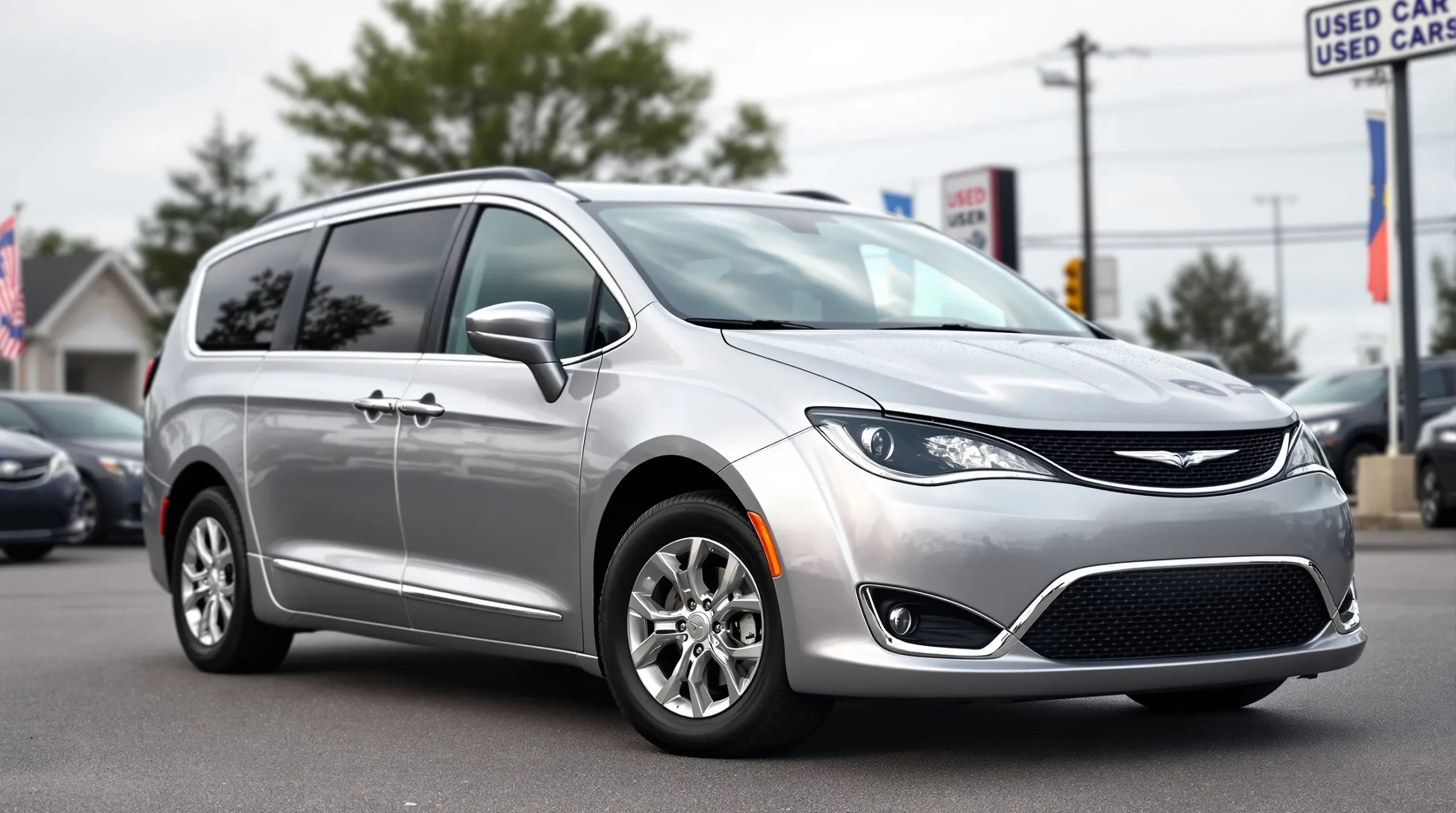
5. Trunk Space Difference
Unlike the gas-only Pacifica, the hybrid battery takes up space in the floor. This means you lose the “Stow ‘n Go” feature for the second row, which some owners miss for hauling large items.
Credit: rerev.com
Cost Of Ownership: Repairs And Depreciation
Repair Costs
RepairPal rates the Pacifica Hybrid’s reliability as below average. Common repairs, especially for the battery or hybrid system, can be expensive:
- Hybrid Battery Replacement: $5,000–$8,000 (out of warranty)
- Power Sliding Door Repair: $600–$1,200
- Infotainment Module: $800–$1,500
Regular maintenance (oil changes, brakes, tires) is similar to other minivans, but hybrid system repairs are much higher.
Depreciation
Pacifica Hybrid models from 2017-2019 have dropped sharply in value, sometimes losing 40–50% of their original price in five years. This is partly due to reliability worries. Newer models (2021+) hold value better thanks to improved reputation.
How To Find A Good Used Pacifica Hybrid
If you still want a Pacifica Hybrid, focus on minimizing risk:
- Choose 2021 or newer if your budget allows; these have the best reliability.
- If considering 2019-2020, insist on full recall/service records and battery health check.
- Avoid 2017-2018 unless you get an exceptional deal and all recalls are complete.
- Buy from a reputable dealer or consider a CPO vehicle.
- Get an independent inspection by a mechanic familiar with hybrids.
Are Software Updates Enough To Fix Old Problems?
Some owners believe that dealer software updates solve most Pacifica Hybrid issues. While updates can fix many bugs—like warning lights, charging errors, or random shutdowns—they can’t solve hardware problems. If a van has a history of repeated failures, it may have deeper faults that updates can’t fix.
Tips For Long-term Reliability
To get the most from your Pacifica Hybrid:
- Charge Regularly: Use electric mode as much as possible to reduce engine wear.
- Follow Maintenance Schedule: Don’t skip dealer visits, especially for software updates.
- Protect the Battery: Avoid deep discharges and extreme heat when possible.
- Drive Gently: Smooth driving helps both battery and transmission last longer.
If you plan to keep the van for many years, a newer model is usually worth the extra cost for peace of mind.
Credit: www.slashgear.com
What The Future Holds For The Pacifica Hybrid
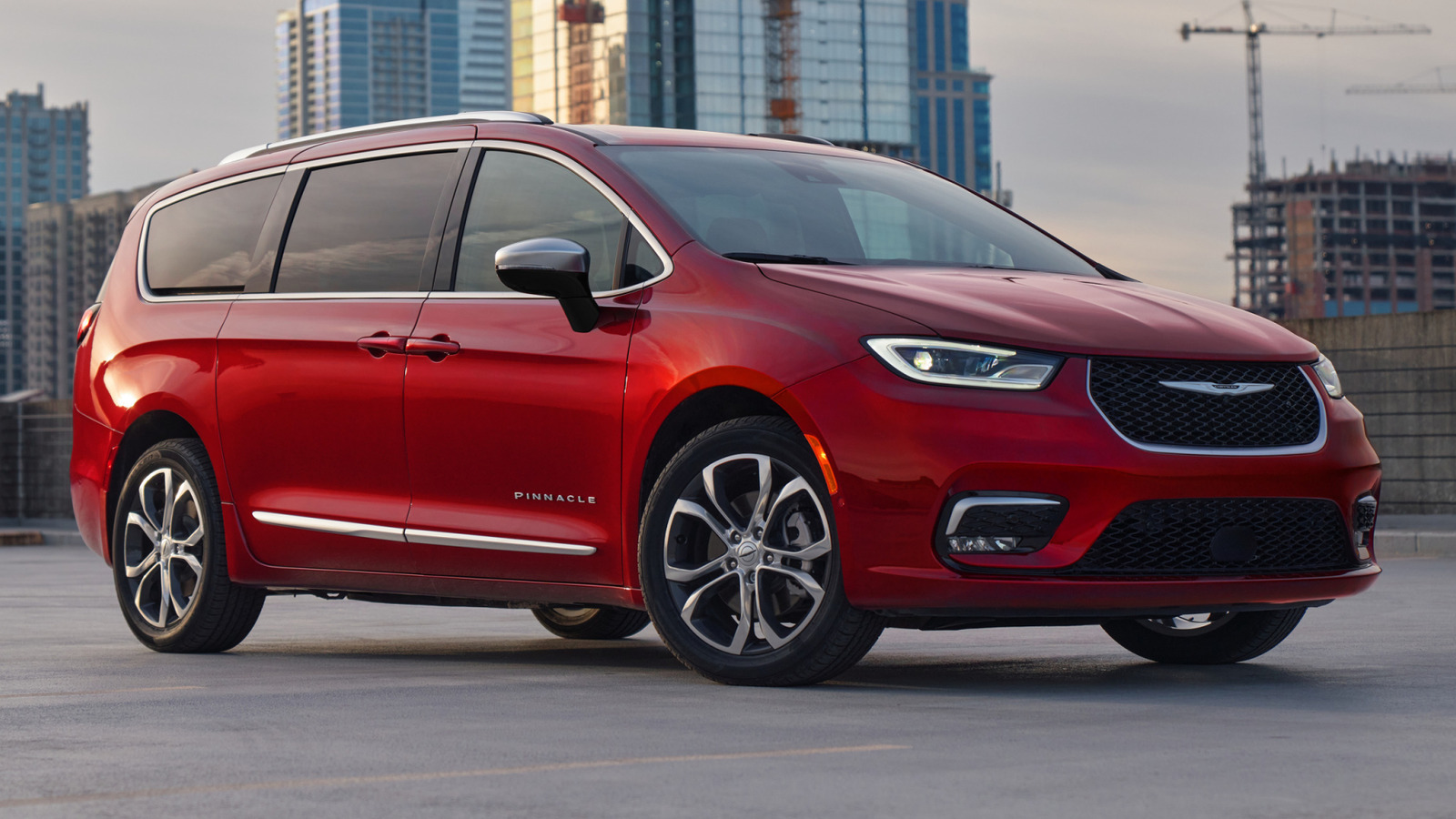
Chrysler continues to update the Pacifica Hybrid with better batteries, improved software, and more standard features. The 2023 model now includes Amazon Alexa and more safety tech. As EV technology improves, future Pacifica Hybrids should become more reliable and easier to own.
If you want a plug-in hybrid minivan now, choose wisely—later models offer the best chance for a smooth ownership experience.
For more technical details, you can check the official Wikipedia page on the Chrysler Pacifica Hybrid.
Frequently Asked Questions
What Is The Worst Year For The Chrysler Pacifica Hybrid?
The 2017 Pacifica Hybrid is widely considered the worst year for reliability. It had the most battery-related recalls, power loss issues, and owner complaints. Many problems were corrected in later years, so most buyers should avoid 2017 models.
Is The Chrysler Pacifica Hybrid Expensive To Repair?
Yes, repairs for the hybrid system or battery can be very expensive, especially after the warranty ends. Regular maintenance is affordable, but major repairs like battery replacement may cost $5,000 or more.
Does The Pacifica Hybrid Have Enough Electric Range For Daily Use?
The Pacifica Hybrid offers about 32 miles of electric range, which covers most daily commutes and school runs. However, the range drops in cold weather, and longer trips will use gas as well.
What Should I Check Before Buying A Used Pacifica Hybrid?
Check for completed recalls, a full service history, battery health, smooth operation in both electric and gas modes, and working electronics. An independent hybrid mechanic inspection is a smart investment.
How Does The Pacifica Hybrid Compare To The Toyota Sienna Hybrid?
The Pacifica Hybrid is a plug-in hybrid with electric-only driving, while the Sienna Hybrid is a standard hybrid with higher reliability but no plug-in feature. The Sienna offers all-wheel drive and better resale value, but the Pacifica Hybrid is unique if you want a minivan that can run on electricity alone.
Choosing the right Chrysler Pacifica Hybrid is all about picking the right year and doing your homework. With the right approach, you can enjoy efficient, family-friendly driving without unexpected problems.