

The Chevy Malibu has been a staple in the midsize sedan market for decades. For many, it represents a balance of comfort, affordability, and reliability. Yet, not every year is created equal. Some Malibu models stand out for their smooth ride and low maintenance costs, while others are notorious for problems that leave owners frustrated and out-of-pocket.
If you’re considering a used Chevy Malibu, knowing which years to avoid can save you money, time, and headaches. Here’s a detailed guide to the Chevy Malibu years to avoid, why they’re troublesome, and how to make a confident purchase.
Why Year Matters So Much With Used Chevy Malibus
Buying a used car always comes with risks, but when it comes to the Chevy Malibu, the model year can make a huge difference. Changes in design, engineering, and manufacturing often introduce new features but sometimes new problems, too. Some years are plagued with engine failures, transmission issues, or electrical bugs that can turn your dream car into a financial burden.
Automakers often fix mistakes in newer versions, but they don’t always recall or fix earlier models. That’s why buyers need to know which years to avoid and which are considered safe bets. While no car is perfect, choosing the right model year can give you more peace of mind and better value for your money.
Chevy Malibu Generations Overview
Understanding the Malibu’s history helps explain why some years are more troublesome. The Malibu has gone through several generations, each with its own strengths and weaknesses.
| Generation | Model Years | Main Features |
|---|---|---|
| Fifth (5th) | 1997–2003 | Front-wheel drive, compact-midsize transition, basic tech |
| Sixth (6th) | 2004–2007 | Grew in size, more powerful V6, early electrical issues |
| Seventh (7th) | 2008–2012 | Modern styling, improved interior, OnStar available |
| Eighth (8th) | 2013–2015 | Eco model, MyLink infotainment, engine updates |
| Ninth (9th) | 2016–Present | Turbo engines, advanced safety, lighter build |
Each generation brought changes, but not all improvements worked out as planned. Problems in design, rushed updates, or new technology often led to years that are best skipped by buyers.
Chevy Malibu Years To Avoid: The Most Problematic Models
Some Chevy Malibu years have a long track record of issues. These are the years that should make buyers pause or look elsewhere.
1. 2004 Chevy Malibu
The 2004 Malibu marked the start of a new generation, but it came with growing pains. Owners frequently report steering problems, especially with the electric power steering system. This can make the car hard to control, and repairs are not cheap.
Other common issues:
- Ignition switch failures leading to starting problems
- Electrical system glitches that cause the radio, gauges, or lights to malfunction
- Transmission failures that can cost thousands to fix
A unique problem: The 2004 model was one of the first with an electric power steering system, and it was prone to sudden loss of steering assist while driving. This is more than an inconvenience—it can be dangerous, especially at highway speeds.
2. 2005–2006 Chevy Malibu
These years continued the trend of steering column issues and added more electrical faults. Many owners have reported the turn signals, radio, or even dashboard lights would stop working at random times.
Other headaches:
- Noisy suspension due to worn bushings and components
- Premature brake wear that leads to frequent (and expensive) repairs
- Transmission slipping or jerky shifting
These models were also part of GM’s ignition switch recall, which affected millions of vehicles. The problem could lead to sudden engine shutdowns and loss of power steering or brakes—a serious safety concern.
3. 2010–2012 Chevy Malibu
While the 2008 and 2009 models had their share of problems, the 2010–2012 models are particularly notorious for transmission failures. Owners frequently describe problems like the car not shifting properly, slipping out of gear, or refusing to go into reverse.
These years also had:
- Timing chain failures in the 2.4L engine, which can destroy the engine if not caught early
- Electrical system malfunctions affecting power door locks and windows
- Airbag light problems, making owners unsure if their safety systems would work in a crash
A less obvious issue: The 2.4L Ecotec engine in these years is known to consume oil at a high rate. Many owners don’t realize this until the low oil level damages the engine. Regularly checking the oil is critical, but it’s an easy detail to miss.
4. 2013 Chevy Malibu
The 2013 model was supposed to be a fresh start with a new design and updated technology. Instead, it brought new challenges. Many owners report engine stalling while driving, often linked to the new stop-start system in the Eco models.
Other common complaints:
- Rough shifting from the six-speed automatic transmission
- Infotainment system glitches, such as the screen freezing or shutting off
- Poor rear visibility due to the new body style
A hidden problem: The 2013 Malibu’s stop-start system, meant to save fuel, sometimes causes the engine to hesitate or stall at intersections. This can be unnerving for drivers and dangerous in busy traffic.
5. 2016 Chevy Malibu
The 2016 Malibu was the first year of a new generation. While it had many improvements, it also introduced turbocharged engines and new technology that hadn’t yet proven reliable.
Problems include:
- Engine hesitation or sudden loss of power
- Transmission shudder and difficulty shifting, especially with the 1.5L turbo engine
- Infotainment bugs in the MyLink system
Owners have also pointed out that some advanced safety features, like lane keep assist, can be overly sensitive or malfunction, leading to false warnings.
6. 2017 Chevy Malibu
The troubles with the 2016 model didn’t disappear overnight. The 2017 Malibu continued to see engine and transmission complaints, especially in early production models.
Additional issues:
- Check engine lights that are hard to diagnose
- Fuel pump failures leading to stalling or no-start conditions
- Premature battery failure, which can leave drivers stranded
A subtle but important detail: The 1.5L turbocharged engine in 2017 models is particularly sensitive to oil quality. Skipping oil changes or using the wrong oil can shorten the engine’s life.
Why These Years Stand Out (and What Makes Them Risky)
You might wonder why certain years are more problematic. The answer usually comes down to new technology, cost-cutting, or rushed redesigns. Car makers often introduce a lot of changes in one year, and not all the bugs are worked out before release.
For example:
- The 2004–2006 models introduced electric power steering and new electronics, but these systems were not as reliable as older designs.
- The 2010–2012 models used a new engine and transmission combo that later proved unreliable.
- The 2013 model had a complete redesign, bringing new features but also unexpected problems.
- The 2016–2017 models adopted turbo engines and more advanced electronics, but both had growing pains.
Another insight: Early years of a new generation (the first or second model year after a major redesign) are often riskier. Automakers fix many problems in later years after getting feedback from real-world drivers.

Credit: carcliniccentral.com
Chevy Malibu Years That Are Safer Choices
Not all Malibus are trouble. In fact, some years have a reputation for solid reliability and low ownership costs.
Better Malibu years include:
- 2008–2009: These models had some early issues, but most were fixed with recalls or updates. They offer a nice balance of value and reliability.
- 2014–2015: Fewer complaints, improved engines, and more refined electronics make these years a safer choice.
- 2018–2020: Most of the bugs from earlier ninth-generation models were worked out, especially in terms of engine and transmission reliability.
It’s always smart to have a mechanic check any used car before you buy, but these years give you a better starting point.
Common Problems In The Worst Chevy Malibu Years
It helps to know what goes wrong most often. Here are the most frequent (and expensive) problems that plague the worst Malibu years:
- Steering column failure: The electric power steering system can fail suddenly, making steering difficult or impossible.
- Transmission problems: Hard shifting, slipping, or total failure—especially in the 6-speed automatic—can require a rebuild or replacement.
- Electrical glitches: From non-working radios to dashboard lights and warning chimes, these can be hard and expensive to track down.
- Engine oil consumption: Some engines burn oil faster than expected, risking damage if oil levels aren’t checked and topped up regularly.
- Timing chain failure: Particularly in the 2.4L engine, a stretched or broken chain can destroy the engine.
- Suspension noise and wear: Clunks, rattles, and worn bushings are common, leading to frequent repairs.
These problems are not just annoying—they can also be unsafe and costly.
Real-world Costs: Repair Prices For Common Malibu Problems
To give you a sense of what these issues might cost, here’s a comparison of average repair prices for the most common Malibu problems:
| Problem | Typical Repair Cost | Model Years Most Affected |
|---|---|---|
| Steering Column Replacement | $800–$1,200 | 2004–2006 |
| Transmission Rebuild/Replacement | $2,000–$3,500 | 2010–2012, 2016–2017 |
| Timing Chain Repair | $1,000–$1,800 | 2010–2012 |
| Electrical System Diagnosis/Repair | $150–$700 | 2004–2007 |
Some repairs, like a new engine or transmission, can cost more than the car is worth. That’s why avoiding high-risk years is so important.
How To Spot A Risky Chevy Malibu
If you find a Malibu for sale from a year with known issues, it doesn’t always mean you should walk away. However, you need to be extra careful. Here’s how to evaluate a used Malibu:
- Check for recalls. Make sure all recalls have been completed. You can check this on the National Highway Traffic Safety Administration (NHTSA) website.
- Look for service records. Regular maintenance (especially oil changes) is a good sign. Missing records can mean trouble.
- Test drive the car. Pay attention to how the steering feels, how the transmission shifts, and whether there are any warning lights.
- Inspect for leaks and noises. Listen for clunks, rattles, or grinding sounds—especially from the suspension and transmission.
- Get a pre-purchase inspection. Have a trusted mechanic look over the car. It’s worth the small fee for peace of mind.
Many buyers skip one or more of these steps, and that’s where trouble often starts.
Credit: www.overstockvehicles.com
What About Certified Pre-owned (cpo) Malibus?
Certified Pre-Owned (CPO) Malibus come with extra inspections and warranties from Chevy dealers. While this can protect you from some surprises, it doesn’t erase the design flaws of a problematic model year. CPO can be a smart move if you really want a newer Malibu, but always check the vehicle history and ask for the full service records.
A tip many miss: Even with a CPO warranty, read the fine print. Some warranties cover only the powertrain, not electronics or infotainment systems—which are common sources of Malibu problems.
How Malibu Compares To Other Midsize Sedans
If you’re still unsure about buying a Malibu, it helps to see how it stacks up against other popular midsize cars from the same years.
| Model | Known Problem Years | Reliability Score (1-10) | Repair Cost (avg.) |
|---|---|---|---|
| Chevy Malibu | 2004–2006, 2010–2013, 2016–2017 | 5 | $550 |
| Toyota Camry | 2007–2009 (oil burning) | 8 | $400 |
| Honda Accord | 2008–2010 (brake, transmission) | 7 | $450 |
| Ford Fusion | 2010–2013 (steering, transmission) | 6 | $500 |
The Malibu isn’t the worst, but it’s also not the best for reliability. If you’re open to other brands, a Camry or Accord from a good year might offer fewer headaches.
Non-obvious Insights: What Many Buyers Overlook
While most guides mention the years to avoid, there are a few things many buyers miss:
1. Software Updates Matter.
Some Malibu problems, especially with the infotainment system or engine computer, can be fixed with a simple software update. However, many owners never go to a dealer for these updates—meaning used cars can still have old, buggy software.
2. Aftermarket Parts Are a Double-Edged Sword.
Some Malibus, especially older models, may have cheap aftermarket parts installed to keep repair costs down. While this saves money in the short term, non-OEM parts can create new problems or mask existing ones. Always ask about parts used in major repairs.
Tips For Buying A Used Chevy Malibu
If you still want a Malibu, despite the risky years, here’s how to get the best experience:
- Aim for later years in each generation. These usually have bugs worked out.
- Avoid first-model-year redesigns unless you’re getting a stellar deal and have a good mechanic.
- Prefer private sellers with service records over used car lots with little information.
- Consider an extended warranty if buying a 2010–2013 or 2016–2017 model.
- Don’t skip the test drive. Pay close attention to shifting, steering, and warning lights.
Many problems won’t show up on a quick look. Take your time, and don’t rush the buying process.
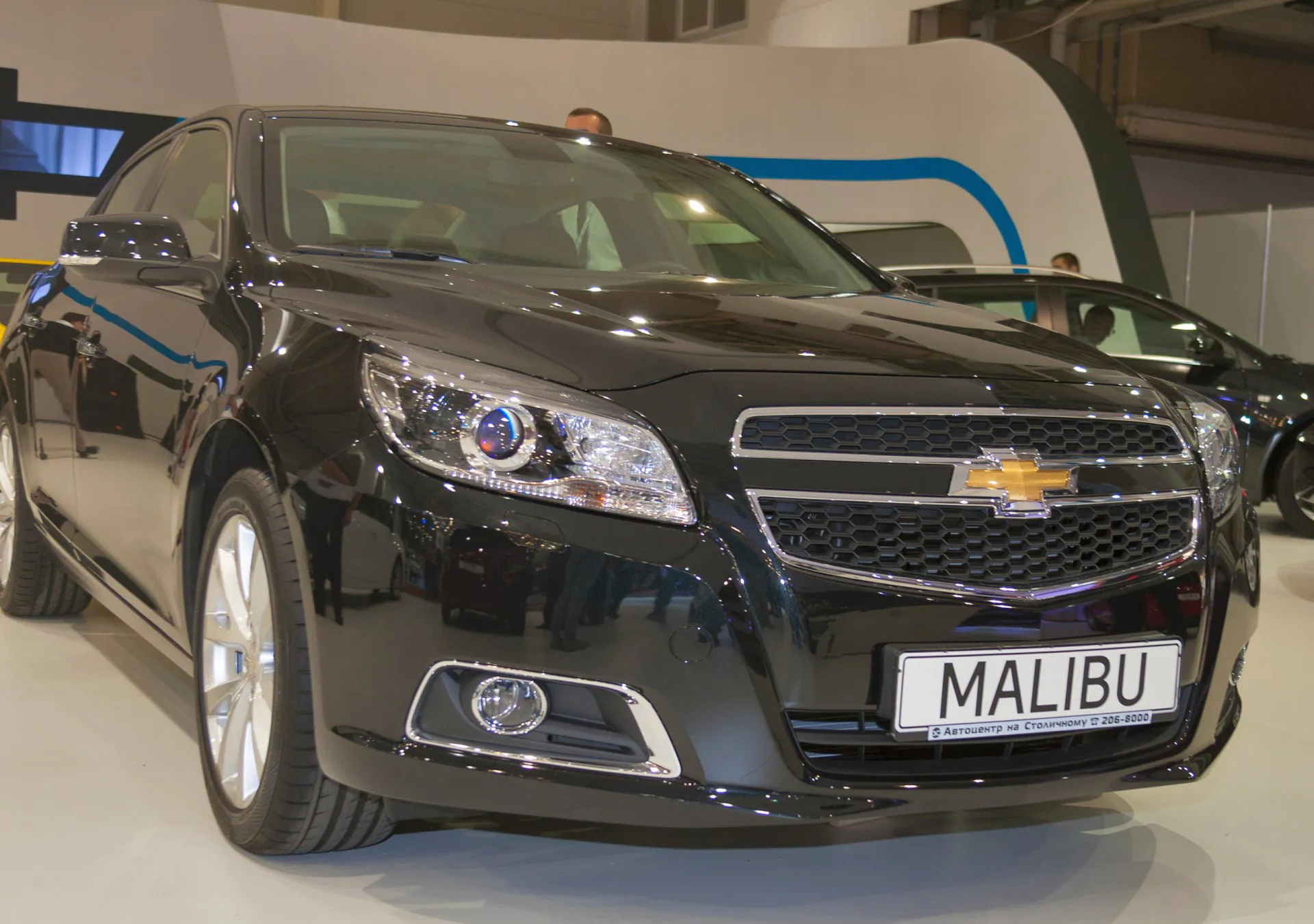
Credit: activityfirstpt.com
Frequently Asked Questions
What Are The Worst Chevy Malibu Years For Reliability?
The worst years for reliability are 2004–2006, 2010–2012, 2013, and 2016–2017. These models have frequent reports of steering, transmission, and engine problems, along with expensive repairs.
Are Chevy Malibus Expensive To Maintain Compared To Other Midsize Sedans?
Chevy Malibus are generally average in maintenance costs. However, if you buy a problematic year, costs can spike due to major repairs like transmission or steering failure. Safer years (like 2014–2015) have lower average costs.
Is It Safe To Buy A Used Chevy Malibu?
It can be safe if you choose a good model year and have the car inspected before buying. Avoiding known trouble years and checking maintenance history are key steps. Certified Pre-Owned models offer extra protection but aren’t foolproof.
What Is The Most Reliable Chevy Malibu Year?
Many experts and owners consider the 2014 or 2015 Malibu to be the most reliable. These years have fewer major complaints and better long-term durability.
Where Can I Find More Information About Malibu Recalls And Common Problems?
You can check the official NHTSA website or Consumer Reports for the latest on recalls, reliability ratings, and owner complaints.
Buying a used car is always a process of weighing risks and rewards. With the Chevy Malibu, knowing which years to avoid can make all the difference. Do your homework, ask tough questions, and always get an expert opinion before making your final decision.
The right Malibu can give you years of comfortable, affordable driving—just make sure it’s not from one of the years best left behind.