For years, Chevrolet has promoted cylinder deactivation as a way to improve fuel economy in their V8 engines. The idea is simple: when you don’t need full power, the engine shuts off some cylinders. But for many Chevy owners, the reality has been much more complicated. Some cylinder deactivation systems work well, while others are linked to expensive engine problems and frustration. If you’re thinking about buying a used Chevy truck, SUV, or car, knowing which years to avoid can save you a lot of money and trouble.
This guide dives deep into Chevy’s cylinder deactivation history, highlights the worst years, explains why issues happen, and shows you how to spot and deal with these problems. We’ll also compare models, engines, and offer practical advice for anyone considering a Chevy with this technology.
If you want to make a smart decision, keep reading.
What Is Chevy Cylinder Deactivation?
Cylinder deactivation, also called Active Fuel Management (AFM) or Dynamic Fuel Management (DFM), is a technology that allows certain Chevy V6 and V8 engines to run on fewer cylinders under light load. For example, a V8 can temporarily become a V4 to save fuel during highway cruising. When more power is needed, all cylinders activate instantly.
Chevy first introduced AFM in the mid-2000s, and it became standard on many trucks and SUVs. Later, DFM debuted, offering even more advanced control. The goal: better gas mileage without sacrificing the power drivers expect from a Chevy.
But while the idea is clever, the real-world results are mixed. Some engines with AFM or DFM work flawlessly for many years, while others develop serious issues after just 60,000 to 100,000 miles. That’s why it’s important to know which years to avoid.
How Cylinder Deactivation Works In Chevy Engines
Chevy’s cylinder deactivation works through a mix of hardware and software changes in the engine. When you’re driving gently, the engine control module tells special lifters to deactivate some cylinders. Valves stay closed, fuel and spark are cut, and the engine runs on fewer cylinders. When you press the gas, all cylinders turn back on instantly.
Key Components Involved
- Lifters: Special hydraulic parts that can turn off valve operation for certain cylinders.
- Oil control solenoids: Use engine oil pressure to activate or deactivate the lifters.
- Engine Control Module (ECM): The computer that decides when and how many cylinders to deactivate.
- Sensors: Monitor throttle position, load, speed, and more.
This system is complex. If any part fails, you can get engine misfires, warning lights, low oil pressure, or even major engine damage. For some Chevy years and models, these problems are much more common.
Chevy Cylinder Deactivation Timeline: Key Years And Engines
Chevy’s first cylinder deactivation engines appeared in the 2005 model year. Since then, the technology has gone through several generations and names.
| Year Range | System Name | Common Engines | Models Used |
|---|---|---|---|
| 2005-2009 | Active Fuel Management (AFM) | 5.3L V8 (Gen IV) | Silverado, Tahoe, Suburban, Avalanche, Impala |
| 2010-2018 | Active Fuel Management (AFM) Improved | 5.3L, 6.0L, 6.2L V8 | Silverado, Tahoe, Suburban, Camaro, others |
| 2019-present | Dynamic Fuel Management (DFM) | 5.3L, 6.2L V8 (Gen V) | Silverado, Sierra, Tahoe, Suburban |
Not all years are equal. Some early AFM engines are notorious for oil consumption, lifter failure, and other expensive problems. Later DFM systems are improved, but not perfect. Let’s focus on the years you should be most cautious about.
Chevy Cylinder Deactivation Years To Avoid
Many mechanics, forums, and owner surveys point to specific years when cylinder deactivation problems were most severe. The following Chevy years are widely considered the riskiest if you want to avoid AFM/DFM headaches.
1. 2007–2014 Chevy Silverado 1500 (5.3l Afm V8)
This generation of Silverado is the number one example of AFM problems. The 5.3L V8 with AFM is legendary for burning oil, lifter collapse, and even complete engine failure. Many owners report adding a quart of oil every 1,000 miles or less. Repair costs can reach $2,000–$4,000 for lifters or much higher if the engine is damaged.
2. 2007–2014 Chevy Tahoe & Suburban (5.3l Afm V8)
These full-size SUVs use the same AFM engine as the Silverado. Common complaints include oil consumption, rough idle, ticking noises, misfires, and engine lights. The problems are so well-known that many Tahoe/Suburban owners look for the rare non-AFM engines.
3. 2007–2014 Chevy Avalanche (5.3l Afm V8)
The Avalanche shares the truck platform and engine, so it suffers from the same cylinder deactivation issues. Many Avalanches from this period are sold with “engine rebuilt” in the ad—a red flag.
4. 2007–2009 Chevy Impala Ss (5.3l Afm V8)
Though less common, the Impala SS used a 5. 3L V8 with AFM. Owners have reported similar lifter and oil consumption problems, especially as the cars age.
5. 2010–2014 Chevy Camaro Ss (6.2l Afm V8 – Automatic)
Some automatic V8 Camaros from this period use AFM. While not as problematic as the truck engines, lifter failures and oil burning are still reported, especially with high miles.
6. 2007–2013 Chevy Suburban 2500 (6.0l Afm V8)
The heavy-duty Suburban 2500 used the 6. 0L V8 with AFM, and while less common, it’s not immune to the same troubles as the 5. 3L.
Why These Years?
Chevy’s first and second-generation AFM systems (2007–2014) had several design flaws. The lifters and oil control system were especially vulnerable to sludge, wear, and low oil pressure. Once these parts start failing, the only real fix is expensive engine work.
Many owners simply disable AFM, but this can have warranty and emissions consequences.

Credit: www.vvchevy.com
Years With Fewer Problems (but Not Zero)
Starting in 2015, GM made changes to the AFM system and engine designs. They improved piston rings, oil deflectors, and lifters. While problems did not disappear, they became less common. If you want a Chevy with cylinder deactivation, the 2015 and newer models are generally safer bets—but used buyers should still be careful.
The 2019 and newer Chevy Silverado and related SUVs introduced Dynamic Fuel Management (DFM). DFM uses more advanced software and can shut off any number of cylinders, not just four. Early reports suggest DFM is more reliable, but these engines are still too new for long-term data.
Common Chevy Cylinder Deactivation Problems
The same issues appear again and again in at-risk years. Here are the most common problems Chevy owners face with AFM/DFM engines:
1. Excessive Oil Consumption
Many AFM engines burn oil at a high rate. Owners often add a quart of oil every 1,000 miles or less. This happens because deactivated cylinders can allow oil past the rings, and the engine design doesn’t do enough to prevent it.
If oil gets too low, engine damage is likely.
2. Lifter Failure Or Collapse
The special AFM lifters can fail or “collapse,” causing a loud ticking noise, misfires, or a dead cylinder. Repair means opening the engine and replacing lifters, often costing $2,000 or more.
3. Engine Misfires
Bad lifters or oil control solenoids can cause misfires. The check engine light comes on, and the truck may run rough or lose power.
4. Timing Chain Wear
Engines with high oil consumption are at risk for timing chain wear. If the chain fails, the engine can be destroyed.
5. Stuck In 4-cylinder Mode
Sometimes, the system gets stuck in cylinder deactivation mode, leaving the engine with half its power.
6. Low Oil Pressure
Oil control solenoids require good oil pressure. If oil is low or the system is dirty, you’ll get warnings and possible engine damage.
7. Catastrophic Engine Failure
If minor problems are ignored, the engine can be ruined. Replacement or a rebuild is often more expensive than the vehicle’s value.
Signs Of Cylinder Deactivation Problems In A Used Chevy
If you’re shopping for a used Chevy from the risky years, pay attention to these warning signs:
- Low oil level or oil light on
- Engine ticking or knocking noise
- Check Engine Light (especially with misfire codes)
- Rough idle or reduced power
- Oil leaks under the vehicle
- Seller mentions recent engine work or AFM delete
Always ask for service records. If the owner added oil between changes, that’s a red flag.
How To Avoid Cylinder Deactivation Problems
If you already own—or want to buy—a Chevy with AFM/DFM, you can reduce the risk of expensive repairs by following these tips.
1. Regular Oil Changes
Change the oil every 5,000 miles or less, using the recommended grade and high-quality filter. Dirty oil is the enemy of AFM/DFM systems.
2. Check Oil Level Frequently
Check your oil at every fuel fill-up, especially if you know your engine burns oil. Never let it get low.
3. Listen For Unusual Noises
A ticking, tapping, or knocking sound from the engine means you should get it checked immediately.
4. Consider Afm/dfm Delete Kits
Some owners disable the system using software or hardware kits. This can prevent further damage, but may affect emissions and warranty. Research your state’s laws first.
5. Buy A Non-afm Engine
If possible, look for Chevy models or trims that never had AFM. For example, some base model trucks or special order fleet vehicles use old-style engines.
Chevy Models And Engines: Comparison Table
To help you spot which Chevys are most likely to have AFM/DFM issues, here’s a comparison of popular models and engines.
| Model | Engine | AFM/DFM Present? | Years to Avoid |
|---|---|---|---|
| Silverado 1500 | 5.3L V8 (Gen IV) | Yes (AFM) | 2007–2014 |
| Silverado 1500 | 6.2L V8 (Gen IV) | Yes (AFM) | 2010–2014 |
| Silverado 1500 | 5.3L V8 (Gen V/DFM) | Yes (DFM) | 2019–present |
| Tahoe/Suburban | 5.3L V8 | Yes (AFM/DFM) | 2007–2014, 2019–present |
| Camaro SS | 6.2L V8 | Some (AFM, auto only) | 2010–2014 |
| Impala SS | 5.3L V8 | Yes (AFM) | 2007–2009 |
What Makes Some Chevy Cylinder Deactivation Engines Reliable?
Not every Chevy with cylinder deactivation is trouble. Reliability depends on several factors:
- Engine generation: Newer engines often have improved parts.
- Maintenance history: Regular oil changes and careful driving help a lot.
- Driving style: Short trips and heavy loads are harder on AFM/DFM.
- Software updates: GM has released some ECM updates to reduce problems.
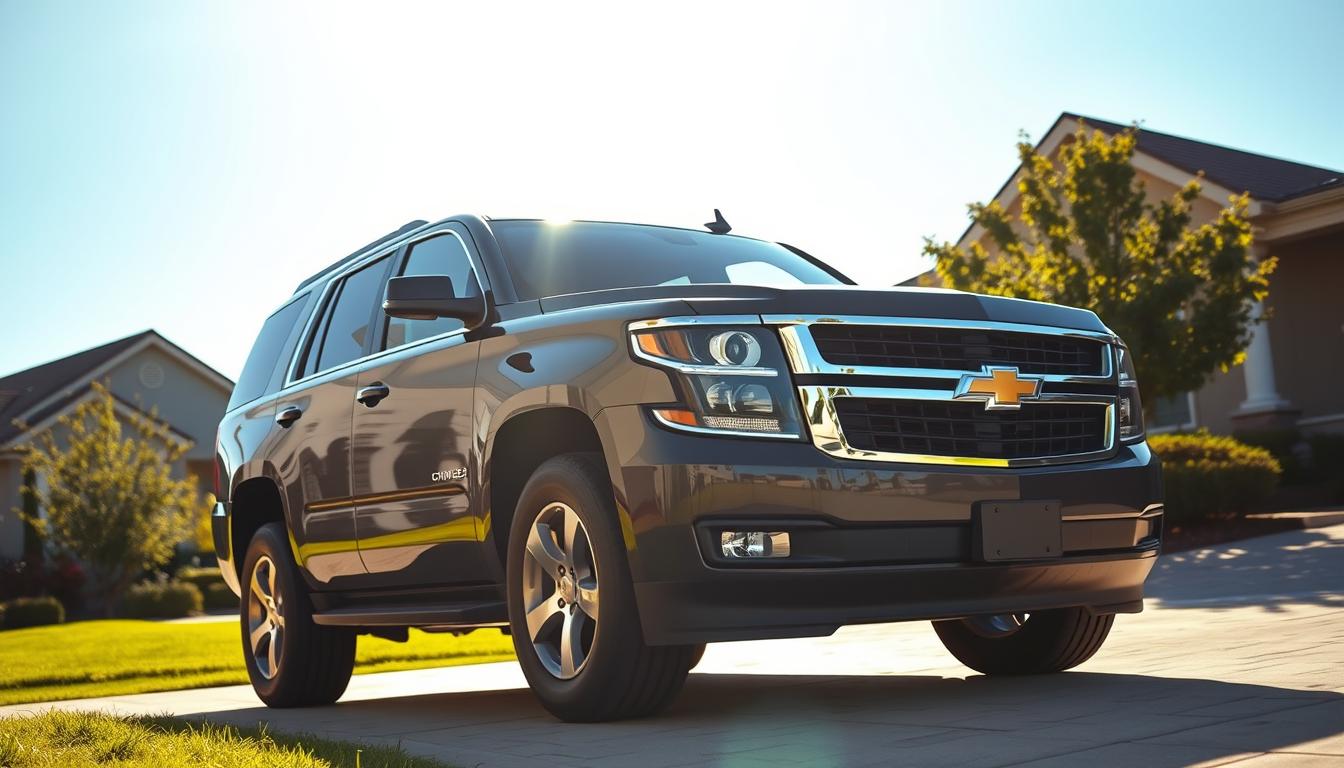
Some owners of 2015+ models report well over 100,000 miles with no trouble. But the early AFM years (2007–2014) are still high risk.
Credit: vehiclefixation.com
Real-world Owner Stories
A 2010 Silverado owner reports: “At 92,000 miles, the engine started knocking. Dealer said AFM lifter collapsed. Cost $3,100 to fix. If I’d known, I’d have bought the V6 instead.”
A 2008 Tahoe owner says: “It burned a quart of oil every 800 miles. I had to check oil at every fill-up. Eventually, it threw a rod and destroyed the engine.”
A 2016 Silverado owner adds: “I’ve had no issues at 135,000 miles. I change oil every 5,000 miles and use a Range AFM disabler.”
These stories show the huge difference maintenance and luck can make.
Should You Avoid All Chevys With Cylinder Deactivation?
Not always. If you need a used truck or SUV and cylinder deactivation is unavoidable, focus on:
- 2015 and newer models (improved reliability)
- Low-mileage, well-maintained examples
- Service records showing frequent oil changes
- Engines without AFM/DFM (if possible)
Many fleet vehicles, work trucks, or base models came with old-style V8s or V6s. These may be harder to find, but are often worth the search.
Alternatives To Chevy Afm/dfm Engines
If you’re worried about cylinder deactivation, consider these options:
- Toyota Tundra or Sequoia: No cylinder deactivation, proven V8 reliability.
- Ford F-150 (5.0L V8): No cylinder deactivation until 2021, and less problematic.
- Ram 1500 (5.7L Hemi): Uses a similar system (MDS), but with fewer reports of major failures.
- Older Chevy models: 2006 and earlier V8s do not use AFM.
How To Shop Smart For A Used Chevy
If you’re still set on a used Chevy truck or SUV, here’s how to minimize your risk:
- Ask the seller: Has AFM/DFM ever been disabled or repaired? Why?
- Get a pre-purchase inspection: A mechanic can check for noise, codes, and oil level.
- Check Carfax or AutoCheck: Look for engine repairs, oil consumption complaints, or repeated service visits.
- Avoid high-mileage 2007–2014 V8s: These are most likely to have hidden AFM problems.
- Budget for possible repairs: If you buy an at-risk year, keep $2,000–$4,000 in reserve for engine work.
The Cost Of Cylinder Deactivation Problems
Major AFM/DFM failures are not cheap. Here’s what you might expect to pay:
| Repair Type | Typical Cost (USD) | Notes |
|---|---|---|
| Lifter replacement (one side) | $1,500–$2,500 | May require removing cylinder heads |
| Full lifter/cam job | $3,000–$4,500 | Complete top-end rebuild |
| Engine replacement | $5,000–$8,000+ | New or rebuilt engine needed |
| AFM/DFM delete kit | $300–$800 (parts only) | May require tune, not always street legal |
Insurance and warranties rarely cover these repairs unless you have a special policy.
Non-obvious Insights For Used Chevy Buyers
- Dealers Sometimes Disable AFM/DFM Before Sale: Some used car dealers or previous owners use plug-in devices or software to “turn off” AFM/DFM. This can hide symptoms temporarily, but doesn’t fix underlying engine wear. Ask for proof of all engine repairs, not just a smooth test drive.
- AFM Issues Often Start Small: Early signs, like a little oil burning or a faint tick, can lead to full failure if ignored. Many owners report years of minor symptoms before a sudden, expensive breakdown.
- Aftermarket Solutions Can Help, But Not Always: Products like Range AFM disablers or custom engine tunes can reduce wear, but if damage is already done, these won’t reverse it.
- Certain States Have Stricter Emissions Laws: California, New York, and others may not allow AFM/DFM delete kits, making some “fixes” illegal.

Credit: www.youtube.com
Frequently Asked Questions
What Does Afm/dfm Mean On A Chevy Engine?
AFM stands for Active Fuel Management, and DFM means Dynamic Fuel Management. Both are Chevy’s cylinder deactivation systems that temporarily shut off some engine cylinders to improve fuel economy. AFM is an older system (2007–2018), while DFM is newer (2019+).
Can I Disable Cylinder Deactivation On My Chevy?
Yes, you can disable AFM/DFM with a plug-in device or custom engine tune. However, this may void your warranty, affect emissions, and is not legal in all states. Always check local laws before disabling any emissions equipment.
Is The 5.3l Chevy V8 With Afm Reliable?
The 5.3L V8 with AFM from 2007–2014 has a reputation for oil consumption, lifter failure, and expensive repairs. Later models (2015+) are improved, but the early years are best avoided if you want maximum reliability.
How Do I Know If My Chevy Has Cylinder Deactivation?
Check your owner’s manual, look for “Active Fuel Management” or “Dynamic Fuel Management” badges, or search your engine code online. Most 5. 3L and 6. 2L V8s from 2007 onward have AFM or DFM, except for some base/fleet models.
Where Can I Find More Information About Cylinder Deactivation?
You can learn more from official GM resources and owner forums. For technical details, visit the Active Fuel Management Wikipedia page.
Chevy’s cylinder deactivation engines deliver real fuel savings, but some years come with high risks. If you’re buying used, focus on newer models, verify maintenance history, and don’t ignore small warning signs. With careful shopping, you can enjoy your Chevy for years—without unwanted surprises.