The Chevrolet Suburban is one of America’s most iconic SUVs. It’s big, bold, and built for families or anyone who needs serious cargo space. Over the decades, the Suburban has gained a reputation for reliability and comfort. But not every year is equal.
Some models have hidden problems that can cost owners thousands in repairs. If you’re thinking about buying a used Chevrolet Suburban, knowing which years to avoid is essential.
This guide covers everything you need to make a smart decision. You’ll learn about the worst Suburban years, the reasons behind their problems, and how to spot trouble before you buy. We’ll also look at the best alternatives, offer practical buying tips, and answer common questions.
Whether you’re a first-time buyer or a Suburban fan, this article will help you avoid costly mistakes.
Why Some Chevrolet Suburban Years Are Risky
The Suburban has been around since 1935. Over time, GM (General Motors) has improved the model, but not every change was successful. Some years are known for mechanical failures, electrical issues, or poor build quality. These problems often come from rushed redesigns, new technology that wasn’t fully tested, or cost-cutting decisions.
Key reasons certain years are worse:
- Major redesigns: New generations sometimes bring fresh problems.
- Engine or transmission changes: Not all upgrades work as planned.
- Supplier issues: Cheaper parts can mean more breakdowns.
- Quality control slips: When GM focuses on cost, reliability can drop.
These issues aren’t always obvious. Many buyers focus on looks or features, not reliability. But a stylish SUV isn’t helpful if it spends more time in the shop than on the road.
The Suburban Years To Avoid
Based on data from Consumer Reports, J.D. Power, owner forums, and recall history, several Suburban model years stand out as problematic. Let’s look at the worst offenders and what makes them risky.
1. 2007 Chevrolet Suburban
The 2007 model kicked off the tenth generation. It brought new styling, updated engines, and more technology. But many buyers faced unexpected problems.
Common issues:
- Engine problems: The 5.3L V8 suffered from oil consumption and lifter failures.
- Transmission failures: Early failure rates were high, especially for the 4L60E automatic.
- Electrical glitches: Door locks, window controls, and dashboard lights often malfunctioned.
- Interior quality: Cheap plastics and loose fittings led to rattles and broken trim.
Repair costs are high. Engine rebuilds can reach $3,000 or more, and transmission repairs often cost over $2,500. Owners also reported poor fuel economy and noisy cabins.
2. 2008 Chevrolet Suburban
The 2008 model continued the problems of 2007, with few improvements.
Notable problems:
- Engine “knocking”: Many owners complained about ticking or knocking noises at startup.
- Transmission shudder: Gear changes felt rough, and slipping was common.
- Paint quality: Peeling and fading paint appeared after just a few years.
- Fuel system issues: Faulty fuel pumps led to stalling and hard starts.
Repair bills remained high. Paint repairs alone can cost $1,000-$2,000, and fuel system fixes often run $500-$1,200.
3. 2015 Chevrolet Suburban
The 2015 model launched the twelfth generation with new styling and features. However, it brought serious reliability issues.
Main concerns:
- Electrical system failures: Keyless entry, power seats, and infotainment screens stopped working unexpectedly.
- AC and heating problems: Climate control units failed, sometimes needing expensive replacements.
- Transmission issues: The 6-speed automatic was prone to rough shifting and early failure.
- Suspension problems: Magnetic Ride Control shocks leaked or malfunctioned.
Many owners faced repair costs of $1,500-$3,500 for electrical and suspension fixes. The 2015 Suburban had over 10 recalls, including for airbags and seat belts.
4. 2016 Chevrolet Suburban
Problems from 2015 carried over into 2016, with only minor improvements.
Key problems:
- AC system failures: Compressor and condenser issues led to loss of cooling.
- Transmission hesitation: Owners reported delayed shifting and slipping gears.
- Interior electronics: Touchscreens and control modules failed regularly.
- Steering issues: Power steering failures created unsafe driving conditions.
Repair costs for AC and steering can be $1,000-$2,000. Electrical fixes often cost $600-$1,800.
5. 2017 Chevrolet Suburban
The 2017 model still had many reliability concerns, especially with electronics and drivetrain.
Frequent issues:
- Infotainment malfunctions: Screens froze or stopped working.
- Transmission jerking: Shifting was rough, with reports of early transmission failure.
- Brake problems: Soft pedal feel and uneven braking were common.
- Interior quality: Trim pieces broke or rattled.
Owners paid $1,200-$2,800 for transmission repairs and $300-$700 for brake fixes.
6. 2019 Chevrolet Suburban
The 2019 model improved, but still had notable issues.
Main problems:
- Electrical glitches: Bluetooth, navigation, and sensors often failed.
- Suspension trouble: Magnetic Ride shocks leaked or stopped working.
- Paint defects: Chipping and clear coat peeling appeared after 2-3 years.
- AC failures: Compressors and condensers needed replacement.
Repair costs were $1,000-$2,500 for electrical and suspension fixes.
7. 2021 Chevrolet Suburban
The 2021 model saw a major redesign, but new technology brought fresh problems.
Major concerns:
- Electronic system failures: Touchscreens, cameras, and sensors malfunctioned.
- Transmission issues: The new 10-speed automatic was prone to hesitation and rough shifts.
- Suspension faults: Air suspension components failed, leading to expensive repairs.
- Software bugs: Updates caused infotainment and safety features to stop working.
Repair bills for electronics and suspension can reach $2,000-$4,000.
Summary Table: Problem Years And Key Issues
Here’s a quick comparison of the worst Suburban years:
| Model Year | Main Issues | Estimated Repair Cost | Recalls |
|---|---|---|---|
| 2007 | Engine, transmission, electrical | $2,500–$4,000 | 9 |
| 2008 | Engine knocking, paint, fuel system | $1,500–$3,000 | 7 |
| 2015 | Electrical, AC, transmission, suspension | $1,500–$3,500 | 10 |
| 2016 | AC, transmission, electronics, steering | $1,000–$2,500 | 8 |
| 2017 | Infotainment, transmission, brakes | $1,200–$2,800 | 7 |
| 2019 | Electrical, suspension, paint, AC | $1,000–$2,500 | 5 |
| 2021 | Electronic systems, transmission, suspension | $2,000–$4,000 | 6 |
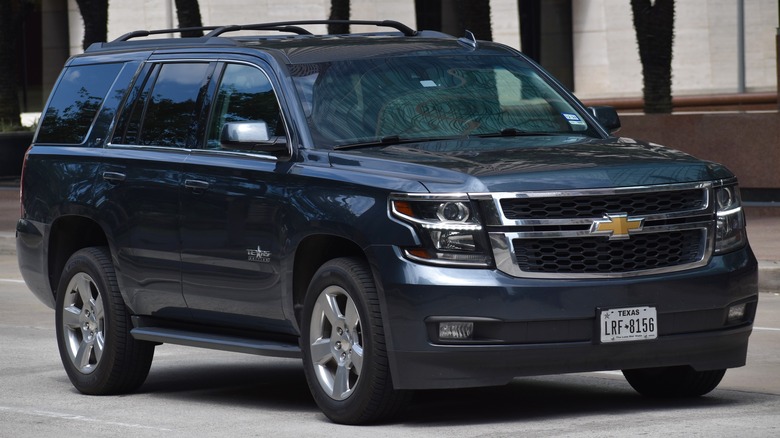
Credit: www.slashgear.com
What Makes These Years So Problematic?
Not every Suburban with these model years will fail. But some issues are so common that buying one is risky. Let’s break down the main reasons:
Engine And Transmission Failures
The Suburban’s engines are strong, but certain years saw oil consumption, lifter failures, and timing chain issues. Transmission problems like rough shifting, slipping, or early failure are expensive to fix. GM sometimes used new designs that weren’t fully tested, leading to widespread breakdowns.
Electrical And Electronic Problems
Modern Suburbans have advanced electronics—touchscreens, cameras, sensors, and control modules. When these fail, repairs are costly and sometimes hard to diagnose. Some years had faulty wiring, weak modules, or software bugs that affected daily driving.
Suspension And Steering Issues
Suburbans with Magnetic Ride Control or air suspension offer comfort, but when these systems fail, repairs can cost thousands. Leaking shocks, failed compressors, or faulty steering racks are common in certain years.
Interior And Paint Quality
Chevrolet sometimes cut corners on materials. Cheap plastics, weak trim, and poor paint quality led to broken interior pieces and faded exteriors. These aren’t just cosmetic—they can affect resale value and comfort.
High Recall Rates
Many problematic Suburban years had multiple recalls. This means GM knew about safety or quality issues, but fixes didn’t always solve the underlying problems.
How To Spot Problem Suburbans Before Buying
If you’re shopping for a used Suburban, spotting a risky year can save you money and headaches. Here’s how to check:
1. Vin Check
Always run a VIN (Vehicle Identification Number) check. This tells you the car’s history, including accidents, recalls, and repairs. Use websites like Carfax or AutoCheck.
2. Inspect Recalls
Check the recall history for the model year. High recall numbers mean more risk. Visit the National Highway Traffic Safety Administration (NHTSA) website for details.
3. Inspect Engine And Transmission
Listen for knocking, ticking, or rough shifting during a test drive. These signs point to expensive repairs.
4. Test Electronics
Try every button, screen, and system. Make sure the AC, infotainment, cameras, and sensors all work. Electrical repairs are often hidden but costly.
5. Look For Paint And Interior Damage
Check for peeling paint, faded trim, and loose plastics. Poor quality often shows up after a few years.
6. Professional Inspection
Hire a mechanic for a pre-purchase inspection. They’ll spot issues you might miss.
Example Inspection Checklist
Here’s a simple checklist to use:
- Engine noise at startup
- Transmission smoothness
- AC and heating function
- Infotainment and electronics
- Suspension feel (no bouncing or knocking)
- Brake performance
- Paint and interior quality
- Check for recalls
Best Chevrolet Suburban Years To Buy
Not all Suburbans are risky. Some years are known for strong reliability, good build quality, and fewer complaints. If you want a safe bet, consider these models:
2009-2014 Chevrolet Suburban
These years improved on earlier problems. Engine and transmission reliability went up, electronics became more stable, and recalls dropped.
2018 Chevrolet Suburban
The 2018 model offers a good balance of features and reliability. Fewer complaints about electronics or drivetrain.
2020 Chevrolet Suburban
The 2020 model fixed many previous issues. Owners report strong reliability and comfort.
Comparison Table: Good Vs. Bad Suburban Years
Here’s a quick look at reliable years compared to risky ones:
| Model Year | Reliability Rating | Common Issues | Average Repair Cost |
|---|---|---|---|
| 2009 | Above Average | Minor electrical | $700–$1,500 |
| 2012 | High | Rare engine issues | $800–$1,200 |
| 2018 | Above Average | Minor suspension | $900–$1,400 |
| 2020 | High | Rare electronics | $800–$1,200 |
| 2015 | Below Average | Electrical, transmission | $1,500–$3,500 |
| 2016 | Below Average | AC, steering | $1,000–$2,500 |
Smart Buying Tips For Used Suburbans
Finding a good used Suburban isn’t just about avoiding bad years. Here are practical tips to help you get the best value:
1. Set A Realistic Budget
Include enough for repairs and maintenance. Suburbans are expensive to fix compared to smaller SUVs.
2. Check For Maintenance Records
Ask for service history. Regular oil changes and maintenance mean fewer surprises.
3. Test Drive Carefully
Drive in different conditions—city, highway, rough roads. Listen for odd noises, check for smooth shifting, and test all features.
4. Watch For Common Mistakes
Many buyers only check the exterior. Look deeper:
- Don’t ignore engine or transmission noises.
- Don’t skip electronic checks.
- Don’t trust a car without records.
5. Consider Certified Pre-owned
A certified pre-owned Suburban often comes with a warranty and inspection. This reduces risk, especially for newer models.
6. Negotiate Repairs
If you find issues, ask the seller to fix them or reduce the price. Use your inspection report as leverage.
Hidden Insights Most Buyers Miss
Even experienced buyers sometimes miss these points:
1. Cost Of Ownership Is Higher Than It Looks
Suburbans are large, heavy vehicles. Fuel costs, insurance, and maintenance are higher than midsize SUVs. For example, fuel economy can be as low as 15 mpg, and insurance premiums are often 20% higher.
2. Resale Value Drops Fast With Problem Years
Suburbans from bad years lose value quicker. If you buy a 2015 model, you might lose $5,000 more in resale compared to a 2018 model—even if both look good.
3. Tech Features Can Be Expensive To Fix
Touchscreens, cameras, and sensors seem nice, but repairs can cost thousands. If a used Suburban has a broken screen or sensor, don’t underestimate repair costs.
4. Aftermarket Parts May Not Solve Problems
Some owners try to fix issues with aftermarket parts, but this doesn’t always work. For example, replacing a faulty GM transmission with a cheaper unit can lead to new problems.
5. Not All Recalls Are Fixed
A recall doesn’t guarantee the issue was repaired. Check the VIN and ask for proof.
Alternatives To The Chevrolet Suburban
If you’re worried about Suburban reliability, consider other large SUVs. Some offer similar space and features with fewer complaints.
Ford Expedition
The Expedition is roomy, reliable, and strong. Models from 2015-2020 get high marks for reliability.
Toyota Sequoia
Sequoia offers great reliability, especially from 2011-2019. Maintenance costs are lower, and engine problems are rare.
Gmc Yukon Xl
The Yukon XL is similar to the Suburban but sometimes has better build quality. Models from 2014-2019 are solid choices.
Nissan Armada
Armada offers good value, though fuel economy is lower. Models from 2017-2020 are reliable.
Comparison Table: Suburban Alternatives
Here’s a quick look at competing large SUVs:
| Model | Reliability Score | Fuel Economy (mpg) | Max Cargo Space (cu ft) | Typical Repair Cost |
|---|---|---|---|---|
| Ford Expedition | High | 17–23 | 104.6 | $800–$1,500 |
| Toyota Sequoia | Very High | 13–17 | 120.1 | $700–$1,200 |
| GMC Yukon XL | Above Average | 14–20 | 121.7 | $900–$1,400 |
| Nissan Armada | Average | 14–19 | 95.4 | $1,000–$1,600 |
| Chevrolet Suburban (2016) | Below Average | 16–23 | 121.7 | $1,000–$2,500 |
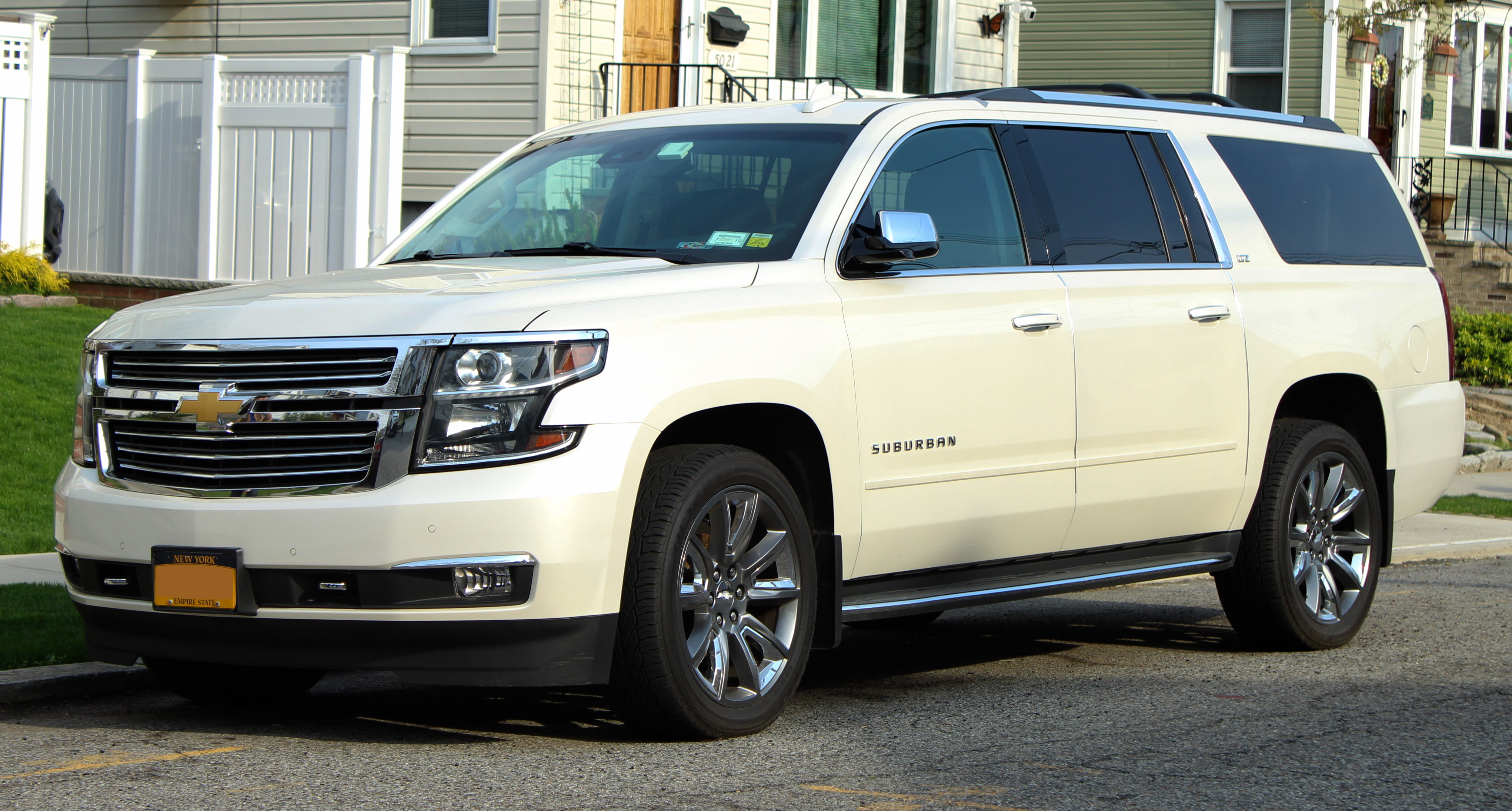
Credit: www.copilotsearch.com
Frequently Asked Questions
Which Suburban Years Are The Worst For Reliability?
The most problematic years are 2007, 2008, 2015, 2016, 2017, 2019, and 2021. These models have frequent engine, transmission, and electronic issues.
What Are The Most Expensive Suburban Repairs?
The most expensive repairs are engine rebuilds, transmission replacements, and suspension fixes. These can cost $2,500–$4,000, especially for newer models.
Are Newer Suburbans More Reliable?
Not always. While some newer models fixed past issues, the 2021 Suburban brought new electronic and transmission problems. Models from 2020 are more reliable than 2015–2017, but always check for recalls.
How Do I Check If A Suburban Has Recall Issues?
Use the VIN to search on the NHTSA website or ask the seller for recall repair documents. Make sure all recalls were completed.
What Is The Best Alternative To A Risky Suburban?
The Ford Expedition and Toyota Sequoia are top alternatives. They offer strong reliability, similar size, and lower repair costs. Consider them if you’re worried about Suburban problems.
Final Thoughts
Choosing a used Chevrolet Suburban is a big investment. The wrong model year can mean high repair bills, poor reliability, and lost resale value. By avoiding the worst Suburban years, inspecting carefully, and considering alternatives, you’ll save money and enjoy a better driving experience. Remember, looks and features don’t tell the whole story—reliability, repair costs, and owner history matter most. Stay smart, do your research, and you’ll find the Suburban (or alternative) that fits your needs.
For more details on Suburban generations and reliability data, visit Wikipedia.
Credit: www.copilotsearch.com