

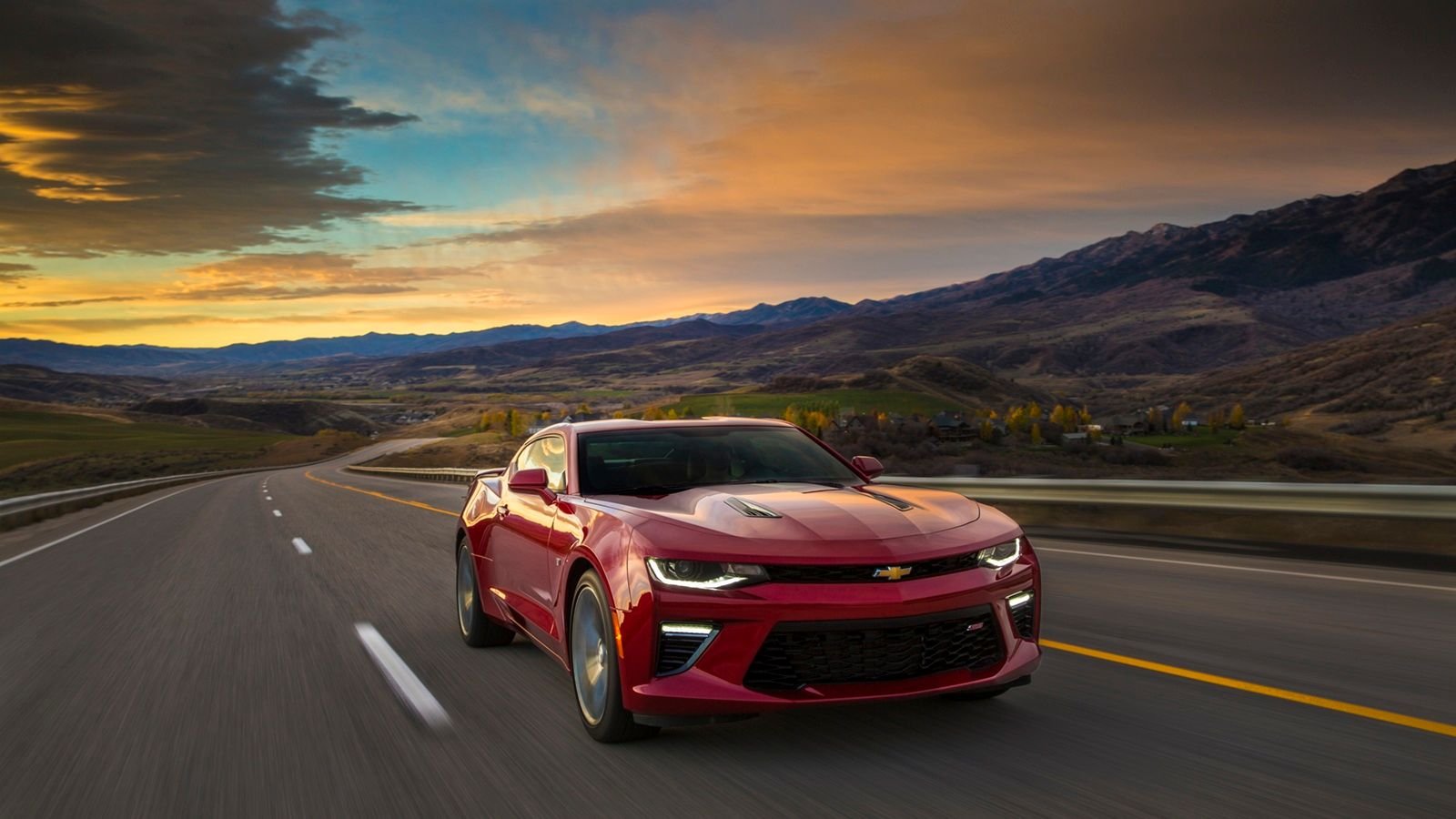
The Chevrolet Camaro is an icon of American muscle cars. Since its debut in 1966, millions have dreamed of owning this powerful coupe. The Camaro offers speed, style, and a unique driving experience. But not every Camaro year is a winner.
Some models have serious problems, high costs, or disappointing performance. If you’re thinking about buying a used Camaro, knowing which years to avoid can save you money, frustration, and regret.
This guide gives you clear, detailed advice on Camaro years to avoid. We’ll cover the worst years, explain what went wrong, and share real examples. You’ll also learn what to check before buying and which years are safe bets. If you’re a car lover, a first-time buyer, or just curious, this article will help you make a smart choice.
Why Some Camaro Years Are Risky
Not all Camaros are built the same. Some years stand out for mechanical issues, bad reliability, or poor design choices. Automakers sometimes release new generations without solving early problems. Other times, cost-cutting leads to weak parts. When many owners report the same problems, those years become ones to avoid.
Common warning signs include:
- Frequent engine or transmission failures
- Expensive repairs
- Safety recalls
- Poor resale value
- Negative owner reviews
A few bad years can damage the reputation of the whole brand. But with the right information, you can avoid the worst mistakes.
Camaro Generations Overview
The Camaro has five main generations, each with its own strengths and weaknesses. Here’s a quick look:
| Generation | Years | Highlights |
|---|---|---|
| First | 1967–1969 | Classic muscle, collector’s favorite |
| Second | 1970–1981 | Retro style, mixed reliability |
| Third | 1982–1992 | Lighter, modern tech, quality issues |
| Fourth | 1993–2002 | Powerful V8s, some weak years |
| Fifth | 2010–2015 | Retro comeback, new problems |
| Sixth | 2016–2024 | Modern tech, better quality |
The worst Camaro years are often in the third, fourth, and fifth generations. These are the years most people regret.
The Worst Camaro Years To Avoid
Some Camaros are best left alone. Let’s look at the most problematic years, why they’re bad, and what owners say.
1982–1985: Third-gen Growing Pains
The third-generation Camaro brought a fresh look and lighter body. But early models, especially 1982, 1983, 1984, and 1985, are known for serious issues.
Key Problems:
- Weak engines: The base 2.5L “Iron Duke” was underpowered and unreliable. Many needed engine rebuilds before 100,000 miles.
- Electrical failures: Early digital dashboards often stopped working. Power windows and locks failed often.
- Rust: Poor rustproofing led to major body rot, especially in northern states.
- Transmission issues: The 700R4 automatic transmission had a high failure rate in these years.
Real Example: Many owners report spending $2,000–$3,000 on repairs within two years of purchase. Some ended up junking their Camaros.
Non-obvious insight: Even well-kept third-gens from these years can have hidden electrical problems. Fixing a digital dash can cost more than $1,000, and replacements are rare.
1995–1997: Lt1 Engine Headaches
Fourth-generation Camaros brought more power. The 1995, 1996, and 1997 models with the LT1 V8 are known for reliability issues.
Key Problems:
- OptiSpark ignition: The OptiSpark distributor sits below the water pump. If a seal fails, water leaks and ruins the ignition system. Replacement can cost $1,000+.
- Cooling system failures: Radiator and water pump leaks are common, leading to overheating.
- Electrical gremlins: Owners report failing window motors and faulty sensors.
- Interior quality: Cheap plastics break, rattle, and fade quickly.
Real Example: An owner with a 1996 Camaro Z28 had to replace the OptiSpark three times in five years. Each repair cost over $1,200.
Non-obvious insight: The LT1’s OptiSpark is notorious among mechanics. Even upgraded parts don’t always solve the moisture problem.
2010–2011: Fifth-gen Teething Troubles
When the Camaro returned in 2010, the hype was huge. But the 2010 and 2011 models had more recalls and complaints than later years.
Key Problems:
- Timing chain failures: The V6 LLT engine (2010–2011) had timing chains that stretched or broke as early as 40,000 miles. Repairs can reach $2,500.
- Steering issues: Many 2010 and some 2011 Camaros had steering loss while driving, sometimes requiring rack replacement.
- Electrical faults: Problems with radio, door locks, and traction control appeared often.
- Paint quality: Chipping and peeling paint was reported by hundreds of owners.
Real Example: NHTSA received over 400 complaints about the 2010 Camaro in its first three years, mostly about engine and steering failures.
Non-obvious insight: The early V6’s direct injection system is expensive to maintain and sensitive to poor-quality fuel. Dirty injectors can cause rough idling and misfires.
2013–2014: Transmission And Electronics
While most fifth-generation Camaros improved after 2012, the 2013 and 2014 models had their own problems.
Key Problems:
- Automatic transmission failures: Many 2013–2014 Camaros with the 6-speed automatic had torque converter and clutch problems. This led to shuddering, slipping, and expensive repairs.
- Infotainment glitches: The MyLink touchscreen system often froze, crashed, or lost Bluetooth connection.
- Recall for airbags: Some 2014 models were recalled for airbag wiring faults, which could stop airbags from deploying in a crash.
Real Example: Some owners faced $3,000 transmission rebuilds before reaching 70,000 miles.
Non-obvious insight: The 2013–2014 Camaro’s paint is softer than older models. It scratches easily, and many owners report premature fading.
2016: First Year Of The Sixth Generation
The 2016 Camaro marked a big redesign with lighter weight and new engines. But, as with many first-year models, early production brought headaches.
Key Problems:
- Transmission shudder: The 8-speed automatic sometimes “shudders” or shakes during acceleration. GM released several service bulletins, but fixes are not always permanent.
- Turbo 4 reliability: The new 2.0L turbo four-cylinder had oil leaks and turbo failures. Parts are expensive.
- Infotainment system bugs: Touchscreens would freeze or stop working.
- Build quality issues: Owners found rattles, squeaks, and misaligned panels.
Real Example: One owner had his 2016 Camaro in the shop five times in the first year for transmission and infotainment problems.
Non-obvious insight: The 2016 Camaro uses “alpha” chassis electronics, which are sensitive to battery voltage drops. Low voltage can cause random warning lights and limp mode.
Why Do These Years Stand Out?
Some Camaros are bad because of design flaws, while others suffer from cheap materials or rushed production. Sometimes, GM released a new engine or technology before it was reliable. Early adopters paid the price in breakdowns and high costs.
A comparison of complaints helps show the worst years:
| Year | Most Common Issue | Approx. Repair Cost | Owner Complaints (NHTSA) |
|---|---|---|---|
| 1984 | Engine failure | $2,500 | 200+ |
| 1996 | OptiSpark failure | $1,200 | 150+ |
| 2010 | Timing chain | $2,000 | 400+ |
| 2014 | Transmission | $3,000 | 120+ |
| 2016 | Transmission shudder | $2,500 | 100+ |
Older Camaros (1967–1979) are not included because most are now collector’s cars. Their value and condition depend more on restoration than original build quality.
Other Camaro Years To Be Cautious About
Some years aren’t as bad as the worst, but still have enough problems to be cautious. These include:
- 1986–1987: More reliable than early third-gens, but still have rust and electrical issues.
- 1993–1994: First years of the LT1 V8, with teething problems and weak interior.
- 2000–2002: Fourth-gen Camaros had head gasket leaks and cheap interiors, but usually improved reliability.
- 2012: Some V6s had water pump failures and steering rack issues.
If you find a great deal on these years, get a full inspection before buying.
Camaro Years With Recalls And Safety Problems
While most Camaros are fun to drive, some years had serious recalls for safety. The worst include:
- 2010–2011: Steering loss could cause accidents. Over 100,000 cars recalled.
- 2014: Airbag wiring faults could stop airbags from working.
- 2016: Transmission shudder could reduce control.
Always check if a used Camaro has had all recall work done. You can search the VIN on the official NHTSA site.

Credit: www.pauletteauto.com
What To Look Out For When Buying A Used Camaro
Avoiding the worst years is smart, but even good Camaros need careful inspection. Here’s what to check before buying:
- Engine health: Listen for knocking, ticking, or rough idle. Check for oil leaks under the car and around the engine.
- Transmission: Test drive at different speeds. If the car shudders, slips, or hesitates, walk away.
- Electrical systems: Try all windows, locks, and lights. Make sure the radio, gauges, and infotainment work.
- Rust: Look under the doors, around the wheel wells, and at the rear quarter panels.
- Suspension and brakes: Listen for clunks or squeaks. Worn bushings and shocks are common in older Camaros.
- Interior condition: Check seats, dash, and door panels for cracks or fading.
- Recalls and service records: Ask for proof of recall work and regular maintenance.
- VIN check: Always run a VIN check for accidents or salvage history.
Pro tip: Bring a mechanic with you or pay for a pre-purchase inspection. This can save you thousands in surprise repairs.
What Makes A “bad” Camaro Year?
It’s not just about the number of repairs. A bad Camaro year is one where:
- Parts are expensive or hard to find
- Problems appear early and repeat
- Resale value is low
- Owner satisfaction is poor
A car with one small issue is not a “bad” year. But if thousands of owners complain about the same failures, it’s a clear warning.
Which Camaro Years Are Safe Bets?
If you want a Camaro but want to avoid trouble, here are the best years by generation:
- 1998–1999: LS1-powered fourth-gens are strong, fast, and reliable with regular care.
- 2012, 2015: Later fifth-gens fixed most problems.
- 2017–2022: Sixth-gen Camaros have modern tech and few major issues.
Why these years? They have fewer recalls, lower repair costs, and better owner reviews. They’re also easier to resell.
Common Buyer Mistakes
Many Camaro buyers make the same costly mistakes. Here’s what to avoid:
- Chasing the lowest price: Cheap Camaros often hide big problems. Saving $1,000 up front can cost $5,000 in repairs.
- Ignoring maintenance history: A Camaro without records is a risk. Regular oil changes and repairs matter.
- Skipping the test drive: Always drive at highway speed, in traffic, and over bumps.
- Buying the first car you see: Compare several Camaros before deciding.
- Falling for “modded” cars: Heavily modified Camaros are often abused and less reliable.
Insight: Camaros with few owners and clean records hold their value better. Avoid ex-rental or auction cars.
How To Find A Reliable Camaro
Follow these tips to get the best Camaro for your money:
- Focus on well-kept cars: Look for Camaros with full records, clean interiors, and no warning lights.
- Prefer stock over modified: Stock cars are easier to maintain and insure.
- Check for TSBs: Technical Service Bulletins show known problems and solutions.
- Shop in dry climates: Camaros from California or Texas usually have less rust.
- Ask about recalls: Make sure all recall work is done before buying.
Extra tip: Join Camaro forums or owner groups. You’ll find real advice and sometimes good deals from enthusiasts.
Camaro Years To Avoid: Quick Reference Guide
For fast reference, here are the Camaro years to avoid:
- 1982–1985 (third-gen, weak engines, rust, electrical)
- 1995–1997 (LT1 engine, OptiSpark, cooling)
- 2010–2011 (V6 timing chains, steering, recalls)
- 2013–2014 (transmission, infotainment, airbag)
- 2016 (first sixth-gen, transmission, turbo issues)
If you want a safe bet, look for 1998–1999, 2012, 2015, or 2017–2022 models.
Credit: ls1tech.com
Repair Costs: What To Expect
Some Camaro repairs are much more expensive than others. Here’s a quick look at major repairs for problem years:
| Model Year | Major Issue | Approx. Cost |
|---|---|---|
| 1984 | Engine rebuild | $2,500–$4,000 |
| 1996 | OptiSpark replacement | $1,000–$1,500 |
| 2010 | Timing chain | $2,000–$2,500 |
| 2014 | Transmission rebuild | $2,500–$3,500 |
| 2016 | Turbo failure | $2,000–$3,000 |
Insight: Some repairs are so costly that they exceed the car’s value. Know the risks before you buy.
Long-term Ownership: What To Know
Owning a Camaro is exciting, but it’s not always cheap. Fuel, insurance, and maintenance are higher than most sedans. Camaros from bad years can be even more expensive. Here’s what you should expect:
- Higher insurance: Especially for V8 models or young drivers
- Premium fuel: Most V8s require 91-octane gas
- Tire costs: Rear tires wear faster, especially if you enjoy spirited driving
- Frequent maintenance: Oil changes, brakes, and spark plugs are not cheap
Tip: Budget $1,000–$2,000 per year for maintenance and repairs, even on good years.
Should You Avoid All Old Camaros?
Not every old Camaro is a disaster. Well-maintained classics can be reliable and fun. But most problems come from neglect, rust, or poor repairs. If you want a classic, buy from an enthusiast or collector, not a bargain lot.
Insight: A Camaro that’s been garaged, maintained, and driven regularly is a better buy than one that sat for years.
The Role Of Recalls And Service Bulletins
Recalls fix safety defects for free, but not every owner gets them done. Technical Service Bulletins (TSBs) are instructions to dealers for known issues. Not all TSBs are free repairs, but they show what to expect.
You can look up recalls and TSBs for Camaros at the official NHTSA website.
Pro tip: Ask for proof of recall work before buying. Some sellers claim repairs were done but have no paperwork.

Credit: www.reddit.com
Camaro Vs. Mustang And Challenger: Are Problems Worse?
Muscle car fans often compare the Camaro, Mustang, and Challenger. Are Camaros more trouble-prone?
- Mustang: Early 2000s Mustangs had head gasket and transmission issues, but newer models are reliable.
- Challenger: The 2008–2014 Challenger had electrical and suspension issues.
- Camaro: More engine and transmission complaints in some years, but generally similar to rivals.
Insight: All muscle cars have some bad years. The key is knowing what to avoid.
Final Thoughts
The Chevrolet Camaro is a symbol of American power and style. But not every year is a winner. Some Camaros, especially from the 1980s, 1990s, and early 2010s, have serious problems that can ruin your ownership experience. By knowing which Camaro years to avoid, you can save money, drive with confidence, and enjoy every mile.
Always do your homework. Inspect the car, check its history, and don’t rush into a purchase. The right Camaro will give you years of fun—with less time in the shop.
Frequently Asked Questions
Which Camaro Year Has The Most Engine Problems?
The 2010 Camaro with the V6 engine is known for timing chain failures, often before 70,000 miles. Third-gen models from 1982–1985 also have weak and unreliable engines.
Are Fifth-generation Camaros Reliable?
Most fifth-gens (2012–2015) are reliable, but 2010 and 2011 had timing chain and steering issues. Always check for recall and repair history.
What Is The Best Year To Buy A Used Camaro?
The 2012, 2015, and 2017–2022 models are considered the most reliable. They have fewer complaints, better build quality, and modern features.
Is A Camaro Expensive To Maintain?
Maintenance is higher than a sedan. Expect to spend $1,000–$2,000 per year on repairs, tires, and fuel, especially for V8 models.
How Can I Check If A Camaro Has Had Recalls Fixed?
Use the VIN to search for recalls at the official NHTSA recall site. Ask the seller for paperwork showing completed recall work.