

If you love stylish cars with Italian flair, the Alfa Romeo Giulia is probably on your radar. This sedan has caught the eye of car enthusiasts worldwide since its launch in 2017. The Giulia offers sharp handling, powerful engines, and a design that stands out from the crowd. But owning an Alfa Romeo can be a mixed experience. Some model years shine with quality and reliability, while others have left owners frustrated by unexpected issues.
Knowing which Giulia years to avoid can save you time, money, and headaches. This guide dives deep into the Alfa Romeo Giulia’s history. You’ll learn which years are riskier, why certain models have more problems, and how to spot a great used Giulia. We’ll cover real-world data, owner feedback, and expert insights to help you make a confident choice.
Alfa Romeo Giulia: The Basics
The modern Alfa Romeo Giulia debuted in 2017. Since then, it has become the brand’s signature sedan, especially with the high-performance Quadrifoglio trim. People choose the Giulia for its:
- Sporty driving experience
- Distinctive Italian design
- Strong turbocharged engines
- Advanced safety features (later years)
- Competitive pricing in the luxury segment
But like many luxury cars, the Giulia’s reliability has varied. Early models, in particular, struggled with issues that later years improved upon. Understanding the car’s background helps explain why some years are riskier than others.
Notable Features Across Model Years
- 2017: Launch year, new platform, turbocharged engines, rear-wheel drive standard.
- 2018: Small updates, some software tweaks, still early in production.
- 2019: Introduction of more advanced infotainment options.
- 2020: Major interior refresh, better materials, improved electronics.
- 2021+: Added standard driver-assist features, further refinement.
Common Problems With The Alfa Romeo Giulia
Before pinpointing the years to avoid, it’s important to know which problems have affected the Giulia most often. Some issues are minor annoyances, while others can be expensive to fix.
Most Reported Issues
- Electrical system faults: Owners have reported random warning lights, failing sensors, and infotainment glitches.
- Transmission problems: Some Giulias experience rough shifting, delayed gear changes, or even transmission failure.
- Engine cooling: Overheating or coolant leaks have been seen, sometimes leading to severe engine damage.
- Brake wear and noise: Premature brake pad and rotor wear, as well as squeaking brakes.
- Build quality concerns: Early models sometimes had misaligned panels, rattles, or loose trim.
- Fuel system issues: In rare cases, problems with the fuel pump or fuel injectors caused stalling.
Not all cars experience these faults, but they appear more frequently in certain years. Let’s look closer at which years stand out—good and bad.
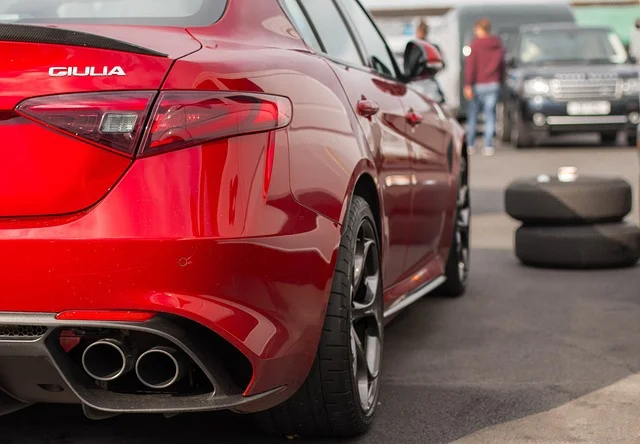
Credit: www.copilotsearch.com
Alfa Romeo Giulia Years To Avoid
Some Alfa Romeo Giulia model years are more likely to develop problems than others. This section explains which ones to watch out for, with data and examples.
2017 Alfa Romeo Giulia
Why avoid: The 2017 model was the Giulia’s first year in the U.S. market. Like many first-generation vehicles, it had several teething issues. Early production runs are often less reliable because automakers are still working out bugs.
Common complaints:
- Electronic glitches (infotainment freezing, warning lights)
- Transmission faults
- Water leaks into the cabin
- Poor interior build quality
- Engine stalling (in rare cases)
Owner feedback: Many 2017 owners reported frustration with unexpected repairs and frequent dealer visits. Some problems were fixed under warranty, but reliability concerns remain.
Real-world example: According to data from CarComplaints and owner forums, the 2017 Giulia has the highest number of complaints—especially relating to the electrical system and transmission.
2018 Alfa Romeo Giulia
Why avoid: The 2018 Giulia improved on some issues, but many early problems persisted. Alfa Romeo made some software updates, but hardware faults were still common.
Common complaints:
- Infotainment bugs
- Random warning lights
- Transmission lags or failures
- Brake noise and premature wear
Owner feedback: While a bit better than 2017, 2018 models still had too many reliability complaints compared to competitors.
Early 2019 Alfa Romeo Giulia
Why avoid: Some 2019 models, especially those built before summer, still suffered from earlier issues. Later 2019 cars are generally more reliable.
Common complaints:
- Minor electrical faults
- Brake squeal
- Occasional infotainment reboots
Owner feedback: Reports suggest the second half of 2019 saw improvements as Alfa Romeo addressed earlier flaws. Still, caution is advised with early 2019 builds.
Summary Table: Years To Avoid
The table below compares problem frequency for 2017–2021 Giulias based on owner reports and recall data.
| Model Year | Problem Frequency (out of 10) | Key Issues | Estimated Repair Cost (avg.) |
|---|---|---|---|
| 2017 | 8.5 | Electrical, transmission, build quality | $1,500 |
| 2018 | 7.5 | Infotainment, brakes, electronics | $1,200 |
| 2019 (early) | 6.0 | Brakes, electronics | $1,000 |
| 2019 (late) | 4.0 | Minor bugs | $700 |
| 2020–2021 | 2.0 | Minor/rare issues | $500 |
Key insight: If you want the most reliable Giulia, look for 2020 or newer. Avoid 2017–2018 models, and be careful with early 2019 cars.
Why Some Giulia Years Are More Reliable
Not every Alfa Romeo Giulia is risky. In fact, some years are quite dependable. The difference usually comes down to manufacturing improvements, software updates, and better quality control.
Alfa Romeo’s Learning Curve
When a new car debuts, even experienced automakers can miss small problems. The Giulia was Alfa’s first major U.S. sedan in decades, so early years had more faults. By 2020, Alfa Romeo had:
- Fixed many common electrical bugs
- Updated the infotainment system for stability
- Improved interior materials and fit
- Added new driver-assist features as standard
- Refined the transmission and engine controls
These changes led to fewer owner complaints and better reliability scores. Car reviews and owner surveys show a clear improvement, especially from the 2020 model year onward.
Comparison: Early Vs. Later Giulia Models
Here’s how early (2017–2018) and later (2020–2021) Giulias compare:
| Category | 2017–2018 Giulia | 2020–2021 Giulia |
|---|---|---|
| Reliability | Below average | Above average |
| Infotainment system | Buggy, outdated | Smoother, modern |
| Interior quality | Mixed, some cheap materials | Improved, better fit and finish |
| Safety features | Basic (optional extras) | Advanced (often standard) |
| Owner satisfaction | Lower | Higher |
Best Alfa Romeo Giulia Years
If you want a Giulia with fewer headaches, focus on the years with the best records. While no car is perfect, these models stand out for reliability.
2020 Alfa Romeo Giulia
What changed: The 2020 update brought a redesigned center console, better materials, and a much-improved infotainment system. Alfa also made driver assists like adaptive cruise control more common.
Why it’s better: Owner complaints dropped sharply. Many issues from earlier years were addressed, and build quality improved.
2021 And Newer
What changed: 2021 Giulias gained even more standard safety features and tech, plus fine-tuned engines.
Why it’s better: These are the most reliable Giulias yet. Most owners report only minor annoyances, not major breakdowns.
Late 2019 Models
Why they’re OK: Giulias built after mid-2019 benefit from updates and better quality control. Still, double-check the build date if you’re considering a 2019 car.
How To Identify Risky Giulia Models
Not every Giulia from a “bad” year is a lemon. If you’re shopping for a used car, here’s how to lower your risk.
Check The Vehicle Identification Number (vin)
The VIN can tell you the build date. For 2019 models, look for cars built after June or July.
Review The Service History
A well-maintained Giulia with all recalls and updates done is less risky, even from an earlier year. Ask for service records before buying.
Look For Recalls And Tsbs
Technical Service Bulletins (TSBs) are notices sent to dealers about common problems and fixes. Search for open recalls and TSBs on the car you want. The National Highway Traffic Safety Administration (NHTSA) site is a good resource.
Get A Pre-purchase Inspection
Always have a mechanic inspect the car before you buy. Alfa Romeos are complex, and small problems can become expensive quickly.
Ask The Seller About Past Issues
Honest sellers will share whether the car had major repairs, especially for transmission or electrical faults. Beware of vague answers.
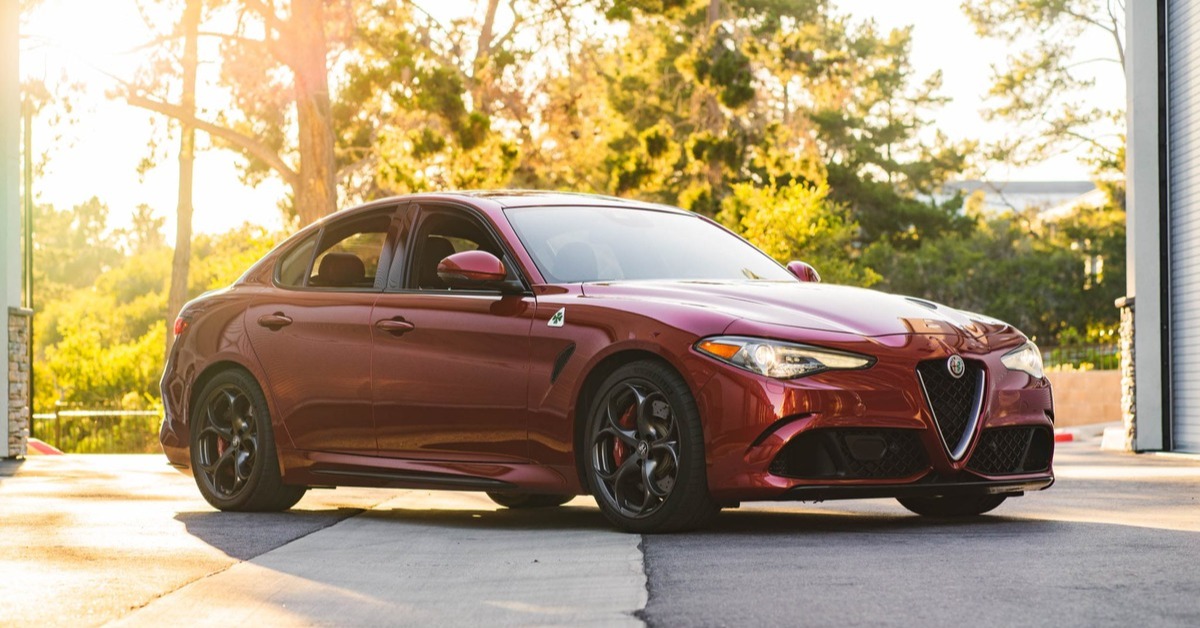
Credit: www.hotcars.com
Essential Tips For Buying A Used Alfa Romeo Giulia
A used Giulia can be a bargain, but you need to be careful. Here’s what experienced owners and mechanics suggest:
- Prioritize later model years (2020+ if possible).
- Avoid cars with incomplete service history.
- Check for warranty coverage—some Giulias have extended powertrain warranties.
- Beware of modified cars—tuning or aftermarket parts can cause reliability issues.
- Test every feature during your test drive, especially electronics and transmission.
Table: Used Giulia Buying Checklist
| Step | What to Check | Why It Matters |
|---|---|---|
| 1 | Model year and build date | Later years are more reliable |
| 2 | Service history | Shows how the car was maintained |
| 3 | Recalls/TSBs done | Ensures common issues are fixed |
| 4 | Test drive (all features) | Detects hidden problems |
| 5 | Mechanical inspection | Expert check for costly faults |
Hidden Pitfalls: What Most Buyers Miss
Even experienced car shoppers sometimes overlook these details:
Delayed Problems
Some Giulia issues, especially with electronics or the transmission, may not appear until after 30,000–40,000 miles. A car that seems fine at first might develop trouble later.
Software Updates
Many Giulia problems are fixed with software updates. But not all owners keep up with these. If the car’s infotainment or transmission software is outdated, you may face old bugs.
Warranty Coverage
Some repairs are covered only if the car is under warranty. Alfa Romeo’s basic warranty is 4 years/50,000 miles, but some powertrain warranties are longer. Always check what’s left before buying.
Insurance Costs
Giulias, especially the Quadrifoglio, can be expensive to insure due to their repair costs and performance. Get insurance quotes before you buy.
Real-world Owner Experiences
Let’s look at what real Alfa Romeo Giulia owners say about their cars. Owner forums and review sites provide valuable insights.
Positive Experiences
- Smooth ride and handling: Many owners rave about the Giulia’s sporty feel and sharp steering.
- Unique design: Owners love the attention they get and the car’s Italian looks.
- Performance: Even the base engine feels lively; the Quadrifoglio is a true sports sedan.
Negative Experiences
- Dealer support: Some owners feel that Alfa dealers aren’t as experienced as other luxury brands.
- Small problems add up: Multiple minor faults can make ownership stressful, even if each one isn’t serious.
- Resale value: Early Giulias, especially those with problems, have lower resale values.
Owner Quotes
- “My 2017 Giulia was a joy to drive—when it worked. Too many trips to the dealer for electrical gremlins.”
- “Bought a 2020 model, zero issues after 20,000 miles. The new interior is a big step up.”
- “Test-drove a 2018, then tried a 2021. The difference in tech and quality was night and day.”
How The Giulia Compares To Rivals
You may also be looking at other luxury sedans. Here’s how the Giulia stacks up in reliability and ownership experience.
Main Competitors
- BMW 3 Series
- Audi A4
- Mercedes-Benz C-Class
- Genesis G70
Reliability Comparison
- BMW 3 Series: Generally more reliable, but can have expensive repairs.
- Audi A4: Similar reliability to later Giulias, but more established dealer network.
- Mercedes-Benz C-Class: Comparable, but some years have known faults.
- Genesis G70: Very reliable, but less sporty than the Giulia.
Driving Experience
The Giulia is often called the most fun to drive in its class. If reliability is your only concern, some rivals are safer bets. If you want excitement, the Giulia stands out.

Credit: www.youtube.com
Should You Avoid The Alfa Romeo Giulia Completely?
No. While some years are risky, the Giulia can be a rewarding car if you pick the right model. Later years are much improved, and many owners are happy with their choice.
Key advice: Avoid early model years unless you find a well-maintained, low-mileage example at a great price. For daily driving with fewer worries, choose 2020 or newer.
Alfa Romeo Giulia Maintenance And Repair Costs
Luxury cars usually cost more to maintain. The Giulia is no exception, but it’s not the most expensive in its class.
Typical Maintenance Costs
- Oil changes: $120–$180
- Brake pads/rotors: $500–$1,200 per axle
- Transmission service: $350–$500
- Annual service (fluids, checks): $400–$700
Common Repair Costs
- Infotainment fix: $300–$900
- Transmission repair: $2,000–$5,000 (if out of warranty)
- Electrical faults: $200–$1,200
- Engine cooling system: $800–$2,000
Tip: Independent European car shops may charge less than dealers, but make sure they know Alfas.
Alfa Romeo Giulia Recalls And Safety Ratings
Recalls are not always a dealbreaker, but you should know what issues have been addressed.
Major Recalls (2017–2019)
- Electrical system recalls: Faulty software could cause warning lights or loss of power.
- Brake system recalls: Some models had brake fluid leaks or loss of braking assist.
- Fuel system recalls: Risk of stalling due to fuel pump issues.
Safety Ratings
- The Giulia earned good crash test scores from the IIHS and NHTSA in later years.
- Early Giulias had fewer advanced safety features, but 2020+ models often have them standard.
Always check that recalls have been completed before buying any used car.
Is The Alfa Romeo Giulia Right For You?
The Giulia is perfect for drivers who:
- Want a unique, sporty sedan
- Value style and handling over brand reputation
- Don’t mind higher maintenance costs for a more exciting drive
It may not be ideal if you:
- Need maximum reliability with zero hassle
- Drive very high miles each year
- Want the lowest possible cost of ownership
Frequently Asked Questions
How Long Does The Alfa Romeo Giulia Typically Last?
With proper care, a Giulia can last 120,000–150,000 miles or more. Later model years (2020+) are likely to reach these numbers with fewer major repairs. Early models may need more attention as they age.
Is The Alfa Romeo Giulia Expensive To Maintain?
Compared to mainstream cars, yes. Oil changes, brakes, and routine service cost more. However, the Giulia is similar in cost to other luxury sedans from BMW or Mercedes.
What Is The Most Reliable Alfa Romeo Giulia Year?
2020 and newer Giulias are the most reliable, thanks to improved electronics, better quality control, and more standard safety features.
Does The Giulia Have Any Major Engine Problems?
Engine problems are rare, especially after 2018. The most serious issues in early years were with electronics and the transmission, not the engines themselves.
Where Can I Find More Data About Alfa Romeo Giulia Recalls?
You can find official recall information at the NHTSA website, which lists all recalls and safety notices for the Giulia.
The Alfa Romeo Giulia can bring a lot of joy if you choose the right year. By avoiding 2017–2018 models, checking service records, and focusing on later years, you’ll reduce your risk and enjoy one of the most exciting sedans on the road.