

Choosing a used car should never feel like a gamble. For many drivers, the Acura TLX looks like a smart pick—luxury features, Honda reliability, and a sporty edge, all at a used-car price. But here’s the catch: not every TLX year is equally solid. Some model years shine with reliability and value, while others have left owners frustrated by costly repairs and recurring issues. If you want to avoid headaches, knowing which Acura TLX years to avoid—and which to target—is essential.
This guide will break down the years you should skip, explain the most common problems, and show you what to look for when shopping. Drawing on real-world owner reports, recall data, and expert analysis, you’ll get a clear, practical roadmap to a better used car experience.
Whether you care most about reliability, cost of ownership, or driving enjoyment, this article will help you make a confident choice.
What Makes A “year To Avoid” For The Acura Tlx?
Not every complaint means a disaster, and not every recall is a dealbreaker. But some Acura TLX years stand out for all the wrong reasons. Here’s what really matters when deciding which years to avoid:
- High repair rates: Years with more frequent or expensive repairs than average.
- Serious recalls: Recalls for major safety or drivability issues that might not be fully fixed.
- Owner dissatisfaction: Low ratings, common complaints, or patterns of frustration in owner forums.
- Costly fixes: Problems that require expensive parts or labor, such as transmission or engine failures.
These are the red flags you want to spot early. In the following sections, we’ll dig into the data and real-world stories to show exactly which TLX years you should think twice about.
Acura Tlx Overview: Model History And Generations
Before diving into the problem years, it helps to understand the Acura TLX timeline.
The TLX replaced both the Acura TL and TSX in 2015, aiming to blend comfort, performance, and value. There are two main generations:
- First Generation (2015–2020): This version features two engine options: a 2.4L inline-4 with an 8-speed DCT and a 3.5L V6 with a 9-speed automatic. It’s praised for comfort but criticized for transmission quirks.
- Second Generation (2021–present): Redesigned with sharper looks, better tech, and improved driving dynamics. A turbocharged 2.0L engine replaced the older options, and the sporty TLX Type S debuted with a 3.0L turbo V6.
Knowing which generation you’re shopping can help you anticipate what to expect—and what to watch out for.
Acura Tlx Years To Avoid: The Main Offenders
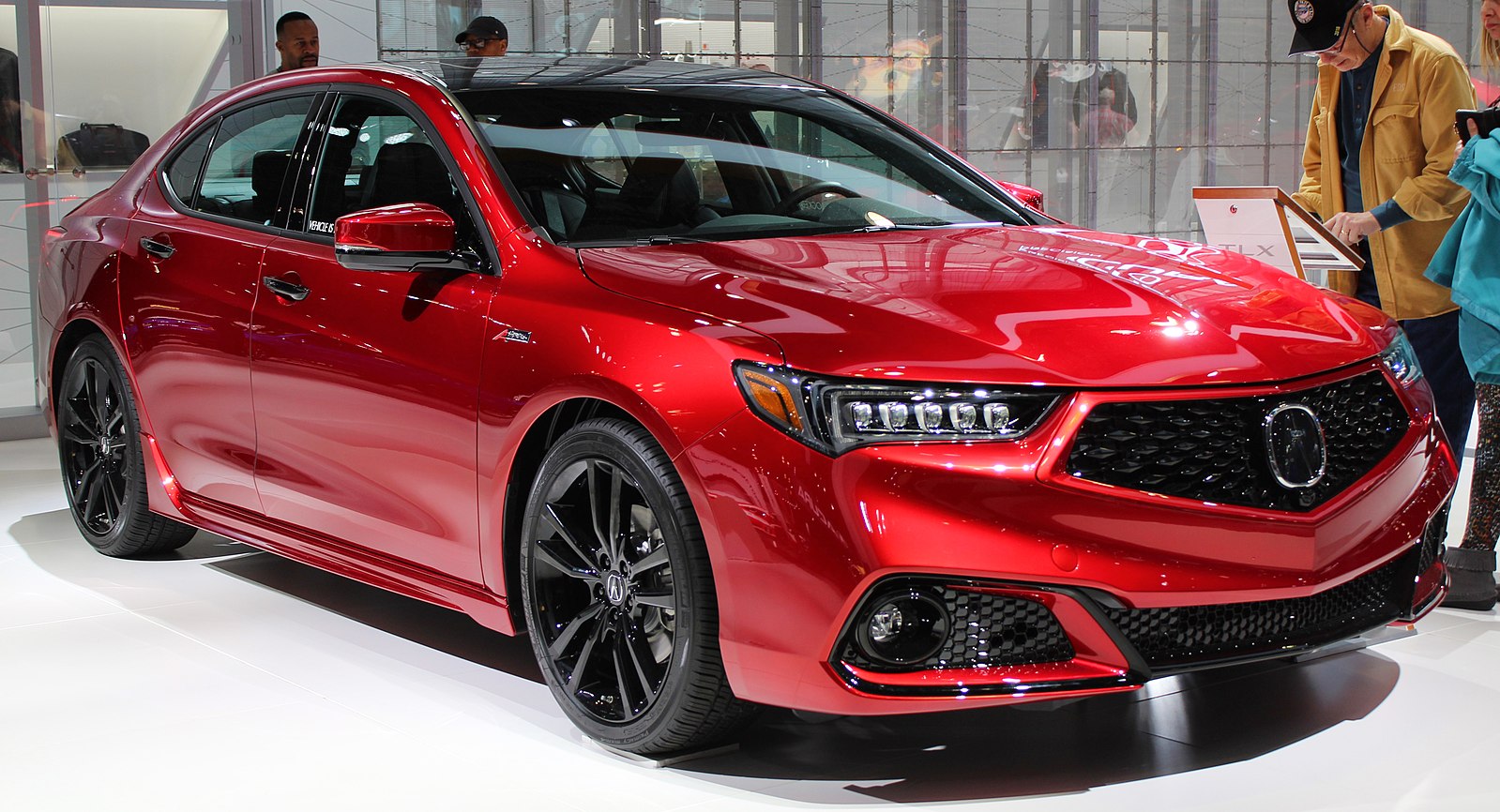
When it comes to years to avoid, three models stand out: 2015, 2016, and 2018. Here’s why these years are riskier, and what kinds of problems you’re likely to face.
2015 Acura Tlx: A Rocky Debut
The 2015 TLX was the first year of the model, and unfortunately, it shows. Early production years often have bugs as automakers iron out new designs and technology. For the 2015 TLX, these bugs affected both daily driving and long-term reliability.
Common issues include:
- Transmission problems: Many owners report jerky shifts, hesitation, and even complete transmission failure—especially in the V6 with the 9-speed automatic. Some repairs cost over $3,000.
- Infotainment glitches: The dual-screen system is prone to freezing, slow response, or refusing to pair with phones.
- Electrical issues: Random warning lights, faulty sensors, and battery drain problems appear more in this year than later models.
In addition, the 2015 TLX had a high number of recalls for transmission software, airbags, and electrical systems. While some updates helped, many owners report problems even after service. If you’re considering this year, be ready for potential headaches.
2016 Acura Tlx: Persistent Transmission Woes
The 2016 TLX carried over many problems from 2015, especially with the 9-speed automatic transmission. Despite software updates, many owners still report:
- Rough shifting: Hesitation, sudden jumps between gears, or “gear hunting.”
- Transmission warning lights: Leading to expensive diagnostics and repairs.
- Unintended acceleration or stalling: Rare, but serious, safety concerns.
While some improvements appeared after the first year, the 2016 model remains one of the most complained-about TLXs. The infotainment system and electrical gremlins are less common but still present.
2018 Acura Tlx: New Tech, New Problems
The 2018 TLX brought a refreshed look and upgraded tech, but also introduced new issues. This year, the main complaints center around:
- Infotainment system bugs: Bluetooth connection drops, laggy Apple CarPlay/Android Auto, and random restarts.
- Paint quality: Several owners note premature paint chipping or peeling, especially on the hood and roof.
- Transmission lag: While not as severe as 2015–2016, some drivers still mention slow or rough shifts.
Although not as notorious as the first two years, 2018 is a risky pick if you want a trouble-free ownership experience. You may also find more minor recalls compared to some years.
Comparison Of Acura Tlx Problem Years
To get a quick sense of which years have the most complaints and recalls, see the comparison below.
| Model Year | Major Problems | Total Recalls | Owner Complaints | Reliability Rating (out of 5) |
|---|---|---|---|---|
| 2015 | Transmission, Electrical, Infotainment | 9 | 260+ | 2.5 |
| 2016 | Transmission, Infotainment | 7 | 180+ | 2.8 |
| 2017 | Minor Transmission, Infotainment | 5 | 110+ | 3.2 |
| 2018 | Infotainment, Paint | 6 | 130+ | 3.0 |
| 2019 | Minor Electronics | 3 | 60+ | 3.8 |
| 2020 | Few Issues | 2 | 40+ | 4.0 |
The 2015 and 2016 models clearly stand out for problems and owner frustration, with 2018 also raising concerns, especially for tech-focused buyers.
Credit: www.copilotsearch.com
Most Reliable Acura Tlx Years: Safe Bets For Used Buyers
So which Acura TLX years are the best choices if you want peace of mind? Based on owner reports, expert reviews, and reliability data, the following years tend to offer the best experience:
- 2017 Acura TLX: Many early bugs were fixed, and transmission issues dropped. Owners report fewer costly repairs.
- 2019 Acura TLX: Most tech and mechanical problems from earlier years are resolved. High satisfaction and low complaint rates.
- 2020 Acura TLX: The final year of the first generation, with all known issues addressed. One of the most reliable TLXs on the used market.
- 2021–present Acura TLX: The new generation brings better driving dynamics and updated tech, with very few complaints so far.
If you find a well-maintained TLX from these years, you’re much less likely to face surprise repairs or frustrating glitches.
Common Acura Tlx Problems: What To Watch Out For
Even the best years have their quirks. Here’s a closer look at the most common Acura TLX problems, how serious they are, and what you can do about them.
Transmission Issues
The 9-speed automatic transmission (mostly in 2015–2016 V6 models) is the biggest sore spot. Owners report rough shifts, delayed acceleration, and sometimes failure to engage gears. Some symptoms include:
- “Thump” or jerk when shifting into drive or reverse
- Car hesitates before moving, especially from a stop
- Transmission warning lights or error codes
While software updates helped some vehicles, others required expensive replacements. If you’re considering a 2015–2016, have the transmission checked by a specialist.
Infotainment System Glitches
From 2015 to 2018, the dual-screen infotainment system is a frequent source of complaints. Issues include:
- Frozen screens or slow response
- Bluetooth and smartphone connection drops
- Navigation errors or random reboots
Many problems are software-based, but some owners had to replace hardware at significant cost. If tech features are important, test every function carefully before buying.
Electrical Gremlins
Random warning lights, sensor failures, and battery drain can pop up in the problem years. These issues are often intermittent and hard to diagnose, making them especially frustrating.
Paint And Interior Quality
Some 2018–2020 TLXs have premature paint chipping or clear coat failure, especially on horizontal surfaces. Interior trim can sometimes rattle or show early wear, though this is less common than mechanical problems.
Cost Of Ownership: Repairs And Maintenance By Year
To help you understand the real cost of owning an Acura TLX, here’s a comparison of typical repair and maintenance expenses by year.
| Model Year | Average Annual Repair Cost | Common Major Repair | Likelihood of Major Issue (%) |
|---|---|---|---|
| 2015 | $760 | Transmission Replacement | 18 |
| 2016 | $720 | Transmission Repair | 15 |
| 2018 | $620 | Infotainment System | 11 |
| 2019 | $550 | Minor Electrical | 6 |
| 2020 | $530 | Routine Maintenance | 5 |
It’s clear: the most problematic years (2015–2016) are also the most expensive to maintain.
How To Spot A Problem Acura Tlx: Buying Tips
Shopping for a used TLX? Here’s how to make sure you avoid the years—and cars—with the most risk.
- Check the VIN for recalls: Use the Acura or NHTSA website to see if all recalls have been completed. Unfixed recalls are a red flag.
- Test drive every feature: Pay special attention to transmission behavior and infotainment system performance. Any hesitation, jerkiness, or glitches should make you pause.
- Get a pre-purchase inspection: Ask a trusted mechanic—preferably one familiar with Acuras—to check the transmission, electronics, and underbody for signs of major work.
- Review service records: Regular maintenance is key. Avoid cars with gaps in their history or evidence of repeated major repairs.
Non-obvious Insight 1: Transmission Updates May Not Be Enough
Many sellers claim their TLX had the “software update” for the transmission. While this helps, it doesn’t guarantee a problem-free car. Some vehicles still develop mechanical issues after updates, so always test drive and inspect carefully.
Non-obvious Insight 2: Infotainment Problems Can Be Expensive
It’s tempting to ignore a slow or buggy infotainment system, but fixing these issues can cost over $1,000 if a hardware replacement is needed. Factor this into your budget, especially for 2015–2018 models.
Should You Avoid All First-generation Tlx Models?
Not necessarily. While the 2015 and 2016 are the riskiest, 2017–2020 models improved a lot thanks to updates and quality control. If you find a 2017 or newer with a clean history and maintenance records, it can be a smart buy—often at a better price than the latest generation.
Second-generation Tlx: Is It Worth The Premium?
The 2021–present TLX is a big step forward in design, handling, and tech. Initial reliability data is strong, with very few complaints so far. However, because these cars are newer, you’ll pay a premium compared to a late first-generation model.
If you want the latest features, sportiest drive, and best safety tech—and are willing to pay more—the second generation is the best TLX yet. For value, a 2019 or 2020 still makes sense.
Credit: rerev.com
Acura Tlx Vs. Competitors: How Does It Compare?
The TLX sits in a crowded field of midsize luxury sedans. Here’s a quick comparison with popular rivals.
| Model | Known Problem Years | Reliability Score (out of 5) | Average Repair Cost |
|---|---|---|---|
| Acura TLX | 2015, 2016, 2018 | 3.0 | $650 |
| Lexus ES | 2007–2008 (oil leaks) | 4.5 | $490 |
| Infiniti Q50 | 2014–2015 (steering/electronics) | 3.2 | $680 |
| BMW 3 Series | 2007–2011 (engine/electronics) | 3.0 | $950 |
| Audi A4 | 2009–2012 (oil consumption) | 2.8 | $920 |
The TLX sits in the middle for reliability and cost. While not as bulletproof as the Lexus ES, it’s more affordable to maintain than German rivals, and serious issues are mostly limited to a few problem years.
Common Buyer Mistakes When Shopping For A Used Acura Tlx
Avoid these pitfalls to get the best deal and the most reliable car:
- Ignoring the model year: Always check the VIN and confirm the exact year. Some sellers mislabel cars, especially for models launched late in the year.
- Overlooking software updates: Ask if recall and software updates for the transmission and infotainment system were performed. Get proof, not just a verbal assurance.
- Skipping a test drive: Some transmission and infotainment problems only appear after 20–30 minutes of driving. Don’t rush your inspection.
- Not budgeting for repairs: Even a “good” TLX can have out-of-warranty electronics or tech issues. Set aside at least $1,000 for unexpected repairs.
Credit: rerev.com
Real Owner Experiences: What Drivers Say
Reading owner reviews gives extra insight beyond statistics. Here’s what real drivers say about the TLX years to avoid:
- “My 2015 TLX V6 had the transmission replaced at 60,000 miles. Acura covered part of the cost, but I still paid over $1,500.”
- “The infotainment system in my 2018 TLX freezes at least once a week. Dealer says it’s a software bug with no fix yet.”
- “Bought a used 2016 TLX—transmission felt rough from the start. Traded it for a 2019 and haven’t had a single issue.”
These stories reinforce the patterns seen in recall and repair data. While some owners get lucky, the risk is clearly higher in the problem years.
Should You Still Consider The Acura Tlx?
The Acura TLX can be a smart, fun, and comfortable sedan—if you choose the right year. Avoiding the 2015, 2016, and 2018 models will dramatically reduce your risk. Later years offer better reliability and ownership costs, while the second generation brings modern tech and a more engaging drive.
If you’re willing to do your homework, get a thorough inspection, and budget for small repairs, a used TLX (especially from 2017 or later) can deliver luxury and value with fewer surprises. For those who want a worry-free experience above all, the 2019, 2020, or 2021+ models are best.
You can find more about vehicle recalls and reliability at the National Highway Traffic Safety Administration.
Frequently Asked Questions
Is The 2015 Acura Tlx A Bad Car To Buy?
The 2015 TLX is widely considered a risky choice due to major transmission and electrical problems. Owners report frequent, costly repairs and frustrating software bugs. Unless you find one with a full service history and all recalls completed, it’s best to look for a newer model.
Are All 9-speed Acura Tlx Transmissions Bad?
Not all 9-speed transmissions are bad, but the ones in 2015 and 2016 models are much more likely to fail or develop rough shifting. Later years improved the design and software. Always test drive and check for smooth, consistent shifting before buying.
What Is The Best Used Acura Tlx Year To Buy?
The 2019 and 2020 TLX are the most reliable used choices, with very few complaints and low repair costs. The 2021+ models are also excellent but more expensive. A well-maintained 2017 TLX can also be a good value.
How Expensive Are Acura Tlx Repairs?
Repair costs vary by year, but expect $500–$750 per year on average. Transmission or infotainment repairs can be much higher ($1,000+), especially in problematic years. Regular maintenance is affordable compared to German luxury cars.
Does The Acura Tlx Hold Its Value?
The TLX holds value better than most German luxury sedans but not as well as the Lexus ES. Depreciation is steepest for 2015–2016 models due to reliability concerns. Later years, especially the 2019–2021 models, keep their value better.
—
Choosing the right Acura TLX can mean years of enjoyable, worry-free driving. By focusing on the most reliable years and knowing what to avoid, you’ll have the knowledge—and confidence—to make a smart investment in your next car.