Buying a used car can be stressful, especially when you’re considering a luxury brand like Acura. The Acura RDX is a popular compact SUV, known for its strong performance and comfort. But not every RDX year is equal. Some models have costly issues, while others offer reliable driving for many years. If you’re looking for an Acura RDX, you probably want to know which years to avoid, and why. This article will help you make a smarter decision, so you don’t end up with expensive repairs or headaches.
We’ll look at common problems in different RDX generations, explain which years are risky, and show you real owner data. You’ll also learn how to spot warning signs and what makes some years better than others. Whether you’re a first-time buyer or an experienced Acura fan, this guide will help you find the best RDX for your needs and budget.
Understanding Acura Rdx Generations
Before diving into the years to avoid, it’s important to understand the different generations of the Acura RDX. Acura has redesigned the RDX several times, changing engines, technology, and style. Problems often appear in certain generations, not just single years.
- First Generation (2007–2012): Introduced turbocharged engines and sporty handling.
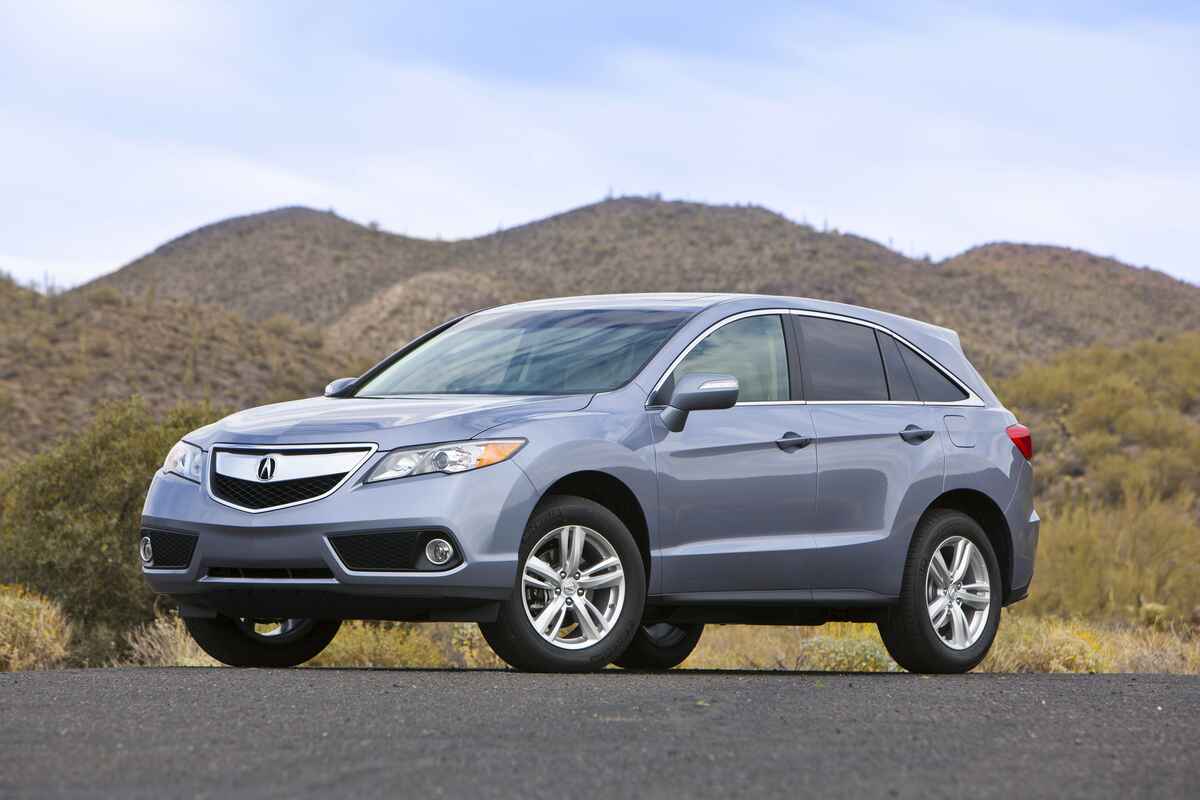
- Second Generation (2013–2018): Switched to a V6 engine, improved comfort and reliability.
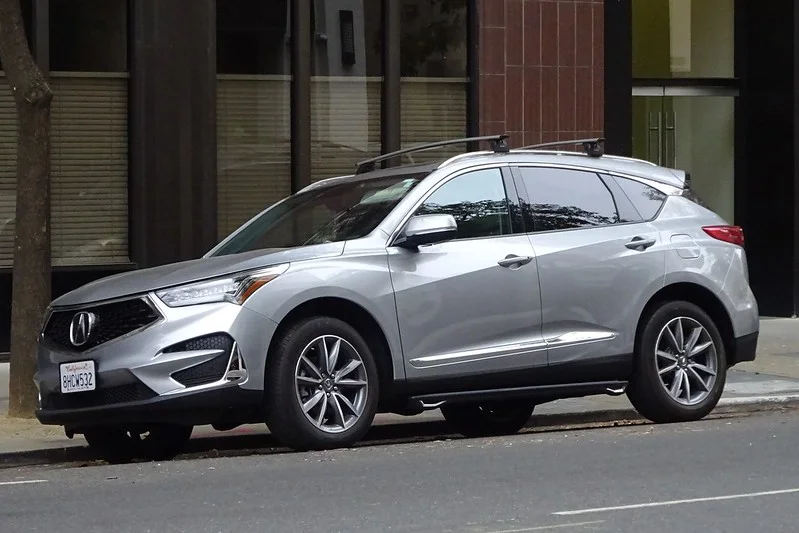
- Third Generation (2019–present): New turbo-four engine, advanced tech, bold styling.
Each generation has its own strengths and weaknesses. Knowing these helps you compare features and avoid trouble spots.
Key Features Across Generations
Let’s quickly see what changed with each redesign:
| Generation | Years | Main Engine | Key Features |
|---|---|---|---|
| First | 2007-2012 | 2.3L Turbo I4 | Sporty ride, turbo lag, early tech |
| Second | 2013-2018 | 3.5L V6 | Smoother power, improved comfort, more reliable |
| Third | 2019-present | 2.0L Turbo I4 | Advanced infotainment, sharper styling, new transmission |
With each new generation, Acura tried to address previous complaints and add modern features. For example, the move from a turbo-four to a V6 in 2013 was meant to boost reliability and smoothness. However, major changes often bring new, unexpected problems, especially in the first year or two after a redesign.
This is why it’s important to understand not just the differences in style or power, but also the common issues that came with each era.
Knowing which generation suits your needs is the first step. But even within each generation, some years stand out for the wrong reasons.
Acura Rdx Years To Avoid: The Critical List
Now let’s get to the heart of the matter. Which Acura RDX years should you avoid, and why?
2007–2008: Early Turbo Troubles
The first-ever RDX (2007) came with a turbocharged engine. It sounded exciting, but many owners faced problems:
- Turbo Failure: The turbo could fail early, leading to expensive repairs ($2,000+). If the turbo is neglected after it starts failing, it can cause engine damage, which makes repairs even more expensive.
- High Oil Consumption: Many drivers reported burning oil faster than normal. Some owners had to check and refill oil every 1,000–2,000 miles, which is far more frequent than average.
- Transmission Issues: Some cars had jerky shifting and delayed engagement. This made stop-and-go traffic especially difficult and could lead to complete transmission failure if ignored.
In 2008, most of these problems continued. Acura was still working out the bugs. If you see a cheap 2007 or 2008 RDX, check its history very carefully. Repairs can cost more than the car’s value. Another thing to remember: some of these cars also developed issues with the turbo intercooler and cooling system, which were costly to repair and not always covered under warranty.
2013: New Generation, New Problems
The second-generation RDX (2013) switched from turbo to a V6 engine, aiming for more reliability. But the first year of any redesign often brings surprises:
- Electrical Gremlins: Owners reported issues with navigation, sensors, and infotainment failures. Some had problems with the rearview camera display or GPS losing signal.
- Suspension Noises: Unusual clunks or rattles from the suspension, especially after 40,000 miles. These were often caused by premature wear in bushings or strut mounts, leading to costly replacements.
- Transmission Hesitation: Some cars hesitated when accelerating, making city driving frustrating. This was sometimes due to transmission software, but in other cases, hardware repairs were needed.
Later years fixed many of these problems, but the 2013 RDX can be hit-or-miss. Unless you get detailed service records, it’s safer to skip this year. An extra detail: some owners reported that electrical issues could lead to drained batteries or random warning lights, which are hard to diagnose and fix.
2016: Infotainment And Ac Issues
2016 RDX models suffered from a cluster of annoying problems:
- Infotainment Glitches: Touchscreens froze or failed, costing $1,000+ to replace. Sometimes, the entire system would need to be reset or replaced more than once.
- AC Compressor Failures: Weak air conditioning, especially in warm climates. For many, the AC would blow warm air or stop working altogether during summer.
- Sensor Malfunctions: Blind-spot and collision sensors sometimes stopped working. This could trigger warning lights or even disable safety features, making the car less safe to drive.
These problems don’t always affect every car, but they’re common enough to make the 2016 RDX a risky buy. Repairs can add up quickly. One added insight: if you live in a hot climate, an AC failure can make the car almost unusable for months while waiting for parts.
2019–2020: Third Generation Teething
The latest RDX redesign (2019) brought high-tech features, but early models saw several complaints:
- Transmission Problems: The new 10-speed automatic sometimes shifts hard or slips. Some owners report sudden jerks or the car refusing to shift into certain gears.
- Infotainment Frustrations: The new touchpad interface is confusing and can malfunction. Many drivers needed extra time to learn the system, and bugs sometimes made features like Bluetooth or navigation unusable.
- Build Quality Concerns: Some owners report rattles, loose trim, and paint defects. These issues reduce the premium feel that buyers expect from Acura.
Acura has improved things in 2021 and newer models, but the first two years of the third generation are best avoided unless you find one with a full warranty. Another detail: some 2019–2020 owners also had trouble with the panoramic sunroof, which could get stuck or start leaking.
Summary Table: Years To Avoid
For quick reference, here’s a table showing the Acura RDX years to avoid and their main issues:
| Year | Main Problems | Estimated Repair Costs |
|---|---|---|
| 2007 | Turbo, transmission, oil | $2,000–$4,000 |
| 2008 | Turbo, oil, suspension | $1,500–$3,500 |
| 2013 | Electrical, transmission, suspension | $1,000–$3,000 |
| 2016 | Infotainment, AC, sensors | $800–$2,500 |
| 2019 | Transmission, infotainment, build quality | $1,200–$3,500 |
| 2020 | Transmission, infotainment, paint | $1,000–$2,800 |
Common Acura Rdx Problems By Year
Even if you avoid the worst years, it helps to know what issues can appear in other models. Let’s look at the most frequent complaints and how they affect ownership.
Engine And Transmission
- Turbocharger Failure (2007–2012): Costly repair if neglected. Signs include slow acceleration and blue smoke. If you notice a whining noise under acceleration, get the turbo checked immediately.
- Transmission Hesitation (2013, 2019–2020): Can make driving unpredictable. Sometimes fixed with software updates, but hardware fixes may be needed if ignored too long.
- High Oil Consumption: Most common in early models, but some V6 engines use oil faster than expected. Always check the dipstick and ask for oil change records.
Electrical And Tech
- Infotainment Malfunctions (2016, 2019–2020): Frozen screens, faulty audio, or complete system failure. Sometimes, a simple software reset helps, but often the unit must be replaced.
- Sensor Issues: Blind spot, lane keep, and collision sensors sometimes stop working or give false alerts. This can affect the car’s safety systems or cause annoying warning sounds.
- Battery Drain: Some owners report batteries dying quickly due to electrical bugs. If a car won’t start after sitting for a few days, this may be the cause.
Suspension And Ac
- Suspension Clunks (2008, 2013): Annoying noises, especially over bumps. May need bushing replacement. Sometimes, worn sway bar links are to blame, which are not expensive but can be time-consuming to fix.
- AC Compressor Failure (2016): Weak or no cooling, especially in summer. Repair can be expensive. Also check for odd noises when the AC is running.
Paint And Trim
- Paint Peeling (2020): Mainly on lighter colors; affects resale value. Some owners had to repaint large sections of the car.
- Loose Interior Trim (2019–2020): Rattles and squeaks, can be fixed but annoying. If you hear constant rattles, ask the seller if repairs were attempted.
Owner Satisfaction: What The Numbers Show
Numbers can tell a story about reliability and satisfaction. Let’s see how the RDX scored with real drivers.
Reliability Ratings
According to sources like Consumer Reports and J.D. Power, RDX reliability varies by year:
- 2010–2012: Above average reliability, fewer complaints. Owners report smooth engines and fewer tech problems.
- 2014–2015: Strong reliability, especially in V6 models. These years are often recommended by independent mechanics.
- 2017–2018: Fewer tech issues, solid performance. Updated infotainment and safety features worked better than in earlier years.
- 2019–2020: Lower reliability scores, mostly due to transmission and tech problems. Many complaints about early wear on interior materials.
Owner Feedback
Most owners love the RDX’s comfort and power. But they complain about:
- Early engine troubles that are costly to fix after warranty ends.
- Confusing infotainment systems that can distract from driving.
- Costly repairs when advanced tech or safety features fail.
Still, models from 2014–2015 and 2017–2018 get high praise for being reliable and affordable. Many owners keep these models for more than five years, showing trust in their long-term value.
Credit: www.copilotsearch.com
Acura Rdx Years Worth Considering
Avoiding bad years is just half the story. Which RDX models are actually a good buy?
Best Years For Reliability
- 2010–2012: Last years of first generation, most bugs fixed. More refined turbo and better electronics.
- 2014–2015: Early V6 models, fewer tech complaints. Good mix of features and price.
- 2017–2018: Mature second-gen, strong reliability, good features. Many standard safety features included.
- 2021–present: Improved tech, fewer transmission issues. Newest models benefit from Acura’s response to early complaints.
These years give you the best balance of price, features, and reliability. For example, the 2017 RDX is often called a “sweet spot” because it avoids major tech and engine problems while offering modern safety.
Features That Make A Difference
When shopping for a used RDX, look for:
- Low mileage
- One-owner history
- Complete service records
- No accident history
Many buyers focus on trim levels (base, Technology, Advance). Higher trims may have more tech, but sometimes more problems. If reliability is your priority, base or mid-level trims are often safer.
One insight most beginners miss: older luxury cars with many features can develop more electrical and sensor issues as they age. Simpler trims may actually last longer and cost less to maintain.
Real-world Examples: What Can Go Wrong
Let’s see real examples of RDX troubles, so you know what to watch for.
Case Study: 2008 Rdx Turbo Failure
An owner bought a 2008 RDX with 90,000 miles for $8,000. After six months, the turbo failed. Repair cost was $2,500. The owner had to sell the car at a loss because engine repairs kept coming. In hindsight, a pre-purchase inspection would have revealed early warning signs.
Case Study: 2016 Rdx Infotainment
A family leased a 2016 RDX. The touchscreen froze during road trips, and the dealer replaced it twice. Each repair cost $1,200, but the issue kept returning. They switched to a different brand. The lesson: don’t ignore repeated tech glitches, and check if repairs are under warranty.
Case Study: 2019 Rdx Transmission
A driver chose a 2019 RDX for its sporty look. After 20,000 miles, the transmission began slipping. Acura fixed it under warranty, but complaints continued online. The owner regretted not researching beforehand. Early complaints sometimes mean problems aren’t fully solved, even after repairs.
These examples show why checking service history and avoiding risky years is so important.
What To Check When Buying A Used Acura Rdx
Even if you pick a good year, there are smart steps to avoid trouble:
Inspection Checklist
- Engine: Listen for knocks, check for oil leaks. Check for blue or black smoke from the exhaust.
- Transmission: Test all gears, look for hesitation. Take the car on both city streets and highways.
- Electrical: Try all infotainment features, sensors, and lights. Set the navigation, pair your phone, and test backup cameras.
- Suspension: Drive over bumps, listen for clunks. Look underneath for rust or damaged parts.
- AC: Run the air conditioning at full blast. Test both hot and cold settings.
- Paint and Trim: Check for peeling or rattles. Feel the dashboard and doors for loose panels.
Always get a pre-purchase inspection from a trusted mechanic. They can spot hidden problems before you buy. A good mechanic will also scan for error codes, which can reveal sensor or transmission problems not visible during a test drive.
Common Buyer Mistakes
Many buyers:
- Skip the test drive, missing hidden problems.
- Don’t check service history, so they buy cars with overdue maintenance.
- Ignore warning lights, thinking they’re minor.
- Buy from unreliable sellers, risking undisclosed damage.
Avoid these mistakes, and you’ll save money and stress. Another tip: always ask for receipts for major repairs. If a seller can’t show proof, walk away.
Acura Rdx Recall History
Recalls can affect reliability and safety. Some years had important recalls:
- 2007–2008: Airbag inflator recall (Takata). This defect could cause serious injury in a crash.
- 2013: Fuel pump and brake system recalls. Both issues could affect driving safety and stopping power.
- 2019–2020: Transmission and electrical recalls. Some cars lost power suddenly or had electrical fires.
Always check if the used RDX you’re considering has completed recall repairs. You can check recalls on the official Acura website or NHTSA.
If a recall repair hasn’t been done, ask the seller to fix it before buying. Recall repairs are usually free at Acura dealers.
Cost To Own: Rdx Years Compared
Ownership cost is more than the price. Repairs, maintenance, and insurance all matter.
Maintenance Costs By Year
Here’s how costs compare:
| Year Range | Annual Maintenance Cost | Typical Repairs |
|---|---|---|
| 2007–2008 | $900–$1,400 | Turbo, transmission, oil leaks |
| 2013–2014 | $750–$1,100 | Electrical, suspension |
| 2016 | $950–$1,200 | Infotainment, AC |
| 2019–2020 | $1,000–$1,500 | Transmission, sensors |
| 2017–2018 | $700–$1,000 | Routine service |
Older models cost more because major repairs become likely. Newer models may have high tech repair costs, especially out of warranty.
Insurance And Resale
- Insurance: RDX insurance is average for luxury SUVs, but higher on newer models with more tech. If you have a long commute or live in a busy city, expect higher rates.
- Resale Value: Best on 2014–2015 and 2017–2018 models. Early years lose value quickly if they have engine or transmission issues.
One extra insight: RDXs with a clean history, regular service, and no accidents can be sold faster and for a higher price than similar cars without documentation.
How To Research Acura Rdx Reliability
Don’t just rely on dealer promises. Use trusted resources:
- Consumer Reports: Detailed reliability ratings.
- J.D. Power: Owner satisfaction and problem rates.
- NHTSA: Official recall and complaint database.
- CarComplaints.com: Real owner reports.
Checking these sources gives you a clear picture before you buy. For deeper research, visit Consumer Reports.
If you’re buying from a private seller, also search online forums for the exact year and trim you’re considering. Real-world stories can reveal hidden issues not mentioned in official reports.
Credit: www.motorbiscuit.com
Expert Advice: Avoiding Costly Mistakes
If you want a reliable Acura RDX, follow these steps:
- Avoid risky years: 2007–2008, 2013, 2016, 2019–2020.
- Pick mature models: 2010–2012, 2014–2015, 2017–2018, 2021+.
- Get a full inspection: Don’t trust photos or seller promises.
- Check recalls: Make sure all repairs are done.
- Look for low mileage and good service history.
A common insight: Many buyers focus only on price and ignore repair costs. In reality, a cheaper RDX from a bad year can cost you far more in the long run. It’s better to pay a little more for a reliable model.
Another tip: The base trim often has fewer tech issues than the fully loaded trims. Fancy features can break, and repairs are expensive. Simpler cars are sometimes more dependable for daily driving.
Also, don’t rush the process. Take your time to compare multiple cars and ask lots of questions. A seller who is open and honest about maintenance and repairs is usually a safer bet.
Frequently Asked Questions
What Are The Worst Acura Rdx Years?
The worst RDX years are 2007–2008, 2013, 2016, and 2019–2020. These models have higher rates of engine, transmission, and tech problems. Repairs can be costly and frequent.
Is The Acura Rdx A Reliable Suv?
Overall, the Acura RDX is reliable, especially in models from 2010–2012, 2014–2015, 2017–2018, and 2021+. Avoiding bad years makes a big difference. Routine maintenance and careful buying are key.
How Can I Check If My Rdx Has Recalls?
You can check recalls using the Acura official website or the NHTSA database. Enter your VIN to see open recalls and make sure repairs are complete.
What Is The Most Common Problem In Acura Rdx?
The most common problems are transmission issues (especially in 2013 and 2019–2020 models), infotainment glitches, and turbo failures in early years. Always test these features before buying.
Should I Buy A High-mileage Acura Rdx?
A high-mileage RDX can be reliable if it has a strong service history and no major repairs. But risky years (2007–2008, 2013, 2016, 2019–2020) are best avoided, no matter the mileage. Always have a mechanic check for hidden wear if you’re considering a car over 100,000 miles.
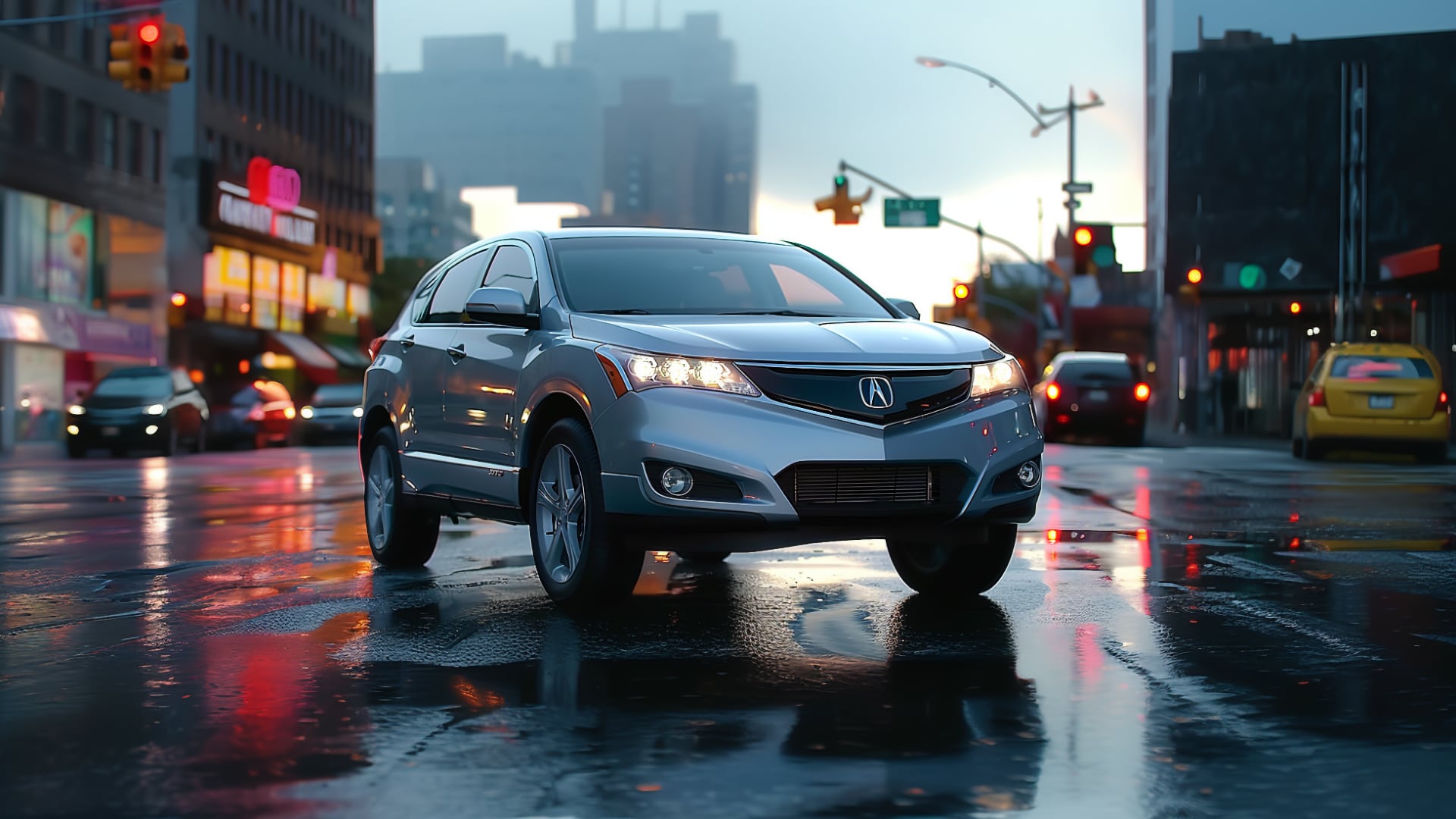
Credit: rerev.com
Final Thoughts
Choosing the right Acura RDX year can save you thousands of dollars and years of stress. While the RDX is a well-built luxury SUV, some years are plagued with problems that can ruin your ownership experience. By avoiding 2007–2008, 2013, 2016, and 2019–2020, and focusing on reliable models like 2010–2012, 2014–2015, 2017–2018, and 2021+, you’ll enjoy a smoother, safer ride.
Always check service records, get a professional inspection, and do your research. A smart buyer ends up with a great car—and peace of mind.
Remember, buying a used car is not just about the lowest price. It’s about getting the best value over time. Make careful choices, ask the right questions, and don’t rush. The right Acura RDX can be a comfortable, reliable companion for years ahead.