

If you’re looking at buying a Ford Super Duty truck with the 6.4 Powerstroke diesel engine, you’re probably attracted by its power and reputation for heavy towing. But not all 6.4 Powerstroke years are created equal. Some are known for expensive problems that can surprise even experienced diesel owners. If you want to avoid headaches and make a smart purchase, it’s important to know exactly which 6.4 Powerstroke years to avoid, why they cause trouble, and what to look for if you’re considering one of these trucks.
This guide will walk you through the four key model years to be cautious about, explain the most common issues, and show you how these years compare to each other and to other diesel engines. You’ll get clear data, real-world examples, and non-obvious tips for buyers.
Understanding The 6.4 Powerstroke Engine
The 6.4 Powerstroke was introduced in 2008, replacing the troubled 6.0 Powerstroke. Built by International/Navistar for Ford’s Super Duty trucks, this 6.4L V8 turbo-diesel promised more power, better emissions, and improved reliability. On paper, it produced 350 horsepower and 650 lb-ft of torque—a big jump at the time.
But in reality, the 6.4 Powerstroke faced new challenges. The move to stricter emissions standards meant more complex systems like the diesel particulate filter (DPF) and twin turbochargers. These added power but also introduced weak points. Owners soon realized some model years suffered more problems than others, often leading to major repair bills.
Why Some 6.4 Powerstroke Years Should Be Avoided
Not every 6.4 Powerstroke is a disaster. But certain production years are notorious for repeated failures, costly repairs, and design flaws. Before you spend thousands on a used Super Duty, it’s vital to know which years had the worst issues and why. Here are the four main years you should be cautious about:
- 2008
- 2009
- Early 2010
- Late 2010 (with warnings)
Let’s look at each year in detail.
2008 6.4 Powerstroke: The Launch Year Headaches
The 2008 model year marked the debut of the 6.4 Powerstroke in Ford F-250, F-350, and F-450 trucks. Ford was under pressure to meet new emissions rules, so the engine packed in new technologies rapidly. Unfortunately, the first year of any complex engine is often the riskiest—and 2008 proved this true.
Major Problems In 2008
- High-Pressure Fuel System Failures: One of the biggest issues was the failure of the high-pressure fuel pump and injectors. When these failed, they could send metal shavings into the whole fuel system, resulting in repairs over $6,000.
- DPF Clogging: The new diesel particulate filter (DPF) was prone to clogging, especially with lots of city driving or idling. Clogged DPFs led to forced regenerations, poor mileage, and limp mode.
- Radiator Leaks and Cooling Issues: Many owners reported the factory radiator was weak, leading to leaks, overheating, and in some cases, head gasket failure.
- EGR Cooler Cracks: Cracked EGR (exhaust gas recirculation) coolers leaked coolant into the engine, causing white smoke, overheating, and even engine failure.
Non-obvious Insights
First-year emissions systems were less reliable because Ford and Navistar had little experience with DPF and advanced EGR setups. Unlike later years, there were more reports of wire harness chafing and sensor failures due to rushed design changes.
Real-world Example
A 2008 F-250 owner from Texas shared that after two years, he faced over $10,000 in repairs, mainly from a failed high-pressure fuel pump and repeated DPF issues. Even with dealership repairs, problems kept returning.
Should You Buy A 2008?
Unless you’re a diesel expert or planning a complete rebuild, it’s wise to avoid the 2008 model. If you find a low-mileage 2008, ask for complete service records—especially proof of fuel system upgrades and DPF replacements.
2009 6.4 Powerstroke: Improvements…but Not Enough
Ford made some tweaks for the 2009 model year. There were updates to the radiator design and some emissions software changes, but the core problems were not fully fixed. Many 2009 trucks still suffered from the same issues as 2008, just slightly less often.
Key Issues In 2009
- DPF and EGR Failures Continue: DPF clogging and EGR cooler leaks were still widespread. Ford offered some warranty fixes, but many trucks needed multiple repairs.
- Turbocharger Problems: The 6.4’s compound turbo system (a small high-pressure turbo feeding a larger low-pressure turbo) was innovative but fragile. Turbo seals leaked, and turbo bearing failures were common, leading to oil consumption and loss of power.
- Cracked Pistons and Fuel Dilution: Some owners reported cracked pistons, often caused by fuel dilution (when diesel leaks into the oil due to bad injectors or excessive DPF regens). This could destroy the engine if not caught early.
- Radiator and Head Gasket Issues Remain: While the radiator saw minor upgrades, it was still a weak point. Overheating led to blown head gaskets, especially in trucks used for heavy towing.
Non-obvious Insights
A common mistake was ignoring oil analysis. Many 2009 owners didn’t realize that regular oil sampling could catch fuel dilution problems early, possibly saving the engine.
Another overlooked factor was dealer-installed software updates. Some updates aimed to reduce emissions but increased DPF regens, which made fuel dilution worse.
Real-world Example
A 2009 F-350 owner in Colorado towed a 10,000-lb trailer year-round. At 85,000 miles, he faced a turbo failure, then a cracked piston. Repairs totaled more than the truck’s value.
Should You Buy A 2009?
If you’re set on a 6.4, avoid 2009s with signs of heavy towing, long idling, or poor maintenance. Trucks with aftermarket tuners that disable emissions systems may run better, but they’re illegal on public roads and can void insurance and resale value.
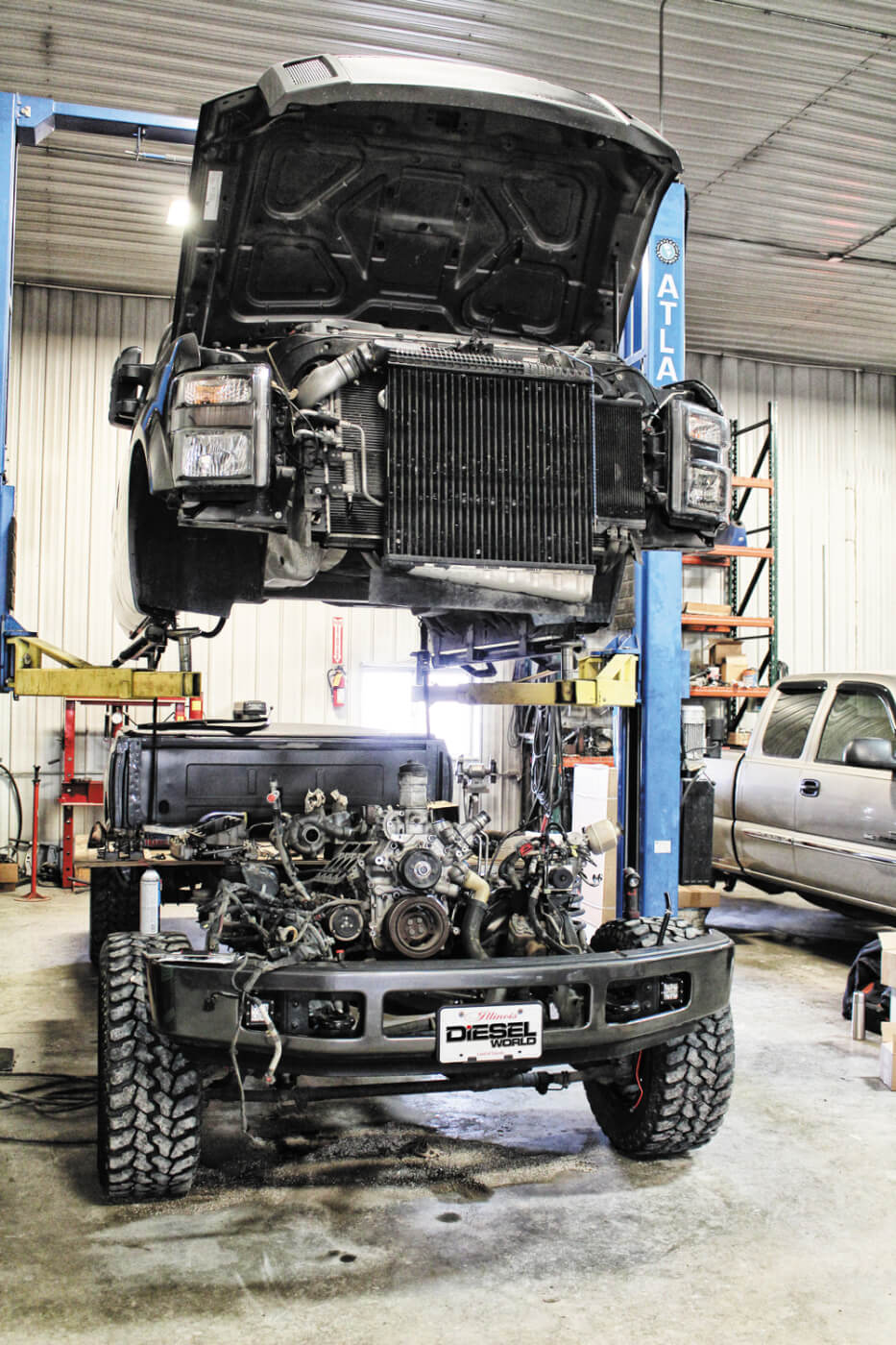
Credit: www.dieselworldmag.com
Early 2010 6.4 Powerstroke: Last Of A Troubled Line
The 2010 model year marked the end of the 6.4 Powerstroke before Ford switched to their in-house 6.7 Powerstroke. Early 2010 models (built before mid-year) shared most of the old problems, but some improvements started to appear.
Persistent Problems In Early 2010
- Emissions System Issues: Early 2010s still used the same DPF and EGR systems, which meant continued risk of clogging and coolant leaks.
- Turbo Failures: The twin turbo setup was not fully redesigned, so turbo failures were still reported. However, a small number of trucks saw upgraded components late in the run.
- Sensor and Wiring Problems: Owners reported fewer sensor issues than before, but failures still happened, especially with the DPF pressure sensor and exhaust temperature sensors.
Non-obvious Insights
Many early 2010s were fleet trucks, so they might have higher mileage but better maintenance records. However, fleet trucks often had long idle times, which is hard on the DPF and leads to more regens and engine wear.
Some buyers missed the fact that dealer “fixes” often just replaced failed parts with the same design, not upgraded versions. Unless you see proof of improved aftermarket parts, the problems will likely return.
Real-world Example
A construction company bought five early 2010 F-350s. By 120,000 miles, all had at least one turbo replacement, two needed new DPFs, and three had EGR cooler failures.
Should You Buy An Early 2010?
If you find an early 2010, check the VIN for production date. Trucks built before June 2010 are riskier. Look for proof of upgrades: aftermarket EGR coolers, improved radiators, and turbo replacements with newer designs.
Late 2010 6.4 Powerstroke: The Least Risky, But Still Cautious
By late 2010, Ford was preparing for the new 6. 7 Powerstroke, and they quietly improved some components in the last 6. 4s built. These trucks are less common, but if you must buy a 6. 4, late 2010 is the safest bet—though issues can still happen.
What Got Better In Late 2010?
- Improved Radiator and Cooling System: Ford changed suppliers and improved radiator end tanks, reducing (but not eliminating) leaks.
- Updated Turbochargers: Some late trucks received improved turbo bearing designs, which lasted longer under heavy use.
- Better EGR Coolers: Updated coolers were less prone to cracking, though not immune.
Remaining Problems
- DPF Maintenance Still a Must: The emissions system still needs regular cleaning and proper driving habits.
- Fuel System Weaknesses: The high-pressure fuel pump and injectors remained the same, so contamination is still a serious risk.
- Expensive Repairs: Even with improvements, late 2010 models can suffer catastrophic failures, and parts can be expensive.
Non-obvious Insights
Late 2010s often sell for a premium because buyers believe they’re “fixed,” but the reality is only some components improved. The core engine design didn’t change. Skipping regular maintenance can quickly undo any benefit from these updates.
Real-world Example
A used truck dealer in Ohio noted that late 2010 6. 4s with full dealer service records and upgraded parts were the easiest to resell, but if a truck had skipped DPF cleanings, problems returned within 30,000 miles.
Should You Buy A Late 2010?
If you want a 6.4 Powerstroke, a late 2010 with full maintenance history and proof of updated parts is the safest option. Still, be prepared for expensive repairs compared to later diesel engines.
How The Problem Years Compare
To help you see the differences between the four years, here’s a comparison of their most common issues:
| Model Year | DPF Issues | Turbo Failures | Radiator Problems | EGR Cooler Failures | Fuel System Failures |
|---|---|---|---|---|---|
| 2008 | Very High | High | Very High | High | High |
| 2009 | High | High | High | High | Moderate |
| Early 2010 | High | Moderate | Moderate | Moderate | Moderate |
| Late 2010 | Moderate | Moderate | Moderate | Moderate | Moderate |
Why Did The 6.4 Powerstroke Have So Many Problems?
The 6.4 Powerstroke was designed during a time of rapid change. Ford and Navistar were trying to meet new EPA emissions standards, which meant adding complicated systems quickly. Each of these systems—like the DPF, EGR, and compound turbos—made the engine more powerful and cleaner, but also increased the risk of failures.
A major factor was the lack of real-world testing. Many design changes were rushed, and owners became the “testers.” This led to:
- Frequent recalls and updates
- Inconsistent dealer repairs
- High repair costs due to labor-intensive part replacements
Another issue was that the 6.4 Powerstroke was sensitive to poor fuel quality and lack of maintenance. Skipping oil changes or using cheap fuel could quickly lead to expensive failures.
The True Cost Of Ownership
If you’re considering a used 6. 4 Powerstroke, you should be aware of the long-term costs. Even with regular maintenance, these engines can surprise you with repairs that cost more than the truck’s value.
Here’s a breakdown of average repair costs for major issues:
| Component | Average Repair Cost | Typical Mileage When Fails |
|---|---|---|
| High-Pressure Fuel Pump | $3,500–$6,000 | 80,000–120,000 miles |
| DPF Replacement | $2,000–$4,000 | 60,000–100,000 miles |
| Turbocharger(s) | $2,500–$4,500 | 90,000–130,000 miles |
| EGR Cooler | $1,200–$2,500 | 70,000–110,000 miles |
| Radiator | $800–$1,500 | 50,000–90,000 miles |
Insight: Many owners underestimate the cost of repeated repairs. If you are not prepared for possible back-to-back issues, you could quickly lose your investment.
How The 6.4 Powerstroke Compares To Other Diesel Engines
Is the 6.4 Powerstroke worse than its competitors? Here’s a quick comparison with other diesel engines from the same era:
| Engine | Years | Common Problems | Reliability Rating |
|---|---|---|---|
| 6.4 Powerstroke | 2008–2010 | DPF, Turbo, Fuel, EGR, Radiator | Low |
| 6.7 Powerstroke | 2011–Present | CP4 Pump, EGR (early years) | High |
| Duramax LMM | 2007.5–2010 | DPF, Injector, Glow Plug | Moderate |
| Cummins 6.7 | 2007.5–Present | DPF, EGR, Turbo Actuator | High |
Non-Obvious Comparison: The 6.4 Powerstroke is more powerful than some rivals, but its repair costs are higher and resale value lower. Duramax and Cummins engines from the same period also had DPF and EGR issues, but their core engine designs were more robust.

Credit: x.com
What To Look For If You Must Buy A 6.4 Powerstroke
If you decide to buy a 6.4 Powerstroke, especially from the years mentioned, you can reduce risk by following these steps:
- Request Complete Service Records: Only buy a truck with detailed records showing regular maintenance and major repairs.
- Check for Upgrades: Look for evidence of improved radiators, aftermarket EGR coolers, and turbo replacements.
- Avoid High-Idle Trucks: Trucks used for idling (like work or fleet trucks) often have more DPF problems.
- Inspect for Tuning: Trucks with deleted emissions systems often run better but may not pass inspection or be legal to drive on public roads.
- Get an Oil Analysis: Before buying, get a sample of engine oil tested for fuel dilution and metal shavings.
- Consider a Pre-Purchase Inspection: Hire a diesel specialist to check for hidden engine or emissions issues.
Common Buyer Mistakes
Many buyers make these errors when shopping for a used 6.4:
- Ignoring Early Warning Signs: Small problems like white smoke, hard starts, or warning lights can signal major failures coming soon.
- Believing “Bulletproof” Claims: Some sellers claim their truck is “bulletproofed.” This means some upgrades were done, but it’s not a guarantee—ask for receipts and details.
- Underestimating Costs: Repairs often cost more than expected, especially if multiple systems fail at once.
- Choosing Price Over Condition: A cheap truck can become expensive fast if it needs engine or emissions work.
When Is A 6.4 Powerstroke A Good Buy?
There are situations where buying a 6.4 Powerstroke makes sense:
- You need maximum power for a low price and have access to a skilled diesel mechanic.
- The truck has extensive documentation of repairs and upgrades, especially for the common failure points.
- You plan to use the truck off-road or for racing, where emissions systems can be legally removed.
- You’re comfortable budgeting for major repairs and have a backup vehicle.
Pro Tip: Trucks in dry climates tend to have fewer corrosion-related problems, but engine issues remain.
Alternatives To The 6.4 Powerstroke
If you want to avoid the risks, consider:
- Ford 6.7 Powerstroke (2011+): Better reliability, more power, and improved emissions systems.
- Chevy/GMC Duramax (LML 2011–2016): Strong engine, fewer emissions issues.
- Ram Cummins (2010+): Reliable with simple design, but emissions issues still possible.
Used values are higher, but repair costs and headaches are lower.
For more details on diesel engine comparisons, see this Ford Power Stroke overview.

Credit: prosourcediesel.com
Frequently Asked Questions
Which 6.4 Powerstroke Years Are The Most Reliable?
Late 2010 models are the least risky, thanks to some improved parts. However, even the best 6. 4 Powerstroke years are less reliable than later Powerstroke engines like the 6. 7L. Always check for proof of maintenance and upgrades.
What Are The Most Expensive 6.4 Powerstroke Repairs?
The most costly repairs include high-pressure fuel system failures ($3,500–$6,000), turbocharger replacements ($2,500–$4,500), and DPF replacements ($2,000–$4,000). Catastrophic engine failures can cost more than the truck is worth.
Is It Safe To Buy A 6.4 Powerstroke With Deleted Emissions Systems?
Trucks with deleted emissions systems (DPF, EGR, etc. ) Often run better and last longer, but they are illegal to drive on public roads in most areas. Deleting these systems can also void insurance and reduce resale value.
How Can I Avoid 6.4 Powerstroke Problems?
Regular maintenance, using high-quality diesel fuel, and catching small problems early are key. Always get an oil analysis before buying, avoid trucks with unknown histories, and look for trucks with upgraded parts.
Why Did Ford Stop Making The 6.4 Powerstroke?
The 6. 4 Powerstroke was discontinued after 2010 due to high warranty costs, emissions problems, and a desire for Ford to design their own engine. The 6. 7 Powerstroke, released in 2011, solved many of the 6. 4’s issues and quickly became more popular.
Buying a used diesel truck is a big decision. By knowing which 6.4 Powerstroke years to avoid and what to watch for, you can make a smarter, safer investment—or decide if another engine is the better choice for you.