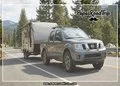
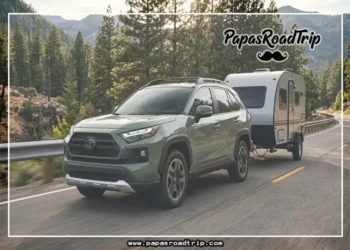
The 2026 toyota rav4 towing capacity is 3,500 lb for the gas and hybrid models when they’re properly equipped. Toyota lists these figures in the vehicle’s published specs. Gas and hybrid RAV4s share the same 3,500 lb maximum, which surprises many shoppers. Below you’ll find the trims, the equipment that unlocks the full rating, and the tongue weight limits that decide whether your trailer is actually safe.
What RAV4 towing capacity really means
The RAV4 is Toyota’s compact SUV, sold in gas, hybrid, and plug-in hybrid versions. The towing capacity is the most weight Toyota says the vehicle can pull, and it isn’t one number for every RAV4. It changes with the powertrain, the trim, and the equipment fitted at the factory.
Toyota publishes these figures in its own specifications, so check the sticker on the driver’s door jamb and the owner’s manual for your exact build. The number on a dealer’s website may describe a different trim.
The rating assumes a specific setup: the factory tow package where required, a proper hitch, and weight distributed correctly in the trailer. Change any of those and the 3,500 lb figure no longer applies to you.
The misconception people bring is that all RAV4s tow the same. They don’t. A RAV4 without the right equipment isn’t rated for the full figure. A salesperson who says “it tows 3,500” without checking the trim is giving you half the answer.
Towing capacity also isn’t the only limit. Tongue weight, the downward force the trailer puts on the hitch, has its own cap. Toyota’s figure for the RAV4 is around 350 lb, and exceeding it overloads the rear suspension even when the trailer’s total weight is under the limit.
How to match a trailer to your RAV4
- Find your exact trim and drivetrain. Check the window sticker or the VIN. Gas, hybrid, and plug-in hybrid RAV4s have different ratings, so confirm yours.
- Confirm the tow package is fitted. Toyota requires the factory tow package for the full 3,500 lb rating on models that need it. If your RAV4 doesn’t have it, price the parts before you shop for a trailer.
- Weigh the trailer loaded, not empty. Trailer dry weight excludes water, propane, gear, and batteries. Add all of it, then add passengers and cargo inside the RAV4 to your gross vehicle weight.
- Check tongue weight with a scale. Aim for roughly 10% of the loaded trailer weight on the hitch, and stay under Toyota’s tongue weight limit. A bathroom scale under the coupler works for light trailers.
- Read the hitch label. Aftermarket hitches carry their own rating, and it may be lower than the vehicle’s. The lower of the two numbers is your real limit.
- Match the ball size and coupler height. A mismatched ball or a trailer sitting nose-up or nose-down changes handling. Level the trailer before you drive.
- Test on a quiet road first. Load the trailer, drive at low speed, and check braking and sway before any highway trip.
The judgement call that separates a good setup from a bad one is honesty about the loaded weight. People weigh the empty trailer, add nothing, and tow 500 lb over their limit without knowing it. Weigh the trailer at a public scale loaded, once, and you’ll never guess again.
If your trailer needs electric brakes, a brake controller, or a weight-distribution hitch, have a qualified hitch shop install it. Wiring mistakes and brake controller faults aren’t a DIY job on a vehicle with safety systems tied into the harness.
2026 RAV4 towing figures by model
Here are the numbers that matter, trim by trim. Every figure assumes the vehicle is properly equipped and loaded within its gross vehicle weight rating.
| Model or situation | What to use | Figure that matters | What to watch for |
|---|---|---|---|
| RAV4 gas, LE/XLE/Limited | Factory tow package where required | 3,500 lb | Confirm the package on the window sticker |
| RAV4 Hybrid, most trims | Standard hybrid setup with hitch | 3,500 lb | Same rating as gas, but check your trim |
| RAV4 Hybrid Woodland Edition | Standard hybrid setup with hitch | 3,500 lb | Same rating as other hybrids |
| RAV4 Plug-in Hybrid | Check Toyota’s spec for your trim | Lower than 3,500 lb on most builds | Verify before buying a trailer |
| Tongue weight, 3,500 lb setup | Hitch and ball mount | About 350 lb | Weigh it loaded, not empty |
| Trailer with electric brakes | Brake controller required | Varies by trailer | Have a shop install the controller |
| Small utility trailer, 4×8 | Any RAV4 trim | Well under 1,500 lb | Still check tongue weight |
Details that decide whether the tow goes well
The people who tow without drama do the boring things first. They weigh the trailer loaded at a public scale before the first trip, not after a problem. They read the door jamb sticker and the hitch label together, and they use whichever number is lower. They also leave the trailer’s water tanks empty until they reach the campsite, which can save several hundred pounds on a small camper.
Order matters too. Hitch and wiring go on before the trailer arrives, not the morning of the trip. The brake controller gets installed and tested with the trailer connected, on a flat lot, at low speed. Only then does the loaded trailer go on the highway.
Partway through any longer trip, check the hitch bolts, the coupler latch, and the safety chains. A coupler that worked loose shows up as a clunk on turns before it shows up as a detached trailer.
What experienced towers leave alone is the vehicle itself. They don’t add air bags or helper springs to “fix” a sagging rear end, because that hides an overload rather than solving it. If the rear sags with the trailer loaded, the tongue weight is too high or the trailer is too heavy. Fix the load, not the suspension.
One more detail: tire pressure. Tow with the rear tires at the pressure Toyota lists for a full load, which is on the door jamb sticker, not the number molded on the tire sidewall.
Common RAV4 towing problems and fixes

| What you notice | What it usually means | What to do first |
|---|---|---|
| Rear end sags when hitched | Tongue weight too high or trailer overloaded | Weigh the tongue and move cargo rearward in the trailer |
| Trailer sway at highway speed | Too little tongue weight or speed too high | Slow down, reload to about 10% tongue weight |
| Brakes feel weak on downhill grades | No trailer brake controller, or it’s set too low | Have a shop check the controller setting and wiring |
| Clunk or rattle over bumps | Loose hitch bolts or worn coupler | Re-torque hitch bolts to the hitch maker’s spec |
| Poor acceleration on hills | Loaded weight near or over the limit | Weigh the trailer loaded and remove gear |
Sway and sag pull in opposite directions, so fix one and you can create the other. If the rear squats, add tongue weight back only until the RAV4 sits level, then stop.
Weigh the tongue with a bathroom scale and a length of pipe under the coupler, at the height it rides when hitched. A reading taken on flat ground with the trailer unhitched will mislead you.
The brake controller setting that feels right empty will be too low with a loaded trailer. Test it in an empty lot at low speed before any long descent, and raise the gain until the trailer brakes just avoid locking.
On a 2026 RAV4, the hitch bolts loosen again after the first few hundred miles of towing. Check them once more after that shakedown, not just at install.
What to confirm before you tow
Toyota’s own owner’s manual is the document that governs your specific vehicle, and it lists the towing limits, the tongue weight cap, and the equipment required for your trim. Read the towing section for your model year before you buy a trailer. The Toyota owner’s manuals page lets you download the manual for your exact RAV4.
Beyond the manual, check four things. Your state’s trailer registration and braking rules, since many states require brakes above a certain trailer weight. Your auto insurance policy, because some policies exclude damage from towing beyond the rated capacity. The hitch manufacturer’s rating label, which may be lower than Toyota’s. And your driver’s license class, since a heavy trailer can push you into a different class in some states.
If any of those checks turns up a limit lower than 3,500 lb, that lower number is your real capacity. Towing over it can void warranty coverage on the drivetrain and leave you liable in a crash. For anything involving trailer brakes, wiring into the vehicle’s harness, or a weight-distribution setup, use a qualified hitch shop rather than doing it yourself.
Keeping your RAV4 tow-ready
After a tow, wash the hitch area and check the receiver for rust, especially if you tow near the coast. Grease the ball and the coupler latch lightly before each trip, and wipe off old grease so grit doesn’t grind the surfaces.
Store the ball mount and pins in the vehicle so they’re there when you need them, and check the hitch bolts for tightness before each season. A hitch that’s sat unused for a year can loosen.
There’s no fixed service interval for the hitch itself, so watch for the signs: rust streaks on the receiver, a coupler that latches loosely, or chains with worn links. Replace worn parts rather than reusing them.
If your RAV4 has a CVT or hybrid drivetrain, follow the manual’s guidance on towing and fluid checks. The manual names the conditions that call for extra attention, and it’s the only source that fits your exact build.
When a RAV4 isn’t the right tow vehicle

A 3,500 lb rating is fine for a small utility trailer, a pair of jet skis, or a lightweight pop-up camper. It’s the wrong choice for a travel trailer with a dry weight near 4,000 lb, a boat with a heavy trailer, or anything you plan to tow through mountains regularly. For those, a mid-size truck or a larger SUV with a higher rating is the honest answer.
Dry weight is the number to check first, because it leaves out the battery, propane, and water you’ll add before your first trip. A trailer listed at 3,800 lb dry can cross 4,500 lb loaded, which puts it past the RAV4 before you pack a single bag.
It’s also wrong if you tow often and want margin. Running at the limit every weekend wears the drivetrain faster and leaves no room for passengers and gear. A vehicle rated well above your loaded trailer weight is the better long-term buy.
And skip the RAV4 if you need to tow with a full load of passengers and cargo at the same time. The combined weight pushes you toward the gross vehicle weight limit before the trailer is even counted.
Related guides
- Toyota Rav 4 Years to Avoid: Expert Guide to Smart Buying
- Toyota Rav4 Liftgate Recall: Urgent Safety Alert You Must Know
- Toyota Rav4 Oil Leak Recall: Urgent Safety Alert You Must Know
Frequently asked questions
Can a 2026 RAV4 Hybrid tow 3,500 lb?
Yes, 2026 RAV4 Hybrid trims are rated to 3,500 lb when properly equipped. Check your specific trim in the owner’s manual before assuming the higher figure, because the rating follows the build, not the model name.
Why is the RAV4 Hybrid Woodland Edition rated lower?
Toyota gives the Woodland Edition the same 3,500 lb rating as other hybrids. Confirm the tow package is fitted for your trim.
How much tongue weight can a RAV4 handle?
About 350 lb on the 3,500 lb setup, which is roughly 10% of the trailer weight. Stay under that cap even if the trailer’s total weight is legal. Weigh the tongue with a scale loaded, and shift cargo inside the trailer to adjust it rather than adding suspension helpers to the vehicle.
Do I need a tow package to reach 3,500 lb?
On models where Toyota requires it, yes. The factory tow package includes the hitch receiver, wiring, and cooling provisions Toyota specifies for the full rating. Without it, your RAV4 may be rated lower. Check the window sticker or ask a dealer to run your VIN and confirm.
Is it safe to tow at the maximum rating?
It’s safe within Toyota’s limits, but it leaves no margin. Running at 3,500 lb with a full load of passengers and gear can push you over the gross vehicle weight rating. Most experienced towers stay 10-15% below the maximum, which is easier on the drivetrain and more stable on the highway.
What happens if I tow more than the rating?
You risk drivetrain damage, brake fade on descents, and unstable handling, and you may void warranty coverage on related parts. In a crash, towing beyond the rated capacity can also count against you with your insurer. The rating is a limit, not a target, and exceeding it shifts risk onto you.
How often should I check the hitch?
Before every trip, and at least once a season if the hitch sits unused. Check the bolts, the coupler latch, the safety chains, and the ball for rust or wear. There’s no published service interval for the hitch itself, so the condition of the parts is what tells you when they need attention.
Conclusion
Before you head to the dealership, jot down your trailer’s loaded weight and tongue weight so you can compare them against the specs yourself. If you’re still unsure, ask a salesperson to walk you through the towing package details on the exact trim you’re considering.