The Nissan GT-R is a legendary sports car, famous for its speed, technology, and unique style. Many car fans dream of owning a GT-R, but not every year and model is perfect. Some years have problems that can cost a lot of money or reduce your driving fun.
If you’re thinking about buying a used Nissan GT-R, knowing which years to avoid is crucial. This guide will help you understand the GT-R’s history, highlight the risky years, and explain what makes some years less reliable. You’ll also learn useful tips about buying, maintenance, and common mistakes, so you can make a smart decision.
Understanding The Nissan Gt-r Legacy
The Nissan GT-R first appeared in 2007, but its roots go back to the Skyline GT-Rs of the 1960s. The modern GT-R, often called the R35, changed the sports car world. It combined all-wheel drive with a powerful turbocharged V6 engine, making it fast and stable. Over the years, Nissan improved the GT-R’s performance, handling, and technology. Each model year brought new features, but also some challenges.
Gt-r Generations And Key Features
The modern GT-R is part of the R35 generation (2007–present), but there are differences from year to year. Here are some highlights:
- 2007–2009: First launch, powerful but early production issues.
- 2010–2011: Improved reliability, minor updates.
- 2012–2016: Performance upgrades, better build quality.
- 2017–present: Facelift, luxury features, refined handling.
Nissan focused on speed, but also added features for daily driving. Still, not every year is perfect. Some early years had reliability issues, while others saw expensive maintenance needs.
Nissan Gt-r Years To Avoid
Not all Nissan GT-Rs are created equal. Some years are known for mechanical problems, expensive repairs, or poor build quality. Let’s look at the specific years you should be careful with.
2009 Nissan Gt-r
The first GT-R sold in the US was the 2009 model. It excited car lovers, but it also had many problems:
- Transmission issues: The early dual-clutch transmission often failed, especially after hard driving or launch control use.
- Warranty confusion: Nissan refused to cover transmission repairs if launch control was used, leading to big repair bills ($15,000 or more).
- Weak software: Early ECUs had bugs, causing engine and transmission trouble.
Many buyers didn’t realize these problems until after purchase. If you see a 2009 GT-R for sale, ask about transmission service records and whether the launch control system was used.
2010 Nissan Gt-r
The 2010 model fixed some issues, but still had risks:
- Transmission upgrades: Nissan updated the transmission, but reliability was still not perfect.
- Turbo lag: Some owners reported slow throttle response, making the car feel less sporty.
- Paint and interior wear: Early models had weak paint and interior parts that wore out quickly.
While better than 2009, the 2010 GT-R is still a risky buy unless you know its history.
2011 Nissan Gt-r
Nissan continued to improve the GT-R, but 2011 models showed:
- Suspension problems: Some cars had noisy suspension and premature shock absorber failure.
- Brake concerns: Brake rotors wore down quickly, leading to expensive replacements.
- Software updates: The ECU was improved, but some cars still had glitches.
A well-maintained 2011 GT-R can be good, but many were driven hard. Check for maintenance records and signs of track use.
2012 Nissan Gt-r
The 2012 model brought more power, but also some issues:
- Engine knock: Reports of engine knocking and early turbo failure.
- Oil consumption: Some cars burned oil faster than normal, needing frequent top-ups.
- Transmission quirks: Minor improvements, but some cars still had shifting problems.
These issues are less common than in earlier years, but can still lead to expensive repairs.
2013 Nissan Gt-r
The 2013 GT-R is generally reliable, but a few issues stand out:
- Cooling system problems: Some cars overheated during track use.
- Electrical glitches: Owners reported random warning lights and sensor failures.
- Interior aging: Leather and plastics wore out faster than expected.
If you plan to use your GT-R on the track or want a perfect interior, 2013 may not be ideal.
2014 Nissan Gt-r
The 2014 model is a transition year, with fewer updates:
- Brake and suspension wear: Many cars had worn parts, especially if used for racing.
- Paint fading: Sun exposure caused paint to fade and peel.
- Rust issues: Early signs of rust in some cars, especially from humid regions.
Inspect any 2014 GT-R carefully for these problems.
2015 Nissan Gt-r
Most 2015 GT-Rs are reliable, but there are concerns:
- Transmission sensors: Some cars had faulty sensors, causing shifting trouble.
- Turbo leaks: A few cars showed oil leaks from turbo seals.
- Electrical failures: Battery and alternator problems were reported.
These are less common, but repairs can be costly.
2016 Nissan Gt-r
The 2016 model saw minor updates, but:
- Suspension failure: Some cars had shock absorbers fail early.
- Turbo reliability: Reports of turbocharger problems in high-mileage cars.
- Infotainment bugs: Glitches in the navigation and audio system.
While not as risky as earlier years, these issues can affect your driving experience.
2017–2018 Nissan Gt-r
The 2017 facelift improved many things, but 2017 and 2018 models still had:
- Paint defects: New colors showed peeling and bubbling.
- Interior rattles: Owners complained about noisy dashboards.
- Brake fade: Some cars lost braking power during hard driving.
These problems are less serious, but worth checking before buying.
2019–2020 Nissan Gt-r
These newer models are mostly reliable, but:
- Electronics glitches: Touchscreen and sensors sometimes failed.
- Water leaks: Some cars had leaks in the trunk and cabin.
- Transmission hesitation: A few owners noticed slow shifting.
These are rare, but can be expensive if not fixed quickly.
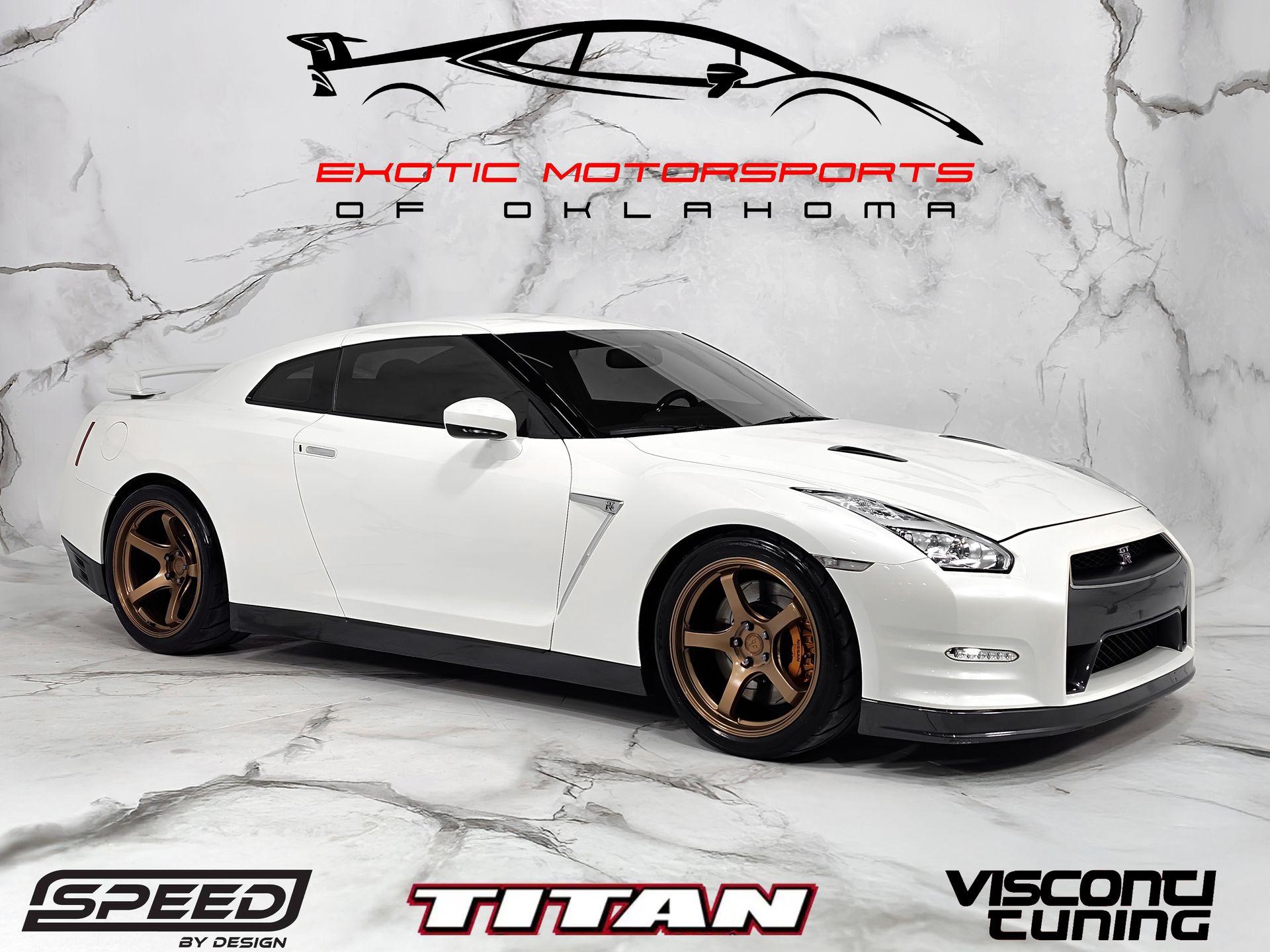
Credit: www.exoticmotorsportsok.com
Data Table: Gt-r Model Years And Common Issues
To help compare, here’s a summary of GT-R model years and their main problems:
| Model Year | Main Issues | Estimated Repair Cost |
|---|---|---|
| 2009 | Transmission failure, ECU bugs | $10,000–$15,000 |
| 2010 | Transmission, turbo lag, interior wear | $5,000–$12,000 |
| 2011 | Suspension, brakes, ECU glitches | $4,500–$8,000 |
| 2012 | Engine knock, oil, transmission | $6,000–$14,000 |
| 2013 | Cooling, electrical, interior | $3,000–$7,000 |
| 2014 | Brakes, paint, rust | $2,500–$5,000 |
| 2015 | Transmission sensor, turbo leak | $4,000–$10,000 |
| 2016 | Suspension, turbo, infotainment | $3,500–$8,000 |
| 2017–2018 | Paint, interior, brakes | $2,000–$6,000 |
| 2019–2020 | Electronics, water leaks | $1,500–$5,000 |
What Makes Some Gt-r Years Risky?
Understanding why certain years are bad helps you avoid mistakes. Here are the main reasons:
Early Production Bugs
New models often have production bugs. When Nissan launched the R35 GT-R, they faced unexpected problems:
- Transmission: The complex dual-clutch system wasn’t ready for heavy use.
- ECU software: Early versions had programming errors.
- Warranty confusion: Nissan changed warranty terms to limit coverage.
These issues hit 2009–2011 hardest. Owners who used launch control saw huge repair bills.
Design Changes And Quality Control
Nissan changed the GT-R’s design every few years. Sometimes, new parts or systems caused trouble:
- Suspension upgrades: New shocks failed faster than old ones.
- Turbo changes: Different turbochargers led to reliability problems.
- Paint and interior: Cheaper materials wore out quickly.
Not all changes were bad, but some caused headaches for owners.
Real-world Driving And Maintenance
The GT-R is often driven hard. Many owners take them to racetracks, which increases wear:
- Brakes and tires: High-speed use wears out parts fast.
- Oil and cooling: Track use can cause overheating and oil leaks.
- Electrical: Older cars develop sensor and battery problems.
If a GT-R was used for racing, expect more repairs.
How To Spot A Risky Gt-r
Buying a used GT-R can be tricky. Here’s how to spot risky years and avoid common mistakes:
Check Service Records
Always ask for full service records. Look for:
- Transmission repairs
- Engine work
- Oil changes
- Brake replacement
Missing records are a red flag.
Inspect For Track Use
Look for signs the car was used for racing:
- Worn tires and brakes
- Aftermarket parts (exhaust, suspension)
- Paint chips and interior wear
These cars may have hidden damage.
Professional Inspection
Pay for a professional inspection. A GT-R specialist can find:
- Transmission faults
- Turbo leaks
- Electrical problems
This can save you thousands in repairs.
Compare Multiple Cars
Don’t buy the first GT-R you see. Compare several cars from different years. Ask sellers about:
- Past owners
- Driving history
- Warranty status
This helps you find the best value.
Data Table: Gt-r Years Vs. Reliability Ratings
Here’s how GT-R model years stack up for reliability (based on owner surveys and expert reviews):
| Model Year | Reliability Rating (1–10) | Common Complaints |
|---|---|---|
| 2009 | 4 | Transmission, ECU, warranty |
| 2010 | 5 | Transmission, paint, turbo lag |
| 2011 | 6 | Suspension, brakes |
| 2012 | 6 | Engine, oil |
| 2013 | 7 | Cooling, electrical |
| 2014 | 7 | Paint, rust |
| 2015 | 8 | Transmission sensor |
| 2016 | 8 | Suspension, infotainment |
| 2017–2018 | 8 | Paint, interior |
| 2019–2020 | 9 | Electronics |
Credit: www.copilotsearch.com
Key Tips For Buying A Used Gt-r
To avoid costly mistakes, follow these expert tips:
- Avoid early years (2009–2011): Unless you have proof of careful maintenance and repairs.
- Check transmission history: Look for service and warranty claims.
- Ask about launch control: Cars used with launch control often have more wear.
- Inspect for track use: Racing increases risk of hidden damage.
- Look for recalls: Check if the car had recalls and repairs.
- Get a GT-R specialist inspection: Regular mechanics may miss unique GT-R problems.
- Review owner forums: Owners share real-world experiences and advice.
- Compare prices: Cheap GT-Rs often have expensive problems.
- Check for rust and paint issues: Especially in older models or cars from wet climates.
- Confirm warranty: Some newer GT-Rs still have factory coverage.
Common Buyer Mistakes
Many buyers make mistakes when choosing a used GT-R. Here are the most common:
- Ignoring transmission history: This leads to surprise repairs.
- Skipping inspection: Hidden problems can cost thousands.
- Buying from auctions: Auction cars often have unknown histories.
- Trusting low-mileage alone: Even low-mileage cars can have big problems.
- Overlooking recalls: Unfixed recalls can cause safety risks.
Avoid these mistakes by staying careful and asking questions.
Non-obvious Insights For Gt-r Buyers
Some tips aren’t obvious, but can save you trouble:
- Check ECU software version: Early GT-Rs may still have old software. Updating can fix many issues.
- Ask about aftermarket modifications: Many GT-Rs are tuned for more power. These mods can stress the engine and transmission, leading to faster wear.
- Look for regular transmission fluid changes: GT-R transmissions need special fluid. Skipping changes can cause failure.
- Research insurance costs: GT-Rs are expensive to insure, especially in risky years.
- Test drive at different speeds: Some issues only show during fast driving or hard braking.
Maintenance Costs And Ownership Realities
Owning a GT-R is expensive, even in good years. Here are some typical costs:
- Transmission service: $3,000–$5,000 (more if repairs needed)
- Brake pads and rotors: $1,500–$3,000
- Oil changes: $150–$300 (special oil required)
- Tire replacement: $1,000–$2,000 (high-performance tires)
- Turbo repairs: $4,000–$8,000
Even small problems can add up. Plan your budget carefully.
Comparing Gt-r To Other Sports Cars
Let’s see how GT-R maintenance costs compare to rivals:
| Car Model | Annual Maintenance Cost | Typical Repair Cost |
|---|---|---|
| Nissan GT-R | $2,500–$4,000 | $3,000–$15,000 |
| Porsche 911 | $1,800–$3,200 | $2,000–$10,000 |
| Chevrolet Corvette | $1,200–$2,500 | $1,500–$8,000 |
| Toyota Supra | $1,000–$2,000 | $1,200–$6,000 |
The GT-R is more expensive to maintain than most sports cars. This is mostly due to its complex transmission and high-performance parts.
How To Make A Smart Gt-r Purchase
If you avoid the risky years, buying a GT-R can be a great experience. Here’s how to make a smart purchase:
- Choose newer models (2015–2020): These years are more reliable.
- Look for single-owner cars: They’re usually cared for better.
- Buy from a Nissan dealer: Certified pre-owned GT-Rs have warranty and inspection.
- Ask for detailed history: Owners who keep records show they cared for the car.
- Negotiate based on issues: If you find small problems, use them to lower the price.
Where To Find Reliable Gt-r Information
Researching before you buy is important. Reliable sources include:
- Owner forums: Real-world advice from GT-R owners.
- Nissan’s official website: For recalls and service info.
- Car review sites: They test cars and share honest opinions.
- GT-R specialists: Mechanics who know GT-Rs well.
If you want more technical details, the Wikipedia Nissan GT-R page is a good place to start.
Frequently Asked Questions
What Is The Worst Nissan Gt-r Year To Buy?
The 2009 Nissan GT-R is considered the worst year. It has major transmission failures, warranty confusion, and early production bugs. Repairs can cost more than $15,000. Only buy if you see full service records and professional inspection.
Are Newer Gt-r Models More Reliable?
Yes, 2015–2020 GT-Rs are much more reliable. Nissan fixed most transmission and engine problems, improved build quality, and added luxury features. But always check for recalls and maintenance history.
How Expensive Is Gt-r Ownership Compared To Other Sports Cars?
GT-Rs cost more to maintain and repair than most rivals. Annual costs are $2,500–$4,000, and big repairs (like transmission) can reach $15,000. This is higher than cars like the Porsche 911 or Chevrolet Corvette.
Can I Use A Gt-r For Daily Driving?
Yes, but be ready for higher costs. GT-Rs are comfortable and fast, but tires, brakes, and transmission need special care. Avoid risky years and track-used cars for best results.
What Are Hidden Signs Of A Risky Gt-r?
Look for worn tires, aftermarket parts, oil leaks, and missing service records. Also check ECU software, ask about launch control use, and inspect for rust or paint fading. Professional inspection is highly recommended.
Final Thoughts
The Nissan GT-R is a dream car for many, but not every year and model is safe to buy. Early years like 2009 and 2010 have big risks, while later models are more reliable and easier to own. Always check service history, avoid cars used for racing, and get a professional inspection.
Maintenance costs are high, but a well-chosen GT-R can bring years of excitement and driving fun. If you follow the advice in this guide, you can avoid costly mistakes and enjoy the thrill of owning a GT-R.
Credit: www.exoticcarhacks.com