

When you’re looking for a used luxury SUV, the Lexus RX 330 often seems like a smart choice. It’s known for comfort, reliability, and the premium feel Lexus offers. But, like any car model, not every year is a winner. Some years of the RX 330 come with problems that can cause headaches and expensive repairs. If you’re thinking about buying one, it’s important to know which Lexus RX 330 years to avoid. This guide explains the key problem years, why they’re risky, and how to make a confident, safe buying decision.
Understanding The Lexus Rx 330
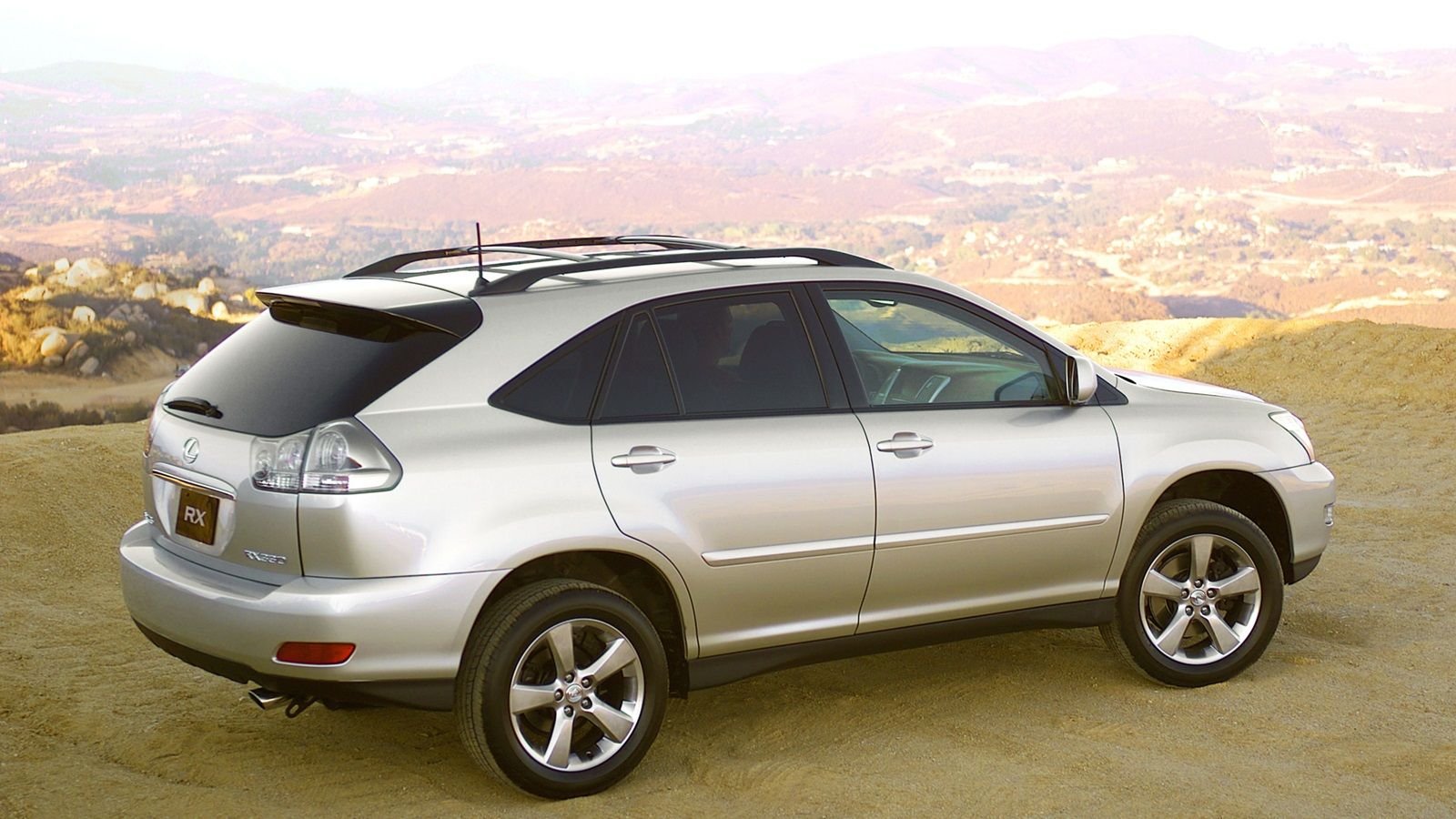
The Lexus RX 330 is a midsize luxury SUV produced from 2004 to 2006. It replaced the RX 300 and came before the RX 350. The RX 330 featured a 3.3-liter V6 engine and introduced new technology and comfort features. Many buyers love the RX 330 for its smooth ride and high-quality interior. But some model years have issues that can lead to costly repairs. Before you buy, it’s smart to understand how these years differ.
This model was designed to attract buyers who wanted a balance between luxury and practicality. It offered features like a premium sound system, leather seats, advanced climate control, and a roomy cabin. The RX 330 also introduced options such as power liftgates, navigation systems, and adaptive headlights, which were considered high-tech at the time.
Because the RX 330 is part of the second-generation RX line, it shares many parts and systems with the RX 300 and RX 350. However, the RX 330’s updates brought both improvements and new challenges. For instance, the engine was more powerful than the RX 300, but it sometimes suffered from oil leaks and high oil consumption—issues not as common in the earlier model.
The RX 330’s appeal comes from its reputation for reliability, but used models can have hidden problems depending on how they were maintained and the climate in which they were used. Vehicles from hot, sunny areas are especially prone to interior wear, while those from colder climates may face more rust or suspension problems.
Why Some Model Years Are Problematic
Not every RX 330 is the same. Even though Lexus has a strong reputation, some years have more complaints and known issues. The main areas where problems show up include engine performance, transmission reliability, electrical systems, and interior quality. Issues in these areas can mean expensive fixes or ongoing trouble.
Buyers often assume that “Lexus reliability” means every RX 330 will be trouble-free. But the reality is that certain years, especially early production models, can have defects that are expensive to fix or difficult to spot. This is partly because when a new model is launched, some issues only become clear after thousands of vehicles are already on the road.
Common Problem Areas
- Transmission Issues – Reports of rough shifting, slipping gears, or transmission failure. The RX 330 uses a 5-speed automatic transmission, which, in some years, is prone to software glitches and mechanical wear. Some owners notice delayed engagement when shifting from park to drive, or the transmission hesitating when accelerating from a stop.
- Engine Problems – Oil leaks, excessive oil consumption, or stalling. The engine can develop leaks from the valve cover gaskets, which may drip onto other components and cause damage over time. A less obvious issue is the oxygen sensor, which can fail and cause the engine to run poorly or trigger warning lights.
- Electrical Faults – Malfunctioning dashboard lights, navigation systems, or power accessories. Electrical gremlins often show up as random errors or failures in the infotainment system, backup camera, or power windows. Sometimes, these are caused by aging wiring or failed sensors.
- Interior Wear – Cracking dashboards and peeling materials, especially in hot climates. The RX 330’s dashboard material is sensitive to UV and heat, leading to cracks, stickiness, or even melting. This problem is more common in vehicles parked outside and rarely garaged.
Another subtle issue is premature wear of the seat leather and steering wheel, which can make the interior look aged even if the mechanical parts are still in good shape.
Lexus Rx 330 Years To Avoid
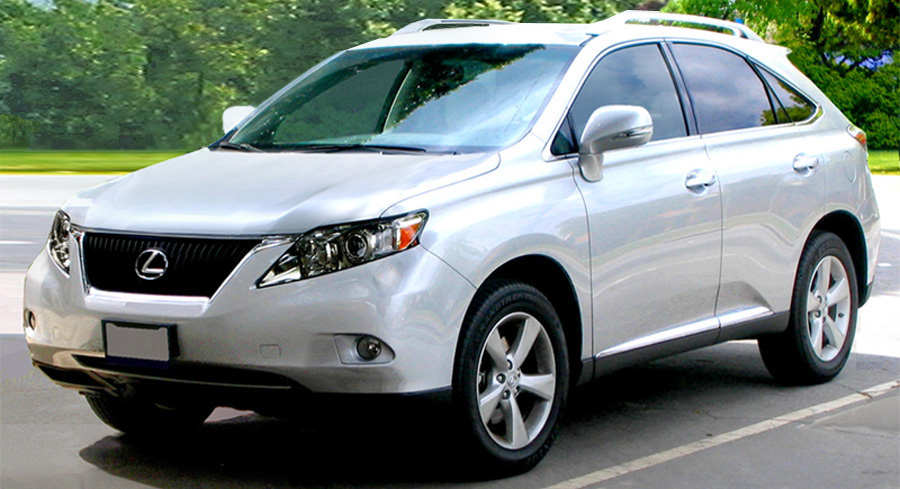
The RX 330 was only produced from 2004 to 2006, so there are just three model years. But within those years, certain production runs and VIN ranges are known to have more problems.
2004 Lexus Rx 330
The 2004 RX 330 was the first year of this model. Newer models often have more issues as manufacturers work out design flaws. Here are the main concerns:
- Transmission Problems: Many owners report harsh or delayed shifting. Some even face complete transmission failure around 100,000 miles. The software controlling the transmission was not fully refined in early builds, causing hesitation or jerky gear changes. Some buyers have needed to replace the transmission or update the software to fix these problems.
- Dashboard Cracking: In hot or sunny states, the dashboard can develop large cracks, leading to expensive repairs. The cracks usually start near the passenger airbag or the defroster vents and can spread quickly.
- Electrical Gremlins: Problems with the navigation and infotainment systems are common, including blank screens or malfunctioning controls. In some cases, the navigation screen flickers or fails completely, making it impossible to use the system.
- Power Rear Hatch Failure: The power liftgate sometimes fails, requiring costly replacement of the motor or sensors. This can leave you unable to open or close the trunk electronically, which is inconvenient and expensive to fix.
Example Complaint
A typical owner report: “At 110,000 miles, the transmission started slipping between second and third gear. Dealer quoted $3,500 for a rebuild.” This isn’t rare for the 2004 model.
Another example is dashboard cracking, with some owners in Arizona and Florida reporting cracks within five years of ownership. Replacing the dashboard can cost over $1,500, and Lexus only covered this problem for a limited time under warranty.
2005 Lexus Rx 330
While the 2005 RX 330 saw some improvements, it still carried many of the same issues as the previous year. Additional problems included:
- Steering Rack Leaks: Many owners mention leaking power steering racks, which can be expensive to fix. The leak usually starts as a slow drip and can cause steering to feel heavy or noisy.
- Sunroof Drain Clogs: Water leaks into the cabin due to clogged sunroof drains, causing mold and interior damage. This issue often shows up as damp carpets or a musty smell, and the repair can require removing interior panels to access and clean the drains.
- Continued Dashboard Issues: Cracking dashboards remained a problem, especially in warmer climates. Some owners tried to fix the cracks with aftermarket covers, but these can look cheap and may not solve the underlying issue.
- Suspension Wear: Front struts and bushings wear out faster than expected, leading to a rougher ride and extra expense. Suspension repairs are not cheap, and worn parts can cause knocking noises or poor handling.
Real Data
According to NHTSA records, the 2005 RX 330 had more than 150 complaints about steering and suspension, more than any other year.
Owners in rainy or humid areas also reported leaking sunroof drains, with some needing professional cleaning or replacement. Mold and water damage can be hard to remove and may impact resale value.
2006 Lexus Rx 330
The 2006 RX 330 is generally the most reliable of the three years. However, it’s not without faults:
- Dashboard Melting: In hotter states, the dashboard can become sticky or even melt, a known problem for Lexus vehicles of this era. The melting is usually worse in vehicles parked outside for long periods, and it can make the dash shiny, sticky, and difficult to clean.
- Interior Rattles: Some owners report persistent interior noises and squeaks. These can be annoying, especially in a luxury SUV, but they usually don’t impact safety or function.
- Transmission Software Glitches: A few drivers experience hesitation or rough shifting due to software rather than mechanical faults. In many cases, an update from the dealer can solve these issues.
Notable Insight
If you must buy an RX 330, the 2006 model is usually the best pick. Still, carefully check the dashboard and test the transmission before buying.
Another tip: 2006 models built late in the year (after summer) may have fewer dashboard issues, as Lexus improved the materials slightly. Always check the VIN to see when the car was built.
Rx 330 Problem Comparison By Year
Here’s a quick comparison to help you see the differences between the years:
| Year | Transmission Issues | Dashboard Problems | Electrical Problems | Other Notable Issues |
|---|---|---|---|---|
| 2004 | High | Cracking | Frequent | Power rear hatch |
| 2005 | Medium | Cracking | Moderate | Steering, sunroof leaks |
| 2006 | Low | Melting | Few | Interior rattles |
This table can help you quickly compare which year is best for your needs. Remember that “low” does not mean zero, so always check each vehicle carefully.
How To Identify A Problematic Rx 330
When shopping for a used RX 330, you need to look beyond the year. Even within a “good” year, some cars are neglected or have hidden issues. Here’s how you can spot trouble before you buy:
Inspect The Transmission
- Test Drive: Pay close attention to how the transmission shifts. Any hesitation, rough shifts, or slipping is a red flag. Try driving at different speeds and through city traffic to see how it responds.
- Maintenance Records: Ask for proof of regular transmission fluid changes. A neglected transmission can fail much earlier than expected.
If you feel any delay when shifting from reverse to drive, or notice the engine revving but the car not moving quickly, these are signs of a possible transmission problem.
Check The Dashboard
- Visual Inspection: Look for cracks, stickiness, or melting. Dash repairs are costly. Use a flashlight to check for hairline cracks or shiny, sticky spots.
- Touch Test: Press lightly to check for softness, which can mean the material is breaking down.
Some sellers try to hide dash damage with covers or cleaners. Ask them to remove any covers so you can inspect the original dashboard.
Evaluate The Electrical System
- Function Test: Try every button and feature—radio, navigation, windows, sunroof, power tailgate. Electrical issues often show up as intermittent failures, so test features multiple times.
- Check for Error Lights: Warning lights or error messages could signal deeper issues. Look for the “Check Engine,” “VSC,” or “ABS” lights.
If the navigation screen is dim or flickering, it may need an expensive repair or replacement.
Examine The Interior
- Look for Water Damage: Check carpets and headliner for moisture, especially if the sunroof drains are known to clog. Smell the car for any musty odors, which can indicate mold or leaks.
- Listen for Noises: Rattles or squeaks can indicate worn suspension or loose interior parts. Drive over rough roads to test for unusual sounds.
Review Ownership And Service History
A car with full service records and one or two owners is usually a safer bet. Avoid vehicles with gaps in history or many short-term owners.
Look for receipts of major repairs, such as transmission service, steering rack replacement, or dashboard repair. If the car has been serviced at a Lexus dealer, that’s usually a good sign.
What If You Already Own A Problem Year?
If you already have a 2004 or 2005 RX 330, don’t panic. Many problems can be managed if you’re proactive.
- Stay on Top of Maintenance: Regular oil changes, transmission fluid checks, and prompt repairs help avoid bigger issues. Always use high-quality fluids and parts recommended by Lexus.
- Watch for Early Signs: If you see a dashboard crack or feel a rough shift, address it early. Small issues can turn into expensive repairs if ignored.
- Consider Upgrades: Some aftermarket solutions, like dash covers or improved transmission cooling, can help reduce future problems.
If your dashboard is cracked or melting, consider a custom cover to prevent further damage. For transmission issues, updating the software or adding a transmission cooler may help extend the life of the unit.
Another tip: If you notice steering fluid leaks, fix them quickly. Letting the fluid run low can damage the steering pump, leading to higher repair costs.
Credit: www.copilotsearch.com
Rx 330 Vs Competitors: Reliability
It’s helpful to see how the RX 330 stacks up against similar luxury SUVs from the same era.
| Model | Engine Issues | Transmission Issues | Interior Quality | Owner Satisfaction |
|---|---|---|---|---|
| Lexus RX 330 | Low | Medium | High | High |
| Acura MDX (2004–2006) | Medium | High | Medium | Medium |
| BMW X5 (2004–2006) | High | Medium | Medium | Low |
| Mercedes ML350 (2004–2006) | High | Medium | Medium | Medium |
The RX 330 fares better than most, but the 2004 and 2005 years still have more issues than the 2006 or later RX models.
Compared to the Acura MDX, the RX 330 has fewer transmission complaints but more dashboard problems. The BMW X5 and Mercedes ML350 often face expensive engine and electrical repairs, which can make Lexus seem like a safer bet even in problem years.
Practical Tips For Buying A Used Rx 330
If you’re set on getting a Lexus RX 330, use these strategies to avoid costly mistakes:
- Aim for 2006: This year has the fewest serious problems. If possible, choose a vehicle built late in the year.
- Get a Pre-Purchase Inspection: Hire a mechanic familiar with Lexus to check for hidden issues. A specialist can spot things a general mechanic might miss.
- Request Full Service History: Cars with regular maintenance age better. Ask for receipts and detailed records, not just a stamped booklet.
- Check Recalls: Make sure all recall work was completed—especially for dashboard and electrical problems. Recalls can be checked online using the VIN.
- Test Every Feature: Don’t skip testing the navigation, power tailgate, and all electronics.
Also, check tire condition and alignment. Uneven tire wear can signal suspension or steering problems.
Try to buy from private sellers who have owned the car for several years. They often know the car’s history and can provide details about any repairs or issues.
Non-obvious Insights For Rx 330 Buyers
Many buyers miss these key details:
- Climate Matters: Cars from hotter states are more likely to have dashboard melting or cracking. If you buy from the South or Southwest, inspect the dash carefully.
- VIN Range Differences: Early production 2004 models (with lower VIN numbers) are more likely to have major transmission and dash problems.
- Aftermarket Solutions: Some owners use dash covers or install transmission coolers to extend the life of problem parts.
Another insight: Check if the vehicle was parked outside or garaged. Sun damage is much worse on cars parked outside, affecting both the dashboard and paint.
If you notice unusual smells or stains inside, this could be a sign of water leaks or mold—issues that are tough to fix and reduce resale value.
The Cost Of Common Repairs
Knowing potential repair costs can help you budget. Here are average estimates:
| Repair | Estimated Cost |
|---|---|
| Transmission Rebuild | $2,800–$4,000 |
| Dashboard Replacement | $1,200–$2,000 |
| Power Steering Rack | $1,000–$1,500 |
| Sunroof Drain Repair | $300–$600 |
| Suspension Overhaul | $1,000–$2,000 |
These costs show why it’s important to choose the right year and get a good inspection before you buy.
A few more examples: An oxygen sensor replacement can cost $300, and fixing electrical issues like a failed navigation screen may run $1,000 or more. Small repairs add up, so plan for an extra $500–$1,000 per year in maintenance.
Credit: www.fixdapp.com
Should You Buy A Lexus Rx 330?
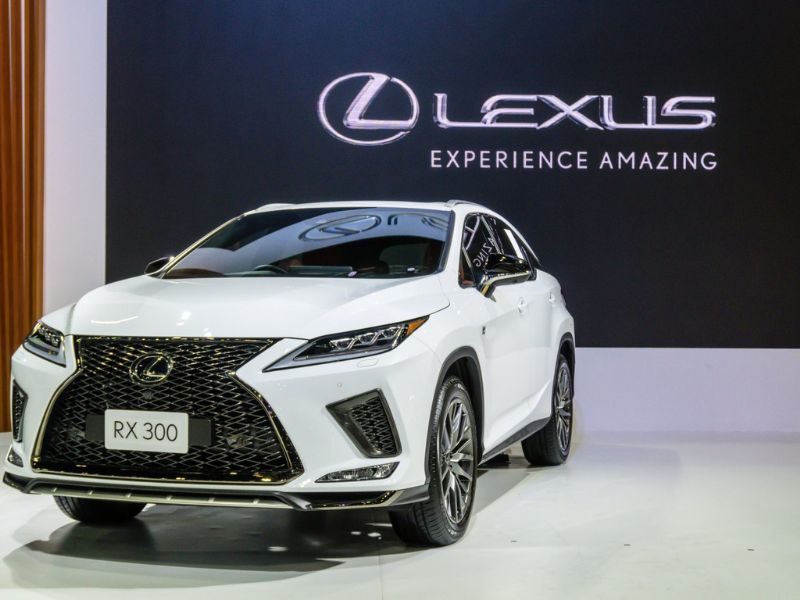
The RX 330 is still a good SUV for many buyers, especially if you find a well-maintained 2006 model. But if you see a 2004 or 2005 with signs of neglect or missing maintenance, it’s smart to walk away. The extra money for a later RX 350 or a clean 2006 RX 330 can save you thousands in repairs.
Think about your needs and budget. If you want a comfortable, reliable luxury SUV and can find a low-mileage 2006 RX 330 with a full service history, it’s worth considering. If you’re looking at a 2004 or 2005, check every detail and be ready to walk away if you spot major issues.
Where To Find More Information
If you want to dig deeper into reliability, owner complaints, and recalls, sites like the National Highway Traffic Safety Administration offer detailed data.
You can also check owner forums for real-world experiences and repair tips. Reading about actual repairs and costs can give you a better idea of what to expect.
Credit: www.clublexus.com
Frequently Asked Questions
What Is The Most Reliable Lexus Rx 330 Year?
The 2006 RX 330 is usually the most reliable. It has fewer complaints about transmission and dashboard problems. Still, check any used car carefully before buying.
Are Lexus Rx 330 Repairs Expensive?
Yes, repairs for luxury SUVs like the RX 330 can be costly. For example, a transmission rebuild can cost up to $4,000. Always budget for higher maintenance compared to non-luxury brands.
How Can I Avoid Buying A Problematic Rx 330?
Focus on the 2006 model, check maintenance records, get a pre-purchase inspection, and test all features. Avoid cars with dashboard cracks, rough transmission shifts, or electrical problems.
Is The Rx 330 Better Than The Rx 350?
The RX 350 is a newer model with a more powerful engine and improved reliability. If your budget allows, the RX 350 is usually a better choice, but a clean 2006 RX 330 is still a good option.
What Are The Top Signs Of Trouble In A Used Rx 330?
Watch out for cracked dashboards, rough transmission shifts, electrical errors, and signs of water leaks. These problems are common in the years to avoid and can lead to expensive repairs.
Choosing the right Lexus RX 330 takes a little research, but it’s worth the effort. By focusing on the best years and avoiding the problem models, you can enjoy the comfort and reliability that Lexus is famous for, without the headaches.