

The Kia Sorento has become a popular midsize SUV for families and individuals who want a mix of style, comfort, and affordability. But not every Sorento year delivers the same experience. Some models have been praised for their reliability and value, while others have left owners frustrated with costly problems. If you’re thinking about buying a used Kia Sorento, it’s smart to know which years to avoid—and why.
This article covers everything you need to know about the Kia Sorento years to avoid. We’ll look at the most troublesome model years, explain the main issues, show how they compare to better years, and give you tips for choosing a reliable used Sorento. You’ll also get answers to common questions buyers have. By the end, you’ll be able to shop with confidence and avoid expensive mistakes.
Understanding Kia Sorento Generations
Before we look at the worst years, it helps to understand the different generations of the Kia Sorento. Each generation brings changes in design, features, and—sometimes—reliability.
| Generation | Model Years | Key Changes |
|---|---|---|
| First | 2003-2009 | Body-on-frame, truck-like, basic tech |
| Second | 2011-2015 | Unibody, improved ride, more features |
| Third | 2016-2020 | Modern design, better engines, advanced tech |
| Fourth | 2021-present | Latest safety, hybrid options, upscale interior |
Each generation has its strengths and weak points. The worst years are often linked to big changes in design or new engines that didn’t perform as planned. Let’s explore the most problematic Sorento years.
Kia Sorento Years To Avoid: The Most Problematic Models
Some Kia Sorento years stand out for frequent, expensive, or dangerous problems. Here’s a breakdown of the years to avoid, with key reasons for each.
2011 Kia Sorento
The 2011 model marked the start of the second generation and came with big changes. Sadly, it also came with big problems.
- Engine failure: Many owners reported sudden engine failure, often before 100,000 miles. The main cause was connecting rod bearing failure, which can destroy the engine.
- Electrical issues: Problems with the starter motor, wiring, and lights left drivers stranded or facing expensive repairs.
- Transmission problems: Rough shifting and slipping made driving less safe and comfortable.
A 2011 Sorento might look like a good deal, but the risk of costly engine failure is too high.
2012 Kia Sorento
The 2012 model still suffered from many of the same problems as 2011.
- Engine ticking and knocking: These noises often led to complete engine failure. Many owners ended up replacing the engine.
- Airbag light issues: Faulty sensors caused the airbag light to stay on, creating safety worries.
- Interior quality issues: Cheap plastics and rattles became common complaints.
If you see a 2012 Sorento for sale, ask for proof of engine work or avoid it altogether.
2013 Kia Sorento
By 2013, some issues were fixed, but big ones remained.
- Engine recalls: The 2.4L engine was recalled for possible fires due to oil leaks.
- Electrical glitches: Power window and door lock failures were frequent.
- Steering noise: Clicking and clunking sounds from the steering column annoyed many owners.
The 2013 Sorento is another year best left on the lot unless you have a full repair history.
2014 Kia Sorento
Despite updates, 2014 brought its own set of headaches.
- Engine fires: The risk of engine fires increased, leading to more recalls.
- Premature engine wear: Many engines failed well before 100,000 miles.
- Infotainment failures: Touchscreens and backup cameras often stopped working.
Buying a 2014 Sorento may leave you dealing with recalls and repairs.
2015 Kia Sorento
The final year of the second generation, 2015, still had lingering problems.
- Ongoing engine failures: The same 2.4L and 3.3L engines continued to have issues.
- Electrical faults: Battery drain and alternator problems were common.
- Transmission hesitation: Drivers reported slow or rough shifting.
While less problematic than earlier years, 2015 still isn’t a safe bet for buyers seeking reliability.
2016 Kia Sorento
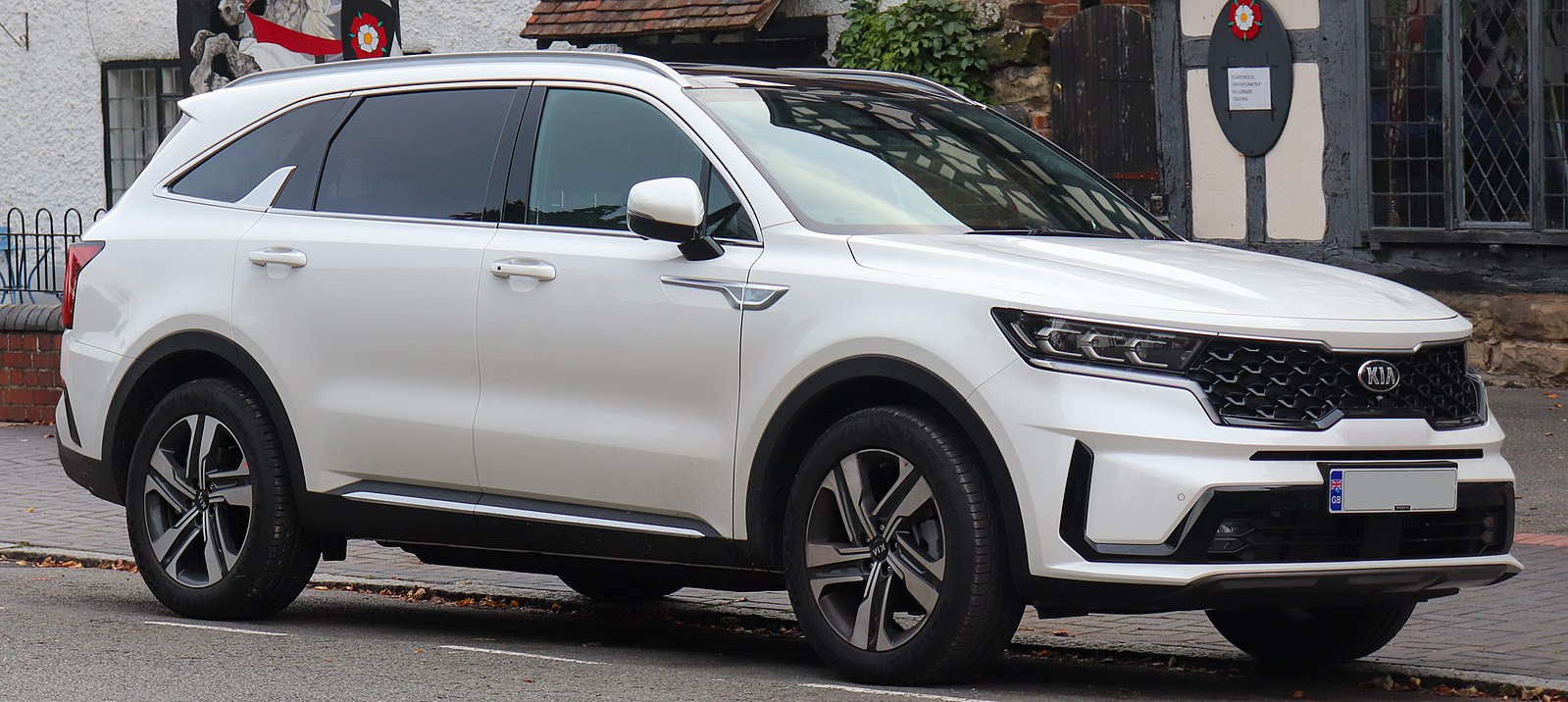
The third generation started in 2016, with a new look and improved features. But early models had teething troubles.
- Turbo engine issues: The 2.0L turbo had stalling and loss of power.
- Sunroof leaks: Water leaks into the cabin caused mold and electrical damage.
- Electrical gremlins: Navigation and dashboard lights sometimes failed.
If you want a third-generation Sorento, it’s better to look at later years.
Credit: www.copilotsearch.com
Key Problems That Make These Years Risky
Certain issues are more than just annoyances—they can be dangerous or lead to high repair costs. Here are the main problems in the Kia Sorento years to avoid.
Engine Failure And Fires
The biggest worry for owners has been engine failure. Many Sorentos from 2011–2016 used the Theta II engine, which is known for:
- Rod bearing failure: This can cause a loud knocking sound and, if ignored, total engine destruction.
- Oil leaks: Leaks near the exhaust can cause fires if oil touches hot surfaces.
- Recalls: Kia has recalled hundreds of thousands of Sorentos for these issues.
Replacing an engine can cost $4,000–$7,000, making it one of the most expensive problems an owner can face.
Electrical And Sensor Failures
From 2011 to 2015, many Sorentos had faulty electrical systems:
- Airbag sensors: Malfunctions could mean airbags won’t work in a crash.
- Starter issues: The car sometimes wouldn’t start, even with a healthy battery.
- Infotainment breakdowns: Navigation, audio, and backup cameras failed, reducing convenience and safety.
Electrical repairs can be tricky and expensive, especially if the source is hard to find.
Transmission And Drivetrain Problems
A smooth-shifting transmission is important for comfort and safety. Problem years often had:
- Rough or delayed shifting: The transmission hesitated or jerked, especially when cold.
- Complete failure: In rare cases, the transmission stopped working and had to be replaced.
- AWD system faults: All-wheel-drive models sometimes had transfer case failures.
Transmission replacements can cost $2,000–$4,000, so these problems are not minor.
Interior And Build Quality Issues
While not as serious as engine failure, poor build quality can make daily driving unpleasant:
- Rattles and squeaks: Annoying noises in the dash and doors are common.
- Worn materials: Seats and trim wear out faster than expected.
- Leaky sunroofs: Water leaks lead to mold, smells, and electrical damage.
While some issues can be fixed, they often indicate a car that was not built to last.
How Problem Years Compare To The Best Kia Sorento Years
It’s not all bad news. Some Sorento years have shown strong reliability. Let’s compare the most problematic years to more dependable models.
| Year | Engine Problems | Electrical Issues | Transmission Issues | Owner Satisfaction |
|---|---|---|---|---|
| 2011 | High | High | Moderate | Low |
| 2013 | High | Moderate | Low | Low |
| 2016 | Moderate | Moderate | Low | Moderate |
| 2018 | Low | Low | Low | High |
| 2020 | Low | Low | Low | High |
2018–2020 Sorentos stand out for fewer complaints, better owner reviews, and improved reliability. If your budget allows, these are some of the safest years to buy.
How To Spot A Problematic Sorento
If you find a used Sorento from a risky year, it’s possible—but not easy—to find one that’s been well cared for. Here are steps to protect yourself:
- Check the VIN for recalls: Use the National Highway Traffic Safety Administration (NHTSA) website to see if all recalls have been completed.
- Ask for service records: The best cars have a full history of regular maintenance.
- Look for engine replacement: Some owners replaced the engine under warranty. This is a big plus.
- Inspect for leaks and noises: Bring a mechanic or listen for engine knocks, squeaks, or rattles during a test drive.
- Test all electronics: Make sure the airbag light goes off, all windows work, and the infotainment system is functional.
Even with these checks, it’s safest to avoid known problem years unless you get a great deal and proof of repairs.
Why Did These Problems Happen?
Understanding the reasons behind these issues helps buyers make better choices. Most problems in the worst Sorento years come down to a few main causes:
- Engine design flaws: The Theta II engine used in 2011–2016 models had thin bearings and weak oil passages, making failures more likely.
- Cost-cutting: Kia rushed to add features and lower prices, but sometimes quality suffered in materials and parts.
- Rapid technology updates: Adding new infotainment and safety features introduced bugs that took years to fix.
- Supplier issues: Some electrical and engine parts were sourced from suppliers with quality problems.
Kia has worked to address these issues in later years, but early models are still risky for buyers.

Credit: www.pauletteauto.com
Real-world Owner Experiences
Reading real owner stories gives you a sense of what it’s like to own a Sorento from a bad year. Here are a few examples:
- “My 2012 Sorento engine started knocking at 90,000 miles. Kia replaced it under recall, but I was without a car for two months.”
- “Our 2014 Sorento caught fire in the driveway because of an oil leak. Insurance covered the loss, but it was terrifying.”
- “The airbag light kept coming on in my 2013 Sorento. The dealer replaced sensors twice, but it still comes back.”
Not every car from these years has problems, but the risk is much higher than in other SUVs.
Which Kia Sorento Years Are Safe To Buy?
If you want to avoid headaches, focus on the best Sorento years:
- 2017–2020: These third-generation models have improved engines, fewer recalls, and better tech.
- 2021–present: The newest generation offers modern safety features, hybrid options, and a high-quality interior. Early problems are rare.
- 2009–2010: The last years of the first generation are basic but reliable, with fewer engine issues.
Always look for a car with a clean history and regular maintenance, no matter the year.
Common Mistakes When Shopping For A Used Sorento
Many buyers make the same errors when searching for a used Sorento. Here are mistakes to avoid:
- Focusing only on price: A cheap Sorento from a risky year can cost thousands more in repairs.
- Skipping the pre-purchase inspection: Always have a trusted mechanic check the car, even if it looks perfect.
- Ignoring recalls: Some recalls expire or only cover certain owners. Don’t assume all repairs have been done.
- Trusting a single owner’s word: Get service records and check the VIN, not just seller promises.
- Overlooking interior and tech: Small issues like sunroof leaks or faulty electronics can ruin the ownership experience.
Taking the time to research and inspect can save you major headaches later.
How Does The Sorento Compare To Other Midsize Suvs?
If you’re open to other SUVs, it’s smart to compare the Sorento to its main rivals in terms of reliability and cost.
| Model | Best Years | Worst Years | Major Issues |
|---|---|---|---|
| Kia Sorento | 2017–2020 | 2011–2016 | Engine, electrical |
| Toyota Highlander | 2014–2021 | 2008–2013 | Oil leaks, transmission |
| Honda Pilot | 2016–2021 | 2003–2008 | Transmission, airbags |
| Hyundai Santa Fe | 2017–2019 | 2013–2015 | Engine, suspension |
The Sorento’s worst years are riskier than some rivals, but its best years offer good value and modern features. If reliability is your top goal, also consider the Toyota Highlander or Honda Pilot.
Practical Tips For Buying A Used Sorento
If you decide the Sorento is the right fit, follow these steps for a safer purchase:
- Set a budget for repairs: Even good models may need brakes, tires, or small fixes. Save $1,000–$2,000 for unexpected costs.
- Prioritize certified pre-owned (CPO): CPO Sorentos have extra warranty and must pass a strict inspection.
- Check for rust: Earlier models, especially in cold climates, can rust on the frame and underbody.
- Read owner forums: Sites like Kia-Forums.com offer real-world advice from current owners.
- Ask about warranty transfers: Some powertrain warranties may still apply to newer used Sorentos.
A careful search takes more time, but it means less stress after you buy.
The Role Of Recalls And Warranty
Kia responded to major problems with recalls, especially for engine and fire risks. Here’s what you should know:
- Recalls are free repairs: If a recall applies to your Sorento, Kia must fix the problem at no cost.
- Check by VIN: Always verify recall status before buying a used SUV.
- Warranty coverage: Most Kia Sorentos came with a 10-year/100,000-mile powertrain warranty. But this only applies to the first owner or, in some cases, certified pre-owned buyers.
A Sorento with completed recalls and some warranty left is much safer to buy.
Non-obvious Insights For Smart Buyers
Most buyers focus on engine and transmission issues, but here are two insights many miss:
- Many electrical issues are linked to sunroof leaks. If a used Sorento smells musty or has water stains, check the sunroof drains and seals closely. Water can cause hidden damage to expensive electronics under the dash.
- A history of regular oil changes is the best defense against engine failure. The Theta II engine is sensitive to oil condition. If you see long gaps or missing records, walk away—even if the car seems cheap.
When A Risky Sorento Can Make Sense
Sometimes a Sorento from a bad year can still be a good buy:
- The engine was replaced under warranty or by the owner, with receipts.
- All major recalls were completed and documented.
- The price is low enough to cover expected repairs, and you’re handy with cars.
This approach is only for buyers who understand the risks and have a backup vehicle if repairs take time.
Final Thoughts
The Kia Sorento is a great value in the midsize SUV market, but not every year is created equal. The 2011–2016 models, especially the early years, are linked to engine failures, electrical issues, and high repair costs. For peace of mind, most buyers should stick to 2017 or newer Sorentos. Always check a car’s history, inspect it carefully, and avoid deals that seem too good to be true.
If you want more details on recall info or engine problems, the NHTSA site is a trusted resource.
Making an informed choice means more than just picking a year. It’s about understanding what causes problems, how to spot them, and where to find the best value for your budget. With the right research and a little patience, you can find a Kia Sorento that’s reliable, comfortable, and ready for the road ahead.
Frequently Asked Questions
What Is The Most Reliable Year For The Kia Sorento?
The 2018–2020 Kia Sorento models are widely viewed as the most reliable. They have fewer engine and electrical complaints, updated technology, and improved safety features. The 2021 and newer Sorentos are also strong choices but may cost more.
Why Do Some Kia Sorentos Have Engine Failures?
Many 2011–2016 Sorentos used the Theta II engine, which had design flaws. Thin bearings and poor oil flow made it prone to failure, especially if oil changes were missed. Some engines also suffered from manufacturing debris left inside, causing premature wear.
Are All Kia Sorentos From 2011–2016 Bad?
Not every Sorento from these years will fail, but the risk is much higher. If you find one with a replaced engine, full service records, and completed recalls, it could be a safe buy. For most buyers, it’s better to choose a later model.
How Do I Check If A Used Sorento Has Open Recalls?
Go to the NHTSA website and enter the car’s VIN. You’ll see any open recalls and if they’ve been completed. This check is free and should be done before buying any used Kia Sorento.
Is The Kia Sorento Expensive To Repair?
Repair costs depend on the problem. Engine or transmission failure can cost several thousand dollars. Routine maintenance is average for the class, but electrical and engine issues in bad years are more expensive. Later models (2017+) have lower repair risks.
With this knowledge, you’re better prepared to choose a Kia Sorento that fits your needs—without unwanted surprises.

Credit: agtauto.com