Thinking about giving your truck topper a fresh coat of paint but unsure how much it will cost? You’re not alone.
Whether you want to match your truck’s color perfectly or simply refresh the look of your topper, knowing the right budget to set is key. You’ll discover the real costs behind painting a truck topper, from simple DIY projects to professional services, so you can make the best choice for your needs and wallet.
Ready to find out how much paint your truck topper needs and what it might cost? Keep reading to get all the answers!
Price Breakdown
Understanding the price breakdown for painting a truck topper helps you choose the best option. Costs vary widely based on the method and quality of work. Each option offers different benefits and price points.
Knowing what to expect can save you money and avoid surprises. Below is a clear look at the common price ranges and what they include.
Diy Paint Job Costs
Doing the paint job yourself is the cheapest option. You buy materials like primer, paint, and spray tools. A basic DIY paint kit can cost between $50 and $150.
This method gives you control over the process and materials. The finish may not be as smooth or long-lasting as professional work. It suits small touch-ups or budget projects.
Basic Professional Service
This service includes a few coats of synthetic enamel paint. The prep work is minimal, so the price is lower. Expect to pay from $300 to $600 for this service.
The finish looks better than DIY but may not fix all damage. Rust, dents, or deep scratches might still show through. It’s a good choice for improving appearance without a big investment.
Standard Professional Service
This is a full-service paint job with thorough prep work. It includes sanding, rust removal, and high-quality paint brands. Prices usually range from $700 to $1,200 or more.
The results last longer and have a smooth, glossy finish. Extra bodywork may cost more if your topper has major dents or rust. This option is best for a durable, professional look.
Cost Factors
Several factors influence the cost of painting a truck topper. Understanding these cost drivers helps you plan your budget better. The price depends on the work needed before painting, the paint type, your location, and the finish quality you want. Each element adds to the total expense differently.
Preparation And Repairs
Preparing the truck topper is a crucial step. This includes cleaning, sanding, and fixing dents or rust. Repairing damage takes time and skill, increasing labor costs. A smooth surface is necessary for paint to stick well and last longer. More repairs mean a higher price for the job.
Paint Quality And Layers
The type of paint affects the cost a lot. Premium paints last longer and resist fading better. Applying multiple layers creates a deeper, richer color and better protection. Clear coats add shine and shield the paint. Using cheaper paint or fewer layers lowers the price but reduces durability.
Location Variations
Prices vary by region due to local labor rates and shop overhead. Urban areas often charge more than rural ones. Some shops may use higher-quality materials, affecting the price. It is wise to compare quotes from different places in your area before deciding.
Desired Finish Level
The finish you want changes the cost. A simple, matte finish costs less than a glossy or metallic one. Custom colors or special effects increase the price too. High-end finishes need skilled painters and more time. Choose the finish that fits your style and budget.
Materials Needed
Gathering the right materials is essential before painting a truck topper. Proper materials ensure a smooth, durable, and attractive finish. Using quality supplies saves time and avoids costly mistakes. Prepare everything carefully for the best results.
Types Of Paint
Choose paint designed for automotive use. Acrylic enamel and urethane paints are popular choices. Acrylic enamel dries quickly and offers good durability. Urethane paint provides a tougher, longer-lasting finish. Select paint matching your truck’s color for a seamless look. Consider spray paint for easier application on curved surfaces.
Primers And Sealants
Primers prepare the topper’s surface for paint. They help paint stick better and last longer. Use an automotive primer made for plastic or fiberglass, depending on your topper material. Sealants protect the paint from moisture and chips. Clear coat sealants add shine and extra durability. Apply primer and sealant in thin, even layers.
Tools And Equipment
Essential tools include sandpaper, masking tape, and cleaning supplies. Sandpaper smooths the surface and removes old paint or rust. Masking tape covers areas you do not want painted. Use tack cloths to remove dust before painting. A spray gun or aerosol paint cans make painting easier. Safety gear like gloves and masks protect you during the process.
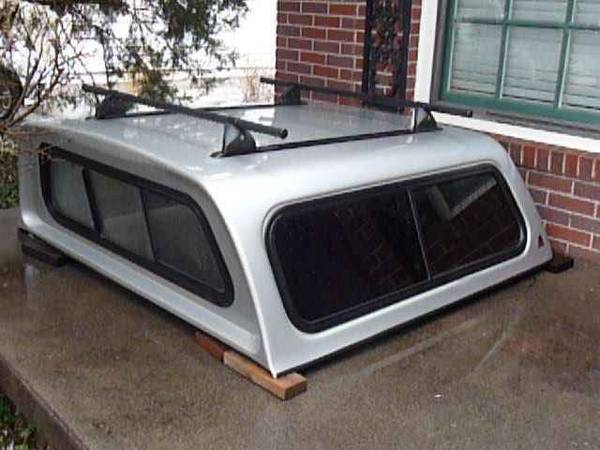
Credit: www.tacomaworld.com
Painting Process
The painting process for a truck topper involves careful steps to ensure a smooth and lasting finish. Proper preparation, application, and drying are key to a professional look. Each phase requires attention to detail for the best results.
Surface Preparation Steps
Start by cleaning the topper thoroughly to remove dirt and grease. Sand the surface lightly to help the paint stick better. Fill any dents or scratches with a suitable filler. After sanding again, wipe the surface with a tack cloth. Apply a primer coat to create a smooth base. Let the primer dry completely before painting.
Application Techniques
Use a spray gun or high-quality spray cans for even coverage. Apply thin, even coats to avoid drips and runs. Hold the spray nozzle about 6 to 8 inches from the surface. Allow each coat to dry before adding the next one. Usually, two to three coats provide good coverage. Finish with a clear coat for extra protection and shine.
Drying And Curing Time
Drying time depends on paint type and weather conditions. Usually, allow 20 to 30 minutes between coats. After the final coat, the paint needs 24 to 48 hours to dry fully. Avoid handling or exposing the topper to moisture during this time. For the best durability, cure the paint for up to a week before heavy use.
Budget Tips
Keeping your truck topper paint project within budget is important. Careful planning helps you avoid extra costs and get good results. Some practical tips can save money on materials, labor, and services.
These tips help you spend wisely without sacrificing quality. Learn how to choose materials, decide on DIY or professional work, and negotiate prices.
Saving On Materials
Buy paint and supplies in bulk or during sales. Choose brands that offer good quality at lower prices. Use primers and paints designed for truck toppers to avoid extra coats.
Check online stores for discounts and coupons. Avoid expensive tools if you can rent or borrow them. Plan the amount of paint carefully to reduce waste.
Choosing Between Diy And Pro
DIY painting saves labor costs and lets you work at your own pace. It is cheaper but may require time and effort to learn the process. The finish might not be as smooth or durable.
Professional painters offer better finishes and faster results. Basic services cost less but may skip detailed prep work. Standard services include sanding and rust repair but are pricier.
Compare quotes and evaluate your skills before deciding. Sometimes a simple DIY project with quality materials works best.
Negotiating With Paint Shops
Get multiple quotes from different shops for comparison. Ask if they offer discounts on package deals or off-season work. Request a clear breakdown of costs to understand what you pay for.
Discuss your budget openly and ask if they can adjust services to fit it. Some shops may reduce prices by limiting paint layers or prep work. Building a good relationship can lead to better deals.

Credit: www.reddit.com
Common Challenges
Painting a truck topper can be a rewarding project, but it comes with its own set of challenges. Understanding these common issues helps in planning the right approach and budget. Addressing problems early ensures a better finish and longer-lasting results.
Matching Truck Color
Finding the exact color match for your truck topper can be tricky. Paint shades may vary due to age and exposure to sunlight. Even the same color code can look different on various surfaces. Professionals often use custom mixing to get a closer match. Small differences in color are noticeable and can affect the overall look.
Dealing With Rust And Dents
Rust and dents on the topper surface must be repaired before painting. Rust weakens the material and causes paint to peel over time. Dents create uneven surfaces that show through the paint. Proper sanding, filling, and priming are necessary to fix these issues. Ignoring damage leads to a poor finish and shorter paint life.
Ensuring Durability
Durability depends on the paint quality and application method. Using high-quality paint and clear coats protects against weather and scratches. Surface preparation also plays a key role in paint adhesion. Poor prep work causes peeling and fading sooner. A durable paint job keeps the topper looking good for years.
Alternative Options
Exploring alternative options for customizing your truck topper paint can save money and add unique style. These methods offer different looks and protection levels. Consider these choices before committing to a full paint job.
Spray-on Bedliners
Spray-on bedliners provide a tough, textured surface. They protect against scratches and rust. This option is durable and low maintenance. It costs less than a full paint job. The finish is usually matte and rough. It suits trucks used for heavy work or off-roading.
Vinyl Wraps
Vinyl wraps cover your topper with a thin, colored film. They come in many colors and patterns. Wraps protect the original paint underneath. Installation is quicker than painting. Wraps can be removed or changed easily. This method is good for temporary color changes or advertising.
Partial Painting
Partial painting targets only damaged or faded areas. It reduces overall costs compared to full painting. This keeps most of your original paint intact. Matching paint colors can be tricky but saves money. Use partial painting for minor touch-ups or small sections.
Average Market Prices
Understanding the average market prices for painting a truck topper helps set realistic expectations. Prices differ based on location, paint quality, and preparation level. This section breaks down typical costs in Austin, Texas, compares them to the national range, and explores how seasons affect pricing.
Austin, Texas Pricing
In Austin, the cost to paint a truck topper usually ranges from $400 to $1,200. Basic jobs with minimal prep work fall near the lower end. More detailed work with rust removal and multiple paint layers pushes prices higher. Local shops may offer package deals that include sanding and primer application. Austin’s market tends to be slightly above the national average due to higher labor costs.
National Price Range
Across the United States, painting a truck topper typically costs between $300 and $1,000. Simple paint jobs without major repairs are the most affordable. High-end services that include thorough prep and premium paint can reach $1,200 or more. Prices vary widely depending on the region, shop reputation, and paint type. Urban areas often have higher rates compared to rural locations.
Seasonal Trends
Painting costs can fluctuate with the seasons. Prices often rise in spring and summer when demand is high. Shops get busier, and wait times increase. Winter months tend to be slower, leading to lower prices and discounts. Weather conditions also affect paint drying and curing times, influencing scheduling and costs. Planning your paint job during off-peak months may save money.

Credit: www.youtube.com
Frequently Asked Questions
How Many Cans Of Spray Paint For Truck Topper?
You need about 3 to 4 cans of spray paint to cover a standard truck topper. Coverage depends on paint type and topper size. Apply multiple thin coats for best results. Always buy an extra can for touch-ups.
How Much To Have A Truck Bed Painted?
Painting a truck bed costs between $300 and $1,500. Prices vary by prep work, paint quality, and location. DIY options are cheaper but less durable. Professional jobs provide better finishes and durability but cost more. Extensive rust or dents increase the price significantly.
Will 1 Gallon Of Paint Cover A Truck?
One gallon of paint typically covers a small truck area but may not fully cover an entire truck. Coverage depends on paint type and truck size.
How Much Paint Is Needed For A Truck Bed?
You need about one quart of paint to cover a standard truck bed. Use primer and bedliner for best durability.
How Much Paint Do I Need For A Truck Topper?
Typically, one gallon of paint covers a truck topper, but size and paint type may affect amount.
Conclusion
Painting a truck topper costs vary widely based on several factors. Prep work, paint quality, and location affect the price. DIY jobs save money but may lack durability. Professional services offer better finishes but come with higher costs. Deciding on your budget and desired look helps choose the right option.
Proper preparation ensures longer-lasting results. Keep these points in mind to plan your paint project well.