The Honda Ridgeline is a unique truck. It stands out because it blends the comfort of an SUV with the utility of a pickup. While many people appreciate its smooth ride, clever storage, and reliability, not every Ridgeline year is problem-free.
If you’re thinking of buying a used Honda Ridgeline, it’s important to know which years are best—and which to avoid.
Not all Ridgelines are created equal. Some model years have been praised for their durability, while others have known issues that could lead to expensive repairs. In this guide, you’ll learn about the Honda Ridgeline years to avoid, the reasons behind these recommendations, and how to make a smart buying decision. Whether you’re searching for your first truck or simply want a dependable vehicle, this article will help you avoid costly mistakes.
Why The Honda Ridgeline Is Popular
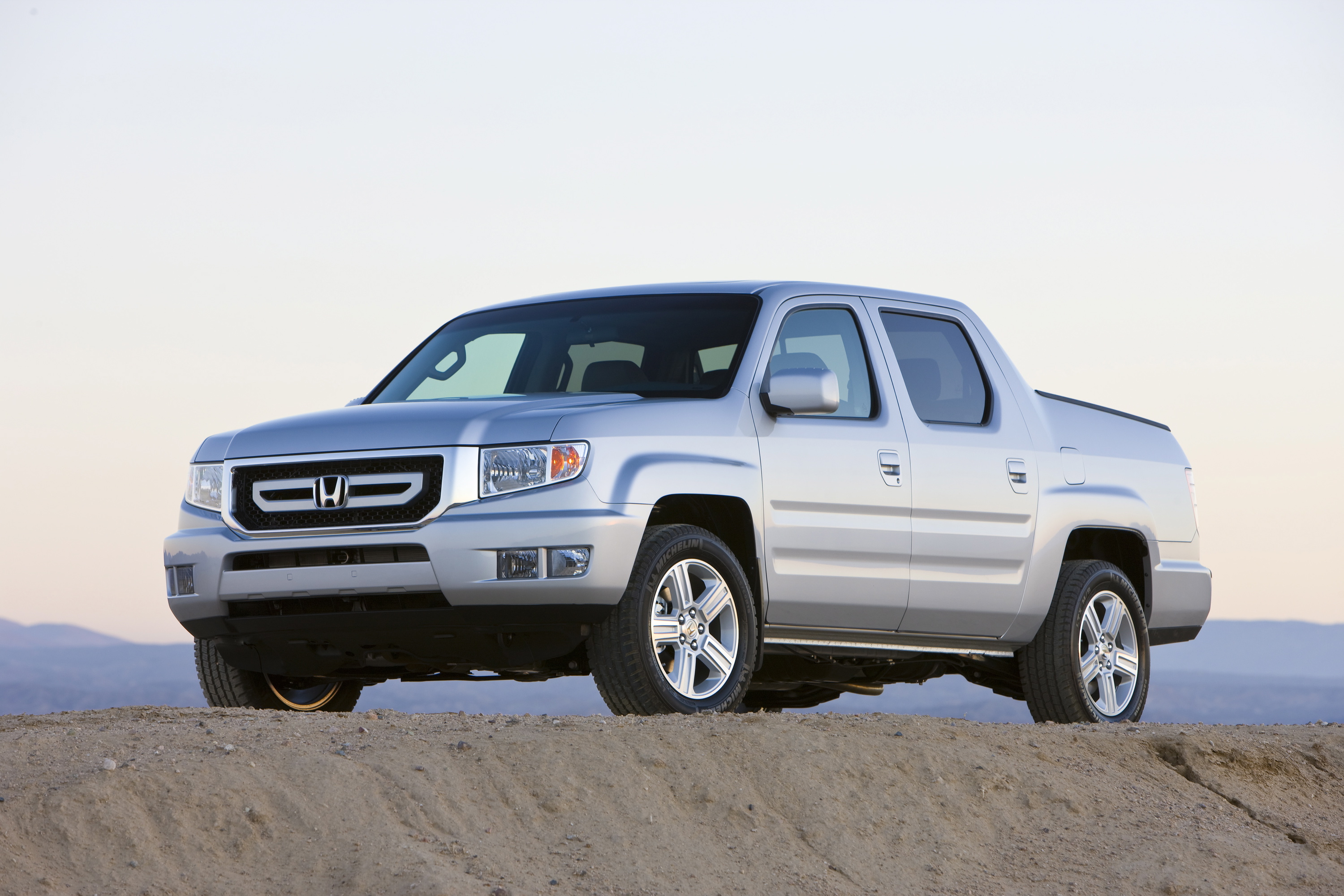
The Ridgeline has always been a different kind of pickup. Unlike traditional trucks with a separate frame and body, it uses a unibody design—more like a car or SUV. This gives it a smoother ride, better handling, and a quieter cabin. Many owners love the in-bed trunk, dual-action tailgate, and comfortable interior.
The in-bed trunk is especially helpful for groceries, tools, or sports gear, keeping valuables out of sight and dry. The dual-action tailgate opens down or swings to the side, making it easier to load heavy items or reach cargo deep in the bed.
These features aren’t just nice extras—they make the Ridgeline more practical for everyday life.
Over the years, the Ridgeline has won awards for safety and reliability. It’s also known for good fuel economy among midsize trucks. For example, the Ridgeline often achieves better gas mileage than similar trucks, which helps lower running costs. Honda’s focus on comfort means the seats are supportive, there’s plenty of space, and the cabin feels refined for a pickup.
However, every vehicle has its weak spots. While Honda’s reputation for quality is strong, even they have had some misses.
Honda Ridgeline Generations At A Glance
Before diving into which years to avoid, it helps to understand the Ridgeline’s history. The truck has gone through two main generations:
| Generation | Model Years | Key Changes |
|---|---|---|
| First Generation | 2006–2014 | Original launch, V6 engine, innovative features |
| Second Generation | 2017–present | Redesigned body, improved fuel economy, updated tech |
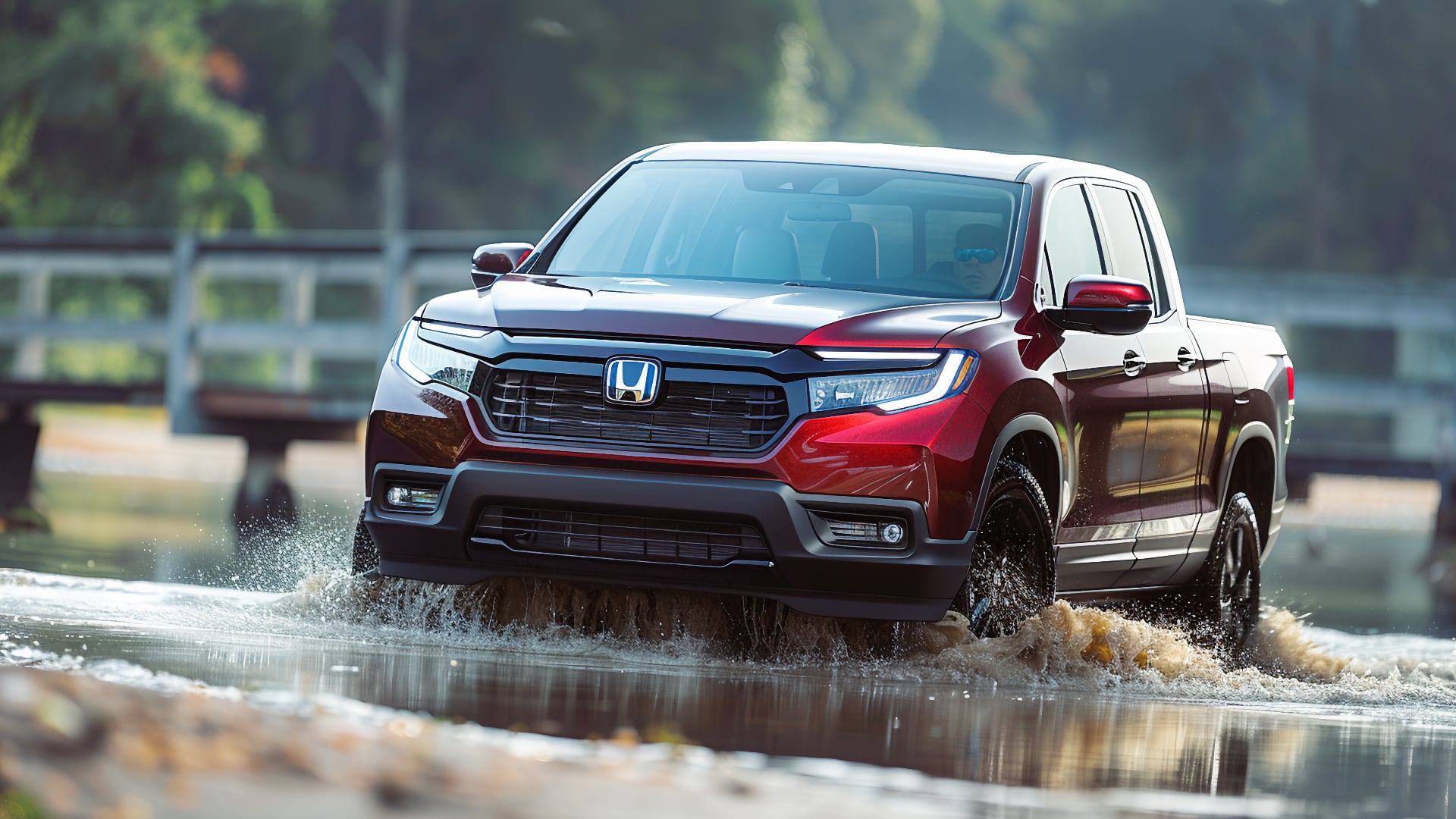
The first generation ran for about eight years before Honda paused production. The second generation started in 2017 with a new look and more modern features. The second-gen Ridgeline has a sleeker appearance and offers updated driver aids, like adaptive cruise control and lane-keeping assist.
Each generation has strong points, but also some problematic years. Both versions keep the Ridgeline’s signature comfort and practical storage but differ in technology and driving feel. Knowing these differences can help you decide which era of Ridgeline fits your needs and budget.
Credit: rerev.com
Honda Ridgeline Years To Avoid
Not every Ridgeline year is a troublemaker. Still, certain years are more likely to have serious issues. Based on owner reports, recalls, and expert reviews, the following Ridgeline model years are best avoided if you want fewer headaches.
2006 Honda Ridgeline
The Ridgeline’s debut year was 2006. Many people were excited to try this new kind of truck, but early models had growing pains.
Common Problems:
- Transmission failure: Some 2006 Ridgelines had issues with rough shifting, slipping, or total transmission failure. Repairs can cost thousands of dollars.
- Faulty airbags: Airbag recalls affected many 2006 models, creating safety concerns.
- Cracked rear differentials: Premature wear in the rear differential led to expensive repairs.
In addition, some owners reported odd noises from the suspension or underbody, which could indicate worn bushings or mounts. Early adopters sometimes faced more frequent trips to the shop for small problems that added up over time.
Why Avoid: The combination of major drivetrain problems and safety recalls makes the 2006 model a risky buy, especially as these trucks are now quite old. Even if a 2006 Ridgeline seems cheap, the potential repair costs can outweigh any savings.
2007-2008 Honda Ridgeline
The next two years brought improvements, but some issues remained.
Common Problems:
- Transmission and drivetrain: While less common than 2006, transmission and rear differential issues continued in 2007 and 2008.
- Electrical glitches: Owners reported problems with the navigation system, radio, and dashboard lights.
- Paint and body: Some trucks showed early rust or paint peeling, especially in colder climates.
Another complaint was premature wear on brakes and suspension parts. In colder areas, the paint and body issues were worse because road salt sped up rust and corrosion.
Why Avoid: These years are slightly more reliable than 2006, but transmission repairs are still a risk. Electrical issues can also be annoying and difficult to fix. If you live in a region with harsh winters, the body rust can become a serious concern.
2017 Honda Ridgeline
After a break, Honda launched the second-generation Ridgeline in 2017. While it was a big improvement, the first year of any redesign often has bugs.
Common Problems:
- Infotainment system failures: Many owners had trouble with the touchscreen freezing or not responding.
- Fuel system issues: Some trucks experienced fuel injector problems, leading to rough idling or engine hesitation.
- Paint quality: Chipping and peeling paint was a common complaint.
A few owners also noted minor transmission hesitation, especially during cold starts. The 2017’s newer technology sometimes led to more “gremlins” in software, like random warning lights or Bluetooth dropouts.
Why Avoid: The 2017 Ridgeline isn’t a bad truck overall, but it had more teething problems than later years. Most issues were fixed in 2018 and after. The first year of a new generation often acts as a “test run,” so it’s safer to choose later models.
2018 Honda Ridgeline
The 2018 model saw improvements, but a few problems from 2017 carried over.
Common Problems:
- Infotainment bugs: Some touchscreen problems persisted.
- Water leaks: A number of owners reported water leaking into the cabin during heavy rain.
- Fuel injector issues: The problem was less common but still appeared in some trucks.
Other issues included occasional rattles inside the cabin, which could be hard to track down. Some drivers also mentioned the rearview camera failing or displaying a distorted image, especially in wet weather.
Why Avoid: While not as risky as 2017, the 2018 model may still develop annoying electrical and water issues. If you park outside or live in a rainy area, water leaks can become a bigger problem over time.
Years With The Most Complaints
Not all problems are equal. Some Ridgeline years have a higher number of official complaints and recalls. Here’s a snapshot of owner-reported issues for key years:
| Model Year | Number of NHTSA Complaints | Most Common Problem |
|---|---|---|
| 2006 | 180+ | Transmission, airbags |
| 2007 | 90+ | Transmission, electrical |
| 2008 | 70+ | Drivetrain, paint |
| 2017 | 60+ | Infotainment, fuel system |
| 2018 | 40+ | Infotainment, water leaks |
Note: The number of complaints doesn’t tell the whole story, but it shows which years had the most owner frustration. Some issues may have been fixed under warranty, but high complaint numbers usually point to patterns that shoppers should not ignore.
Most Reliable Honda Ridgeline Years
If you want a used Ridgeline that’s less likely to cause trouble, some years stand out for their reliability and owner satisfaction.
2009–2014 Honda Ridgeline
After the early years, Honda worked out many issues in the first generation. From 2009 to 2014, the Ridgeline became much more dependable.
Why These Years Are Better:
- Fewer reports of transmission or differential failure
- Improved build quality
- Fewer recalls and owner complaints
These years also benefit from small upgrades in safety and interior materials. Many long-term owners report reaching over 150,000 miles with only basic maintenance. The engines are known to be tough, and even in higher-mileage trucks, the most common repairs tend to be minor—like brake pads or battery replacements.
2020–present Honda Ridgeline
Recent Ridgelines have proven to be both reliable and full of modern features.
Why These Years Stand Out:
- Advanced safety tech and infotainment
- Very few recalls or serious problems
- High ratings from owners and automotive experts
The 2020 update brought refreshed styling and even better driver aids, such as improved adaptive cruise control, blind-spot monitoring, and more user-friendly touchscreens. Owners praise the smooth V6 engine, and problems are rare compared to earlier years.
Tip: The 2019 model is also a good choice, but 2020 and later models have more up-to-date tech and styling. If you want features like Apple CarPlay, Android Auto, or the latest crash-avoidance systems, look at the newest years.
Major Problems In Ridgeline Years To Avoid
Understanding what can go wrong is the key to avoiding a bad purchase. Here’s a deeper look at the most common problems with the years you should avoid.
Transmission And Drivetrain Failures
Many early Ridgelines (especially 2006–2008) developed transmission problems. Symptoms included:
- Rough shifting
- Slipping gears
- Complete failure
These issues often showed up after 70,000–100,000 miles, but sometimes happened earlier. Repairs are expensive. A new transmission can cost $3,000 or more. Rear differential failures were also common and could leave the truck undriveable.
If you notice delayed shifting or strange noises when accelerating, these could be warning signs. Some owners tried fluid changes or software updates, but these were usually temporary fixes.
Infotainment And Electrical Issues
Second-generation Ridgelines (2017–2018) are known for touchscreen malfunctions. Common complaints include:
- Frozen or blank screens
- Bluetooth not connecting
- Backup camera not working
These issues may sound minor, but they can be frustrating, especially if you rely on navigation or hands-free calling. In a few cases, the entire infotainment unit needed to be replaced—a costly out-of-pocket repair if your warranty is expired.
Airbag And Safety Recalls
The first few years (2006–2008) were affected by the Takata airbag recall. This was a major safety issue affecting millions of vehicles worldwide. Airbags could deploy improperly and cause injury.
If you buy a Ridgeline from these years, always check that all airbag recalls have been completed—this is a critical safety step.
Fuel System And Engine Problems
In the 2017 and 2018 models, fuel injector issues sometimes caused:
- Rough idling
- Hesitation on acceleration
- Check engine light
Replacing fuel injectors can be costly, especially if the warranty has expired. A dirty or failing injector can also hurt fuel economy and cause the truck to fail emissions tests.
Paint And Body Quality
Some Ridgelines, especially from 2007–2008 and 2017–2018, suffered from paint peeling or chipping after only a few years. In cold-weather states, rust could start early if the paint failed.
Owners in snowy climates often found bubbling paint near the fender edges or around the doors. Repairing rust damage is not only cosmetic—it protects the truck’s value and structure.
Water Leaks
A less obvious problem in the 2018 Ridgeline was water leaking into the cabin. This usually happened during heavy rain or after car washes. If not fixed, water leaks can lead to mold, rust, and damage to the electrical system.
Sometimes leaks came from blocked sunroof drains or poor seals on the rear window. Always check the carpets and under the seats for signs of moisture or musty smells.
How To Spot A Problematic Ridgeline
Even if you know which years to avoid, a truck’s condition matters too. Here’s how to protect yourself:
- Check the VIN for Recalls: Use the National Highway Traffic Safety Administration (NHTSA) website to see if the truck has open recalls.
- Ask for Service Records: A well-maintained truck with all repairs documented is safer to buy.
- Inspect for Leaks: Look for signs of water in the cabin and under the hood.
- Test the Electronics: Make sure the touchscreen, radio, and all lights work as they should.
- Drive It: Always take a test drive. Listen for odd noises when shifting or turning.
- Look for Rust: Pay close attention to the wheel wells, undercarriage, and door edges.
- Ask About Paint Repairs: Fresh paint might be hiding rust or previous damage.
As an extra step, bring a small flashlight and check under the carpets for hidden water. Try all the switches and buttons inside the truck—sometimes electrical issues only show up with certain features, like the seat heaters or power windows.
Comparing Problem Years: What Owners Say
Owner feedback offers real-world insight you won’t find in brochures. Here’s a comparison of common complaints by year:
| Year | Transmission Issues | Infotainment Problems | Paint/Body | Water Leaks | Fuel System |
|---|---|---|---|---|---|
| 2006 | High | Low | Medium | Low | Low |
| 2007 | Medium | Medium | High | Low | Low |
| 2008 | Medium | Medium | High | Low | Low |
| 2017 | Low | High | Medium | Low | Medium |
| 2018 | Low | Medium | Medium | High | Medium |
This table shows that while 2006–2008 Ridgelines had more mechanical problems, the newer 2017–2018 models mostly struggled with electronics and minor leaks. An important note: electronic and leak issues may not stop the truck from running, but they can still cause headaches and cost you time and money.

Credit: www.youtube.com
Cost Of Repairs: What To Expect
If you end up with a Ridgeline from a problematic year, repairs can add up quickly. Here’s a breakdown of common repair costs:
- Transmission replacement: $3,000–$4,500
- Rear differential repair: $1,200–$2,000
- Infotainment system fix: $600–$1,500
- Fuel injector replacement: $800–$1,200
- Fixing water leaks: $300–$900 (if no mold or rust)
- Paint repair: $500–$2,000 (depending on how much needs repainting)
These are estimates. Actual costs can vary based on where you live and the shop you use. Another hidden cost is your time—waiting for parts or dealing with repeated visits to the mechanic. Some owners underestimate the inconvenience of chasing small but persistent issues.
Two Insights Many Buyers Miss
Most people look at mileage and price, but they miss two important details:
- Maintenance History Matters More Than Age: A 2017 Ridgeline with full service records is often a safer bet than a 2018 with gaps in care—even if the 2018 is a “better” year on paper.
- Check for Aftermarket Modifications: Some owners add lift kits, bigger wheels, or other modifications. These can stress the transmission or suspension, leading to more problems. Always ask if the truck is stock or modified.
A third detail: If the seller has owned the truck for many years and can explain every repair and service, it’s often a good sign. Trucks with several short-term owners may have skipped important maintenance.
Tips For Buying A Used Honda Ridgeline
If you’ve narrowed your search to a Ridgeline, follow these tips for a better experience:
- Focus on 2009–2014 and 2020–present models for the best reliability.
- Avoid 2006–2008 and the first two years of the second generation (2017–2018).
- Always get a pre-purchase inspection from a trusted mechanic.
- Be ready to walk away if you spot major red flags.
- Consider certified pre-owned (CPO) Ridgelines, which come with extra warranty coverage.
If you’re buying from a private seller, ask why they’re selling. Sometimes people sell just before a major repair comes due. Don’t be shy about asking questions—an honest seller will welcome your interest and provide clear answers.
Honda Ridgeline Vs. Other Trucks
How does the Ridgeline stack up against competitors? Here’s a quick comparison with two popular midsize trucks:
| Truck | Ride Comfort | Reliability | Towing Capacity | Unique Features |
|---|---|---|---|---|
| Honda Ridgeline | Excellent | High (except years to avoid) | 5,000 lbs | In-bed trunk, dual tailgate |
| Toyota Tacoma | Good | Very high | 6,800 lbs | Off-road options |
| Ford Ranger | Good | Average | 7,500 lbs | Turbo engine options |
While the Ridgeline doesn’t tow as much as some rivals, it wins for comfort and clever storage. For families or drivers who want a truck that feels like an SUV inside, the Ridgeline is hard to beat. If you plan to tow heavy trailers or go off-roading, the Tacoma or Ranger might fit better, but neither matches the Ridgeline’s ride quality or unique storage features.
Credit: www.motorbiscuit.com
Should You Avoid All Older Ridgelines?
Not every old Ridgeline is a “bad” buy. Some 2006–2008 trucks have been well cared for and already had major repairs done. If you find one with:
- Newer transmission or differential
- All recalls completed
- No rust or leaks
- Full service records
…it could still be a good value. Just know you’re taking a bigger risk, and you should pay less than for a newer, more reliable year.
It’s also smart to budget for possible repairs if you choose an older model. Sometimes, older Ridgelines are used as a second vehicle or for light work, which means less wear and tear. But always do your due diligence and consider a third-party warranty for added peace of mind.
Where To Find Reliable Information
To check a used Ridgeline’s history, use:
- Carfax or AutoCheck for accident and service records
- The NHTSA database for recalls
- Owner forums like Ridgeline Owners Club for real-life feedback
For deeper research, visit the official Honda website or trusted automotive sites like Edmunds.
Reading owner forums can also reveal tips for DIY repairs or maintenance tricks that shops may not mention. Many Ridgeline owners are happy to share their experiences, both good and bad.
Frequently Asked Questions
What Is The Worst Year For The Honda Ridgeline?
Most experts agree that 2006 is the worst year for the Ridgeline due to transmission failures and airbag recalls. High repair costs and common issues make it a risky choice.
Is The Honda Ridgeline Reliable?
Yes, but some years are much better than others. Models from 2009–2014 and 2020–present have the best track records. Early models and the first years of the second generation are less reliable.
What Is The Average Lifespan Of A Honda Ridgeline?
With proper maintenance, a Ridgeline can last 200,000 miles or more. Routine care is key. Trucks with full service records usually last longer than those with gaps in maintenance.
Are Honda Ridgelines Expensive To Repair?
Repairs can be costly, especially for transmissions or infotainment systems in problem years. However, most routine maintenance is affordable compared to other trucks.
How Can I Avoid Buying A Problematic Ridgeline?
- Research the model year
- Check for recalls
- Get a pre-purchase inspection
- Review service records
- Avoid trucks with major modifications or unclear histories
Buying a used truck is never 100% risk-free, but doing your homework greatly reduces the chance of trouble.
The Honda Ridgeline is a smart choice for many drivers, offering a smooth ride and smart features. By avoiding certain years and focusing on well-maintained models, you can enjoy the best of what this unique truck has to offer. Choose wisely, inspect carefully, and you’ll likely find a Ridgeline that serves you well for years to come.