

Are you wondering if applying Fluid Film on your painted surfaces is a smart move? Whether you’re protecting your vehicle, machinery, or outdoor equipment, you want to be sure that your paint stays intact while preventing rust and corrosion.
The idea of coating over paint can raise questions: Will Fluid Film harm your paint? Can it add extra protection or cause damage? This article will clear up the confusion and give you practical insights on how Fluid Film interacts with painted surfaces.
Keep reading to discover how you can safely use this powerful rust-preventive product without risking your paint job.
Benefits Of Fluid Film
Fluid Film offers several benefits when applied on painted surfaces. It enhances the durability and lifespan of paint. This product works gently yet effectively to protect metal underneath paint. Users find it valuable for maintaining vehicles, machinery, and outdoor equipment.
Rust Prevention
Fluid Film prevents rust by forming a protective barrier. This barrier blocks moisture and oxygen from reaching metal. It slows down corrosion and stops rust from spreading. Applying Fluid Film on paint adds an extra layer of defense. It keeps the metal safe even if the paint cracks or chips.
Paint Protection
Fluid Film does not damage paint or plastic surfaces. It creates a thin, invisible film that shields paint from harsh elements. This film reduces paint fading caused by sun and rain. It also protects against salt and dirt buildup. Regular use of Fluid Film helps maintain paint’s fresh look longer.
Lubrication Properties
Fluid Film acts as a lubricant for moving parts under painted surfaces. It reduces friction and wear in hinges, locks, and joints. This lubrication prevents squeaks and sticking. It extends the life of mechanical components. Fluid Film’s long-lasting lubricant quality reduces the need for frequent maintenance.

Credit: www.youtube.com
Application Tips
Applying Fluid Film on paint requires careful attention to detail for the best results. Proper application ensures long-lasting protection without damaging the paint surface. Follow these tips to make the process smooth and effective.
Surface Preparation
Clean the painted surface thoroughly before applying Fluid Film. Remove dirt, grease, and loose particles using mild soap and water. Dry the surface completely to avoid trapping moisture. Avoid using harsh chemicals that can damage the paint. Smooth, clean surfaces allow better adhesion and protection.
Best Spraying Techniques
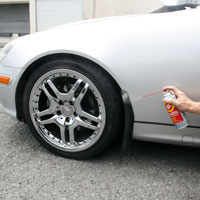
Use a spray can or pump sprayer for even Fluid Film coverage. Hold the sprayer about 8 to 12 inches from the surface. Apply in thin, overlapping layers to avoid drips and runs. Move the sprayer steadily and keep a consistent speed. For hard-to-reach areas, use a brush or rag to spread evenly.
Drying Time
Allow Fluid Film to dry for at least 24 hours before handling or exposing it to water. Drying time varies with temperature and humidity. Cooler or damp conditions may require longer drying times. Do not rush the process to ensure full protection and adhesion. Check the surface; it should feel dry but slightly tacky to touch.
Compatibility With Paint
Fluid Film is a popular rust prevention product used on many surfaces, including painted ones. Understanding its compatibility with paint helps protect your vehicle or equipment. This section explains how Fluid Film interacts with different paint types and coatings.
Safe Paint Types
Fluid Film is safe on most common paint types. It works well on automotive paint, enamel, and lacquer finishes. The product does not cause discoloration or peeling on cured, hard paints. Users report no damage when applying Fluid Film over older, fully dried paint.
Paints with strong chemical bases, like epoxy, also handle Fluid Film without problems. The product’s non-solvent formula reduces risks of paint damage. Still, always test a small area first to ensure full compatibility.
Effects On Fresh Paint
Applying Fluid Film on fresh paint requires caution. Wet or newly applied paint might soften or attract dirt when covered with the product. It can slow down the drying process and affect the paint’s finish.
Wait until paint is fully dry and cured before using Fluid Film on it. This avoids smudging and ensures the protective qualities of both paint and Fluid Film remain intact. Fresh paint needs time to harden before exposure to oils or solvents.
Undercoating Interaction
Fluid Film works well with most undercoatings used for rust protection. It can be sprayed over rubberized or asphalt-based undercoats without lifting or damaging them. The product penetrates better when applied over clean, dry undercoating layers.
Using Fluid Film as an additional layer enhances rust prevention under the vehicle. It keeps undercoatings flexible and extends their life. Avoid mixing Fluid Film with wet or uncured undercoatings to prevent poor adhesion and uneven surfaces.

Credit: www.amazon.com
Removal Methods
Removing Fluid Film from painted surfaces requires care to protect the paint. Fluid Film is a thick, oily product used for rust prevention and lubrication. It can leave a residue that some want to clean off. Several removal methods work well without damaging paint. Choose the right approach based on your tools and cleaning preferences.
Pressure Washing
Pressure washing uses a strong water jet to remove Fluid Film. It is effective for large areas or heavy buildup. Keep the pressure moderate to avoid paint damage. Hold the nozzle at an angle and keep distance. Pressure washing quickly loosens and washes away oily residues. It is a fast, water-based cleaning method.
Detergent Use
Detergents break down the oily film for easier removal. Mix warm water with a mild detergent. Use a soft cloth or sponge to apply the solution. Gently scrub the surface to lift the Fluid Film. Rinse thoroughly with clean water afterward. Detergents are widely available and safe for most paints. This method is simple and effective for light to medium residue.
Biodegradable Cleaners
Biodegradable cleaners offer an eco-friendly way to remove Fluid Film. These cleaners dissolve grease and oils without harsh chemicals. Choose a product labeled for tough grease removal. Apply the cleaner with a cloth or spray bottle. Let it sit briefly, then wipe or rinse off. Biodegradable options reduce environmental impact and protect your painted surfaces. They work well for stubborn or older Fluid Film deposits.
Longevity And Maintenance
Understanding the longevity and maintenance of Fluid Film on paint helps protect surfaces effectively. Proper care ensures lasting defense against rust and corrosion. This section highlights key points about how long Fluid Film lasts and how to maintain it.
Duration Of Protection
Fluid Film offers long-lasting protection on painted surfaces. It creates a thick, oily layer that repels moisture. This layer slows down rust and corrosion for months. The exact duration depends on exposure to weather and wear. In normal conditions, Fluid Film can protect for several months without losing effectiveness.
Reapplication Frequency
Reapplying Fluid Film keeps the protective barrier strong. For outdoor surfaces, reapply every 3 to 6 months. Check surfaces regularly for signs of drying or wear. Reapplication is simple: clean the surface, then spray or brush Fluid Film evenly. Frequent reapplication ensures continuous protection and prevents rust from forming.
Environmental Resistance
Fluid Film resists harsh weather, salt, and chemicals well. It works in rain, snow, and humid environments. The product also handles salt from roads or sea air without breaking down. This resistance makes Fluid Film ideal for vehicles, machinery, and outdoor equipment. It maintains paint integrity while defending against environmental damage.
Credit: www.fluid-film.com
Common Concerns
Applying Fluid Film on painted surfaces raises several common concerns. These worries mainly focus on how the product interacts with the paint’s texture and look. Understanding these points helps users make informed choices and avoid surprises.
Potential Paint Softening
Some users fear Fluid Film may soften or damage paint. Fluid Film is oil-based and gentle on most paint types. It does not contain harsh solvents that strip paint. Still, applying thick layers repeatedly might affect weaker paint finishes over time. Testing on a small area first can prevent damage. Overall, the risk of paint softening is low with proper use.
Appearance Changes
Fluid Film can leave a wet or oily sheen on painted surfaces. This change may alter the paint’s original look. The product dries slowly, so the glossy appearance might last for days. Over time, the shine diminishes as Fluid Film absorbs into the surface. Users seeking a matte finish may find the look less desirable. Wiping excess product after application helps reduce shine.
Professional Paint Shop Issues
Paint shops sometimes hesitate to work on cars treated with Fluid Film. The oily residue can interfere with paint adhesion during repairs. Removing Fluid Film fully before repainting is essential. Some shops may require special cleaning to ensure proper paint bonding. Informing the paint shop about Fluid Film use helps them prepare accordingly. Proper removal prevents complications in professional paint work.
Comparing With Other Products
Choosing the right product for protecting painted surfaces matters. Different products offer unique benefits and limitations. Understanding how Fluid Film compares helps in making a better choice. The focus here is on how Fluid Film works versus similar products.
Fluid Film Vs Rustoleum
Fluid Film is a lanolin-based rust inhibitor. It provides a flexible, non-drying coating. Rustoleum is a paint-based rust protector. It creates a hard, dry finish over metal. Fluid Film stays wet and seeps into crevices. Rustoleum forms a solid barrier on the surface.
Fluid Film does not crack or chip like paint. Rustoleum offers a more colorful, aesthetic look. Fluid Film works well under paint for extra rust protection. Rustoleum can be a topcoat or standalone rust shield.
Rust Converter Compatibility
Rust converters chemically change rust into a stable compound. Fluid Film can be applied over rust converters safely. It adds lubrication and water resistance. Using Fluid Film after a converter prevents new rust from forming. Some rust converters require painting on top. Fluid Film is safe under these paint layers.
Wax And Sealant Alternatives
Wax and sealants create a protective layer on painted surfaces. Fluid Film acts differently by penetrating and coating metal. Wax may wear off faster in harsh conditions. Fluid Film lasts longer as it does not dry completely. Fluid Film offers ongoing rust protection and lubrication. Wax and sealants mostly protect against water and dirt.
User Experiences
User experiences with Fluid Film on paint reveal its practical benefits and limitations. Many users share how it interacts with painted surfaces and its ease of use. These insights come from DIY enthusiasts, automotive professionals, and experts alike. Their feedback helps others understand how Fluid Film performs in real situations.
Diy Applications
Many DIYers use Fluid Film to protect painted surfaces from rust. They report that it applies smoothly without damaging paint. Some mention its oily texture, which can attract dust if not wiped properly. Users appreciate its ability to reach hard areas and provide lasting moisture protection. Cleaning Fluid Film off paint often requires a strong detergent or pressure washer. Overall, it is favored for easy home rust prevention projects.
Automotive Use Cases
Automotive users apply Fluid Film on painted car parts to prevent corrosion. They note it does not harm most automotive paints or plastics. Mechanics use it on undercarriages, hinges, and metal joints to stop rust and squeaks. Some drivers apply it on older vehicles to extend paint life and block moisture. Fluid Film’s lubricating properties help moving parts work smoothly. However, users advise careful application to avoid oily residue on visible paint.
Expert Recommendations
Experts recommend Fluid Film for painted surfaces as a rust barrier. They stress testing on small areas first to ensure paint compatibility. Professionals suggest using it over clean, dry paint for best adhesion. Experts also advise reapplying periodically to maintain protection. They highlight its non-toxic, solvent-free formula as safe for many surfaces. Proper removal methods, like warm detergent washes, keep paint looking good. Experts confirm Fluid Film’s value in long-term paint preservation.
Frequently Asked Questions
Can Fluid Film Be Applied Over Paint?
FLUID FILM can be applied over most painted surfaces without damaging the paint. It provides rust protection and lubrication. Avoid applying on fresh or delicate paint to prevent potential stripping. Always test a small area first for compatibility.
How Do You Remove Fluid Film From Paint?
Remove Fluid Film from paint using a warm water detergent wash or a commercial biodegradable cleaner. An industrial-strength pressure washer also works well. Choose cleaners designed for tough grease and grime for best results.
Will Fluid Film Damage Car Paint?
FLUID FILM does not harm most car paints. It safely protects metals and painted surfaces without causing damage.
Is Fluid Film Permanent?
Fluid Film is not permanent but offers long-lasting protection. Reapplication may be needed in harsh conditions to maintain effectiveness.
What Is Fluid Film And How Does It Work On Paint?
Fluid Film is a rust preventive that forms a protective, oily layer without harming paint surfaces.
Conclusion
Fluid Film protects metal without harming paint surfaces. It forms a durable, flexible layer that prevents rust. Applying it carefully keeps your paint looking good. Clean the surface well before use for best results. Removing Fluid Film is simple with warm water and detergent.
This product suits many automotive and industrial needs. Use it to extend the life of painted metal parts. Trust Fluid Film for safe, long-lasting rust protection.