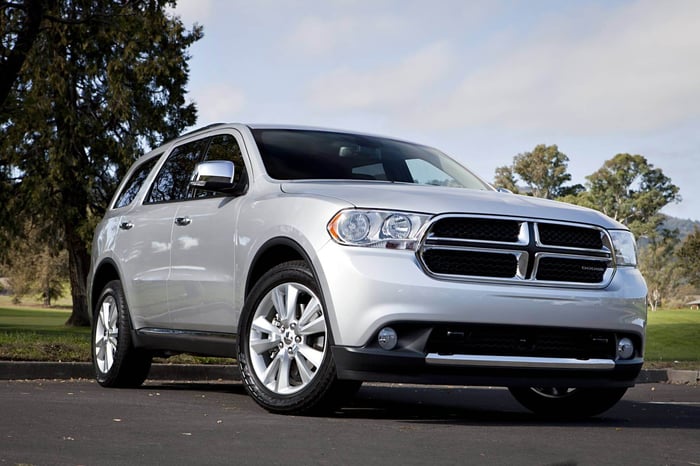
The Dodge Durango is a popular midsize SUV, known for its muscular look and strong performance. Many drivers love it for its towing power and roomy interior. However, not every Durango is the same. Some years have a better reputation for reliability, while others have faced more problems.
If you’re thinking about buying a used Dodge Durango, knowing which years to avoid can save you time, money, and frustration.
This article will guide you through the Dodge Durango years that are best left alone. You’ll learn about the most troublesome models, the issues that made them risky, and what to look for instead. We’ll also cover what makes a reliable Durango, common problems, and how to check a used SUV before buying.
By the end, you’ll have the knowledge to make a smart choice—and avoid a costly mistake.
Why Dodge Durango Reliability Varies By Year
Every car model goes through changes over time. The Dodge Durango is no different. Some years saw big redesigns, new engines, or improved technology. Other years had rushed updates, new parts with bugs, or manufacturing problems. These changes can make some Durangos much more reliable than others.
For example, the first generation (1998–2003) was Dodge’s attempt to enter the midsize SUV market. It was strong, but early models had some teething issues. The second generation (2004–2009) came with a new look and more power, but not all updates were positive.
The third generation (2011–present) brought better technology and comfort, but also new problems in certain years.
Car makers sometimes fix problems quietly in later models. That’s why one year might be full of complaints, while the next has far fewer. Paying attention to these trends helps you avoid the worst years and choose a Durango that will last longer.
Dodge Durango Years To Avoid
Let’s get straight to the point: Some Dodge Durango years have a bad reputation. They are known for costly repairs, safety concerns, or frequent breakdowns. If you want to avoid headaches, it’s wise to steer clear of these years.
1. 1999 Dodge Durango
The 1999 model is one of the most complained about Durangos. Owners have reported serious engine problems, especially with the 5.2L and 5.9L V8 engines. The most common issue is engine failure, sometimes before 100,000 miles. Replacing an engine is expensive, often costing more than the SUV is worth.
Other problems include transmission failure, electrical issues, and poor fuel economy. Many drivers also noticed paint peeling and rusting, which can lower resale value.
2. 2000–2003 Dodge Durango
The early 2000s were not good for Durango reliability. The 2000, 2001, 2002, and 2003 models suffered from similar engine and transmission issues as the 1999. The 4.7L V8 had problems with engine sludge, leading to sudden engine failure.
Other common complaints:
- Ball joint failure (dangerous for steering)
- Electrical system glitches
- Dashboard cracking
- Fuel pump failures
These years also scored low on owner satisfaction surveys. Many owners sold their Durangos early because of high repair costs and frequent breakdowns.
3. 2004 Dodge Durango
The 2004 Dodge Durango marked the start of the second generation. Sadly, it brought new problems. The biggest issue was with the 5.7L HEMI V8 engine. Many owners experienced water leaks into the engine compartment. This could lead to engine stalling, electrical shorts, or even engine failure.
The Totally Integrated Power Module (TIPM), responsible for many electrical systems, was also a weak point. Problems with the TIPM caused headlights to fail, windows to stop working, and unpredictable electrical behavior.
A unique issue for 2004: Many drivers reported the windshield wipers turning on by themselves or refusing to work at all.
4. 2005–2007 Dodge Durango
These years repeated many of the 2004 model’s problems. The HEMI engine continued to have water leak issues. The TIPM remained unreliable. Transmission failures were still common, and electrical system problems often led to expensive repairs.
Some owners also faced fuel tank issues—the tank would not fill properly, causing frequent stops at the gas station.
5. 2011–2013 Dodge Durango
The third generation of the Durango, starting in 2011, brought big changes. The SUV became more refined, with better interiors and new engines. But the early years (2011, 2012, and 2013) saw many new problems.
The most serious was with the TIPM. This part controls the fuel pump, ignition, and many electronics. When it failed, the Durango could stall without warning. Some owners had their SUV stop running while driving, creating a safety hazard.
Other problems included:
- Alternator failures (leading to a dead battery)
- Faulty fuel pumps
- Air conditioning breakdowns
- Rough shifting transmissions
Many of these issues led to recalls and expensive repairs.
6. 2014 Dodge Durango
The 2014 model was supposed to fix earlier problems, but it brought its own headaches. This year, electrical issues were still common. The Uconnect infotainment system (touchscreen) would freeze, reboot, or stop working. Some owners couldn’t use navigation, radio, or backup cameras.
There were also problems with the rotor and brake wear, causing vibrations and poor stopping power. The transmission was sometimes slow to shift or would jerk between gears.
7. 2016–2017 Dodge Durango
The 2016 and 2017 models were less problematic than earlier years, but they still had issues that made them worth avoiding for some buyers. Common complaints included:
- Transmission hesitation (especially at low speeds)
- Faulty air conditioning compressors
- Bluetooth and Uconnect failures
- Water leaks into the cabin
While not as serious as engine failure, these problems can be annoying and expensive to fix.
Quick Reference: Dodge Durango Years To Avoid
Here’s a summary in an easy-to-read table:
| Model Year | Main Issues | Estimated Repair Costs |
|---|---|---|
| 1999 | Engine & transmission failure, electrical problems | $2,500–$5,000 |
| 2000–2003 | Engine sludge, ball joints, electrical, dashboard | $2,000–$4,500 |
| 2004–2007 | Water leaks, TIPM failure, transmission, fuel tank | $1,500–$4,000 |
| 2011–2013 | TIPM failure, alternator, fuel pump, A/C | $1,800–$4,200 |
| 2014 | Electrical, Uconnect, brakes, transmission | $1,000–$2,500 |
| 2016–2017 | Transmission, A/C, infotainment, leaks | $900–$2,000 |

Credit: rerev.com
Why These Years Had So Many Problems
Understanding why certain years are worse can help you avoid similar mistakes when shopping for any used car. The worst Dodge Durango years often share a few things in common:
1. Rushed Redesigns or New Technology
When Dodge introduced new engines, electronics, or body styles, there were often “growing pains. ” For example, the 2004 redesign brought a bigger SUV and new engines, but quality control suffered. The 2011 third generation added modern features, but the TIPM and alternator issues were not fully tested.
2. Supplier and Manufacturing Issues
Some problems came from outside suppliers. The TIPM, for example, caused issues not only in the Durango but also in other Dodge and Jeep models. When a single part fails in many vehicles, recalls can take time, and repairs are expensive.
3. Poor Quality Control
During certain years, Dodge was struggling with overall brand quality. This led to more recalls, owner complaints, and lower resale values for affected years.
Common Dodge Durango Problems
Let’s look deeper at the main problems seen in the Dodge Durango years to avoid. If you see these issues in a used Durango, it’s a big red flag.
Engine Failure
Engine failure is the most expensive and stressful problem. In early models, oil sludge built up inside, blocking oil flow. Lack of oil causes parts to overheat and break. Sometimes, engines failed under 80,000 miles—much earlier than expected.
Transmission Issues
Dodge used automatic transmissions that sometimes shifted roughly, hesitated, or failed completely. Repairs can cost thousands, especially if the transmission must be replaced.
Electrical System Faults (tipm)
The Totally Integrated Power Module (TIPM) is the “brain” for many electrical systems. When it malfunctions, strange things happen—doors unlock by themselves, headlights flicker, or the engine won’t start. Replacing the TIPM can cost over $1,000.
Ball Joint And Suspension Problems
Ball joints connect the wheels to the suspension. When they wear out, the SUV can be hard to steer and unsafe to drive. Dodge recalled some models for this issue, but not all were fixed.
Water Leaks
Poor sealing around the windshield or hood let water drip onto the engine or inside the cabin. This led to rust, mold, or damaged electronics.
Infotainment And Interior Issues
Modern Durangos use the Uconnect system for navigation, music, and controls. When it fails, owners lose access to important features. Older Durangos also had dashboard cracks, broken seatbelts, and window switches that stopped working.
Here’s a breakdown of major problems by year:
| Year | Engine | Transmission | Electrical (TIPM) | Other Major Issues |
|---|---|---|---|---|
| 1999 | Frequent failure | Rough shifting/failure | Multiple faults | Paint, rust |
| 2000–2003 | Sludge, failure | Failure | Glitches | Ball joints, dashboard |
| 2004–2007 | Water leaks | Failure | Frequent TIPM faults | Fuel tank, wipers |
| 2011–2013 | Generally reliable | Rough shifting | Frequent TIPM faults | Alternator, A/C |
| 2014 | Generally reliable | Jerky shifting | Uconnect problems | Brakes, rotors |
| 2016–2017 | Reliable | Hesitation | Bluetooth, Uconnect | Water leaks |
Dodge Durango Years With Fewer Problems
While some years are best avoided, others stand out for their reliability. If you want a used Durango with fewer headaches, consider these years:
- 2008–2009: The last of the second generation, with most major issues fixed.
- 2015: Improved electronics and fewer major recalls.
- 2018–2020: Modern features and better reliability.
- 2021 and newer: Latest technology, strong safety scores, and few complaints (but often more expensive).
These years tend to have better owner satisfaction, lower repair costs, and fewer recalls.
How To Check A Used Dodge Durango Before Buying
Even if you avoid the worst years, it’s smart to check any used Durango carefully. Here’s how:
- Check the Vehicle History Report: Use services like CARFAX to see if the Durango was in a major accident, had flood damage, or was used as a rental. Look for regular maintenance records.
- Test All Electronics: Try the windows, locks, lights, and especially the Uconnect system. Watch for flickering or random errors.
- Listen to the Engine and Transmission: On your test drive, listen for knocking, rattling, or hesitation when shifting gears.
- Look Under the Hood: Check for signs of leaks, rust, or damaged wires—especially near the TIPM.
- Inspect for Water Damage: Check the carpet and trunk for musty smells or dampness.
- Review Recalls: Ask the seller if all recalls have been fixed. You can check by entering the VIN at the National Highway Traffic Safety Administration website.
- Get a Pre-Purchase Inspection: A trusted mechanic can spot issues you might miss. They can check for worn ball joints, engine health, and electrical system faults.
Credit: municibid.com
Used Dodge Durango: What To Consider Before Buying
Buying a used SUV always involves some risk, but you can lower that risk by knowing what matters most. Here’s what to focus on with a Dodge Durango:
- Model year: Avoid problem years; choose one with good reliability scores.
- Mileage: Lower mileage usually means less wear, but service history is more important.
- Service records: A Durango with regular oil changes and repairs is a safer bet.
- Ownership history: One-owner vehicles are often in better shape.
- Price: Cheap Durangos from bad years may cost more in repairs over time. Sometimes, it’s better to pay more upfront for a better year.
Non-obvious Insights Most Buyers Miss
Let’s go beyond the basics. Here are two insights many buyers overlook:
1. Not All Recalls Are Fixed
Many SUVs are sold with open recalls. Some owners never take their Durango to the dealer for a free repair. Always check for open recalls before you buy.
2. Technology Troubles Can Be Costly
People often focus on engines and transmissions but forget about electronics. The Uconnect system, TIPM, and other electronics are expensive to repair if they fail. Make sure every feature works before you buy.
Dodge Durango Vs. Other Midsize Suvs
If you’re not sure about the Durango, it helps to compare it to other options. Here’s how the Durango (third generation) stacks up against popular competitors in reliability and owner satisfaction:
| SUV Model | Reliability Rating | Owner Satisfaction | Common Problems |
|---|---|---|---|
| Dodge Durango (2011–2013) | Below Average | Average | TIPM, alternator, transmission |
| Ford Explorer (2011–2013) | Below Average | Below Average | Transmission, electronics |
| Toyota Highlander (2011–2013) | Above Average | Above Average | Minor electrical |
| Honda Pilot (2011–2013) | Above Average | Above Average | Oil leaks, engine mounts |
| Chevrolet Traverse (2011–2013) | Average | Average | Timing chain, air conditioning |
As you can see, the Durango is not alone in having issues during certain years. However, brands like Toyota and Honda tend to have higher reliability, especially for buyers who want fewer surprises.
How To Find A Reliable Used Durango
If you’re set on a Dodge Durango, here’s how to improve your odds of getting a good one:
- Stick to better years: Choose 2008–2009, 2015, or 2018 and newer if possible.
- Avoid high-mileage models from bad years: Even a cheap Durango from a problem year can cost thousands in repairs.
- Buy from a trusted dealer or private seller: Look for sellers who provide full service records.
- Consider certified pre-owned (CPO) models: These are inspected and come with extra warranty coverage.
- Test drive and inspect carefully: Don’t rush into buying—make sure everything works.
Cost Of Repairs: What To Expect
If you buy a Durango from a year with problems, you may face higher repair bills. Here are some average costs for major repairs (parts and labor):
- Engine replacement: $3,500–$5,000
- Transmission replacement: $2,500–$4,000
- TIPM replacement: $1,000–$1,600
- Alternator replacement: $600–$900
- Ball joint replacement: $400–$800
- Uconnect repair: $800–$2,000
Repairs can add up quickly. That’s why avoiding the worst years is so important.
What Makes A “good Year” For Dodge Durango?
A good Dodge Durango year is one with:
- Fewer recalls and complaints
- Better reliability ratings from sources like J.D. Power and Consumer Reports
- Satisfied owners with high ratings
- No major engine, transmission, or electronics issues
Models from good years tend to hold their value better and give you more peace of mind.
Is Dodge Fixing These Problems In Newer Models?
Dodge has improved the Durango over time. Newer models (2018 and later) have better electronics, stronger engines, and higher owner satisfaction. The company has responded to past complaints with recalls, improved parts, and stricter quality control.
However, every car can have problems. Regular maintenance, careful buying, and choosing a good model year are still the best ways to stay safe.
If you want up-to-date recall information, visit the official NHTSA website.
Frequently Asked Questions
Is The Dodge Durango A Reliable Suv?
The Durango can be reliable in the right years. Models from 2008–2009, 2015, and 2018 and newer are usually better. Avoid the years with known engine, transmission, or electrical issues.
What Is The Worst Year For The Dodge Durango?
The 1999 Dodge Durango is often considered the worst. It had high rates of engine and transmission failure, plus electrical and rust problems.
Are Dodge Durangos Expensive To Maintain?
Yes, especially in the problem years. Engine, transmission, and electrical repairs can be costly. Choose a reliable year, and get regular maintenance to keep costs lower.
How Can I Know If A Used Durango Has Had Its Recalls Fixed?
Ask the seller for proof, or check the VIN on the National Highway Traffic Safety Administration (NHTSA) website. Not all recalls are fixed by previous owners.
What Midsize Suv Is More Reliable Than The Dodge Durango?
The Toyota Highlander and Honda Pilot are often more reliable. They usually have fewer major problems and higher owner satisfaction.
Choosing the right Dodge Durango can give you years of solid performance and comfort. Avoiding the worst years is the smartest way to make sure your next SUV is a good investment. If you do your homework and check the SUV carefully, you’ll enjoy the strength and style of the Durango—without the costly surprises.

Credit: www.copilotsearch.com