If you’re working on your Dana 44 axle, getting the pinion nut torque just right is crucial. Too loose, and your pinion bearings can wear out quickly.
Too tight, and you risk damaging seals or causing leaks. You might wonder, “What’s the exact torque setting I need? ” or “How do I properly set the pinion bearing preload? ” This guide will walk you through everything you need to know—step by step—to ensure your pinion nut is torqued perfectly.
By following these tips, you’ll protect your axle, improve performance, and avoid costly repairs down the road. Keep reading to master the Dana 44 pinion nut torque like a pro.
Pinion Nut Torque Specs
The pinion nut torque specs for a Dana 44 axle are critical for proper differential function. Correct torque ensures the pinion bearing preload is accurate, which affects durability and performance. Too much torque can damage bearings and seals. Too little causes excessive play and noise. Understanding the right torque values helps maintain your vehicle’s drivetrain health.
Standard Torque Ranges
For most Dana 44 axles, the pinion nut torque typically falls between 150 and 250 ft-lbs. This range sets the proper preload on the pinion bearings. The exact torque depends on the crush sleeve or shim used in the setup. Mechanics tighten the nut gradually while checking the rotational drag. This drag is a small resistance felt when turning the pinion. It usually measures between 10 and 20 inch-pounds.
After reaching the correct drag, the pinion nut is secured with a new nut and Loctite to prevent loosening. Over-torquing risks bearing damage and seal leaks. Under-torquing leads to excessive bearing play and noise. This balance is key to long-lasting axle performance.
Vehicle Specific Variations
Different vehicles equipped with Dana 44 axles may have varying torque specs. Factors include the axle’s year, manufacturer, and bearing condition. New bearings often require a slightly different preload than used ones. Factory service manuals provide specific torque numbers for each vehicle model.
Some Dana 44 setups use shims instead of crush sleeves, changing torque needs. High-performance or off-road vehicles might need adjusted torque values to handle extra stress. Always consult the exact vehicle specs before tightening the pinion nut. This ensures correct preload and protects the axle components.
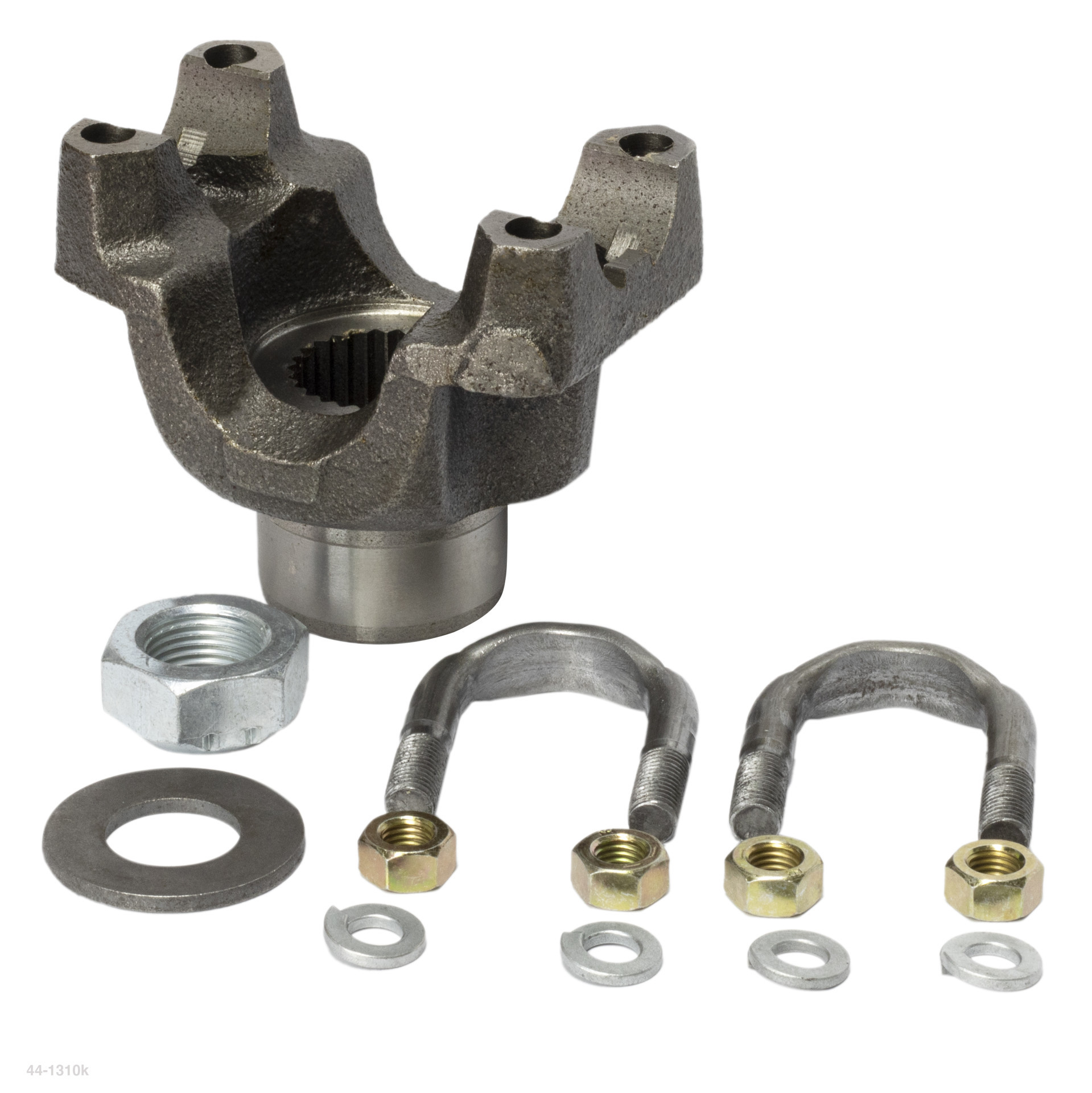
Credit: www.currie4x4.com
Pinion Bearing Preload
The pinion bearing preload is critical for the proper function of a Dana 44 axle. It controls the pressure on the pinion bearings inside the differential. Proper preload reduces wear and noise while ensuring smooth rotation.
Setting preload involves tightening the pinion nut to a specific torque and checking the rotational drag. This balance prevents the bearings from being too loose or too tight, both of which can cause damage.
What Is Preload
Preload is the rotational resistance on the pinion bearings. It is created by tightening the pinion nut. This force keeps the bearings seated firmly without causing excessive friction.
Correct preload ensures the bearings spin smoothly but with enough pressure to avoid movement. It is measured in inch-pounds of rotational drag.
Measuring Rotational Drag
Rotational drag is measured by turning the pinion after tightening the nut. Use a torque wrench or a beam gauge to feel the resistance.
The drag should match the manufacturer’s specifications for the Dana 44 axle. Too little drag means loose bearings; too much means over-tightening.
Importance Of Correct Preload
Proper preload extends bearing life and reduces noise. It prevents premature wear and avoids damage to the pinion seal.
Incorrect preload can cause leaks, bearing failure, or warped components. Setting preload carefully protects your axle and improves performance.
Using Crush Sleeves
Crush sleeves play a vital role in setting the correct pinion bearing preload. They are designed to deform slightly under torque. This deformation ensures the pinion bearings have the right amount of resistance. The goal is to prevent bearing damage and maintain smooth axle operation. Using a crush sleeve requires precise torque application. Once crushed, the sleeve cannot be reused and must be replaced if removed.
How Crush Sleeves Work
A crush sleeve sits between two pinion bearings. When you tighten the pinion nut, the sleeve compresses. This compression sets the preload on the bearings. The sleeve crushes to a specific thickness, ensuring the bearings are neither too loose nor too tight. Proper preload extends bearing life and improves gear performance. It is important to torque the nut carefully during installation.
Crush Sleeve Vs Eliminator
Crush sleeves are single-use and must be replaced after removal. Eliminators are adjustable spacers that can be reused. Eliminators allow fine preload adjustments without crushing. They give more flexibility during assembly and repairs. Crush sleeves offer a simple, reliable preload method but no adjustment after crushing. Choosing between them depends on your preference and maintenance plans.
Replacing Crush Sleeves
Always replace the crush sleeve when removing the pinion nut. Reusing an old sleeve risks improper preload and bearing damage. Remove the old sleeve carefully and install a new one before tightening the pinion nut. Apply the specified torque slowly to crush the sleeve correctly. Check the rotational drag to confirm proper preload. Using a new nut and thread locker can prevent loosening.

Credit: classicbroncos.com
Step-by-step Torque Setting
Setting the correct torque on a Dana 44 pinion nut is crucial for proper differential function. This step-by-step guide ensures the right balance between tightness and bearing preload. Proper torque setting prevents premature wear and maintains smooth operation. Follow these key steps to achieve optimal results.
Lubrication Tips
Apply a thin layer of high-quality gear oil on the pinion bearing and threads. This reduces friction during tightening. Avoid over-lubrication, as excess oil may cause inaccurate torque readings. Clean old grease or dirt before applying fresh lubricant. Proper lubrication helps achieve consistent torque values.
Applying Thread Locker
Use a medium-strength thread locker on the pinion nut threads. This prevents the nut from loosening over time due to vibrations. Avoid using excessive amounts; a small drop is sufficient. Thread locker improves the nut’s hold without affecting torque settings. Allow it to cure as per product instructions.
Tightening Procedure
Start by hand-tightening the pinion nut to seat the bearings. Use a torque wrench to gradually tighten the nut in small increments. Monitor the rotational drag after each step. Do not exceed the maximum torque specified in your service manual. Tighten until the correct preload is felt.
Checking Preload With Inch-pound Wrench
Use an inch-pound torque wrench to measure rotational drag on the pinion. Rotate the pinion slowly while watching the wrench reading. The preload should match the specification in the manual, usually between 10 to 20 inch-pounds. Adjust the nut if the drag is too low or too high. Accurate preload protects bearing life.
Final Torque Vs Preload Priority
Preload takes priority over final torque value. Set the preload first by feel or measurement, then apply the final torque. Over-tightening to reach torque can damage bearings. If preload is correct but torque is low, do not tighten further. Always follow vehicle-specific specs for best results.
Adjusting Preload
Adjusting preload on the Dana 44 pinion nut ensures the correct tension on the pinion bearings. Proper preload prevents bearing wear and avoids damage to the differential. Achieving the right preload requires careful torque adjustments and checking rotational drag. This process improves the axle’s durability and smooth operation.
Increasing Torque In Increments
Start by tightening the pinion nut gradually. Increase torque in small steps, about 5 to 10 ft-lbs at a time. After each step, check the rotational drag on the bearings. This prevents over-tightening, which can damage the bearings or seal. Small increments help find the perfect preload without causing harm.
Using Thinner Spacers
If the drag is too high after tightening, consider using a thinner preload spacer. Thinner spacers reduce the preload pressure on the bearings. This adjustment can fine-tune the rotational drag to the correct level. Always replace spacers carefully to maintain proper alignment and avoid damage.
Rechecking After Seal Installation
After installing the pinion seal, recheck the preload torque. Seal installation can slightly change the pinion’s preload. Verifying torque again ensures the bearings are not too tight or loose. This step protects the seal and prevents leaks in the differential housing.
Best Practices
Setting the correct torque on a Dana 44 pinion nut is crucial for safe and smooth axle operation. Following best practices protects your components and ensures long-lasting performance. Proper torque controls the bearing preload and prevents damage caused by incorrect tightening. Below are key tips to help you achieve the right torque every time.
Always Use New Pinion Nuts
Never reuse old pinion nuts after removal. The threads can wear or deform during installation. New nuts provide a secure fit and prevent loosening over time. Using fresh nuts also helps maintain the correct torque setting. Apply a thread locker like Loctite to ensure the nut stays tight.
Avoiding Overtightening
Too much torque causes serious problems. Overtightening can warp the pinion seal and cause oil leaks. It may also damage the bearings and housing. Always use a torque wrench and follow the manufacturer’s specs closely. Tighten the nut gradually, checking the rotational drag to avoid excessive preload.
Bearing Condition Impact
The condition of your pinion bearings affects torque settings. New bearings require precise preload to avoid premature wear. Used bearings might need slight adjustments due to wear or looseness. Check bearing condition before setting torque. Adjust the pinion nut torque accordingly to maintain proper bearing preload and smooth operation.
Common Issues
The Dana 44 pinion nut torque plays a vital role in the axle’s performance. Incorrect torque settings cause several common issues. These problems can lead to costly repairs and reduced vehicle reliability. Understanding these issues helps you avoid damage and maintain smooth operation.
Seal Leaks From Over Tightening
Over tightening the pinion nut puts extra pressure on the pinion seal. This pressure can cause the seal to deform or crack. Once damaged, oil leaks from the differential housing. Leaking oil lowers lubrication, leading to bearing wear and failure. Proper torque prevents seal leaks and protects internal parts.
Warped Housing Risks
Applying too much torque can warp the differential housing. A warped housing distorts the alignment of gears and bearings. This misalignment causes uneven wear and noisy operation. Warped housing also increases the risk of seal failure. Correct torque values keep the housing intact and gears aligned.
Symptoms Of Incorrect Preload
Incorrect preload on the pinion bearings causes several symptoms. You may hear whining or growling noises during acceleration. Excessive vibration may occur at certain speeds. Premature bearing wear and overheating are common as well. Checking and adjusting preload ensures smooth, quiet, and long-lasting axle performance.

Credit: classicbroncos.com
Frequently Asked Questions
What Are The Torque Specs On Pinion Nuts?
Pinion nut torque varies by vehicle; always follow the specific service manual. Focus on correct pinion bearing preload using an inch-pound torque wrench. Tighten gradually, rotate pinion for even seating, and stop at the specified preload. Use a new nut with thread locker for best results.
What Size Socket Is The Pinion Nut On A Dana 44?
The Dana 44 pinion nut typically requires a 1-1/16 inch socket. Always verify with your vehicle manual.
How Tight Should A Pinion Bearing Be?
A pinion bearing should have a specific preload, measured in inch-pounds, not overly tight. Tighten gradually, checking rotational drag until proper resistance is achieved. Avoid overtightening to prevent seal leaks or housing damage. Use a new pinion nut and follow vehicle-specific torque specs for accurate preload.
What Is The Torque On The Front Pinion Nut On A Dana 60?
The Dana 60 front pinion nut torque varies by preload, typically around 20-35 ft-lbs. Use an inch-pound torque wrench to set correct bearing preload. Tighten gradually, checking rotational drag to avoid overtightening. Always use a new nut and apply thread locker for best results.
What Is The Correct Torque For A Dana 44 Pinion Nut?
The Dana 44 pinion nut torque typically ranges from 150 to 250 ft-lbs, depending on vehicle specs.
Conclusion
Setting the Dana 44 pinion nut torque correctly ensures smooth axle performance. Tighten the nut gradually while checking the rotational drag. Avoid over-tightening to prevent seal leaks and bearing damage. Always use the exact torque specs from your vehicle’s manual.
Replace the pinion nut and use Loctite for a secure fit. Proper torque and preload keep your differential running quietly and reliably. Take your time and double-check measurements for the best results.