Have you ever noticed a cloudy, hazy film on your car’s ceramic coating? It’s frustrating when your vehicle’s glossy finish looks dull instead of shining bright.
This haze can steal away the beauty and protection you expected from the ceramic coating. But why does this happen, and what can you do to fix it? You’ll discover the common causes of ceramic coating haze and simple steps to restore that perfect, mirror-like shine.
Keep reading to learn how to bring back your car’s stunning finish and keep it looking flawless for years to come.
Causes Of Ceramic Coating Haze
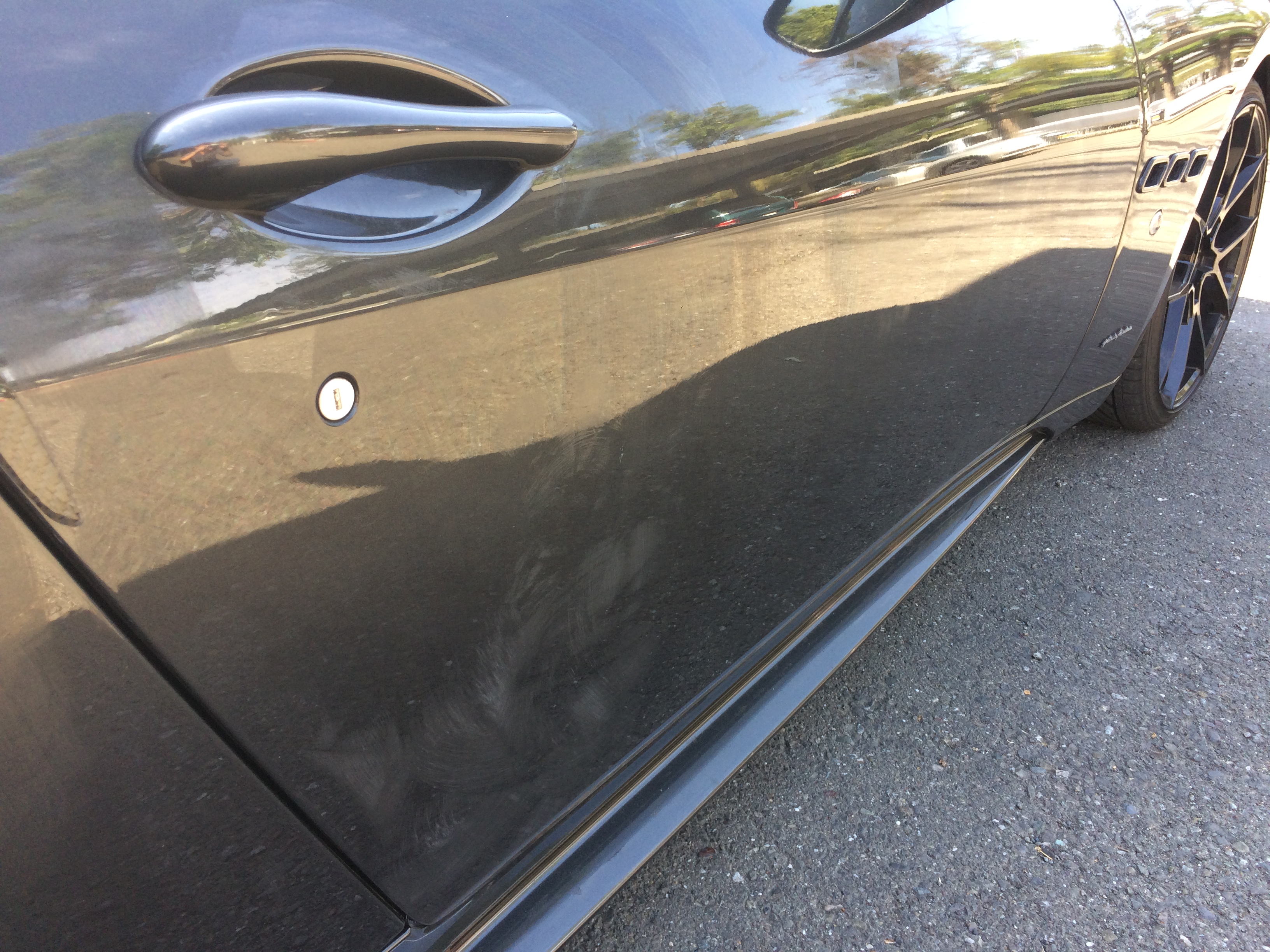
Ceramic coating haze can spoil your vehicle’s glossy finish. Understanding the causes helps prevent this cloudy, dull look. Several factors contribute to haze formation after applying ceramic coatings. These include environmental influences, mistakes during application, and issues with curing. Each cause affects the coating’s clarity and durability.
Environmental Factors
Dust, dirt, and moisture in the air can settle on the surface during application. High humidity slows down the curing process and causes a foggy appearance. Direct sunlight heats the coating unevenly, leading to hazing. Pollutants and airborne chemicals can react with the coating, creating a cloudy film. Applying the coating outdoors increases the risk of environmental contamination.
Application Errors
Applying too much product causes thick layers that do not level properly. Skipping the wiping step leaves excess residue that dries hazy. Using dirty or contaminated tools spreads dirt under the coating. Applying on a dirty or oily surface traps impurities under the layer. Rushing the process prevents the coating from bonding correctly, resulting in haze.
Incomplete Curing
The coating needs time to harden fully after application. Low temperatures slow the chemical reaction needed for curing. If the vehicle is washed or exposed to water too soon, haze forms. Curing in poor ventilation areas traps solvents and moisture, causing cloudiness. Proper curing requires patience and ideal environmental conditions.
Credit: hansendetailing.com
Identifying Haze On Coated Surfaces
Identifying haze on ceramic coated surfaces is key to maintaining your vehicle’s shine. Haze can dull the finish and reduce the coating’s protective qualities. Recognizing its presence early helps you address the issue before damage sets in.
Visual Signs
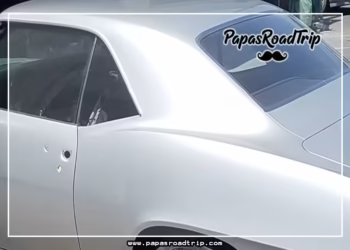
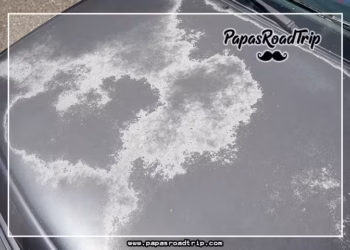
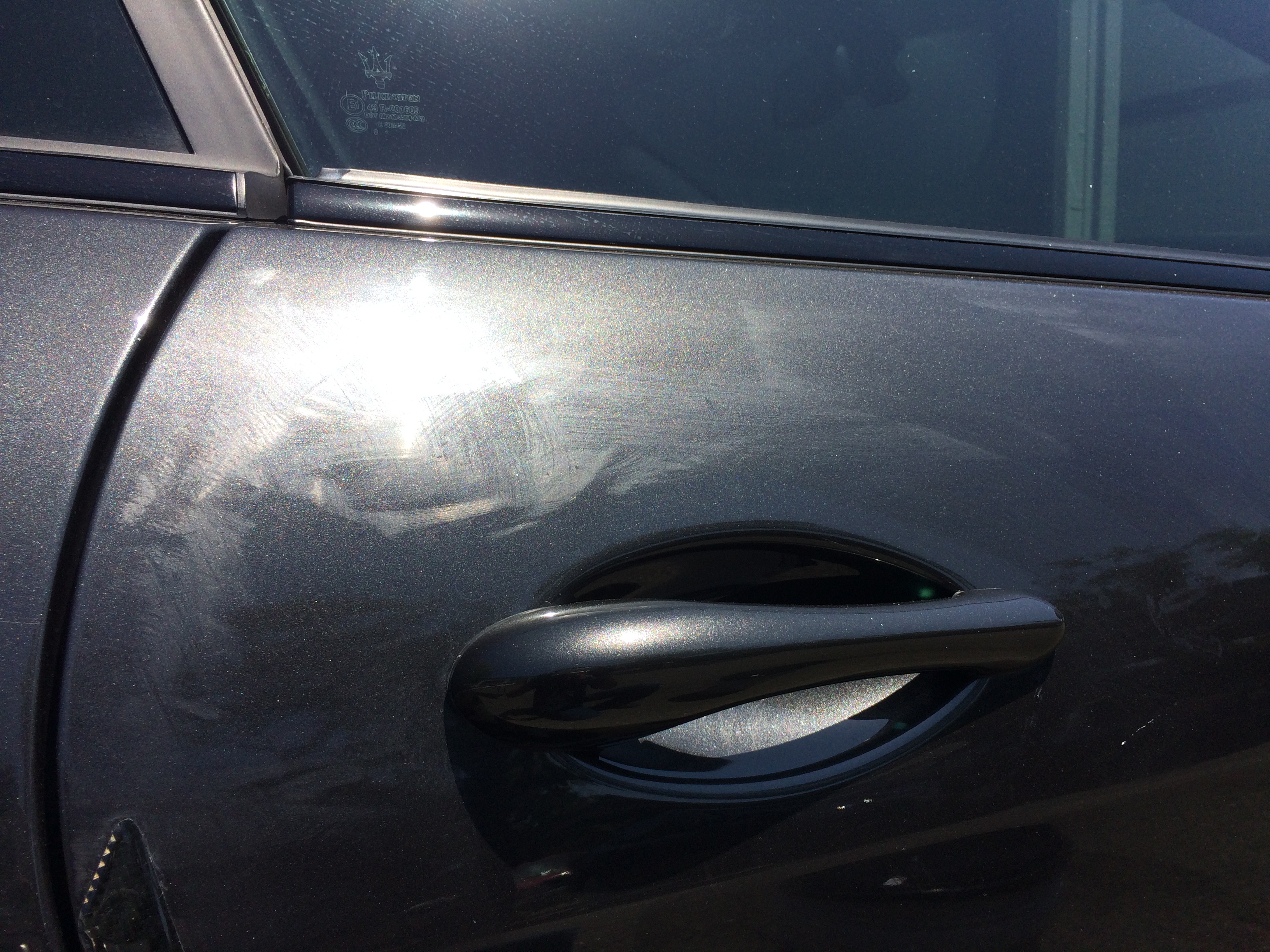
Haze appears as a cloudy or milky layer on the paint. It softens reflections and reduces gloss. Surfaces lose their clear, mirror-like finish. Sunlight may highlight the hazy patches, making them easier to spot.
Touch And Feel
Run your fingers gently over the coated surface. Haze often feels slightly rough or uneven. The smooth, slick texture of a good ceramic coating will seem diminished. Some areas might feel sticky or tacky due to incomplete curing.
Common Areas Affected
Haze tends to develop on horizontal surfaces like the hood and roof. Edges and curves may also show signs due to uneven application. Wheel arches and lower panels can collect contaminants that contribute to haze formation.
Prepping The Surface
Proper surface preparation is key to preventing ceramic coating haze. A clean, smooth surface ensures the coating bonds well and looks clear. Dirt, oils, and contaminants can cause cloudy or hazy finishes. Taking time to prep the surface improves the coating’s durability and shine.
Each step in prepping removes impurities that affect the final result. Follow these simple steps carefully for the best outcome.
Thorough Washing
Start by washing the car with a gentle, pH-neutral soap. This removes loose dirt and grime without harming the paint. Use a soft sponge or microfiber mitt to avoid scratches. Rinse the vehicle well to clear all soap residues. Dry the surface with a clean microfiber towel to prevent water spots.
Using A Clay Bar
A clay bar removes embedded particles that washing cannot. Spray a lubricant on the paint to avoid scratching. Gently glide the clay over the surface in straight lines. You will feel the clay pick up rough spots and contaminants. Keep folding the clay to expose a clean side. This step leaves the paint smooth and ready for coating.
Removing Contaminants
After claying, inspect the surface for any remaining contaminants. Use an iron remover or tar remover to target stubborn deposits. Apply the product according to instructions and rinse thoroughly. Wipe the surface with a clean microfiber cloth. This step ensures no oils or residues interfere with the coating’s bond.
Polishing Techniques
Polishing techniques play a crucial role in fixing ceramic coating haze. They help restore the shine and clarity of your vehicle’s paint. Proper polishing removes the cloudy or milky layer that appears after coating application. Effective polishing enhances the coating’s depth without damaging the surface.
Choosing The Right Polishing Pad
Select a polishing pad that matches the level of correction needed. Soft foam pads work well for light haze and minor imperfections. For heavier haze, use a medium or firm pad to increase cutting power. Avoid abrasive pads that can harm the coating or paint. Always pick pads compatible with your polishing compound.
Using Dual-action Polishers
Dual-action polishers provide a safe and effective way to polish coated surfaces. Their random orbital motion reduces the risk of burning the paint. These polishers are easy to control for beginners and experts alike. Use slow to medium speed settings to avoid heat buildup. Pair them with the right pad and polish for best results.
Testing Small Areas
Always test polishing on a small, hidden area first. This helps check how the coating reacts to polishing. Observe if the haze clears without damaging the paint. Testing prevents costly mistakes on larger surfaces. Adjust your technique based on test area results before polishing the entire vehicle.
Removing Residue
Reapplying ceramic coating is essential to keep your vehicle’s surface protected and glossy. Over time, the coating may wear down due to weather, washing, and daily use. A fresh layer restores the smooth finish and enhances protection against dirt and scratches. Proper reapplication helps avoid haze and cloudiness that can develop from an old or damaged coating.
When To Recoat
Check your car’s surface regularly for dullness or water spots. These signs show the coating is losing its effectiveness. Most coatings last one to three years depending on quality and care. Recoat sooner if the vehicle faces harsh weather or frequent washes. Always follow the product’s recommended timeline for best results.
Maintenance Sprays
Use maintenance sprays to extend the life of your ceramic coating. These sprays add a thin protective layer and boost shine. Apply them every few weeks or after washing your car. Maintenance sprays also help reduce haze by keeping the surface clean and smooth. Choose sprays compatible with your original coating for optimal protection.
Curing Tips
Allow proper curing time after applying a new ceramic coat. The coating needs 24 to 48 hours to bond fully with the paint. Avoid washing or exposing the car to rain during this period. Keep the car in a dry, dust-free environment if possible. Proper curing prevents haze and ensures a durable, glossy finish.
Credit: hansendetailing.com
Reapplying Ceramic Coating
Preventing future haze on your ceramic coating helps keep your car looking clear and shiny. Haze often appears from poor application or lack of care. Taking steps to avoid it ensures your coating stays smooth and bright longer.
Focus on the right conditions, choose the best product, and maintain your coating regularly. These simple habits protect your vehicle and enhance the coating’s performance.
Ideal Application Conditions
Apply ceramic coating in a cool, dry place. Avoid direct sunlight and high humidity. Temperatures between 60°F and 75°F work best. Clean the surface thoroughly before applying. Dust and moisture cause uneven layers and haze. Proper airflow helps the coating cure evenly.
Proper Product Selection
Choose a ceramic coating designed for your vehicle type. Some products suit certain paints better. Read product labels and reviews carefully. Use coatings that offer easy application and curing. Avoid cheap or expired products. Quality products reduce the risk of haze and improve durability.
Regular Maintenance
Wash your car regularly with a pH-neutral soap. Avoid harsh chemicals that can damage the coating. Use a soft microfiber cloth to dry the surface. Apply a maintenance spray or booster every few months. This helps keep the coating sealed and clear. Inspect the surface often for early signs of haze or wear.
Preventing Future Haze
Severe ceramic coating haze can damage your car’s appearance deeply. Such damage affects the coating’s protective qualities and the paint’s shine. Handling this problem requires careful steps to restore the surface properly. Understanding the extent of damage helps decide the best repair method.
Assessing Coating Depth
Check how thick the ceramic coating layer is on your vehicle. Thin coatings may wear out faster and show more haze. Use a coating thickness gauge or consult a professional for accurate measurement. Knowing the depth guides the repair process and prevents further harm.
Removing Top Layers
Removing the damaged outer layers of ceramic coating is often necessary. Use a mild polish or compound designed for coated surfaces. Work gently to avoid scratching the paint underneath. This step clears haze and prepares the surface for a fresh coating application.
Professional Help
Severe haze or damage may need expert attention. Professionals have tools and products to restore coatings safely. They can assess, remove, and reapply coatings with precision. Seeking help ensures your car’s finish looks smooth and shines brightly again.

Credit: www.reddit.com
Frequently Asked Questions
Why Is My Ceramic Coating Hazy?
Your ceramic coating appears hazy due to improper application, high humidity, or incomplete curing. Incorrect leveling also causes a cloudy finish.
How Do You Make Ceramic Coating Shine?
Wash the car with pH-neutral soap, clay bar to remove contaminants, then polish lightly using a dual-action polisher and soft pad. Wipe with microfiber towel and apply panel wipe to remove residue. Reapply maintenance coat for lasting shine.
How Long Does It Take For Ceramic Coating To Fully Cure?
Ceramic coating fully cures within 7 days, developing maximum hardness and protection during this time. Avoid washing or exposure to harsh elements.
How To Remove Polishing Haze?
Wash the car with pH-neutral soap, use a clay bar to remove contaminants, then polish with a dual-action polisher and light compound. Wipe residue with a microfiber towel and apply a panel wipe or IPA solution for a clear, haze-free finish.
What Causes Ceramic Coating Haze On Car Surfaces?
Ceramic coating haze often occurs due to poor application, high humidity, or incomplete curing.
Conclusion
Ceramic coating haze can affect your car’s shine and clarity. It often happens due to improper application or curing. Fixing haze requires gentle polishing and proper cleaning steps. Always apply ceramic coating in a dry, clean environment. Patience helps the coating cure fully and look its best.
Regular maintenance keeps your car’s surface smooth and clear. Understanding haze helps you protect your investment better. Clear, glossy paint makes your car look fresh and cared for. Keep these tips in mind to enjoy a lasting ceramic coating finish.