

The BMW 5 Series is a favorite among car lovers and drivers who want a good mix of luxury, performance, and style. Over the years, it has set high standards in the midsize luxury sedan market. But not every year or generation has been perfect. Some years have had more problems, expensive repairs, or issues that left owners frustrated. If you’re thinking about buying a used BMW 5 Series, it’s smart to know which years are best to avoid—and why.
This guide will help you understand which BMW 5 Series years to avoid, and give you clear reasons for each. We’ll look at the most reported issues, reliability data, and expert opinions. If you’re considering a used 5 Series, this article will help you make a smarter, safer choice.
Why Some Bmw 5 Series Years Are Risky
Even brands known for luxury and engineering can have trouble with certain years or models. Several factors can make a specific year riskier:
- New engine or technology launches: First-year tech sometimes means more bugs.
- Production mistakes: Poor quality control or cost-cutting can lead to problems.
- Known design flaws: Some components just wear out too fast or break easily.
For BMW, reliability can vary a lot from year to year. Some 5 Series years have been praised, while others are infamous for engine, electronic, or transmission issues. Below, we highlight five years that stand out for problems, based on owner reports, mechanic feedback, and industry data.
The 5 Bmw 5 Series Years To Avoid
Let’s look at the five BMW 5 Series years you should be most careful about. For each, you’ll find details on what went wrong, the main complaints, and what makes these years riskier than others.
1. 2006 Bmw 5 Series (e60 Generation)
The 2006 BMW 5 Series is often mentioned as one of the most troublesome years for this model. It’s part of the E60 generation, which brought bold new styling and technology—but also many headaches for owners.
Common Issues In 2006
- Electronic problems: The E60 was loaded with new electronic systems, like iDrive and advanced safety features. Many owners reported failing iDrive controllers, glitchy displays, and random warning lights.
- Transmission failures: Some 2006 models suffered from transmission slipping or harsh shifting, especially as they reached higher mileage.
- Engine reliability: The 6-cylinder and V8 engines had issues with leaking valve cover gaskets and coolant loss.
- ABS and DSC failures: Electronic brake and stability systems sometimes failed, leading to costly repairs.
Owner And Expert Complaints
The 2006 model often shows up in reliability rankings as a year to avoid. Consumer Reports and CarComplaints. com both list high numbers of complaints, especially for electronics and the automatic transmission.
What Makes 2006 A Risky Choice
- Expensive electronic repairs
- Older tech that is hard to update
- High likelihood of multiple repairs before 100,000 miles
If you see a low-priced 2006 BMW 5 Series, it’s usually because of these risks. Maintenance and repair costs can quickly exceed the car’s value, especially if you don’t have access to a specialized BMW mechanic.
2. 2008 Bmw 5 Series (e60 Generation)
The 2008 BMW 5 Series may look similar to the 2006 model, but it came with its own set of issues. This year is particularly known for engine problems, especially with the 535i model.
Common Issues In 2008
- High-pressure fuel pump (HPFP) failure: The 535i, with its turbocharged N54 engine, was notorious for fuel pump failures. This often led to sudden stalling and dangerous situations.
- Turbocharger wastegate rattle: Many owners complained about a rattling noise that could only be fixed with expensive turbo replacement.
- Injector and coil pack failures: Misfires and rough running were common, requiring multiple visits to the dealership.
- Oil leaks: Valve cover and gasket leaks were frequent, leading to burning oil smells and engine damage if ignored.
Owner And Expert Complaints
The 2008 535i, in particular, was part of a large recall for HPFP issues. According to NHTSA data, many owners reported total loss of power while driving. The cost to repair these issues was often more than $1,000 per incident.
What Makes 2008 A Risky Choice
- Recurring engine problems
- Risk of breakdowns in traffic
- High cost to fix turbo or fuel system parts
Even though 2008 models can offer great performance, the maintenance risk is high. This is a year many BMW specialists recommend skipping unless you have detailed maintenance records and a budget for repairs.
3. 2011 Bmw 5 Series (f10 Generation)
The F10 generation brought a more refined look and improved comfort. But the 2011 BMW 5 Series—the first model year of this generation—came with typical “first-year” bugs and some serious reliability concerns.
Common Issues In 2011
- Timing chain issues: The 4-cylinder N20 engine and some 6-cylinder engines suffered from timing chain failures, sometimes as early as 50,000 miles. If the chain breaks, it can destroy the engine.
- Electrical system glitches: Owners reported failing start/stop buttons, random warning lights, and malfunctioning comfort access systems.
- Fuel system problems: Some vehicles experienced fuel injector failures and trouble starting.
- Engine cooling problems: Water pump and thermostat failures were common, leading to overheating.
Owner And Expert Complaints
RepairPal and Consumer Reports both found that the 2011 5 Series had more than the average number of repair shop visits. Timing chain issues, in particular, led to expensive engine rebuilds.
What Makes 2011 A Risky Choice
- First-year redesign bugs
- Potential for catastrophic engine failure
- Expensive electrical repairs
The 2011 5 Series can be tempting because of its modern look and improved ride, but the risk of major engine or electronic failures makes it a year to skip for most buyers.
4. 2012 Bmw 5 Series (f10 Generation)
The 2012 BMW 5 Series continued with the F10 platform, but many of the previous year’s problems remained. Some even became more widespread as BMW sold more cars with the newer turbocharged engines.
Common Issues In 2012
- Timing chain and guide failures: These problems continued from 2011, with some reports of complete engine failure.
- Fuel injector and high-pressure pump problems: The N20 and N55 engines suffered from the same fuel system issues as the N54 in earlier years.
- Turbocharger failure: The turbo sometimes failed, especially on higher-mileage vehicles.
- Electronic gremlins: The iDrive system, navigation, and comfort electronics continued to frustrate owners.
Owner And Expert Complaints
Auto reliability surveys and BMW forums show that the 2012 model year still carried high risks, especially for turbocharged engines. Many owners faced $2,000+ repair bills for timing chain or turbo issues.
What Makes 2012 A Risky Choice
- Ongoing engine and fuel system issues
- High repair costs after warranty expires
- Reliability still below average for its class
Unless you find a 2012 model with a full maintenance history and proof of major repairs, this year is best avoided if you want a stress-free BMW experience.
5. 2018 Bmw 5 Series (g30 Generation)
The latest entry on this list is the 2018 BMW 5 Series. This was the second model year of the G30 generation, known for advanced driver aids, comfort, and a fresh look. However, this year had its own teething issues—especially with new technology.
Common Issues In 2018
- Electronic driver assistance bugs: Owners reported problems with lane-keeping assist, adaptive cruise control, and parking sensors. Sudden system shutdowns or false alerts were common.
- Engine issues: Some 530i and 540i models experienced stalling, rough idle, or software problems related to the new B-series engines.
- Transmission hesitation: The 8-speed automatic sometimes hesitated or shifted roughly, especially at low speeds.
- Build quality complaints: Rattles, loose trim, and water leaks were reported more often than in earlier years.
Owner And Expert Complaints
JD Power’s reliability ratings for the 2018 5 Series were lower than average, mostly due to electronic problems. Owners complained that repairs were slow and required dealership visits, increasing costs and inconvenience.
What Makes 2018 A Risky Choice
- Expensive electronic system repairs
- Annoying tech bugs in daily driving
- Still early in the generation, so long-term reliability is unclear
The 2018 model brought many new features, but some were not fully reliable. If you want a trouble-free experience, later years in the G30 generation may be a safer bet.
Comparing Problem Years: At A Glance
To help you see the differences, here is a comparison of the five years and their most common issues:
| Model Year | Main Issues | Repair Cost Range | Engine Type |
|---|---|---|---|
| 2006 | Electronics, transmission, engine leaks | $1,000–$4,000+ | I6, V8 |
| 2008 | Fuel pump, turbo, injectors | $1,500–$5,000+ | I6 Turbo (N54) |
| 2011 | Timing chain, electronics, fuel system | $2,000–$7,000+ | I4, I6 |
| 2012 | Timing chain, turbo, electronics | $2,000–$7,500+ | I4 Turbo (N20/N55) |
| 2018 | Electronics, engine, transmission | $1,200–$5,000+ | I4, I6 Turbo (B-Series) |
You’ll notice that the risk and repair cost is highest for turbocharged engines and first-year models with new technology.
Why Reliability Varies So Much
The BMW 5 Series is known for strong engines, advanced features, and great driving feel. But each generation brings new engineering and sometimes, new problems. Here are two non-obvious insights:
- First-year models tend to have more problems: BMW often introduces major changes with each new generation. The first year after a redesign is more likely to have bugs that get fixed in later years. For example, 2011 and 2018 were both early in their generations and had more issues.
- Turbocharged engines add complexity: Starting in the late 2000s, BMW shifted to turbo engines for better power and fuel economy. But these engines (like the N54, N55, and N20) have more parts that can fail, including high-pressure fuel pumps and turbochargers.
If you want to avoid expensive repairs, it’s usually safer to buy a model from the middle or end of a generation, after BMW has fixed the biggest problems.

Credit: www.youtube.com
Common Buyer Mistakes With Used 5 Series
Many buyers fall in love with the idea of owning a luxury BMW but overlook some key risks:
- Ignoring service history: A used 5 Series without full maintenance records is a gamble, especially for the years listed above.
- Skipping a pre-purchase inspection: Always get a mechanic who knows BMWs to check the car before you buy.
- Underestimating repair costs: Even small repairs can be expensive. Budget at least $1,000 a year for maintenance, and more for the risky years.
- Buying the cheapest example: Low price often means deferred maintenance or hidden problems.
Buying a used BMW 5 Series can be rewarding, but it’s not for buyers looking for cheap, worry-free transportation. Do your homework, and don’t rush the process.
How Do Good Years Compare?
Not all years are risky. In fact, some BMW 5 Series models are known for strong reliability. Here’s a look at how the problem years stack up against some of the best years to buy.
| Year | Problem Frequency | Best for |
|---|---|---|
| 2006 | High | Avoid |
| 2008 | High | Avoid |
| 2011 | High | Avoid |
| 2012 | High | Avoid |
| 2018 | Moderate | Avoid (early G30) |
| 2014–2016 | Low | Safe bet |
| 2019–2020 | Lowest | Best choice |
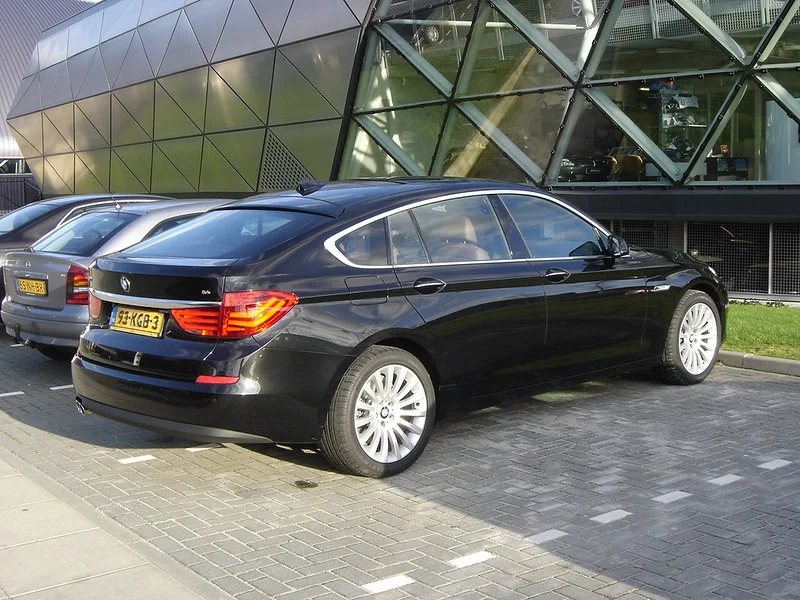
The safest bets are usually later years in a generation or models with proven engines, like the naturally aspirated I6. These years benefit from updates and fewer manufacturing bugs.
Credit: www.copilotsearch.com
Real-world Example: Repair Costs Over Time
To see how the risky years compare, here’s a look at estimated repair costs over 5 years of ownership for the 2008 (problem year) vs. 2015 (safer year).
| Year | Average Annual Repair Cost | Total Over 5 Years | Major Repairs Likely? |
|---|---|---|---|
| 2008 | $1,900 | $9,500 | Yes (turbo, HPFP, injectors) |
| 2015 | $850 | $4,250 | Unlikely |
The difference is dramatic. Choosing a better year can save you thousands, plus lots of time and frustration.
How To Reduce Risk When Buying A Used Bmw 5 Series
If you still want a BMW 5 Series, but want to avoid common pitfalls, follow these steps:
- Target safer years: Pick years with fewer complaints and proven reliability (2014–2016, 2019+).
- Get a pre-purchase inspection: A BMW-trained mechanic can spot hidden engine, transmission, or electronic issues.
- Check for recalls and service bulletins: Make sure all recalls were done. You can check for recalls using the VIN on the NHTSA site.
- Ask for full maintenance records: Look for oil changes, timing chain service, and cooling system repairs.
- Budget for repairs: Even the best-used BMW needs more maintenance than a typical Toyota or Honda.

Credit: www.youtube.com
Bmw 5 Series: What Makes It Worth The Effort?
Despite the risks in certain years, the 5 Series is still a favorite for good reasons:
- Driving experience: Few sedans handle as well as a BMW. Even older models feel sporty and connected to the road.
- Comfort and features: The 5 Series is roomy, quiet, and loaded with luxury tech.
- Strong engines: When maintained, BMW’s engines can last a long time.
- Resale value: Later, well-maintained models hold value better than many other luxury cars.
But these strengths only matter if you find a car from a reliable year and keep up with maintenance.
Final Thoughts
The BMW 5 Series is a classic luxury sedan, but not every year is a smart buy. The years 2006, 2008, 2011, 2012, and 2018 stand out for their high repair costs and reliability issues. If you want to enjoy the best of BMW without the worst headaches, focus on safer years and always check service history.
Buying any used luxury car is a balance between risk and reward. For the 5 Series, the reward is an amazing drive—but the risk can be big bills if you choose the wrong year. Do your research, and you’ll be miles ahead of most buyers.
For more details on BMW reliability and history, see the BMW 5 Series Wikipedia page.
Frequently Asked Questions
Which Bmw 5 Series Year Is The Most Reliable?
The 2015 BMW 5 Series (F10 generation) is often rated as one of the most reliable years. It benefited from engine updates, fewer electronic bugs, and improved build quality. Many owners report trouble-free driving with regular maintenance.
Are Bmw 5 Series Expensive To Maintain?
Yes, maintenance costs are higher than many mainstream brands. Expect to spend $800–$1,200 per year, even in reliable years. For problem years, major repairs (like timing chain or turbo replacement) can cost $2,000–$7,000. Proper maintenance is key to avoiding bigger problems.
What Is The Worst Bmw 5 Series Year To Avoid?
Based on complaints and repair data, the 2008 BMW 535i is one of the worst years due to fuel pump, turbo, and injector failures. It’s often mentioned as a year to avoid unless all repairs have been documented and completed.
How Long Does A Bmw 5 Series Last?
With proper care, a BMW 5 Series can last 150,000–200,000 miles or more. The key is regular oil changes, cooling system service, and fixing issues quickly. Risky years may need major engine work before reaching high mileage.
Should I Buy A High-mileage Bmw 5 Series?
Buying a high-mileage BMW 5 Series is possible, but only if you have detailed service records and a full inspection. Avoid high-mileage cars from the risky years listed above, as expensive repairs may be just around the corner. For safer years, high-mileage examples can still be a good value if well maintained.