

Buying a used BMW 328i can be exciting, but also tricky. The 328i is a popular luxury sedan, known for its sporty drive, stylish design, and strong reputation. However, not all years are equal. Some models have hidden problems, expensive repairs, or design flaws that can turn your dream car into a headache.
If you’re thinking about buying a used 328i, knowing which years to avoid is essential. This article will help you make a smart choice, save money, and enjoy your BMW experience.
Why Bmw 328i Attracts So Many Buyers
The BMW 328i has always been a favorite for drivers wanting a balance between performance and comfort. It offers:
- Smooth handling
- Strong engine options
- High-quality interiors
- Advanced technology features
BMW’s engineering focuses on making the driving experience enjoyable. The 328i feels stable on highways and nimble on city streets. Many buyers love how the car responds to the driver, especially when compared to other sedans. The cabin is quiet, with comfortable seats and elegant materials.
You also get features like automatic climate control, premium sound systems, and advanced navigation.
Its reputation for reliability and sporty fun makes it a top choice among used luxury sedans. But beneath the surface, certain years have shown weaknesses that can cost owners thousands in repairs.
Some people choose the 328i because it offers a good mix of power and fuel efficiency. Models with the turbocharged engine can get strong acceleration while still delivering decent miles per gallon. For many, the BMW badge itself signals prestige and quality—but it’s important to look beyond the badge to avoid unexpected headaches.
Major Problems Found In Some 328i Model Years
Before looking at which years to avoid, it’s important to understand the types of issues that have affected the 328i. These problems aren’t always obvious during a test drive or quick inspection.
Engine Issues
Some 328i models have suffered from timing chain failures, oil leaks, and even complete engine breakdowns. The N20 engine (used in some years) is known for chain tensioner issues, which can cause expensive damage if not fixed.
Oil leaks can sometimes be small and go unnoticed, but over time, they lead to lower oil levels and engine wear. If ignored, these leaks may cause overheating and even engine seizure. Another engine concern is carbon buildup on intake valves, especially in direct injection models.
This buildup can lead to rough idling, loss of power, and poor fuel efficiency.
Electrical Faults
Electrical problems can lead to issues with windows, locks, lights, and even the infotainment system. Faulty sensors and wiring are common complaints.
Some owners report the dashboard showing random warning lights, even when nothing is wrong. Others face problems with the electronic parking brake, which can fail to release or engage. In some years, the iDrive system freezes or restarts unexpectedly, making navigation or media controls unreliable.
Electrical faults can be difficult to diagnose, and fixing them often requires specialized tools or dealer visits.
Cooling System Failures
BMW cooling systems are complex, but in some years, weak water pumps and leaking radiators have caused overheating and engine damage.
A failing water pump doesn’t always show symptoms right away. Sometimes the car overheats only during long drives or in hot weather. Owners may notice the coolant level dropping or the heater not working as well. In worst cases, a sudden overheating incident can warp the cylinder head, leading to repairs costing thousands.
Transmission Problems
Certain years have seen automatic transmission failures and rough shifting. Repairs for transmission issues can be very costly.
Symptoms include delayed shifting, jerky gear changes, or the transmission slipping out of gear. Some owners have reported the transmission warning light coming on, followed by expensive diagnostics and repairs. Manual transmissions in these models are generally more reliable, but automatics, especially in high-mileage cars, can be a weak point.
Costly Repairs
BMWs are luxury cars, so parts and labor are more expensive than average. Some years need frequent repairs, making ownership frustrating and pricey.
Even simple repairs, like brake pad replacements or oil changes, cost more at a BMW dealership than at regular shops. Specialized tools are often needed, and not all mechanics can work on BMWs. If a car has multiple issues, the total cost can quickly outstrip its value.
It’s common for owners of problematic years to spend $3,000–$5,000 in a single year, especially if major parts fail.

Credit: www.youtube.com
Which Bmw 328i Years Should You Avoid?
Based on owner reports, expert reviews, and repair data, some 328i years stand out for their high failure rates and costly issues. Here are the years most experts recommend you avoid:
2007–2009 Bmw 328i
These years are part of the E90 generation. While they brought modern styling and new features, they also had several problems.
- Water pump failures are common, often happening before 70,000 miles.
- Electric window regulators break frequently, causing windows to get stuck.
- Engine oil leaks from the valve cover and gasket are widespread.
Repairs for these issues can cost $500–$2,000 each. Many owners report multiple failures in a single year. If you’re buying from these years, check service history carefully.
Some drivers also report problems with the steering system, including a clunking noise or stiff steering feel. The E90 models are known for their sporty suspension, but some components wear out faster than expected. Wheel bearings and bushings may need replacement, adding extra costs.
2012–2015 Bmw 328i
These years use the F30 generation and introduced the turbocharged N20 engine. While turbo power improved performance, it also brought new headaches.
- Timing chain failures in the N20 engine can destroy the engine, costing $5,000–$7,000 to fix.
- Turbocharger issues lead to loss of power and expensive repairs.
- Electronic problems, including faulty sensors and iDrive failures.
BMW released technical service bulletins for some of these issues, but many cars still suffer from them. Avoiding these years can save you money and stress.
Another hidden problem in this era is high-pressure fuel pump failure. If the fuel pump fails, the engine may stall or refuse to start. Replacing the pump is expensive, and sometimes related components like injectors need replacement too. Owners often face repeated visits to the shop for these issues.
2013 Bmw 328i
This year is especially risky. Owners report:
- Timing chain defects
- Loss of engine power
- Frequent electrical errors
- Cooling system failures
The 2013 model had more complaints than any other recent year, according to automotive data. Many mechanics warn against buying this specific year.
Some 2013 models also show premature brake wear, forcing owners to replace pads and rotors more often. The electronic throttle can malfunction, causing the car to enter “limp mode” and lose acceleration. For buyers, these problems mean unpredictable reliability and higher costs.
2014–2015 Bmw 328i
Problems from the 2012–2013 models continued into 2014 and 2015. Turbo and timing chain issues remain, along with:
- Fuel system faults
- Water pump failures
- Premature brake wear
While not as severe as 2013, these years still carry risk. Unless you find a well-maintained car with full service records, it’s best to skip these years.
Some owners in 2014–2015 report problems with the HVAC system, including weak air conditioning and heater controls failing. These issues can be annoying and costly to fix, especially if the climate control module needs replacement.
Bmw 328i Model Year Comparison
To help you understand how different years stack up, here’s a comparison of reliability and common issues:
| Model Year | Generation | Main Engine | Common Problems | Repair Frequency |
|---|---|---|---|---|
| 2007 | E90 | N52 | Water pump, window regulator | High |
| 2008 | E90 | N52 | Oil leaks, cooling system | High |
| 2009 | E90 | N52 | Engine leaks, transmission | High |
| 2012 | F30 | N20 | Timing chain, turbo failure | Very High |
| 2013 | F30 | N20 | Timing chain, electrical | Very High |
| 2014 | F30 | N20 | Fuel system, cooling | High |
| 2015 | F30 | N20 | Brake wear, water pump | High |
What Makes These Years Risky?
Not all BMW 328i years are bad. But the years listed above have certain design flaws or poor-quality parts that lead to frequent breakdowns.
N20 Engine Timing Chain Issue
The N20 engine (in 2012–2015 models) has a timing chain placed at the rear, making repairs harder and more expensive. The chain tensioner fails early, causing engine damage. BMW eventually improved the design, but many cars on the road still have the old faulty parts.
Some owners say the chain gives little warning before failure. You may hear a rattling noise, but often the engine simply stops working. The chain is hard to access, so even skilled mechanics need extra time and special tools. If the chain breaks, the pistons and valves can collide, ruining the engine.
Water Pump Weakness
BMW uses electric water pumps for better performance. But in 2007–2009 models, these pumps often fail before 70,000 miles. When the pump stops working, the engine overheats quickly, leading to expensive repairs.
In some cases, a failed water pump can also damage the thermostat. Owners end up replacing both, paying for parts and labor. The pump is controlled by the car’s computer, so sometimes a software update is needed after replacement.
Electronic Complexity
With more features comes more risk. The F30 generation added advanced electronics like iDrive and sensors, but poor wiring and software glitches made these systems unreliable in early years.
Electrical issues can include malfunctioning navigation, Bluetooth connectivity problems, and random warning lights. Sometimes, a failing battery or alternator makes these faults worse. Diagnosing electronic problems can take hours, and not all shops have the right equipment.
Cost Of Repairs
BMW repair costs are higher than average. A timing chain fix can cost $5,000. Water pump replacement is around $1,200. Even basic parts like window regulators cost more than $300. If a car needs multiple repairs per year, costs add up fast.
Some owners try to save money by using aftermarket parts, but this can create new problems. BMWs often need original parts for proper fit and function. For example, aftermarket window regulators may not last as long or work as smoothly.
Signs Of Trouble: How To Spot Risky Bmw 328i Years
When shopping for a used BMW 328i, there are signs that can help you avoid problematic years:
- Check engine light: Frequent illumination often means deeper issues.
- Unusual engine noises: Especially rattling from the rear of the engine.
- Service history gaps: Missing records could mean skipped maintenance.
- Oil stains: Around the engine or on the ground.
- Electrical glitches: Windows, locks, or infotainment not working.
- Overheating: Temperature gauge rising quickly, especially after short drives.
You can also look for signs of rushed repairs, like mismatched panels or new parts that don’t fit well. Ask for maintenance invoices, not just a stamped booklet. If the owner cannot explain past repairs, that’s a warning sign.
Another tip is to check for uneven tire wear. This can signal suspension problems, which are common in some E90 models. Try all car features during a test drive, including air conditioning, radio, and cruise control.
If you notice any of these, it’s best to walk away or request a detailed inspection.
Years With Fewer Problems: Safer Bmw 328i Choices
If you’re set on a BMW 328i, some years have better reliability. These models are less likely to have major engine or electronic issues:
- 2010–2011 BMW 328i (E90): These late E90 models kept the reliable N52 engine, with fewer cooling system and electrical faults. Well-maintained examples can last over 150,000 miles.
- 2016–2018 BMW 328i (F30): Later F30 models fixed many early problems. The timing chain and turbo issues were reduced, and electronics improved.
Buying from these years lowers your risk and repair costs. Always check service history and get a pre-purchase inspection.
Some 2011 models also have upgraded brakes and improved suspension parts, making them smoother and safer. The 2016–2018 models feature better software and updated turbo parts, which means fewer breakdowns and easier maintenance.
Bmw 328i Maintenance Cost Comparison
BMWs are not cheap to maintain. But some years cost much more. Here’s a breakdown of average yearly maintenance costs by model year:
| Model Year | Estimated Annual Maintenance | Main Repair Cost Drivers |
|---|---|---|
| 2007–2009 | $1,500–$2,500 | Cooling, engine leaks |
| 2012–2015 | $2,000–$3,500 | Engine, turbo, electronics |
| 2010–2011 | $1,000–$1,500 | General upkeep |
| 2016–2018 | $1,200–$1,800 | Routine maintenance |
As you can see, avoiding risky years can save you up to $2,000 per year.
Remember that maintenance costs depend on mileage and previous care. A neglected car, even from a “safer” year, can cost more than expected. Regular oil changes, coolant flushes, and using genuine BMW parts help keep costs down.
Credit: www.copilotsearch.com
Common Mistakes When Buying A Used Bmw 328i
Even experienced buyers make mistakes. Here are some things to watch out for:
- Ignoring service records: A missing or incomplete service history is a red flag.
- Skipping pre-purchase inspection: Always have a trusted mechanic check the car before buying.
- Focusing only on price: Cheap BMWs often have hidden issues. Repairs can cost more than the car itself.
- Not checking recall status: Some years have open recalls for safety or reliability problems. Make sure all recalls are completed.
- Trusting looks over function: BMWs are stylish, but don’t let a shiny exterior hide mechanical problems.
Other mistakes include forgetting to test drive the car in different conditions, like city and highway. Always check cold start and warm operation. Some buyers forget to ask about warranty options, which can provide peace of mind.
Practical Tips For Shopping Smart
If you want a used BMW 328i, use these smart steps to protect yourself:
- Research VIN history: Use tools like Carfax to see accident and repair history.
- Ask about timing chain replacement: If buying a 2012–2015 model, confirm if timing chain work has been done.
- Look for one-owner cars: They’re more likely to be maintained properly.
- Test all electronics: Try every window, lock, and infotainment button.
- Check for leaks: Look under the hood and under the car for oil or coolant.
- Negotiate based on flaws: If you find issues, use them to lower the price or walk away.
Don’t be afraid to walk away if the seller seems pushy or refuses inspection. It’s better to miss out on one car than buy a problem vehicle. Ask for receipts and check if the car was serviced at a BMW dealer.
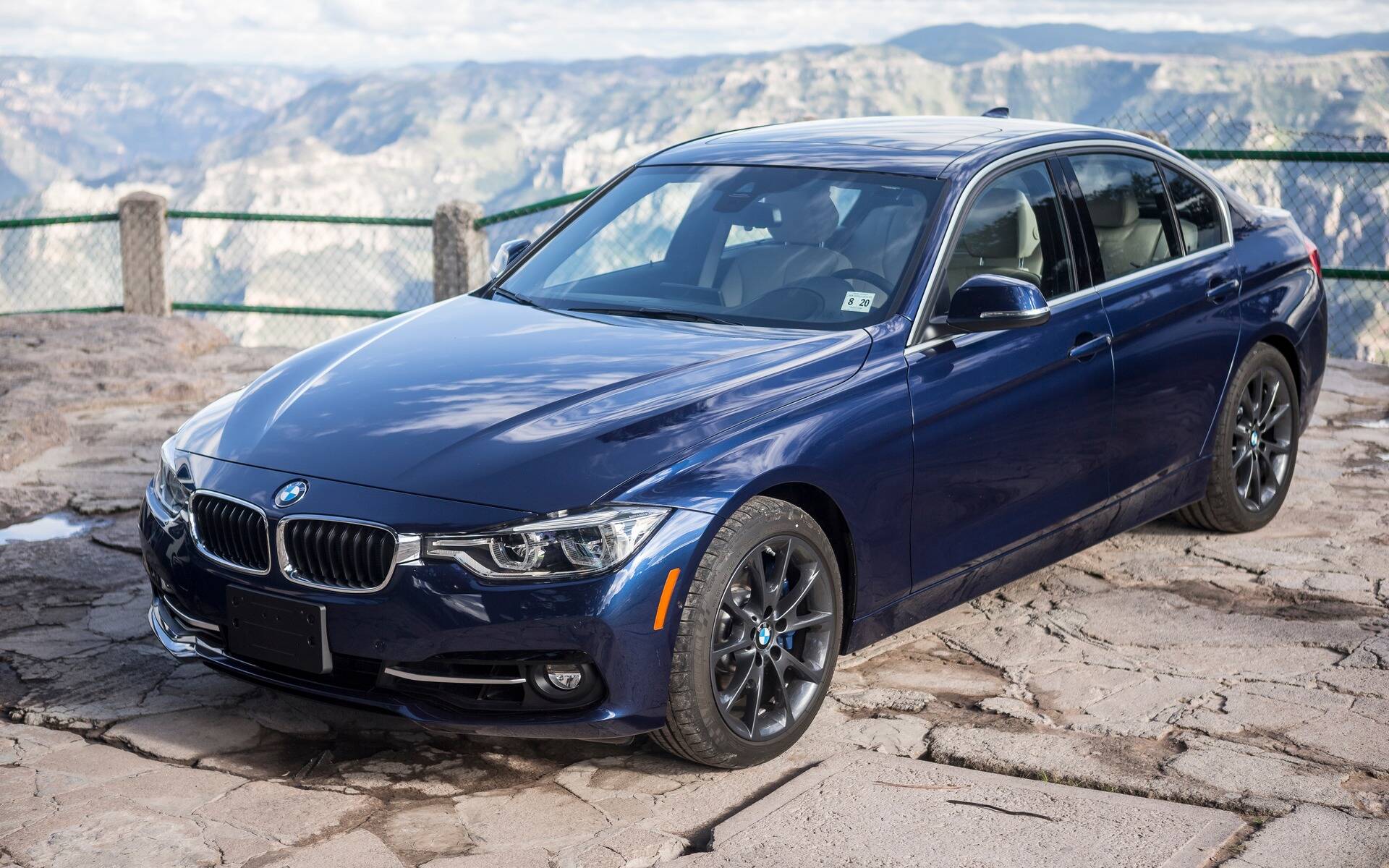
Credit: www.guideautoweb.com
Non-obvious Insights For Bmw 328i Buyers
- Early F30 models (2012–2013) often hide timing chain issues until around 60,000 miles. If you buy one with low mileage, ask the owner if the chain has been replaced, or budget for future repair.
- BMW extended some warranties for timing chain faults in 2013 models, but not all cars qualify. Check with a BMW dealer using the VIN to see if you get extra coverage.
- A full dealer service history is more valuable for BMWs than independent shop records. Dealer maintenance often includes software updates and recalls that independent shops may miss.
- Many used 328i’s are leased returns. Leased cars are usually serviced regularly, but some drivers neglect maintenance in the final months. Inspect carefully.
Another insight: BMW’s software updates can fix some electronic glitches, but only if the car has been serviced at a dealer. Ask about the software version during inspection. Also, some 328i models have hidden rust in the wheel arches or underbody, especially in cold climates. Check carefully if the car was used in snowy regions.
Bmw 328i: How It Compares To Other Luxury Sedans
The BMW 328i is often compared to the Audi A4 and Mercedes-Benz C-Class. Here’s how it stacks up on reliability and maintenance costs:
| Model | Reliability Score (1-10) | Annual Maintenance Cost | Common Issues |
|---|---|---|---|
| BMW 328i | 6 | $2,000 | Engine, electronics |
| Audi A4 | 7 | $1,800 | Electrical, oil leaks |
| Mercedes C-Class | 7 | $1,900 | Transmission, electronics |
The 328i offers sportier driving, but can have higher repair costs in bad years. Always compare maintenance and reliability before buying.
Audi A4’s main weakness is oil consumption and electrical faults, but its turbo engines are usually more durable than BMW’s N20. The Mercedes C-Class suffers from transmission and air conditioning problems, but parts are often easier to find. Choosing between these depends on your driving style and maintenance budget.
Expert Guidance: What Mechanics Say
Professional mechanics see BMW 328i’s come through their shops every week. Most agree that the 2012–2015 models are the riskiest. They recommend:
- Avoiding early F30 models unless timing chain work is confirmed
- Choosing late E90 models for best reliability
- Budgeting extra for repairs if buying from risky years
- Investing in extended warranties when possible
Mechanics also warn that ignoring small problems can lead to bigger, costlier issues. Regular maintenance is key.
Mechanics also suggest asking for a full diagnostic scan before buying. This scan reveals hidden electronic faults that may not show up during a short test drive. If you buy from a private seller, ask for a “cold start” video to check for engine noises.
How Bmw Responded To Common Problems
BMW knows about the timing chain and water pump issues. They’ve released technical service bulletins, extended some warranties, and updated parts in later models. If you own a risky year, check for recalls or bulletins using your VIN. Sometimes BMW will fix problems for free or at a discount.
For more detailed recall information, you can visit NHTSA, the official government recall site.
BMW also improved their customer service in recent years. Dealers are more willing to help owners with known issues, especially if the car is still under warranty or has full dealer service history.
What To Do If You Already Own A Risky Bmw 328i Year
If you have a 328i from a problematic year, don’t panic. Here’s how to manage risks:
- Follow maintenance schedules strictly
- Check for recalls and technical bulletins
- Replace timing chain and water pump proactively
- Use high-quality oil and parts
- Find a trusted BMW specialist
Staying ahead of problems can prevent breakdowns and save you money.
Owners should also monitor coolant and oil levels closely. If you notice a change in performance or warning lights, address them quickly. Joining BMW owner forums can help you spot issues early and find recommended shops.
Frequently Asked Questions
Is The Bmw 328i A Reliable Car?
The BMW 328i is reliable in some years, especially 2010–2011 and 2016–2018. But certain years, like 2012–2015, have engine and electronic issues that hurt reliability. Choosing the right year and maintaining the car well is important.
What Is The Biggest Problem With The Bmw 328i?
The biggest issue is timing chain failure in the N20 engine (2012–2015). This can destroy the engine and cost thousands to fix. Water pump failures and electronic faults are also common in some years.
How Much Does It Cost To Fix Bmw 328i Timing Chain?
Timing chain replacement can cost $5,000–$7,000 at a BMW dealership. Independent shops may charge less, but quality varies. If the engine is damaged, costs rise quickly.
Should I Buy A Used Bmw 328i From 2012–2015?
It’s risky unless the timing chain has been replaced and the car has a full service history. These years are known for engine problems. Consider safer years like 2010–2011 or 2016–2018.
What Mileage Is Too High For A Used Bmw 328i?
Anything over 100,000 miles is risky unless maintenance is perfect. Many issues appear after 60,000–80,000 miles, especially in problematic years. Look for cars with regular dealer service and lower mileage.
Making The Best Bmw 328i Choice
Choosing the right BMW 328i year can make your ownership experience joyful or stressful. Avoiding 2007–2009 and 2012–2015 models will protect you from expensive repairs and hidden problems. Focusing on years with proven reliability, checking service history, and getting professional inspections are the smartest moves. Remember, a BMW is a luxury car, and maintenance matters more than in most vehicles.
By following the advice here, you’ll avoid common mistakes, spot hidden issues, and find a BMW 328i that delivers the performance and comfort you want—without the costly headaches.