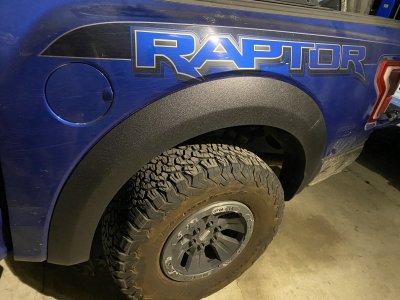
If you’re looking to protect your fender flares and give your vehicle a rugged, custom look, applying a bedliner might be the perfect solution for you. Bedliner on fender flares not only guards against scratches, rust, and fading but also adds a durable, textured finish that stands up to the toughest conditions.
Whether you drive through rough trails or city streets, your fender flares take a beating—and that’s why you want a coating that lasts. You’ll discover how bedliner works on fender flares, why it sticks so well, and the steps you need to take to make sure the job is done right.
Ready to give your ride extra protection and style? Keep reading to find out everything you need to know.
Benefits Of Bedliner On Fender Flares
Applying bedliner on fender flares offers several key benefits. It boosts the toughness of your vehicle’s exterior parts. The textured coating adds a strong layer that guards against damage. This treatment keeps fender flares looking good and working well for a long time.
Enhanced Protection
Bedliner creates a thick shield over fender flares. It absorbs impacts from rocks, sticks, and road debris. This protection reduces dents and scratches. Your fender flares stay intact even on rough roads. The coating also guards against chipping and cracking.
Durability Against Elements
Fender flares face harsh weather every day. Rain, snow, and mud wear down normal finishes. Bedliner resists these elements better than paint. It keeps flares strong through freezing cold and hot heat. This durability means fewer repairs and replacements.
Rust And Corrosion Resistance
Metal parts often rust when exposed to moisture. Bedliner stops water and dirt from reaching the metal. It seals the surface to prevent rust and corrosion. This layer extends the life of your fender flares. Rust-free flares maintain their strength and look.
Uv Protection And Fading Prevention
Sunlight causes color fading and material damage. Bedliner contains UV blockers that protect surfaces. It helps fender flares hold their color longer. This protection keeps your truck or car looking newer. Flares stay vibrant even after long sun exposure.
Materials Suitable For Bedliner Application
Applying bedliner on fender flares enhances durability and appearance. Not all materials accept bedliner coatings equally. Choosing the right fender flare material ensures better adhesion and long-lasting protection. Below are common materials suitable for bedliner application.
Metal Fender Flares
Metal fender flares, usually steel or aluminum, handle bedliner well. Proper surface prep is critical. Remove rust, dirt, and grease before spraying. Bedliner creates a strong, protective layer on metal. It guards against scratches, dents, and corrosion. Metal flares with bedliner resist harsh weather and road debris.
Plastic Fender Flares
Plastic fender flares require careful cleaning and sanding. Bedliner adheres better after roughening the surface. Flexible plastics like ABS or polypropylene work well with bedliner. The coating adds toughness and a rugged look. Bedliner protects plastic flares from fading and cracking over time.
Fiberglass Fender Flares
Fiberglass fender flares are light and sturdy. Sanding fiberglass before bedliner helps with adhesion. The bedliner forms a textured, resilient coat. It shields fiberglass from chips and UV damage. Fiberglass with bedliner lasts longer and looks more aggressive.
Preparation Steps For Bedliner Application
Applying bedliner on fender flares requires careful preparation. Proper steps ensure the coating sticks well and lasts long. Preparing the surface is the key to a smooth, durable finish. Follow these steps closely to get the best results for your fender flares.
Cleaning And Degreasing
Start by thoroughly cleaning the fender flares. Remove dirt, dust, and any loose particles. Use soap and water to wash the surface. After washing, apply a degreaser to eliminate oils and grease. Wipe the area with a clean cloth. This step prevents the bedliner from peeling later.
Sanding For Better Adhesion
Sanding helps the bedliner stick better to the fender flares. Use medium-grit sandpaper to roughen the surface. Focus on the entire area to create an even texture. Sanding removes old paint and smooths imperfections. After sanding, clean the surface again to remove dust.
Priming Techniques
Priming the fender flares improves adhesion and durability. Choose a primer made for plastic or metal, depending on your flares. Apply a thin, even coat and let it dry fully. Some primers need two coats for the best coverage. Priming creates a strong base for the bedliner.
Masking And Surface Protection
Protect areas around the fender flares before spraying bedliner. Use painter’s tape to cover edges and nearby surfaces. Masking prevents unwanted overspray and keeps your vehicle clean. Cover large areas with plastic sheeting or paper. Proper masking saves time and cleanup effort later.
Credit: www.tacomaworld.com
Types Of Bedliner Coatings
Bedliner coatings protect fender flares from scratches, dents, and weather damage. Choosing the right type enhances durability and appearance. Various bedliner coatings offer different textures, finishes, and levels of protection. Understanding the options helps you pick the best fit for your vehicle.
Spray-on Bedliners
Spray-on bedliners provide a thick, tough layer on fender flares. They create a textured surface that resists chips and scratches. This type bonds well to plastic and metal surfaces. Professional application ensures even coverage and strong adhesion. Spray-on liners also offer UV resistance to prevent fading.
Roll-on Bedliners
Roll-on bedliners are easy to apply with a paint roller. They form a protective coating that resists wear and tear. This option suits DIY projects and smaller areas on fender flares. Roll-on liners dry quickly and provide a smooth or slightly textured finish. They offer good protection against rust and corrosion.
Epoxy-based Liners
Epoxy-based liners are known for their strong bonding and hardness. They create a rigid, durable surface on fender flares. These liners resist chemicals, impact, and abrasion. Epoxy coatings usually require mixing before application. They cure to form a tough, long-lasting shield that protects against damage.
Polyurethane And Polyurea Options
Polyurethane and polyurea liners offer flexible and durable protection. They resist cracking and peeling under harsh conditions. These coatings dry faster than epoxy-based liners. Polyurea liners provide excellent UV resistance and color retention. They are ideal for fender flares exposed to rough use and sunlight.
Application Process
Applying bedliner on fender flares enhances durability and adds a rugged look. The process requires careful preparation and the right technique. Proper application ensures long-lasting protection against scratches, rust, and weather damage.
Following a clear step-by-step guide will help achieve smooth and even coverage. Patience during drying and curing is essential for the coating’s strength. Avoiding common errors will improve the final result and extend the life of the bedliner.
Tools And Equipment Needed
Gather all necessary tools before starting. You will need a spray gun or aerosol bedliner, sandpaper, masking tape, cleaning solvent, and protective gear like gloves and goggles. A heat gun or hairdryer helps speed up drying. Also, have drop cloths ready to protect nearby surfaces.
Step-by-step Coating Guide
First, clean the fender flares thoroughly. Remove all dirt, grease, and old paint. Next, sand the surface to create a rough texture for better adhesion. Use masking tape to cover areas you do not want to coat.
Shake the bedliner container well. Apply thin, even coats using the spray gun or aerosol. Hold the spray about 6-8 inches from the surface. Allow each coat to dry before applying the next. Usually, two to three coats provide full coverage.
Drying And Curing Times
Let the bedliner dry to the touch within 30-60 minutes. Full curing takes 24 to 48 hours depending on temperature and humidity. Avoid heavy use or exposure to water during this time. Using a heat gun can reduce drying time but keep it moving to prevent damage.
Common Mistakes To Avoid
Do not apply thick coats at once; they may drip or crack. Skipping surface cleaning leads to poor adhesion and peeling. Avoid painting in very cold or humid conditions, which slow drying. Mask carefully to prevent overspray on your vehicle’s paint.
Using old or poorly mixed bedliner can cause uneven texture. Always test spray on a small area first. Taking time and care ensures a professional-looking finish that lasts.
Style And Customization Options
Applying bedliner on fender flares not only protects but also enhances your vehicle’s look. It offers many style and customization options. You can match or contrast colors and select different textures. These choices help you create a unique and rugged appearance. Personal touches like graphics or logos add even more character. Below are some popular customization options to consider.
Color Choices And Finishes
Bedliner comes in various colors beyond the common black. Earth tones, greys, and even bright shades are available. You can pick a matte finish for a subtle look or a glossy finish for shine. Some brands offer custom color matching to blend with your truck’s paint. This flexibility lets you choose colors that fit your style perfectly.
Texture Variations
Texture plays a big role in the final look of bedliner on fender flares. Smooth textures give a clean and sleek appearance. Rough or pebbled textures offer a rugged, off-road feel. Some coatings allow you to control the thickness for different textures. This choice impacts both the style and durability of your fender flares.
Adding Graphics Or Logos
Custom graphics or logos can personalize your fender flares. You can add decals or use stencils before applying bedliner. This method creates a raised design with a tough finish. It’s a great way to display your brand, team, or personal style. These additions make your vehicle stand out on the road or trail.
Maintenance And Longevity
Maintaining bedliner on fender flares helps keep their look and protection strong. Regular care extends their life and preserves their texture and color. Simple steps prevent damage from dirt, sun, and weather. Proper maintenance saves money by avoiding costly repairs or replacements.
Cleaning Tips
Use mild soap and water to clean bedliner on fender flares. Avoid harsh chemicals that can wear down the coating. Gently scrub with a soft brush or cloth to remove dirt and grime. Rinse thoroughly with clean water to prevent residue buildup. Dry the surface with a clean towel to stop water spots.
Touch-up Procedures
Small scratches and chips can be fixed with a touch-up kit. Clean the damaged area before applying the bedliner paint. Use a brush or spray to cover the spot evenly. Allow the paint to dry fully for the best protection. Repeat as needed to blend the repair with the surrounding area.
Handling Damage And Repairs
For deeper damage, remove loose material before repair. Sand the area lightly to create a smooth surface. Apply a new layer of bedliner coating to restore protection. Let the repair cure according to product instructions. Check repairs regularly and fix any new damage quickly to prevent rust or corrosion.
Credit: www.fordraptorforum.com
Local Services In Austin, Texas
Austin, Texas offers many local services for applying bedliner on fender flares. These services help protect and enhance your vehicle’s look. The city has skilled providers who use quality materials and techniques. Austin’s climate calls for durable coatings that resist sun and weather damage.
Choosing a local service means faster work and easier communication. Many providers in Austin focus on customer satisfaction and affordable pricing. They understand the needs of truck and SUV owners in the area.
Popular Bedliner Providers
Several trusted companies in Austin specialize in bedliner coatings. Rhino Linings Austin offers tough, UV-protected spray-on liners. LINE-X of Round Rock is known for durable finishes and detailed work. Affordable Bedliner And Coating in nearby Round Rock provides fast and reliable service. These providers have many positive reviews and years of experience.
Customer Service Highlights
Local providers in Austin pride themselves on friendly and helpful staff. They explain the process clearly and answer all questions. Many offer free estimates and flexible appointments. Customers often praise the quick turnaround and professional results. Clear communication helps avoid misunderstandings and ensures satisfaction.
Pricing And Turnaround Times
Prices vary depending on the size and complexity of the job. Most services charge a flat rate or by the square foot. Expect affordable rates that fit most budgets in Austin. Turnaround times usually range from one to three days. Some providers can complete smaller jobs within a day. Quick service helps you get back on the road fast.
Faqs About Bedliner On Fender Flares
Many truck owners ask questions about applying bedliner on fender flares. This section answers some common questions. It helps you understand the benefits and care needed for bedliner on fender flares. Clear answers make choosing the right finish easier.
Can Bedliner Stick To Plastic?
Yes, bedliner can stick to plastic fender flares. Proper surface prep is important. Clean the plastic thoroughly to remove dirt and oils. Light sanding helps the bedliner adhere better. Use a bedliner product made for plastic surfaces. This ensures a strong, lasting bond.
Is Painting Necessary After Bedliner?
Painting is not necessary after applying bedliner. Bedliner acts as a protective and decorative coating itself. It adds texture and color to the fender flares. Some prefer painting for a smoother finish. But bedliner alone provides great durability and style.
How Long Does Bedliner Last On Flares?
Bedliner on fender flares can last many years. Quality products resist fading, cracking, and peeling. Proper application and surface prep extend its life. Exposure to harsh weather and rough use affects longevity. Regular cleaning helps maintain the bedliner’s appearance and protection.
Credit: www.tacomaworld.com
Frequently Asked Questions
Can You Rhino Line Plastic Fender Flares?
Yes, you can Rhino Line plastic fender flares. Proper surface preparation ensures strong adhesion and lasting protection. Rhino Linings prevent rust, abrasion, and UV damage on plastic surfaces, enhancing durability and appearance.
Does Bedliner Stick To Metal?
Yes, bedliner adheres well to metal when the surface is clean, dry, and properly prepared.
Should I Paint My Fender Flares?
Painting fender flares enhances appearance but isn’t required. Most flares have UV protection and resist fading naturally.
Does Bedliner Stick To Fiberglass?
Yes, bedliner sticks to fiberglass with proper surface preparation. Sand, clean, and apply primer for best adhesion and durability.
Conclusion
Applying bedliner on fender flares adds strong, lasting protection. It guards against scratches, rust, and fading from sun exposure. The textured finish also improves the truck’s rugged look. This coating sticks well to plastic and metal with proper prep. It resists chips and weather damage better than paint alone.
Many truck owners find it a practical, cost-effective upgrade. Keep the surface clean and dry for best results. Bedliner on fender flares keeps your vehicle looking tough and ready. A smart choice for durability and style combined.