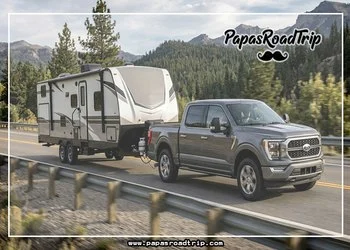
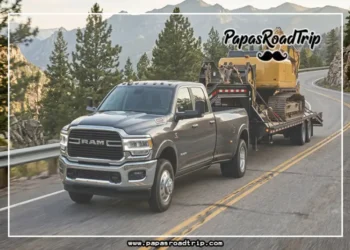
The 2025 Ram 3500 towing capacity reaches up to 36,610 pounds when properly equipped. That top figure needs the right setup: a Regular Cab, two-wheel drive, the 6.7L High-Output Cummins diesel, dual rear wheels, and a gooseneck or fifth-wheel hitch. A typical crew-cab 4×4 diesel with a conventional bumper hitch lands much lower, in the low 20,000s. Below you’ll find the real numbers by cab, engine and hitch type, plus the weights that decide whether your setup works.
What the Ram 3500 heavy-duty pickup is built for
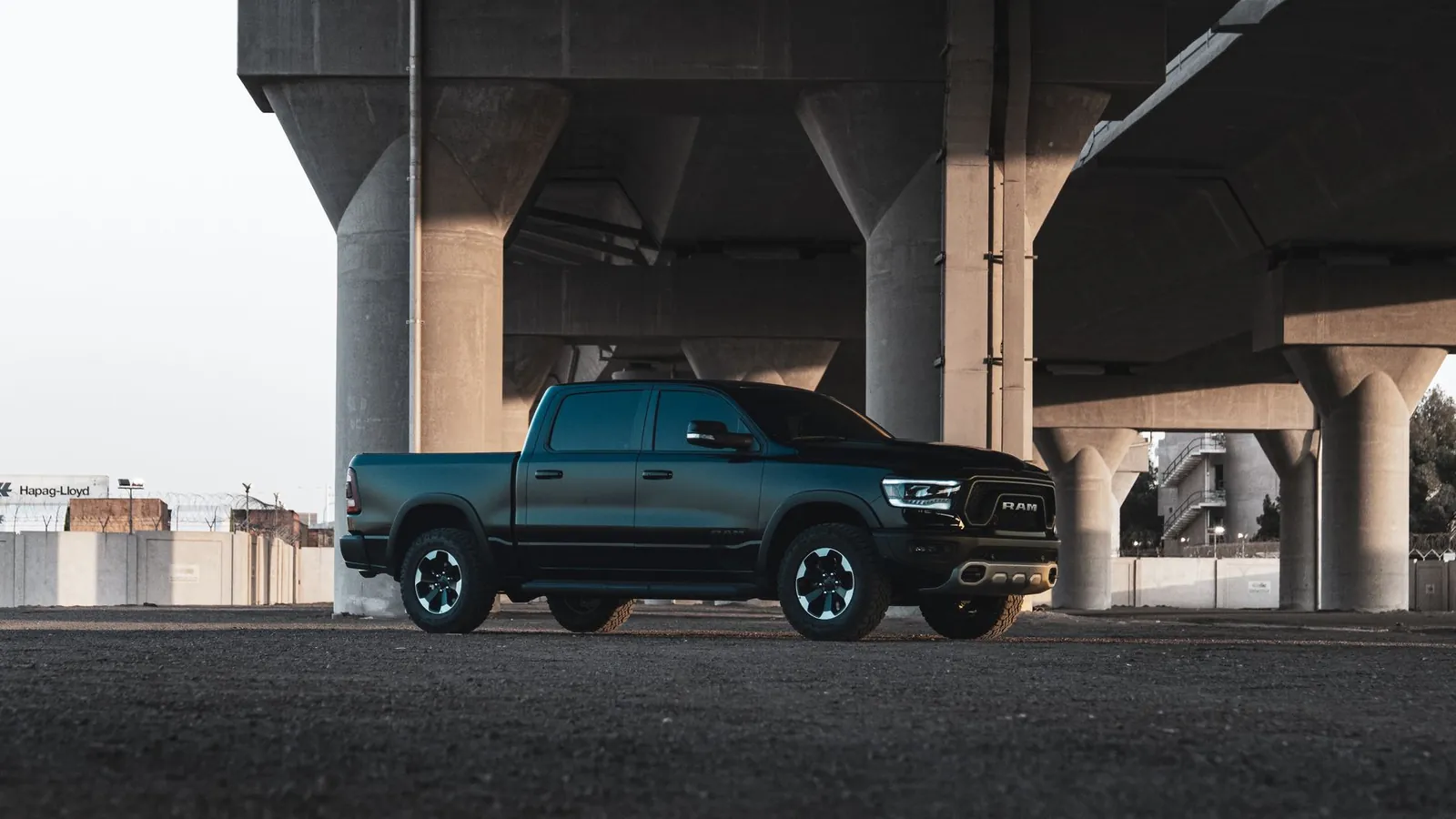
The Ram 3500 is a heavy-duty pickup truck. Ram builds it for work that a light-duty truck can’t handle: pulling horse trailers, flatbeds, excavators and large travel trailers. It sits above the Ram 2500 in Ram’s lineup, and it’s sold in Tradesman, Big Horn, Laramie, Limited and other trims.
Ram sells it with three engine choices. The 6.4L HEMI V8 gasoline engine is the standard one. Above that sit two versions of the 6.7L Cummins turbo diesel: a standard-output model and a High-Output model. The High-Output diesel is the one that unlocks the biggest tow ratings. Buyers pick between single rear wheels (SRW) and dual rear wheels (DRW), and that choice changes the numbers a lot.
The common misconception is that the biggest number on the brochure applies to any 3500 you buy. It doesn’t. Towing capacity changes with cab size, bed length, drive type, axle ratio, trim and hitch. Two trucks with the same badge can differ by many thousands of pounds.
One rule matters here: the truck’s ratings are set by Ram and tested to SAE J2807, a standard that defines how towing capacity is measured. That’s why you should read the rating for your exact configuration, not a general figure.
How to find your Ram 3500’s real tow rating
- Find the truck’s exact build. Open the driver’s door and read the white sticker on the door jamb. It lists the front and rear gross axle weight ratings (GAWR) and the tire size. Write them down.
- Check the payload sticker. A yellow-and-white label on the same jamb shows “The combined weight of occupants and cargo should never exceed” a number in pounds. That’s your payload limit.
- Match your truck to Ram’s towing chart. Ram publishes a towing guide each model year that lists ratings by cab, bed, engine, axle ratio and hitch type. Use the row that matches your truck exactly. If your truck didn’t come with the guide, your dealer can print the right page.
- Weigh your trailer loaded. Fill the water tanks, load the gear, then weigh the trailer at a public scale. Guessing the weight is where most problems start.
- Work out the pin or tongue weight. For a fifth-wheel or gooseneck, expect roughly 15–25% of the trailer’s weight on the hitch. For a bumper hitch, plan around 10–15%. Check your hitch maker’s own figure for the exact number.
- Subtract that weight from your payload. Add the weight of passengers and cargo in the cab and bed. If the total goes over the payload sticker, the truck is overloaded even when the trailer is under the tow rating.
- Confirm the hitch and ball rating. The hitch, ball, safety chains and receiver each carry their own limit. The weakest part in the chain sets the real limit.
The judgement call that decides everything is this: towing capacity and payload are two different limits, and payload usually runs out first. If your pin weight plus people and gear goes over the payload sticker, you need a lighter trailer or a bigger truck, whatever the tow rating says.
2025 Ram 3500 towing figures at a glance
These are the main variations Ram lists for the 2025 model year. Treat each figure as the maximum for that setup with a properly equipped truck. Your exact rating depends on trim, axle ratio and options, so confirm it on Ram’s official towing guide or the label on your own truck.
| Your setup | Engine and hitch | Figure that matters | What to watch for |
|---|---|---|---|
| Regular Cab, 2WD, DRW | 6.7L High-Output Cummins, gooseneck/fifth-wheel | Up to 36,610 lb | The top rating; needs the exact build and hitch |
| Crew Cab, 4×4, DRW | 6.7L High-Output Cummins, gooseneck/fifth-wheel | Lower than the top figure by several thousand lb | Cab and 4×4 add weight, which cuts the rating |
| Crew Cab, 4×4, SRW | 6.7L Cummins, conventional bumper hitch | Roughly low 20,000s lb | Payload runs out before the tow rating does |
| Any cab, SRW | 6.4L HEMI V8, conventional hitch | Well below the diesel figures | Gas engine suits lighter trailers and shorter trips |
| DRW diesel | Any hitch | Highest payload of the range | Dual rear wheels raise stability and payload |
| SRW diesel | Gooseneck/fifth-wheel | Higher than bumper-hitch rating | Hitch mounting and bed clearance need checking |
Details that separate a safe setup from an overloaded one
Experienced towers start with the door-jamb stickers, not the brochure. They photograph the payload and GAWR labels before they shop for a trailer, so they know their real ceiling. That one habit prevents most bad purchases.
They also load the trailer before the first long trip. A trailer that’s light when empty can go over the limit once water, fuel and gear are aboard. Weighing it loaded at a public scale takes minutes and settles the question.
The order of work matters too. Set the hitch height first, then load the trailer, then set the weight-distribution bars, then check the truck’s stance. A truck that sags at the rear is telling you the tongue weight is too high or the bars need adjusting.
Partway through a trip, check the tire pressures cold and look at the sidewalls for cracks. Trailer tires carry heavy loads and age faster than truck tires. Check the lug nuts on the trailer wheels after the first 50 miles of a trip, then again at each stop for the first day.
What experienced towers leave alone is the truck’s software and sensors. The trailer brake controller, the tow/haul mode and the tire-pressure monitors are set by Ram for a reason. Changing settings to “get more” out of the truck doesn’t add capacity. It just hides a problem.
Common Ram 3500 towing problems and fixes

Most towing complaints trace back to weight, setup or tire pressure. The table below matches what you notice to the likely cause and the first thing to check.
| What you notice | What it usually means | What to do first |
|---|---|---|
| Rear of the truck sags when hitched | Tongue or pin weight is too high, or weight-distribution bars aren’t set | Recheck the loaded trailer weight and adjust the bars |
| Trailer sways at highway speed | Too little tongue weight, or the load sits too far back | Move cargo forward and confirm 10–15% tongue weight on a bumper hitch |
| Brakes feel weak going downhill | Trailer brake controller gain is set too low | Raise the gain in small steps and test at low speed |
| Truck feels sluggish and shifts often | Tow/haul mode is off, or the load is near the limit | Switch on tow/haul and confirm the weight against your rating |
| Tires run hot or wear on the edges | Pressure is wrong for the load | Check cold pressures against the door-jamb label |
Sway that starts above 55 mph and settles when you slow down is usually a loading problem. Sway that begins at lower speed points to the hitch setup itself.
On a Ram 3500 with a fifth-wheel or gooseneck, the pin weight sits over the rear axle rather than behind it. That changes the fix: shifting cargo forward helps a bumper hitch, but on a fifth-wheel you adjust the hitch position and pin weight instead.
Check tire pressure cold, before the truck has run a mile. A tire that reads correct when hot is likely overinflated when cold, and incorrect pressure is a common cause of edge wear on a loaded dually.
If the sag and the weak brakes show up together, stop and reweigh the trailer before you touch the controller. Two symptoms at once usually mean the load is over the rating, not that the settings are wrong.
Rules and limits that apply to your setup
Ram sets the towing and payload limits, and they’re printed on your truck. The door-jamb label carries the payload and axle ratings, and Ram’s model-year towing guide carries the trailer ratings. Neither can be raised by adding parts after the fact.
Your state’s driver licensing rules also matter. Many states require a special endorsement or a non-commercial Class A license once the trailer passes a certain weight. Those thresholds differ by state, so check your state motor vehicle agency’s own page before you tow heavy.
Watch the payload number as closely as the trailer rating. A 3500 with a heavy diesel and a crew cab can run out of payload before it runs out of tow rating. Load the trailer, fill the tank, and weigh the rig at a public scale. If the rear axle is over its rating, shift cargo or leave some behind.
Your insurance policy is the third check. Some policies limit coverage when the trailer is over the truck’s rated capacity. Call your insurer and confirm the trailer weight they’ll cover.
If your setup needs a commercial operation, an air-brake endorsement or a DOT number, that’s past a normal DIY job. Talk to your state motor vehicle agency and a commercial truck specialist rather than guessing.
Keeping the setup right over time
Once the truck and trailer match, keep a simple record. Write down the loaded trailer weight, the pin or tongue weight, and the cold tire pressures for both truck and trailer. Store it in the glovebox so anyone who drives the rig can check it.
Weigh the rig loaded, not empty. A fifth-wheel trailer that scaled fine on the way home can gain several hundred pounds of water, gear and food before the first trip. That gain comes straight off your pin weight margin.
Recheck the weights whenever something changes: a new trailer, added gear, a different water tank level, or new tires. A change in tire size can change the load rating, so read the new tire’s sidewall before you trust it.
Replace tires in axle pairs on a Ram 3500, and match the load range on the sidewall to what the door jamb lists. A single tire with a lower rating drags the whole axle down.
Watch for the signs that tell you it’s time to look again. Uneven tire wear, a truck that sits lower than before, or brakes that need more pedal all point to a weight or wear problem. Ram’s own towing and payload guide lists the ratings by model year, so you can compare your truck against the published figures.
When a Ram 3500 isn’t the right truck
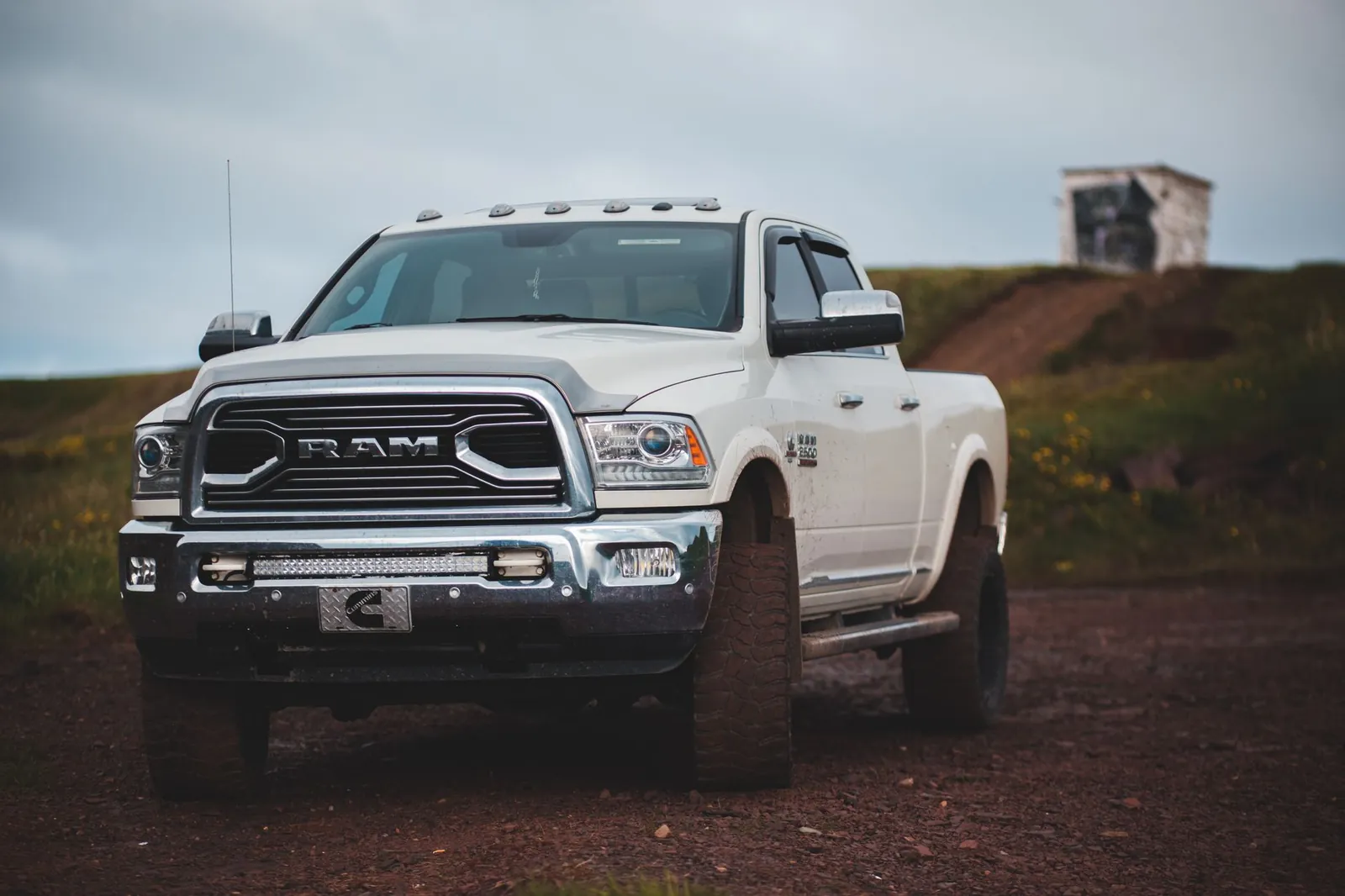
The 3500 is the wrong choice when your trailer is light. If your loaded trailer stays under about 10,000 pounds, a Ram 2500 or even a 1500 will tow it with more comfort and lower running costs. Heavier trucks ride stiffer and drink more fuel when empty.
That fuel penalty shows up hardest on the short-hop driving most owners actually do. A diesel 3500 that never gets up to temperature on a ten-minute commute is also the one that clogs its emissions hardware soonest.
It’s also the wrong choice when payload, not towing, is your limit. A truck camper or a heavy pin weight can push a 3500 over its payload sticker even with a modest trailer. In that case, look at a bigger chassis-cab truck or a smaller camper.
Check the payload sticker on the driver’s door jamb before you sign, not the brochure number. Add the pin weight, the hitch, passengers and gear, and compare that total to the sticker.
Finally, skip the 3500 if you tow only a few times a year on short trips. Renting a truck for those days costs less than buying, insuring and maintaining a heavy-duty diesel that sits in the driveway.
Related guides
- Toyota Highlander Tow Package: Ultimate Guide to Towing Power
- Honda Passport Tow Package: Ultimate Guide for Powerful Towing
- Jeep Gladiator Max Tow Package: Ultimate Towing Power Unleashed
Frequently asked questions
What is the max towing capacity of a 2025 Ram 3500?
It’s up to 36,610 pounds. That figure assumes a Regular Cab, two-wheel drive, dual rear wheels, the 6.7L High-Output Cummins diesel and a gooseneck or fifth-wheel hitch. Any other cab, bed, drive type or hitch lowers the rating, so check Ram’s towing guide for your exact build.
Can a 2025 Ram 3500 tow 30,000 pounds?
Yes, but only in specific setups. You’ll need a dual-rear-wheel truck with the High-Output Cummins diesel and a gooseneck or fifth-wheel hitch. A single-rear-wheel truck or a bumper hitch won’t reach that figure. Confirm your truck’s rating on the door-jamb label and Ram’s guide before you load.
How much can a 2025 Ram 3500 with the 6.4L HEMI tow?
It tows well below the diesel figures. The gas V8 suits lighter trailers, shorter trips and buyers who don’t want diesel maintenance. For the exact rating for your cab, bed and axle ratio, check the row for your truck in Ram’s model-year towing guide.
What’s the difference between SRW and DRW for towing?
Dual rear wheels (DRW) carry more payload and feel more stable with a heavy trailer. Single rear wheels (SRW) give a softer ride and better traction in snow and mud. If your pin weight is high, DRW is the safer pick. If you tow light and drive empty often, SRW works well.
Is it safe to tow at the maximum rating?
Yes, if every part of the setup matches the rating. That means the right hitch, ball, chains, tires and brake controller, plus a loaded trailer within the limit. Towing at the max with a mismatched hitch or worn tires isn’t safe, whatever the sticker says.
How long does it take to set up a Ram 3500 for towing?
Plan about 1–2 hours for a first setup. That covers hitch installation or adjustment, brake controller calibration, tire pressure checks and a short test tow at low speed. After that, hitching up for a trip takes about 15–20 minutes once you know the routine.
Conclusion
Before you sign anything, take your own truck’s door-jamb sticker and the trailer’s loaded weight to a CAT scale for a real-world check. It’ll cost you a few bucks and settle any doubt about whether your setup is actually safe.