If you want your engine block to look sharp and stay protected for the long haul, powder coating might be the game-changer you’ve been searching for. Imagine a finish that not only makes your engine block stand out but also shields it from rust, heat, and grime.
That’s exactly what powder coating offers—a tough, durable surface that handles the heat and keeps your engine running cooler. But is powder coating the right choice for your engine block? You’ll discover what powder coating really means, why it’s worth considering, and how it compares to traditional painting.
By the time you finish reading, you’ll know exactly how to transform your engine block into a powerhouse that looks as good as it performs. Ready to dive in? Let’s get started!
Benefits Of Powder Coating
Powder coating an engine block offers many advantages over traditional painting methods. It creates a tough, protective layer that stands up to harsh conditions. This process improves the engine block’s performance and lifespan. Here are some key benefits of powder coating your engine block.
Enhanced Durability
Powder coating forms a thick, strong finish that resists scratches and chips. This coating protects the engine block from daily wear and tear. It also withstands impacts better than regular paint. The durable surface keeps the engine block looking new for longer.
Corrosion Resistance
The powder coat layer acts as a barrier against moisture and chemicals. This prevents rust and corrosion on metal surfaces. Corrosion resistance extends the life of the engine block. It also helps maintain engine efficiency by protecting vital parts.
Heat Dispersion
Powder coating helps spread heat evenly across the engine block. This reduces hot spots that can cause damage. Better heat dispersion improves engine performance and reliability. It helps the engine run cooler under heavy use.
Long-term Cost Savings
Powder coating reduces the need for frequent repairs and repainting. The durable finish lowers maintenance costs over time. It protects the engine block from damage that can lead to expensive fixes. Investing in powder coating saves money in the long run.
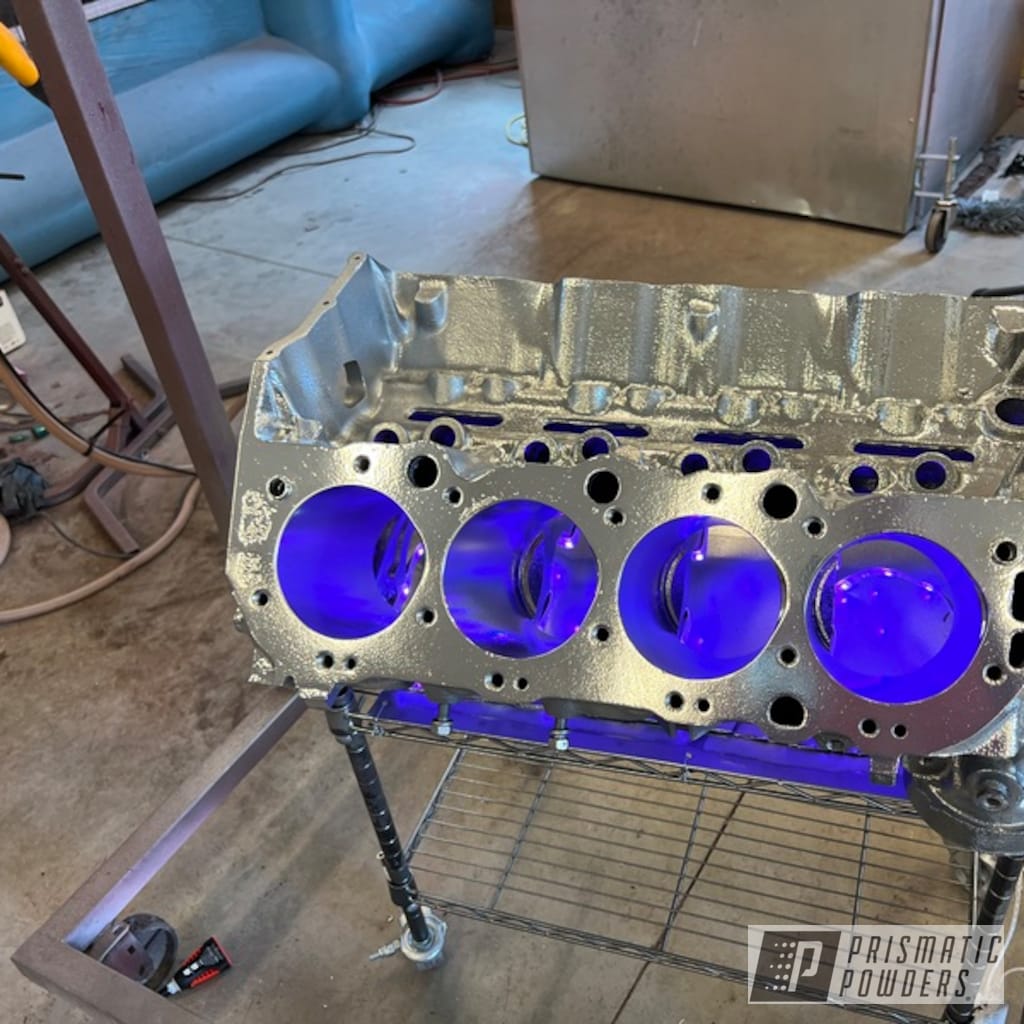
Credit: www.prismaticpowders.com
Powder Coating Process
The powder coating process transforms an engine block with a durable and attractive finish. This method uses a dry powder that adheres tightly to the metal surface. It creates a tough, protective layer that resists chips, scratches, and rust. Understanding the steps involved helps appreciate the quality and longevity of the coating.
Preparation And Cleaning
Preparation starts with thorough cleaning of the engine block. All grease, dirt, and old paint must be removed. This step ensures the powder sticks well to the surface. Often, sandblasting or chemical cleaning is used. The engine block must be dry and free of oils before coating.
Applying The Powder
The powder is applied using a spray gun. This tool charges the powder particles with static electricity. The charged powder sticks evenly to the grounded engine block. This creates a smooth and consistent layer. The powder flows into all corners and details for full coverage.
Curing And Finishing
After application, the engine block goes into an oven to cure. Heat melts the powder into a continuous film. This film bonds tightly with the metal surface. The curing time and temperature depend on the powder type. Once cooled, the coating becomes hard and durable. The final finish is smooth, glossy, and resistant to damage.
Comparing Powder Coating And Painting
Understanding the cost factors behind powder coating an engine block helps in planning your budget. Several elements influence the final price. These include materials, labor, and equipment. Each factor plays a key role in the overall expense.
Material Expenses
Powder coating uses special powders made from resin and pigment. High-quality powders cost more but offer better durability. The amount of powder needed depends on the engine block size. Extra layers for thicker coatings increase material costs. Some powders offer heat resistance, adding to their price.
Labor And Time
Labor involves preparing, coating, and curing the engine block. Surface cleaning and sanding take time but ensure better adhesion. Applying powder evenly requires skill and care. Curing in an oven takes extra time and energy. More complex jobs with multiple colors or designs need more labor.
Equipment Requirements
Powder coating needs specialized equipment. This includes spray guns, curing ovens, and cleaning tools. Quality equipment improves coating results but raises costs. Regular maintenance of machines adds to expenses. Small workshops may charge more to cover equipment investments.

Credit: www.youtube.com

Credit: www.youtube.com
Frequently Asked Questions
How Much Does It Cost To Powder Coat An Engine Block?
Powder coating an engine block typically costs between $375 and $550. Prices vary by coating type and prep work.
What Are The Downsides Of Powder Coating?
Powder coating requires costly equipment and complex application. Repairs need full stripping and re-coating, making touch-ups time-consuming and expensive.
Is Powder Coating Good For Engine Parts?
Powder coating protects engine parts from corrosion, heat, and wear. It offers durable, smooth finishes that improve heat dissipation and longevity.
Is It Cheaper To Paint Or Powder Coat?
Painting is cheaper initially due to lower equipment and labor costs. Powder coating costs more upfront but lasts longer and needs less maintenance.
What Is Powder Coating On An Engine Block?
Powder coating is a dry paint process that uses heat to create a tough, protective layer on engine blocks.
Conclusion
Powder coating an engine block offers strong protection and a lasting finish. It resists heat, oil, and corrosion better than paint. The process adds durability and keeps the engine looking clean. Though it costs more upfront, it reduces future maintenance needs.
Choosing powder coating helps your engine block stay in great shape longer. Consider it for a reliable and sturdy finish.