


When it comes to keeping your vehicle running smoothly, every part matters—especially the hoses that carry essential fluids. You might wonder if a fuel hose can double as a coolant hose, especially when you’re in a pinch or looking to save money.
But here’s the truth: using the wrong hose for your coolant system can cause serious problems, from leaks to costly engine damage. You need to understand why fuel hoses and coolant hoses are not interchangeable, and how choosing the right hose protects your engine’s health.
Keep reading to discover what makes a proper fuel hose for coolant, why it matters to your vehicle’s performance, and how to pick the best one for your ride. Don’t risk your engine—know what hose to trust.
Credit: www.cutandcouple.com
Fuel Hose Vs Coolant Hose
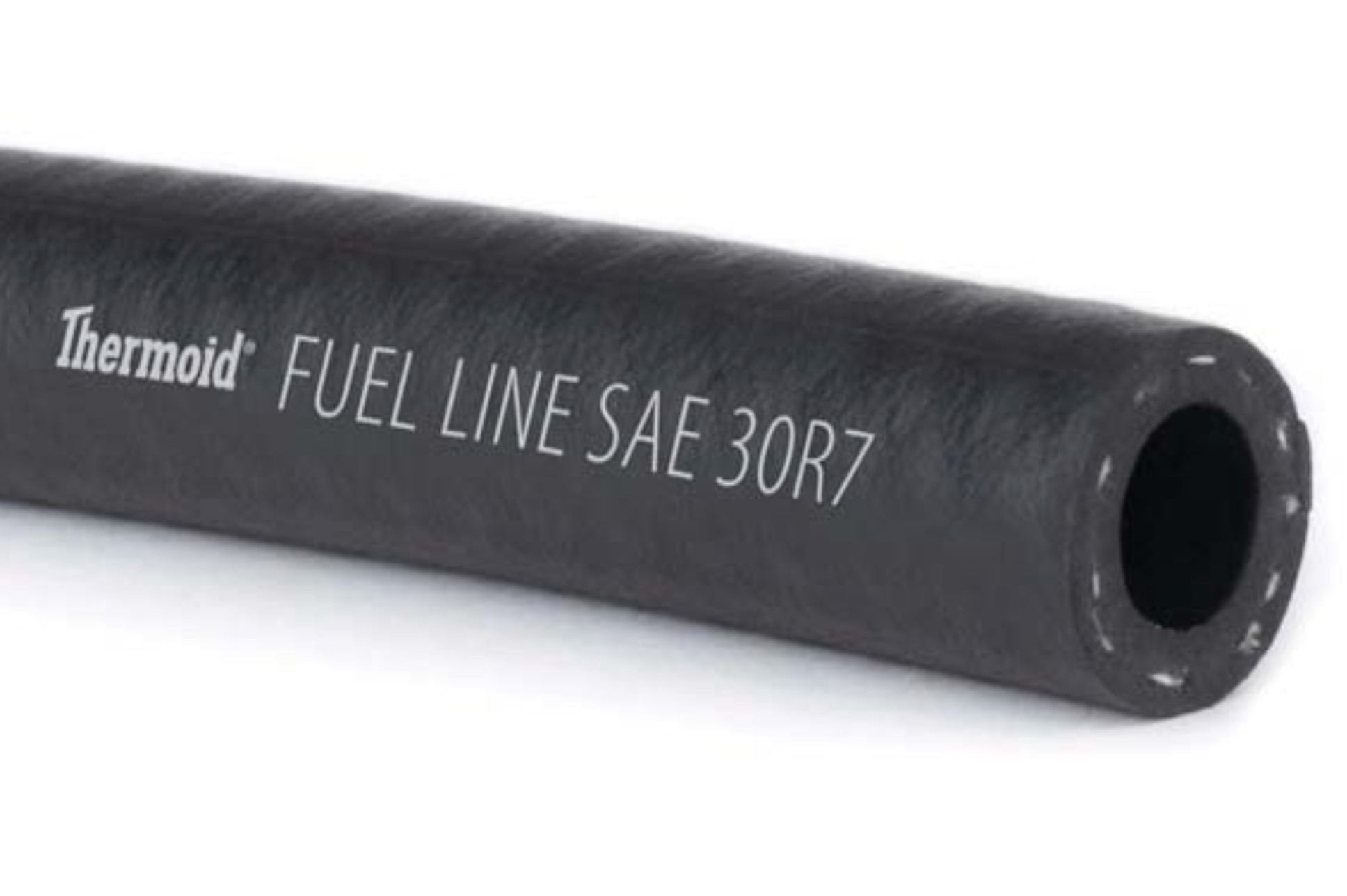
Fuel hoses and coolant hoses serve different purposes in vehicles. Using the right hose ensures safety and performance. Both types look similar but have key differences. Understanding these differences helps avoid costly mistakes. Below are the main factors that separate fuel hoses from coolant hoses.
Chemical Compatibility
Fuel hoses must resist gasoline and diesel chemicals. They prevent leaks and damage from harsh fuels. Coolant hoses handle antifreeze and water mixtures. These fluids are less aggressive than fuels. Using a fuel hose for coolant might cause swelling or cracking. Coolant hoses are not designed to resist fuel chemicals.
Temperature And Pressure Limits
Coolant hoses endure higher temperatures, often above 200°F. They must handle engine heat and pressure from the cooling system. Fuel hoses deal with lower temperatures but higher pressure variations. Overheating a fuel hose can cause failure. Using a coolant hose for fuel may lead to bursts under pressure.
Material Differences
Fuel hoses use materials like nitrile rubber, resistant to oil and fuel. They often have multiple layers for strength and flexibility. Coolant hoses use EPDM rubber, which withstands heat and coolant chemicals. EPDM resists swelling in water-based fluids. Material choice affects hose lifespan and safety in each application.

Credit: www.reddit.com
Why Fuel Hoses Fail With Coolant
Fuel hoses are designed for fuel, not coolant. Using fuel hoses for coolant systems can cause problems. The materials in fuel hoses react differently to coolant. This reaction leads to failures that affect vehicle performance and safety. Understanding why fuel hoses fail with coolant helps prevent costly repairs and breakdowns.
Degradation And Brittleness
Coolant contains chemicals that break down fuel hose material. Over time, the hose becomes brittle and cracks. These cracks reduce the hose’s strength. Brittleness makes the hose prone to sudden failure. This damage happens faster than with hoses made for coolant.
Leakage Risks
Fuel hoses are not built to seal coolant tightly. Coolant pressure and heat cause the hose to swell or shrink. This changes the hose’s shape and tightness. Leaks start at weak points or connections. Leaking coolant can cause engine overheating and damage.
Premature Wear
Fuel hoses wear out quickly when exposed to coolant. The hose’s inner lining can erode or collapse. Abrasion inside the hose limits coolant flow. Premature wear leads to frequent replacements. Coolant hoses last longer because they resist these effects.
Coolant Hose Materials
Coolant hoses play a vital role in vehicle cooling systems. Their materials must resist heat, pressure, and chemical exposure. Different materials offer unique benefits for coolant hose performance and durability.
Rubber Types Used
EPDM rubber is common for coolant hoses. It handles heat and coolant chemicals well. Natural rubber is less used due to poor heat resistance. Nitrile rubber resists oil but not high temperatures. EPDM balances flexibility and durability for most engines.
Silicone Advantages
Silicone hoses withstand higher temperatures than rubber. They remain flexible even in extreme cold. Silicone resists ozone and UV damage. These hoses last longer and prevent leaks. They cost more but improve reliability in hot engines.
Fluorocarbon Rubber (fkm)
FKM rubber offers excellent chemical and heat resistance. It handles temperatures above 200°C (392°F). FKM resists fuels, oils, and coolants. This material suits high-performance and heavy-duty engines. FKM hoses maintain strength under harsh conditions.

Credit: www.reddit.com
Choosing The Right Hose
Choosing the right fuel hose for coolant is vital for vehicle safety and performance. The hose must handle the engine’s heat and pressure without breaking down. Selecting a poor quality hose can cause leaks and engine damage. Understanding key factors helps in making the best choice for your needs.
Assessing Temperature Ratings
Coolant hoses face high temperatures from the engine. The hose material must resist heat without melting or cracking. Check the temperature rating on the hose label before buying. A hose rated for temperatures above 200°F is usually safe. Lower ratings risk damage and coolant leaks.
Pressure Requirements
The coolant system works under pressure to circulate fluid. The hose must withstand this pressure to avoid bursting. Look for hoses tested to handle the engine’s operating pressure. A strong reinforcement layer inside the hose adds extra strength. Never use a hose with a lower pressure rating than needed.
Chemical Resistance
Coolant contains chemicals that can harm some hose materials. Choose hoses made from materials like EPDM rubber that resist coolant chemicals. Avoid hoses designed only for fuel or oil. These may break down quickly in contact with coolant. Proper chemical resistance extends hose life and prevents leaks.
Common Coolant Hose Brands
Choosing the right coolant hose is key for vehicle performance and safety. Many brands offer hoses designed to handle heat and pressure from the engine’s cooling system. Quality hoses prevent leaks and engine damage.
Popular brands focus on durability and fit, ensuring long-lasting service. Their products meet industry standards for automotive coolant systems. Below are some common coolant hose brands known for reliability and quality.
Gates
Gates is a top name in automotive hoses. They produce coolant hoses that resist heat and pressure well. Their hoses fit many vehicle models and last a long time. Gates uses strong materials to prevent cracking and swelling. This brand is trusted by mechanics worldwide.
Motorcraft
Motorcraft makes hoses mainly for Ford vehicles. Their coolant hoses are designed to meet factory specifications. Motorcraft hoses handle extreme temperatures and resist wear. They help maintain proper engine cooling and prevent leaks. Using Motorcraft means getting parts built for your car.
Hel Performance
HEL Performance offers high-quality silicone coolant hoses. These hoses are flexible and resist heat better than rubber ones. They suit performance and racing vehicles well. HEL hoses come in different colors and sizes for customization. They last longer and improve coolant flow.
Installation Tips
Installing a fuel hose for coolant requires care and attention to ensure long-lasting performance. Proper installation prevents leaks, overheating, and hose damage. Follow these simple tips to get the best results.
Proper Hose Routing
Route the hose away from sharp edges and moving parts. Avoid areas with high heat, such as near the engine block. Keep the hose as straight as possible to allow smooth coolant flow. Check that the hose does not touch hot or rough surfaces.
Avoiding Kinks And Bends
Do not bend the hose sharply or force it into tight spaces. Kinks block coolant flow and cause overheating. Use gentle curves to maintain steady liquid movement. Support the hose properly to prevent sagging or twisting during operation.
Clamping Best Practices
Use the right type of clamps designed for coolant hoses. Tighten clamps evenly to avoid damage or leaks. Place clamps near hose ends for a secure fit. Avoid over-tightening, which can cut into the hose material.
Maintenance And Longevity
Proper maintenance extends the life of your fuel hose for coolant. Neglecting care can lead to leaks or hose failure. Regular attention keeps your engine running smoothly. Follow simple steps to ensure durability and performance.
Regular Inspections
Check the hose often for cracks or soft spots. Inspect connections for tightness and leaks. Look for bulges or signs of wear caused by heat or pressure. Early detection prevents costly repairs and breakdowns.
Signs Of Wear
Look for discoloration, brittleness, or swelling on the hose. Feel for stiffness or areas that are unusually soft. Notice any coolant odors or puddles near the hose area. These signs indicate the hose needs attention or replacement soon.
Replacement Intervals
Replace the fuel hose for coolant every 4 to 5 years. Follow the vehicle manufacturer’s recommendations for exact timing. Replace sooner if you notice damage or leaks. Using the correct hose type improves safety and engine health.
Alternatives To Fuel Hose For Coolant
Choosing the right hose for your vehicle’s coolant system is vital. Fuel hoses often do not meet the specific needs of coolant systems. Several alternatives offer better durability and safety. These options can handle temperature changes and resist chemicals found in coolants.
Silicone Coolant Hoses
Silicone hoses are popular for coolant systems. They handle high temperatures without cracking. These hoses stay flexible even in cold weather. Silicone resists oil and chemicals well. This makes them last longer than regular rubber hoses. They are a reliable choice for many cars and trucks.
Braided Hoses
Braided hoses have a strong outer layer made from metal or fabric. This layer protects against cuts and abrasion. The inner hose is usually rubber or silicone. Braided hoses can withstand high pressure and heat. They are often used in performance and racing vehicles. These hoses provide extra safety and durability.
Oem Replacement Options
OEM hoses come directly from the vehicle manufacturer. These hoses are designed to fit and work perfectly with your car. OEM options meet exact specifications for heat and pressure. They offer peace of mind and maintain vehicle warranty. Using OEM hoses ensures compatibility and long-term reliability.
Frequently Asked Questions
Can A Fuel Hose Be Used For Coolant?
No, do not use fuel hose for coolant. Fuel hoses lack proper heat and pressure resistance needed for coolant systems. They may degrade, leak, or fail prematurely under coolant conditions. Always use hoses specifically rated for coolant to ensure safety and durability.
What Type Of Hose Can Be Used For Coolant?
Use hoses specifically designed for coolant, such as silicone or EPDM rubber hoses. Avoid fuel hoses, as they lack proper heat and pressure resistance for coolant systems. Coolant hoses withstand high temperatures and pressures, preventing leaks and premature failure.
Can I Drive My Car With A Broken Coolant Hose?
Driving with a broken coolant hose risks engine overheating and severe damage. Replace the hose immediately to avoid costly repairs and unsafe driving conditions.
How Much Does It Cost To Replace A Coolant Hose?
Replacing a coolant hose typically costs between $30 and $150, depending on hose quality and labor fees. Prices vary by vehicle and location.
Can Fuel Hose Be Safely Used For Coolant Systems?
Fuel hoses are not designed for coolant and may fail due to heat and chemical differences.
Conclusion
Choosing the right hose for your coolant system matters a lot. Fuel hoses and coolant hoses have different materials and purposes. Using a fuel hose for coolant can cause leaks or damage. Always pick hoses made specifically for coolant use.
Proper hoses keep your engine cool and running smoothly. This small choice helps avoid costly repairs later. Trust quality and correct parts for better car health. Stay safe and keep your vehicle in good shape.