The Dodge Journey was once a popular choice for families who wanted a midsize SUV with a reasonable price tag. It promised space, comfort, and flexibility, making it seem like a smart buy for many drivers. But like any vehicle, not all model years are equal.
Over its production run from 2009 to 2020, the Dodge Journey saw both good and problematic years. If you’re considering a used Journey, knowing which years to avoid could save you a lot of trouble and money.
This guide breaks down the Dodge Journey’s history, highlights the most troublesome years, and explains why some models are riskier than others. With real-world data, expert insights, and clear explanations, you’ll learn what to watch out for, which years are best skipped, and what alternatives you might consider.
Whether you’re new to car buying or an experienced shopper, this article gives you the practical knowledge you need to make a confident decision.
Understanding The Dodge Journey
The Dodge Journey entered the market in 2009 as a midsize crossover SUV. It was built on a car-like platform, offering three rows of seats and flexible cargo space. The Journey was designed to be a budget-friendly family hauler, often undercutting rivals in price. Early models offered both four-cylinder and V6 engines, front-wheel or all-wheel drive, and a range of trims from basic to well-equipped.
Despite its promise, the Journey often lagged behind competitors in performance, reliability, and safety. While some owners enjoyed years of trouble-free driving, others faced expensive repairs and frustrating issues. Over time, the Journey became known for specific problems that often affected certain model years more than others.
Key Features Of The Dodge Journey
- Seating for up to seven passengers
- Flexible cargo space with folding seats
- Front-wheel and all-wheel drive options
- Four-cylinder or V6 engines
- Affordable pricing compared to rivals
These features made the Journey appealing, especially to budget-conscious families. However, the vehicle’s long production run without major updates meant that some of its components and technologies became outdated, and certain design flaws persisted.
Why Some Years Are Worse Than Others
Automakers often improve their vehicles over time, fixing issues as they go. However, the Dodge Journey saw few major redesigns or updates during its life. As a result, some problems stuck around for years, while others were fixed only in later models. The worst years for the Journey often share a few things in common:
- Frequent mechanical breakdowns
- Serious safety or reliability complaints
- High repair costs
- Poor performance in crash tests
To identify the Dodge Journey years to avoid, it helps to look at common complaints, recall data, and reliability ratings from trusted sources like NHTSA (National Highway Traffic Safety Administration), Consumer Reports, and owner forums.
Dodge Journey Years To Avoid
Some Dodge Journey model years stand out as especially risky. Here’s a closer look at the years most experts and owners recommend skipping, with specific problems explained for each.
2009 Dodge Journey
The very first year of the Dodge Journey was also one of the worst. Owners reported a range of problems, especially with the electrical system and brakes. Some of the most common complaints included:
- Premature brake wear: Many drivers needed new pads and rotors after just 10,000–20,000 miles. This is much sooner than normal for most vehicles.
- Electrical issues: Problems with wiring, instrument panels, and sensors often led to warning lights, power loss, or electrical failures.
- Engine stalling: Some owners experienced sudden engine shutoffs while driving, which is a major safety risk.
These issues led to high repair costs and frequent visits to the mechanic. The 2009 Journey also performed poorly in reliability studies, making it a year to avoid.
2010 Dodge Journey
The problems of the 2009 model mostly continued into 2010. Reliability ratings remained low, and new issues appeared:
- Brake problems persisted: Many owners still needed to replace brakes far too often.
- Faulty electrical components: Malfunctioning sensors and wiring caused unpredictable warning lights and system failures.
- Transmission trouble: Some 2010 Journeys suffered from rough shifting or complete transmission failure.
Repairs for these problems could be expensive, and the vehicle’s resale value took a hit as a result.
2011 Dodge Journey
By 2011, Dodge made some improvements, but not enough to fix the Journey’s reputation. Common complaints included:
- Electrical gremlins: Problems with the Totally Integrated Power Module (TIPM) could cause random system failures, such as headlights turning off or the engine refusing to start.
- Air conditioning failures: Many owners faced costly repairs when the A/C system stopped working, often due to leaks or compressor issues.
- Brake wear: While improved, brakes still wore out too quickly for some drivers.
Although the 2011 model was slightly better than the first two years, it’s still considered a risk by many experts.
2012 Dodge Journey
The 2012 model showed some progress, but it still faced a mix of old and new problems:
- TIPM failures continued: The main computer module could cause everything from starting problems to random electrical glitches.
- Engine cooling issues: Some owners reported overheating and coolant leaks, leading to expensive repairs.
- Suspension problems: Premature wear of suspension parts like control arms and bushings led to clunking noises and poor handling.
While not as notorious as the earliest models, the 2012 Journey remains on most lists of years to avoid.
2013 Dodge Journey
By 2013, Dodge had addressed some issues, but the Journey still struggled with reliability:
- Electrical and sensor problems: Keyless entry and push-button start systems sometimes failed, leaving drivers stranded.
- Brakes and rotors: Though improved, some Journeys still suffered from fast brake wear.
- Transmission glitches: Complaints about rough shifting and hesitant acceleration continued for some vehicles.
2013 models were not as bad as earlier years, but they still lagged behind the competition in terms of quality.
2014 Dodge Journey
The 2014 Journey is often considered the last of the truly problematic years. Key issues included:
- Electrical system bugs: Malfunctioning infotainment systems, power windows, and door locks were common complaints.
- Brake and rotor problems: Some owners still faced early brake replacements.
- Cooling system leaks: Occasional reports of overheating and failed radiators added to repair costs.
After 2014, many of the Journey’s most serious problems became less common. However, buyers should still be cautious.
Data Overview: Complaints And Reliability By Year
To help visualize which years had the most problems, here’s a comparison of customer complaints and reliability scores for the Dodge Journey from 2009 to 2020.
| Model Year | Total NHTSA Complaints | Consumer Reports Reliability Score (out of 5) |
|---|---|---|
| 2009 | 1,100+ | 1 |
| 2010 | 950+ | 1 |
| 2011 | 700+ | 2 |
| 2012 | 500+ | 2 |
| 2013 | 350+ | 2 |
| 2014 | 300+ | 2 |
| 2015 | 200+ | 3 |
| 2016 | 150+ | 3 |
| 2017 | 120+ | 3 |
| 2018 | 100+ | 3 |
| 2019 | 80+ | 3 |
| 2020 | 60+ | 3 |
As the data shows, the first six years (2009–2014) had the most complaints and the lowest reliability scores.
Most Common Problems In Dodge Journey
While each year had its own issues, some problems showed up again and again. Knowing these trouble spots can help you spot warning signs if you’re shopping for a used Dodge Journey.
1. Premature Brake Wear
This is one of the most frequent complaints across multiple model years. Many owners reported having to replace brake pads and rotors much sooner than expected — sometimes every 10,000 to 20,000 miles. This not only adds to maintenance costs but could also be a sign of poor design or low-quality parts.
2. Electrical System Failures
Electrical gremlins plagued the Journey for years. Common symptoms included warning lights flashing without reason, power windows or locks not working, or the car refusing to start. In many cases, the cause was the TIPM (Totally Integrated Power Module), a central computer that controls many electronic systems.
3. Transmission Issues
Some Journeys, especially from the early years, suffered from rough shifting, delayed engagement, or even total transmission failure. Repairs could be very expensive, often costing several thousand dollars.
4. Engine Stalling And Cooling Problems
Engine stalling was mostly reported in the first few model years, sometimes caused by electrical faults or fuel system issues. Overheating, coolant leaks, and radiator failures were also common, especially in models from 2011 to 2014.
5. Air Conditioning And Heating Malfunctions
Many owners experienced problems with the climate control system, ranging from weak airflow to complete failure of the A/C or heater. The root cause was often a failing compressor, blend door actuator, or leaking refrigerant.
6. Suspension Wear
Premature wear of suspension components like bushings, ball joints, and control arms led to clunking noises, poor handling, and extra repair bills.
Dodge Journey Recalls: What You Need To Know
Recalls are a good way to judge how serious a vehicle’s problems are. The Dodge Journey has been the subject of several important recalls over the years, mostly for safety-related issues.
| Year | Recall Description | Affected Vehicles |
|---|---|---|
| 2009–2010 | Wiring harness issues could cause engine stalling or fires. | Over 300,000 |
| 2009–2011 | Airbag control module malfunction could prevent airbag deployment. | 200,000+ |
| 2011–2014 | Brake booster water intrusion could reduce braking power. | 100,000+ |
| 2012–2015 | Ignition switch defects could shut off the engine while driving. | Nearly 700,000 (across multiple FCA vehicles) |
If you’re considering a used Journey, always check that recall repairs have been completed. You can search for recalls using the vehicle’s VIN on the NHTSA website.
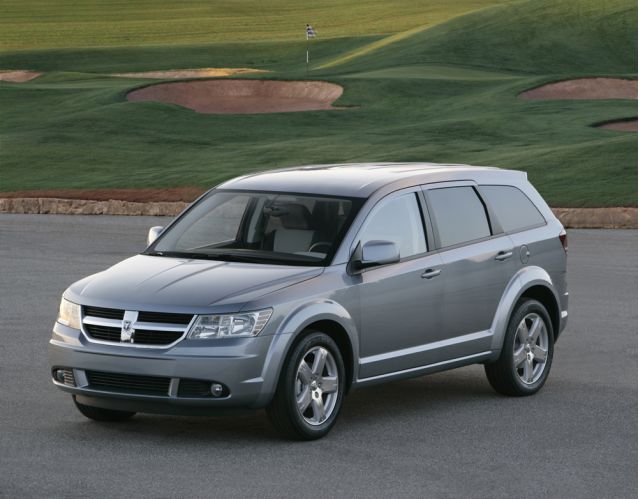
Credit: agtauto.com
Better Years For The Dodge Journey
Not every Dodge Journey was a disaster. After 2015, Dodge made several improvements that reduced the frequency and seriousness of many problems.
2015–2020 Dodge Journey
Models from 2015 onward saw:
- Fewer electrical and brake problems
- Improved reliability scores
- Better build quality
These later models still weren’t perfect, but they had far fewer serious complaints and were less likely to need major repairs. However, they still lagged behind top rivals in safety, performance, and technology.
What If You Already Own A Dodge Journey From A “bad” Year?
If you already own a Dodge Journey from one of the years above, don’t panic. Many vehicles go thousands of miles without major trouble, especially if they’ve been well maintained. Here are a few tips to reduce your risk:
- Stay up to date with maintenance: Change oil, brakes, and fluids regularly.
- Fix small problems early: Address warning lights, strange noises, or leaks before they become bigger issues.
- Check for open recalls: Make sure your vehicle has had all recall repairs completed.
- Find a reliable mechanic: Someone who knows Dodge vehicles can often spot problems early.
- Keep detailed records: This can help with warranty claims or resale later.
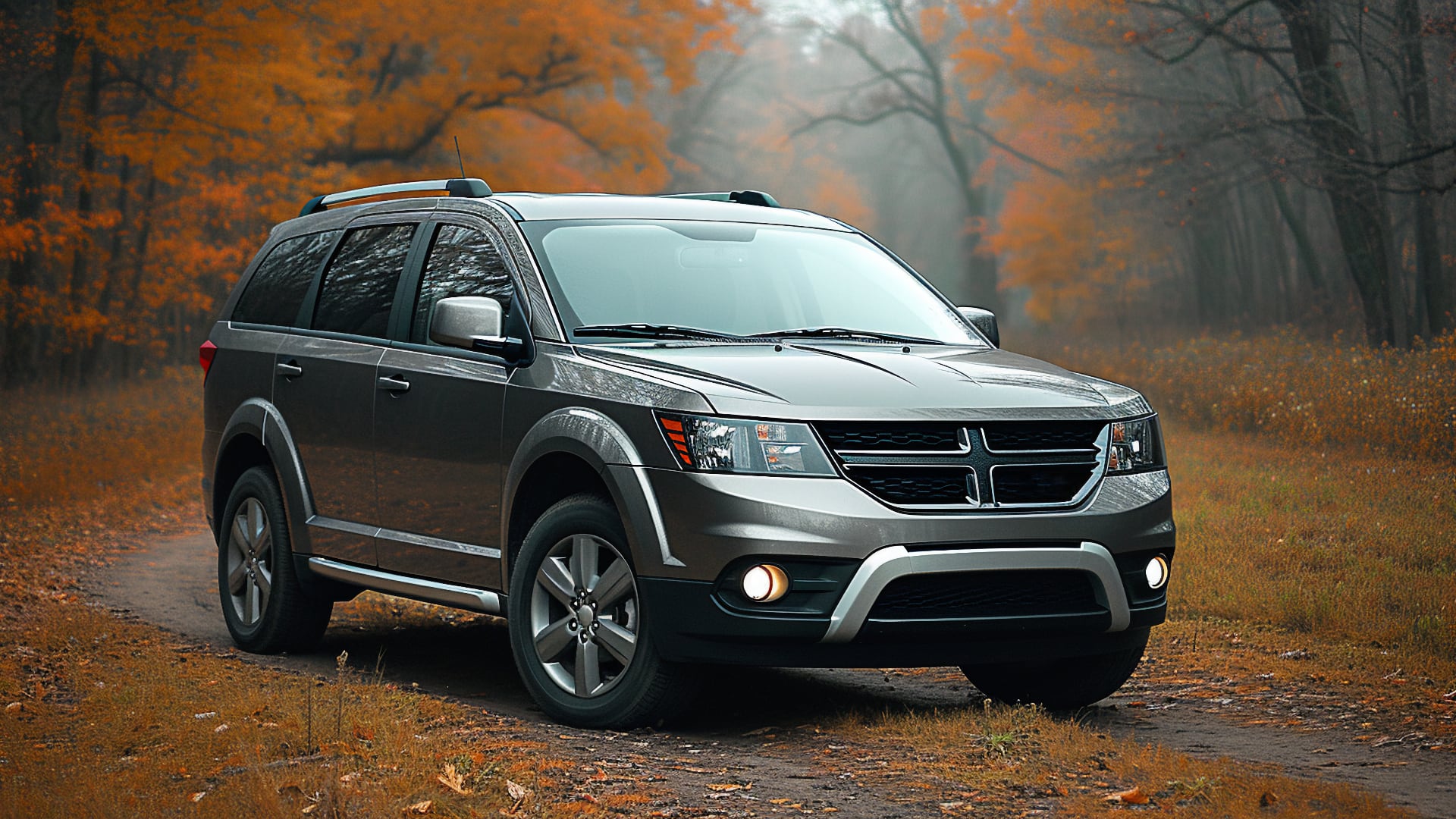
Credit: rerev.com
Key Differences: Dodge Journey Vs. Rivals
If you’re still considering a Dodge Journey, it’s smart to compare it with other midsize SUVs in the same price range. Here’s how the Journey stacks up against popular competitors like the Honda CR-V and Toyota RAV4.
| Feature | Dodge Journey (2015–2020) | Honda CR-V | Toyota RAV4 |
|---|---|---|---|
| Engine Options | 4-cyl or V6 | 4-cyl | 4-cyl |
| Reliability (Consumer Reports, out of 5) | 3 | 4–5 | 4–5 |
| Fuel Economy (mpg, combined) | 19–21 | 28–30 | 28–30 |
| Safety Ratings (NHTSA, out of 5) | 4 | 5 | 5 |
| Technology Features | Basic | Advanced | Advanced |
As you can see, while the Journey offers good space and low prices, it falls short in reliability, fuel economy, and technology.
Non-obvious Insights For Dodge Journey Buyers
Most articles focus on the obvious problems with early Dodge Journeys, but here are a few things many beginners miss:
- Resale value drops quickly: Because of its reputation, the Journey loses value faster than rivals. This might be good if you’re buying used, but it’s bad if you plan to sell later.
- Parts availability is good, but labor can be costly: Since the Journey shares many parts with other Dodge and Chrysler vehicles, finding components is easy. However, some repairs (like electrical work or transmission replacement) require many hours of labor, which can drive up costs.
- Insurance rates may be higher: Some insurers consider the Journey a higher risk due to its history of recalls and accidents, so get quotes before you buy.
What To Look For When Shopping Used
If you still want to buy a used Dodge Journey, here’s how to reduce your risk:
- Get a full vehicle history report (Carfax or AutoCheck) to check for accidents, flood damage, or title issues.
- Have a trusted mechanic inspect the car before you buy. They can spot signs of hidden problems.
- Test all electrical systems: Windows, locks, lights, infotainment, and climate controls should all work properly.
- Check for recent brake and suspension work: Newer parts are a good sign, but make sure repairs were done correctly.
- Look for recall completion: Ask for proof that all recall repairs have been made.
Alternatives To The Dodge Journey
If you want a reliable, affordable midsize SUV but want to avoid the Dodge Journey’s troubles, consider these options:
- Honda CR-V: Consistently high reliability, good fuel economy, and strong resale value.
- Toyota RAV4: Known for reliability and low running costs.
- Mazda CX-5: Sporty handling and high-quality interior.
- Hyundai Santa Fe: Good warranty and comfort features.
- Ford Edge: Spacious and strong safety scores.
Each of these SUVs offers better long-term reliability and owner satisfaction than the Journey, especially from the risky years.

Credit: agtauto.com
Frequently Asked Questions
What Are The Worst Years For The Dodge Journey?
The worst years for the Dodge Journey are 2009, 2010, 2011, 2012, 2013, and 2014. These models suffered from major problems like electrical failures, premature brake wear, and engine issues. If you’re shopping for a used Journey, it’s best to avoid these years.
Are Later Dodge Journey Models Reliable?
Later models, especially from 2015 to 2020, are more reliable than earlier versions. Most of the serious problems were fixed by then, and customer complaints dropped. However, these models still fall behind top rivals in technology, safety, and overall quality.
How Do I Check If A Dodge Journey Has Had Recall Repairs?
You can check recall completion by entering the vehicle’s VIN on the NHTSA website or asking the seller for maintenance records. It’s important to confirm that all safety recalls have been addressed before buying.
Why Did Dodge Discontinue The Journey?
Dodge ended Journey production after the 2020 model year because of low sales and strong competition. The vehicle’s old design, poor reviews, and reliability issues made it hard to compete with newer, better SUVs.
Is The Dodge Journey Expensive To Maintain?
The Dodge Journey can be expensive to maintain if it suffers from common issues like electrical or transmission problems. However, routine maintenance costs are similar to other midsize SUVs. Repair costs are highest for models from the early years with known reliability problems.
If you want more details on reliability and common problems, you can also visit the NHTSA official site.
Buying a used car is a big decision. By avoiding the worst Dodge Journey years and doing your research, you can make a smarter, safer choice for you and your family.