The Dodge Dakota is one of the most well-known mid-size trucks in American history. Its mix of performance, utility, and affordability made it a strong choice for many buyers from its launch in 1987 until its discontinuation in 2011. But like any vehicle, not every year is equal.
Some Dodge Dakota model years have serious problems that can cost you time, money, and headaches. If you’re thinking about buying a used Dakota, knowing which years to avoid can save you from trouble.
This article explains which Dodge Dakota years are best left alone, why they’re problematic, and what alternatives you might consider. We’ll dive deep into reliability data, common complaints, and expert insights. Along the way, you’ll see real-world examples and get practical advice.
By the end, you’ll know exactly how to make a smart buying decision.
Dodge Dakota Overview
The Dodge Dakota was introduced as a mid-size pickup, filling the gap between smaller trucks and full-size models. Over its 24-year run, it saw three generations:
- First Generation (1987-1996)
- Second Generation (1997-2004)
- Third Generation (2005-2011)
Each generation brought changes in design, powertrain, and features. The Dakota was praised for its comfortable ride, strong towing capacity, and affordable price. But some years suffered from mechanical issues, poor build quality, and recalls.
Let’s break down which years you should avoid—and why.
Dodge Dakota Years To Avoid
Not every Dakota is a bad buy. But some years have earned a reputation for problems. Here are the main years to avoid:
- 1999
- 2000
- 2001
- 2002
- 2004
- 2005
- 2006
- 2007
These years stand out due to frequent owner complaints, expensive repairs, and widespread reliability concerns.
Why 1999-2002 Models Are Risky
The late 1990s and early 2000s Dakota trucks are some of the most reported for trouble. These models often struggle with:
- Transmission failure: Many owners report sudden transmission problems, often before 100,000 miles. Fixing or replacing a transmission can cost $2,000-$4,000.
- Engine issues: Stalling, misfires, and check engine lights are common. Some engines develop oil sludge or lose power unexpectedly.
- Rust and corrosion: Frame rust is frequent, especially in northern climates. Severe rust can make the truck unsafe and expensive to repair.
- Electrical glitches: Faulty wiring, dead batteries, and erratic gauges happen more often than average.
According to CarComplaints.com, the 2000 Dodge Dakota has over 600 complaints, making it one of the worst years for reliability. Many of these issues can appear without warning, turning a budget-friendly purchase into a costly repair project.
The 2004 Dakota: A Year Of Recalls
The 2004 Dakota is notable for a high number of recalls and safety issues. Problems include:
- Ball joint failure: The upper ball joints can break, causing steering loss. Dodge issued multiple recalls, but many trucks still suffer from this problem.
- Brake troubles: Premature brake wear and soft pedal feel are frequent complaints.
- Electrical system issues: Owners report malfunctioning lights, radio, and dashboard electronics.
The National Highway Traffic Safety Administration (NHTSA) lists at least five major recalls for the 2004 model. Even after repairs, many trucks continue to have problems.
Third Generation: 2005-2007 Models
The third-generation Dakota started with a fresh design in 2005. However, early models had many issues:
- Transmission and drivetrain failures: Both the automatic and manual transmissions are prone to breaking down.
- Engine troubles: The 3.7L V6 and 4.7L V8 engines often have timing chain failures and oil leaks.
- Interior quality problems: Cheap plastics, rattling panels, and broken switches are common.
Owners report that the 2005 Dakota is especially problematic. In fact, it’s one of the most complained-about years in the Dakota’s history. Repair costs can add up quickly, especially for engine and transmission work.
2006 And 2007: Continued Reliability Concerns
While Dodge made some improvements, the 2006 and 2007 Dakota models still have:
- Electrical issues: Problems with the TIPM (Totally Integrated Power Module), leading to stalling and accessory failures.
- Rust: Frame and body panels rust prematurely.
- Suspension problems: Ball joints, tie rods, and bushings wear out fast.
Many owners say these models spend more time in the shop than on the road.
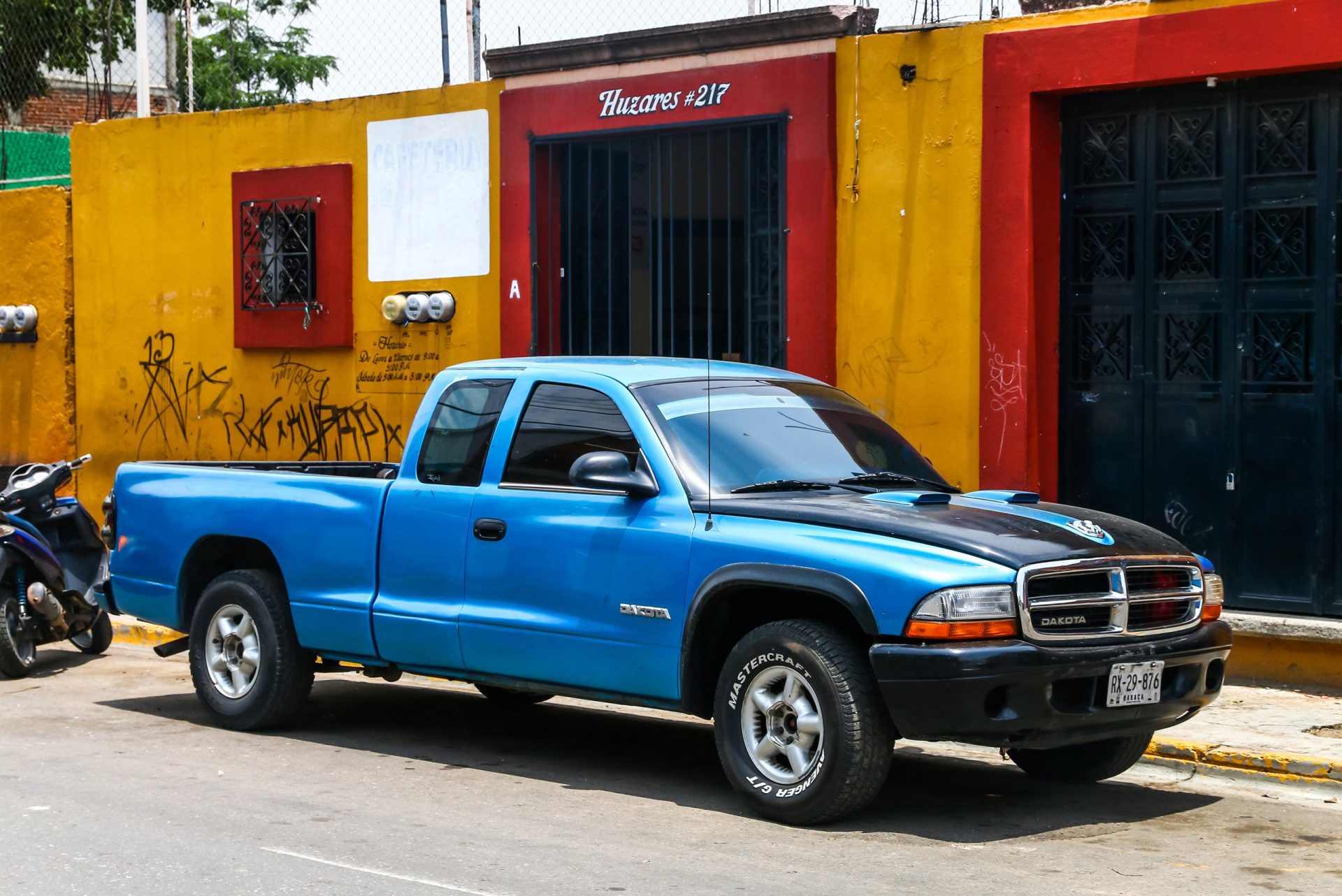
Credit: www.fixdapp.com
Common Problems In Dodge Dakota Years To Avoid
Understanding the main issues can help you spot trouble before it happens. Here’s a closer look at the most frequent problems:
Transmission Failure
The transmission is one of the most expensive parts to fix. In the problematic years, owners report:
- Hard shifting
- Slipping gears
- Complete failure
Often, these issues start as small warning signs—like delayed shifting or rough engagement. If ignored, the transmission can fail suddenly, leaving you stranded.
Engine Troubles
Dakotas from bad years often have:
- Stalling
- Knocking noises
- Loss of power
Oil sludge buildup is another risk. If oil changes are missed, the engine can seize. Some V8 engines develop timing chain issues, which can cause catastrophic damage.
Electrical Glitches
Problems with the electrical system are frequent. Symptoms include:
- Dead batteries
- Power windows failing
- Dashboard lights flickering
These issues are often traced to poor wiring or faulty modules. Repairing electrical problems can be frustrating and expensive.
Suspension And Steering Issues
Suspension parts wear out quickly in certain Dakota years. Watch for:
- Clunking noises
- Uneven tire wear
- Wandering steering
Ball joint failure can cause sudden steering loss—a serious safety hazard.
Rust And Corrosion
Many Dakotas, especially from the late 1990s and early 2000s, are prone to rust. The most affected areas:
- Frame
- Wheel arches
- Door bottoms
Severe rust can make repairs nearly impossible or unsafe.
Data Comparison: Dodge Dakota Reliability By Year
To help visualize reliability, here’s a comparison of complaint numbers for key years.
| Model Year | Owner Complaints | Major Recalls | Average Repair Cost |
|---|---|---|---|
| 1999 | 420 | 3 | $1,500 |
| 2000 | 615 | 4 | $2,300 |
| 2001 | 390 | 2 | $1,700 |
| 2004 | 250 | 5 | $1,900 |
| 2005 | 520 | 4 | $2,100 |
| 2006 | 310 | 2 | $1,800 |
| 2007 | 280 | 2 | $1,700 |
*Complaint and repair cost data based on CarComplaints. com and NHTSA reports*

Credit: www.copilotsearch.com
Alternative Dodge Dakota Years
Not every Dakota is a risky buy. If you’re set on a Dakota, here are safer years:
- 1997-1998: Early second-generation models, fewer complaints
- 2003: Improved reliability, fewer recalls
- 2008-2011: Later third-generation, better build quality
These years have fewer serious problems and lower repair costs.
Why 2003 And 2008-2011 Are Better
The 2003 Dakota benefits from updates to the engine and transmission. It has improved build quality and fewer electrical issues. The later third-generation Dakotas (2008-2011) have refined engines and stronger frames. Owners report fewer major breakdowns.
Comparison Table: Good Vs. Bad Dakota Years
Here’s a quick comparison of reliable years vs. years to avoid:
| Model Year | Reliability Rating | Main Issues | Estimated Lifespan |
|---|---|---|---|
| 2000 | Low | Transmission, engine | 120,000 miles |
| 2004 | Low | Ball joints, brakes | 130,000 miles |
| 2008 | High | Minor electrical | 180,000 miles |
| 2010 | High | Minor rust | 200,000 miles |
Real-world Examples: Owner Experiences
Let’s look at some real stories from Dakota owners.
2000 Dakota: Transmission Failure
Mike bought a 2000 Dakota with 85,000 miles. Within six months, the transmission started slipping and finally failed. He paid over $2,500 for a rebuilt transmission. “If I’d known about the transmission issues, I would have bought a different year,” Mike says.
2004 Dakota: Ball Joint Recall
Sarah’s 2004 Dakota was recalled for ball joint problems. Even after the recall repair, the ball joints failed again. She had to pay $800 out-of-pocket for a second repair. “It’s scary when you lose steering. I wouldn’t trust this truck for long drives,” she says.
2008 Dakota: Reliable Performance
James owns a 2008 Dakota. He’s driven over 150,000 miles with only minor repairs. “Just routine maintenance and some small rust spots, nothing major,” James reports. He recommends sticking to later models for peace of mind.
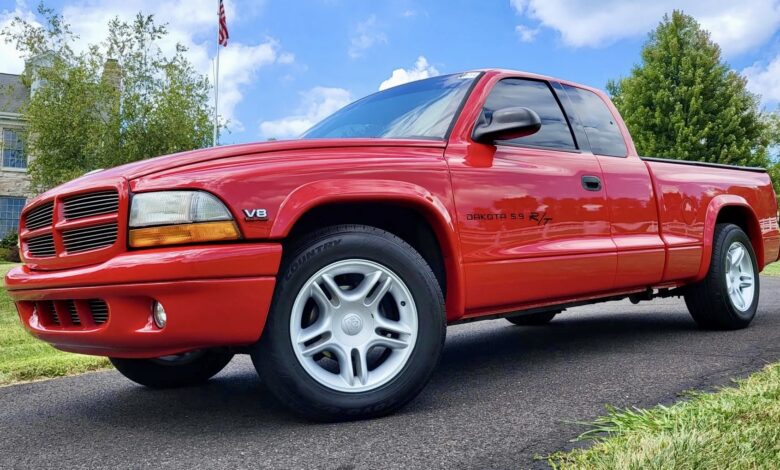
Credit: agtauto.com
What To Look For When Buying A Used Dakota
If you still want a Dakota, here’s how to avoid trouble:
- Check for recalls: Visit the NHTSA website to see if the truck has open recalls.
- Inspect for rust: Look under the truck, wheel wells, and door bottoms.
- Test the transmission: Drive at different speeds. Check for rough shifts, slipping, or delayed engagement.
- Listen to the engine: Watch for knocking, ticking, or stalling.
- Check suspension and steering: Drive over bumps and turn the wheel fully. Listen for clunks or loose steering.
- Review maintenance records: Good records mean the truck was cared for.
- Get a pre-purchase inspection: Have a trusted mechanic check it before you buy.
These steps can help you spot hidden issues and avoid costly mistakes.
The Importance Of Maintenance History
One non-obvious insight: the maintenance history is often more important than the model year. A well-maintained Dakota from a risky year can be safer than a neglected one from a better year. Look for:
- Regular oil changes
- Transmission fluid service
- Brake checks
- Suspension repairs
Ask for receipts or service logs. Trucks with good maintenance are less likely to have surprise failures.
Mileage Matters—but Not Always
Many buyers focus on low mileage. But with Dakotas, high mileage isn’t always a bad sign. Trucks with 150,000+ miles can still be reliable if serviced well. What matters most is how the miles were added:
- Was it used for towing or heavy work? Expect more wear.
- Was it mostly highway driving? Less stress on the engine and transmission.
Ask the seller about usage, not just mileage.
Should You Avoid All Dodge Dakotas?
No, not all Dakotas are bad choices. But the years listed earlier have clear risks. If you find a Dakota from a risky year, be extra cautious. Look for evidence of major repairs (like a new transmission or engine). If the truck has been fixed properly and maintained well, it might still be a good value—especially if priced low.
But if you see signs of neglect, recurring issues, or missing maintenance records, walk away. There are better options.
Alternatives To The Dodge Dakota
If you’re open to other trucks, consider these alternatives:
Ford Ranger
The Ford Ranger is reliable, affordable, and easy to find. Models from 2003-2011 have strong reputations. Parts are cheap, and repairs are simple.
Toyota Tacoma
The Toyota Tacoma is famous for reliability. Older models (2000-2010) can last 200,000 miles or more. It’s more expensive, but resale value is high.
Nissan Frontier
The Nissan Frontier is a good mid-size choice. Models from 2005-2014 are reliable and have fewer complaints than the Dakota.
Comparison Table: Dakota Vs. Competitors
Here’s how the Dakota compares to its rivals:
| Truck | Reliability Score | Average Repair Cost | Resale Value (10 years) |
|---|---|---|---|
| Dodge Dakota | 6/10 | $1,900 | $4,000 |
| Ford Ranger | 8/10 | $1,400 | $6,000 |
| Toyota Tacoma | 9/10 | $1,600 | $9,000 |
| Nissan Frontier | 8/10 | $1,500 | $7,000 |
*Reliability scores based on Consumer Reports and owner surveys. *
Non-obvious Insights For Dakota Buyers
- Resale value drops quickly for Dakotas from risky years. If you buy one, expect to get less money when you sell.
- Insurance costs can be higher for years with frequent recalls. Check quotes before buying.
- Parts availability: Older Dakotas (especially pre-2000) may have limited parts. Check local shops before buying.
- Aftermarket support: Some Dakota years (like 2003 and 2008-2011) have better support for upgrades and repairs.
Many buyers overlook these points. Understanding them can help you make a better decision.
Dodge Dakota Recall History
Recalls are a sign of major issues. The Dakota has seen several recalls over its life.
- 2000-2002: Transmission, engine, and electrical recalls.
- 2004: Major ball joint recall, affecting safety.
- 2005-2007: Airbag and electrical system recalls.
Check the NHTSA database for open recalls. Always verify if the recall repairs were completed.
Expert Recommendations
Auto experts generally advise:
- Avoid Dakotas from 1999, 2000, 2001, 2004, 2005, 2006, and 2007.
- Choose models from 2003, 2008-2011, or early second-gen (1997-1998).
- Always check maintenance history and get a pre-purchase inspection.
For more detailed recall and reliability info, visit the official NHTSA site.
Frequently Asked Questions
Which Dodge Dakota Years Should I Avoid?
Avoid 1999, 2000, 2001, 2002, 2004, 2005, 2006, and 2007. These years have high rates of transmission failure, engine issues, recalls, and electrical problems.
Are Dodge Dakotas Reliable?
Some Dakotas are reliable, especially 2003, 2008-2011, and early second-generation models. Avoid the problematic years for best results. Reliability depends on maintenance and usage as well.
How Many Miles Can A Dodge Dakota Last?
A well-maintained Dakota can last 150,000-200,000 miles. Risky years may fail earlier (sometimes before 120,000 miles). Later models and those with good care last longer.
Is It Expensive To Repair A Dodge Dakota?
Repair costs vary. Transmission repairs can cost $2,000-$4,000. Engine repairs can be $1,500 or more. Electrical and suspension fixes are cheaper but can add up if frequent.
What Are The Best Alternatives To The Dodge Dakota?
Consider the Ford Ranger, Toyota Tacoma, or Nissan Frontier. These trucks have better reliability, lower repair costs, and higher resale value.
Choosing a used truck is a big decision. With the right information, you can avoid costly mistakes and find a vehicle that fits your needs. The Dodge Dakota has its strengths, but knowing which years to avoid will help you make a smart, safe choice.