The chrysler pacifica towing capacity is 3,600 pounds when the van is properly equipped. That figure applies to both the gas V6 and the plug-in hybrid, and it’s the same for front-wheel drive and all-wheel drive. Chrysler lists it in the owner’s manual and on the official specifications page. That number is only half the story, though. What you load inside the van, which trim you buy, and how you balance the trailer all change what you can safely pull.
What the Pacifica’s tow rating really means
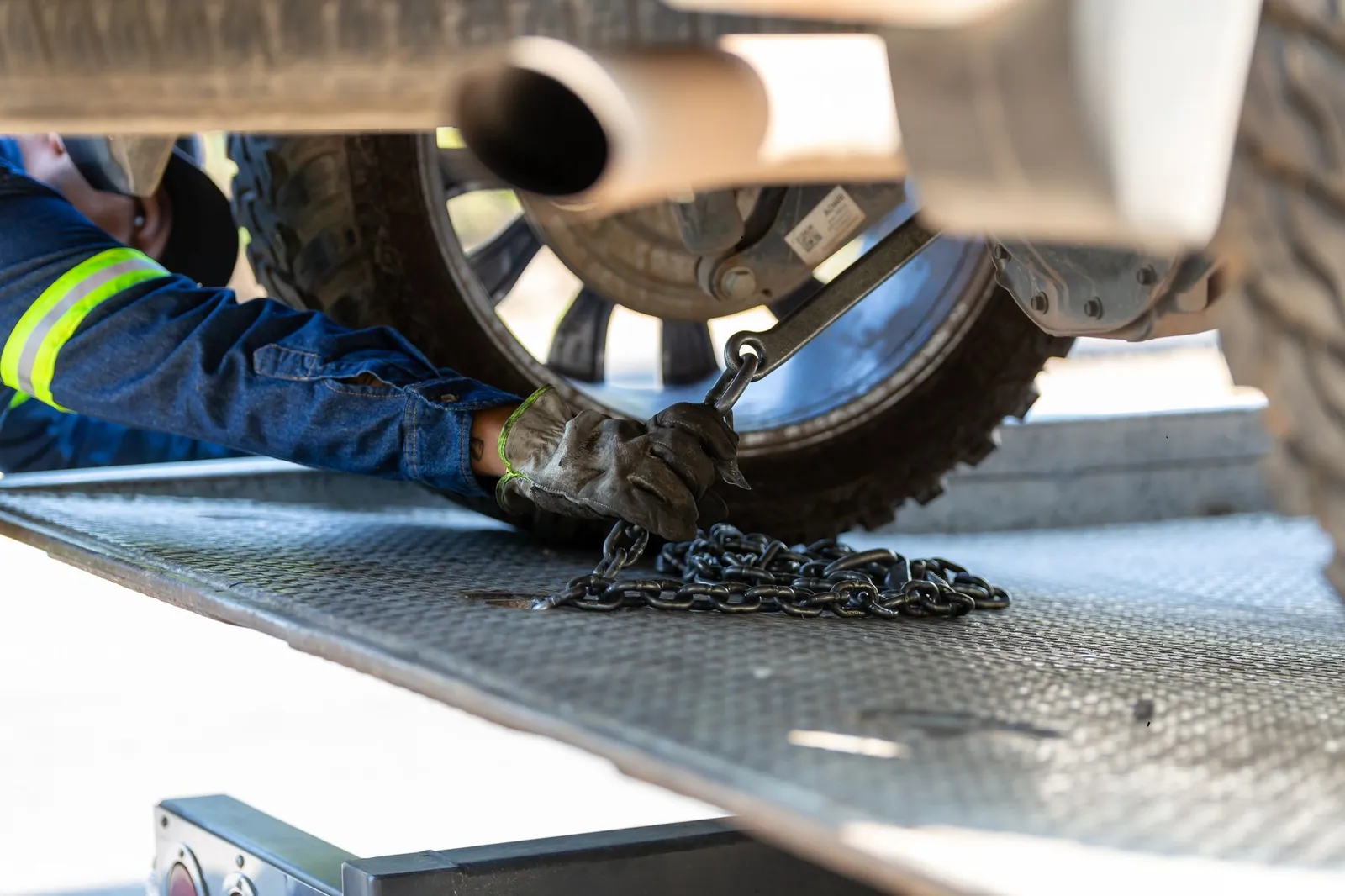
The Pacifica is a minivan, and its tow rating is a maximum — not a promise. Chrysler publishes 3,600 lbs as the ceiling for a van with the right equipment. Go over it and you’re outside what the van was built and tested to handle.
That rating assumes a few things at once. You need the tow package, a weight-distributing hitch for heavier trailers, and a loaded van that stays under its gross vehicle weight rating. The van’s own weight, plus passengers, plus cargo, plus the trailer’s tongue weight, all count against that limit.
A common misconception is that the hybrid can’t tow at all. It can. The plug-in hybrid Pacifica can tow, though its rating is slightly below the gas model’s, which surprises people who assume the battery pack rules it out.
Another myth: that the rating covers whatever you bolt on the back. It doesn’t. It covers a properly hitched trailer with working brakes on anything heavy. The rating is a system limit, not a bumper limit.
Who is this for? Families pulling a small camper, a boat, or a utility trailer. It’s not for anyone hauling a large travel trailer or a car hauler — those need a different vehicle entirely.
How to tow with a Pacifica, step by step
Towing safely comes down to a set of decisions you make before you drive, not a single setting. Here’s the order they come in, and what settles each one.
- Check your van’s actual rating. Look at the driver’s door jamb sticker and your owner’s manual. If your van lacks the tow package, the rating may be lower. Settle this before you shop for a trailer.
- Weigh your loaded trailer. A trailer’s dry weight isn’t its road weight. Add water, propane, gear and batteries. If the loaded figure is over 3,600 lbs, stop — you need a lighter trailer.
- Work out your payload. Take the van’s gross vehicle weight rating from the door sticker and subtract the van’s curb weight. What’s left covers people, cargo and tongue weight. Tongue weight should sit around 10–15% of the trailer weight, so a 3,000 lb trailer wants roughly 300–450 lbs on the hitch.
- Choose the right hitch. For trailers near the top of the range, use a weight-distributing hitch. It spreads the load across the van’s frame instead of hanging it all off the rear.
- Confirm trailer brakes. Anything much over 1,000–1,500 lbs should have its own brakes. Check your state’s trailer brake law, since it varies.
- Load the trailer nose-heavy, not tail-heavy. Put heavy items over the axle or slightly forward. Too little tongue weight causes sway.
- Do a test drive at low speed. Check mirrors, braking and how the van sits. Adjust before you hit the highway.
The single judgement call that matters most is tongue weight. Too light and the trailer sways; too heavy and you overload the rear axle. Aim for that 10–15% window and recheck it every time you load differently.
If your trailer needs electric brakes wired into the van, that’s a job for a qualified hitch shop — not a driveway project.
Chrysler Pacifica towing capacity at a glance
Here are the figures you’ll come back to. Every rating below assumes the van has the factory tow package and stays within its gross vehicle weight rating.
| Your situation | What to do | Figure that matters | What to watch for |
|---|---|---|---|
| Gas V6 Pacifica, properly equipped | Tow up to the full rating | 3,600 lbs max | Confirm tow package is fitted |
| Plug-in hybrid Pacifica | Slightly lower rating than gas model | Under 3,600 lbs max | Battery adds weight — check payload |
| Trailer near 3,600 lbs | Use weight-distributing hitch | 10–15% tongue weight | Rear axle overload |
| Small utility trailer under 1,500 lbs | Standard hitch, no trailer brakes needed in most states | Check your state law | Brake rules vary by state |
| Fully loaded van with 7 passengers | Reduce trailer weight | Payload is the real limit | People count against payload |
| Trailer with no brakes | Keep it light | Roughly 1,000–1,500 lbs | Stopping distance grows fast |
| Steep mountain driving | Slow down, use lower gears | Engine braking helps | Overheated brakes on long descents |
The payload figure is the one people forget. A van full of kids and luggage can hit its weight limit long before the trailer does.
What experienced towers get right
The detail that separates a smooth trip from a white-knuckle one is preparation before the trailer is even hitched. Check tire pressure on both van and trailer when the tires are cold. Underinflated trailer tires heat up and fail. Set the van’s tires to the pressure on its door sticker, not the number molded on the tire sidewall.
Then load with intent. Heavy gear goes low and over the trailer axle. You want the weight centered, not piled at the back. A tail-heavy trailer is the number one cause of highway sway, and it’s entirely avoidable.
The order that works
Hitch first, then connect safety chains in a cross pattern, then plug in the lights, then check every light with a helper. Test the trailer brakes by pulling forward slowly and applying them manually. Only then load the van.
Partway through a long trip, stop and check the hitch, the chains and the tire temperatures by hand. Warm is normal; hot means something’s wrong.
What experienced towers leave alone is the van itself. They don’t add airbags or helper springs to “fix” a sagging rear end — that hides an overload instead of solving it. If the van sags, the tongue weight is too high or the payload is maxed.
Common Pacifica towing problems and fixes
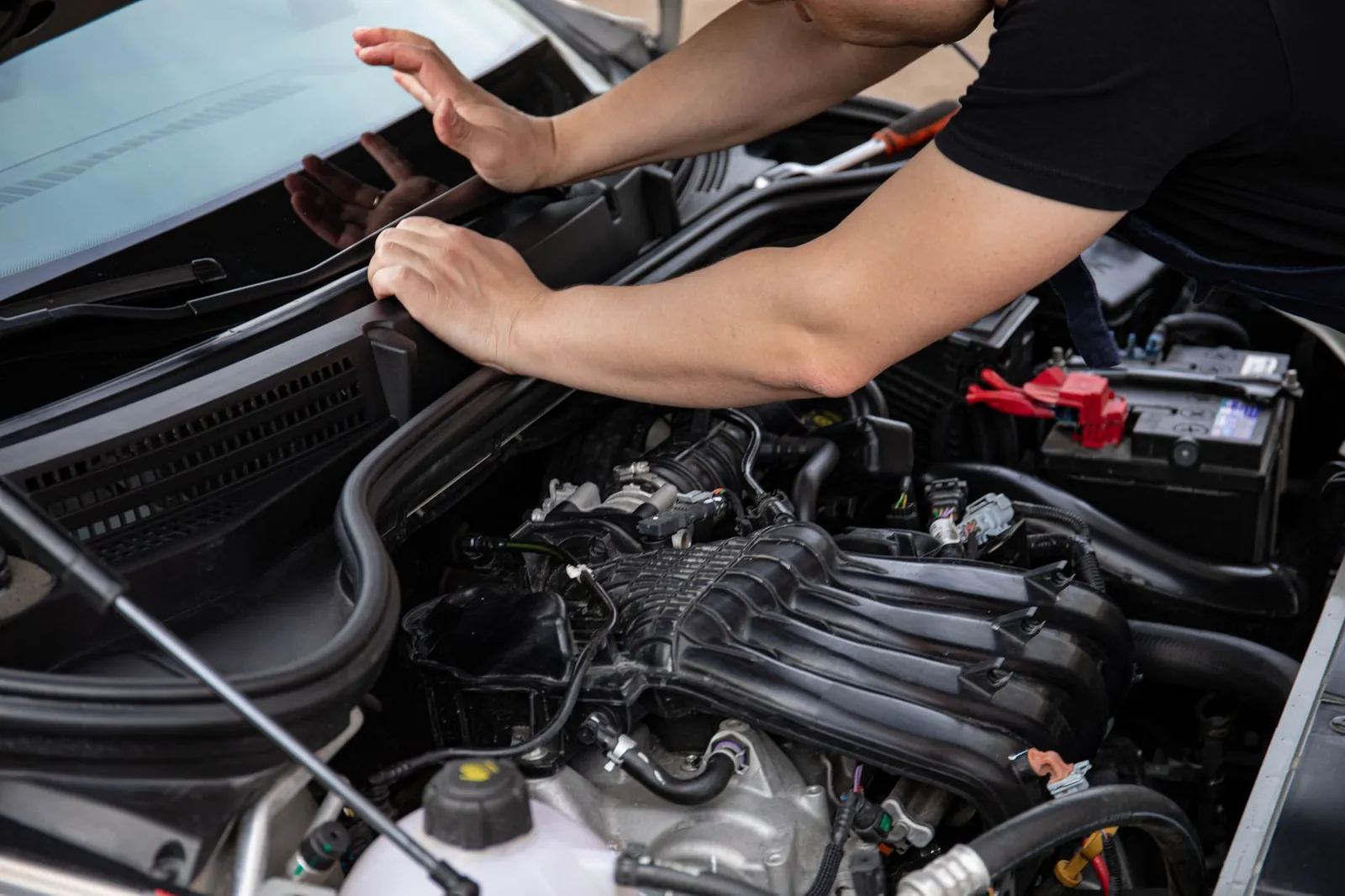
Most towing trouble shows up as something you notice behind the wheel. Match the symptom to the likely cause and the first thing to check.
| What you notice | What it usually means | What to do first |
|---|---|---|
| Trailer sways side to side | Too little tongue weight | Move cargo forward, recheck tongue weight |
| Rear of van sags low | Tongue weight too high or payload overloaded | Weigh the setup, redistribute load |
| Brakes feel weak or pedal is soft | Trailer brakes not working or not adjusted | Test the brake controller, check wiring |
| Trailer lights don’t work | Loose or corroded connector | Clean the plug, check the ground wire |
| Van struggles on hills | Load near the limit, or a headwind | Slow down, drop to a lower gear |
Sway is the one to take seriously. If it starts, ease off the gas smoothly — don’t brake hard and don’t steer sharply. Hard braking during a sway can make it worse.
Rules and limits you should confirm
Towing law in the US is split between federal vehicle rules and state rules, and the state ones are what catch people out. The National Highway Traffic Safety Administration sets vehicle safety standards, but each state writes its own trailer brake, mirror and speed rules.
Before you tow, look up four things for your own state. First, the trailer brake weight threshold — the weight above which your trailer legally needs its own brakes. Second, whether you need extended mirrors. Third, the maximum trailer width and length. Fourth, any special licence or permit for heavier trailers.
Your state’s department of motor vehicles or transportation department publishes all of this. Chrysler’s own towing guide, in your owner’s manual, gives the van-specific limits.
For the federal side, the NHTSA trailer safety guidance covers hitching and loading basics.
The exact payload and axle limits for your van are printed on its own door jamb sticker, and they differ by trim and options. Read your sticker — don’t trust a general figure from a forum.
The four state rules rarely bite at the same trailer weight, so check them in this order. Start with the brake threshold, because it usually arrives first and a trailer without working brakes is the one an officer can pull you over for on sight. Mirrors and width come next, since both are visible from outside the van. Permits last, because they only matter for the heaviest trailers.
The cost of skipping this is a citation and a roadside stop, not a warning. If your trailer is near a threshold, stay under it rather than argue the number at the scale.
Two numbers on the Pacifica’s door jamb sticker decide your real limit: the gross vehicle weight rating and the gross axle weight ratings, front and rear. Load the van and trailer, then weigh each axle at a public scale. If the rear axle is over, shift cargo forward in the trailer or leave gear at home.
Keeping your tow setup in good shape
Once you’ve dialed in a setup that works, write it down. Note the trailer weight, the tongue weight and the hitch height in your phone. Next time you load, you start from a known point instead of guessing.
Store the hitch and ball somewhere dry, and wipe the ball with a light grease before each trip to cut wear. Check the safety chains for rust or frayed links every season. Look at the trailer tires for cracks in the sidewalls — sun damage kills trailer tires faster than tread wear does.
After each trip, hose off road salt or beach sand from the hitch area. Corrosion on the connector is the usual reason lights stop working.
Weigh the tongue again whenever the load changes shape, not just when it gets heavier. A pair of bikes on the back of the trailer can lift weight off the ball even if the total stays the same. If the van sits level but the trailer feels light up front, move cargo forward before you touch the hitch.
You’ll know it’s time for a fresh check when the van sits differently, the trailer tracks oddly, or a light flickers. Those are your signals, not a calendar date. A single flicker that clears when you wiggle the connector is usually corrosion, so clean the pins first. A flicker that comes back after cleaning points to a chafed wire, and that one waits for no trip.
When a Pacifica isn’t the right tow vehicle
The Pacifica is a great van, but it’s the wrong tool for some jobs. Be honest with yourself before you buy a trailer.
If your loaded trailer is over 3,600 lbs, this van can’t do it safely. You need a body-on-frame SUV or a pickup with a higher rating. Don’t try to stretch the Pacifica past its limit with add-on parts.
If you’re towing a large travel trailer with a high frontal area, wind resistance alone can overwhelm the van even under the weight limit. A bigger tow vehicle handles that far better.
And if you tow heavy loads every week, a minivan will wear out faster than a truck built for it. For occasional family trips, the Pacifica is fine. For daily heavy hauling, choose a vehicle designed for that work.
The honest test is the tongue weight, not just the trailer’s total. A Pacifica carries only a few hundred pounds on the hitch, and that allowance shrinks once the van is full of people and gear. Load the family and the cooler first, then weigh what’s left for the trailer.
Watch the door sticker, too. The Pacifica’s payload figure covers passengers, cargo and tongue weight together, and a seven-seat van with adults aboard uses much of it up before a trailer is attached.
If you tow only a small utility trailer or a pair of jet skis a few weekends a year, keep the Pacifica. If the trailer needs a weight-distributing hitch and sway control to feel stable, that’s your sign to move up to a truck.
Related guides
- Chrysler Pacifica Active Grille Shutter Problems: Causes & Fixes
- Chrysler Pacifica Hybrid Years to Avoid: Expert Buyer Guide
Frequently asked questions
Can a Chrysler Pacifica tow a camper?
Yes, a small camper is fine. The Pacifica’s 3,600 lb rating covers lightweight pop-ups and small travel trailers, assuming the van is properly equipped and you stay within payload. Check the camper’s loaded weight, not its dry weight, and keep tongue weight around 10–15% of the total.
Can the hybrid Pacifica tow?
Yes. The plug-in hybrid Pacifica can tow, though its rating is slightly below the gas model’s. The battery pack adds weight to the van, though, so your remaining payload for passengers and cargo is smaller. Weigh your setup to confirm you’re within the van’s gross vehicle weight rating.
How much can a Chrysler Pacifica tow without a tow package?
Less than the full rating, and the exact figure depends on your van’s build. Without the factory tow package you may lack the transmission cooler and hitch wiring the rating assumes. Check your owner’s manual and door sticker for your specific van’s number before hitching anything.
How long can a trailer be behind a Pacifica?
Length limits are set by your state, not by Chrysler, so there’s no single national figure. Most states cap overall vehicle-plus-trailer length somewhere in the 50–65 foot range. Check your state DMV’s towing page for the exact limit where you’ll drive.
Is it safe to tow at the full 3,600 lbs?
It’s safe only if every other limit is also met. Hitting 3,600 lbs means your payload, tongue weight and axle loads must all stay in range too. On long descents or in strong crosswinds, drive slower. A setup at the maximum leaves no margin for error.
What happens if I tow more than the rating?
You overload the van’s frame, brakes and transmission beyond what they were designed for. Stopping distances grow, handling gets unstable, and you may void your warranty or break state law. Insurance can also refuse a claim after an overloaded crash. Stay under the rating.
Conclusion
Before your next trip, load the van and trailer the way you’ll actually travel, then visit a public scale to confirm each axle stays within its rating. It’s a quick habit that’ll keep your family safe and your warranty intact.