If you’re thinking about upgrading your car’s exhaust headers, you might wonder, “Can exhaust headers be powder coated?” It’s a smart question because your headers face extreme heat every time you hit the road. Using the wrong coating can lead to peeling, discoloration, or even damage, leaving you frustrated and spending more money than you expected.
But don’t worry—there are solutions that let you protect and enhance your headers while handling the heat. You’ll discover why standard powder coating often fails on headers, what high-heat alternatives work best, and exactly how to prepare your headers for a long-lasting finish.
Keep reading to learn how to make your headers look great and stand up to the heat like a pro.
Credit: radcoatings.com
Powder Coating And Exhaust Headers
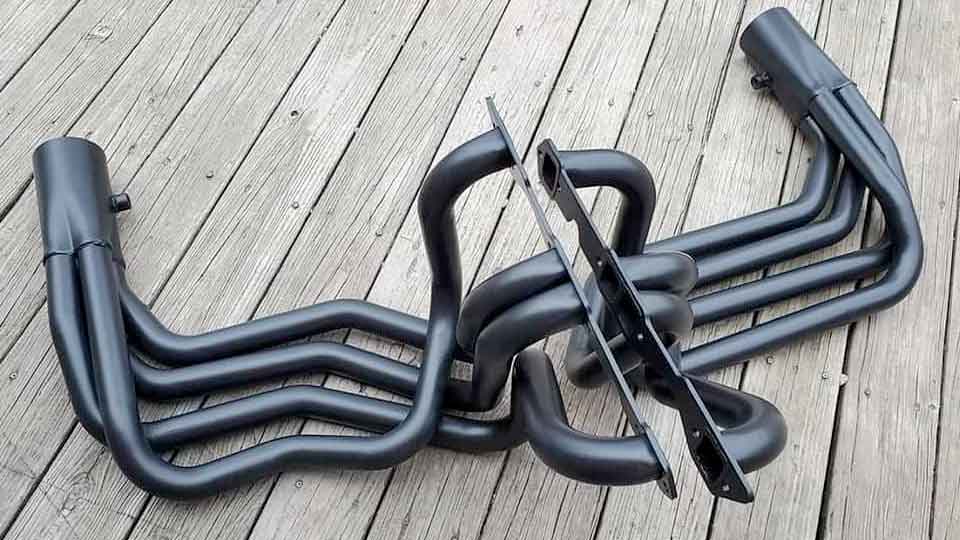
Exhaust headers face extreme heat during operation. Standard powder coating often fails under such conditions. High-heat coating alternatives offer better durability and protection. These coatings withstand intense temperatures without cracking or discoloring. They also improve the headers’ appearance and lifespan. Choosing the right coating ensures your headers stay strong and look good.
Ceramic Coating Benefits
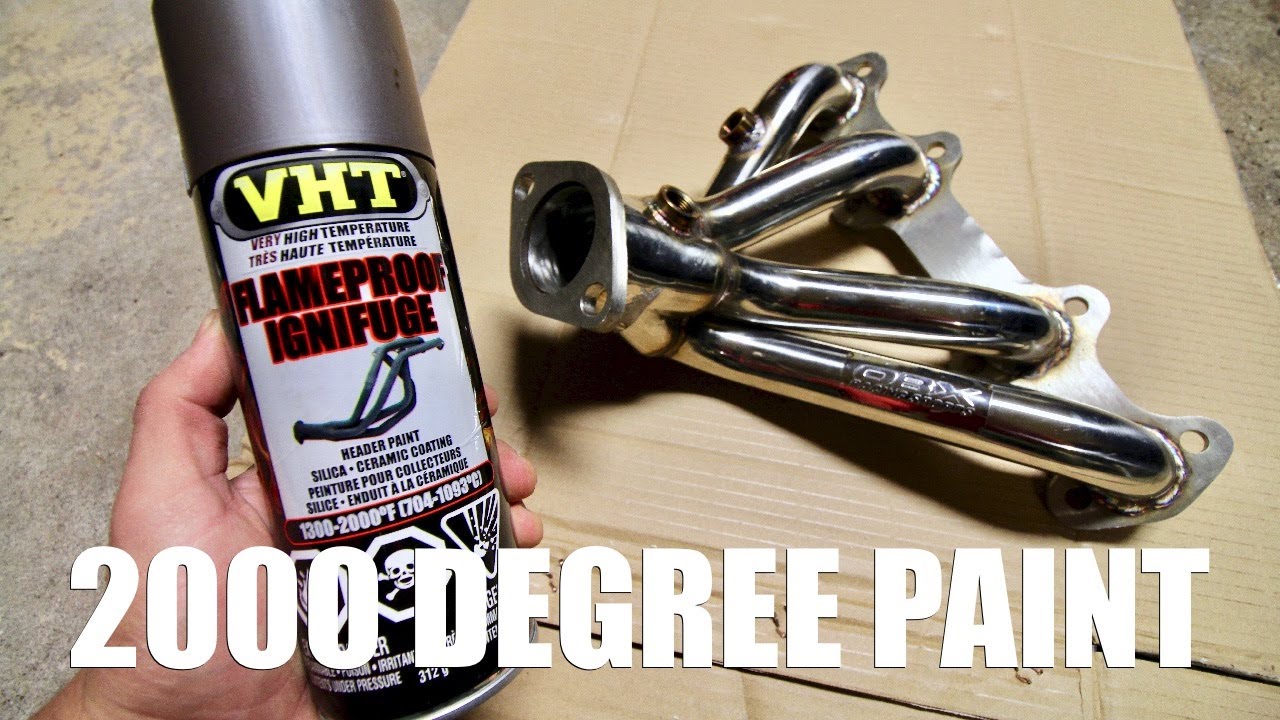
Ceramic coatings provide excellent heat resistance for exhaust headers. They can handle temperatures over 2000°F. These coatings reduce heat transfer from the headers to other engine parts. This helps improve engine performance and efficiency. Ceramic coatings also prevent rust and corrosion. Their smooth finish makes cleaning easier. The coating sticks well if the headers are properly prepared.
Specialized High-temperature Powder Coatings
Some powder coatings are made specifically for high heat areas. These powders resist temperatures up to 1200°F or more. They protect headers from chipping and fading. Proper surface preparation is essential for strong adhesion. These coatings offer a durable finish with vibrant colors. They are a good choice for those wanting powder coating’s look but with heat resistance. The curing process must be followed exactly for best results.
Cerakote Applications
Cerakote is a high-temperature coating similar to ceramic. It comes in many colors and finishes. Applied with a spray gun, it creates a thin, tough layer. Cerakote can tolerate temperatures around 2000°F. It provides strong resistance to wear and corrosion. The headers must be sandblasted before application. Then, Cerakote requires a specific curing time in an oven. This ensures the coating bonds well and lasts long.
High-heat Coating Alternatives
Preparing exhaust headers for powder coating is essential for a strong and lasting finish. The surface must be clean and free of rust or grease. Proper preparation helps the coating stick well and resist heat damage.
Skipping these steps can cause peeling or discoloration. A well-prepared surface creates a smooth base for the powder coat. Below are the key steps in preparation.
Surface Cleaning And Sandblasting
Start by removing dirt, oil, and old paint from the headers. Use a degreaser to clean the surface thoroughly. After cleaning, sandblasting is necessary to reach bare metal. This process removes any rust and roughens the surface slightly. The rough texture helps the powder coat adhere better.
Ensuring Proper Adhesion
After sandblasting, the headers must be handled carefully to avoid contamination. Oils from hands or dust can reduce adhesion. Use clean gloves and keep the parts in a dust-free area. Some professionals apply a primer designed for high temperatures. This step improves the bond between metal and powder coat.
Following Cure Cycles
Powder coatings require heating to cure and harden properly. Each coating has a specific temperature and time for curing. Follow the manufacturer’s instructions strictly for best results. Incorrect curing can cause the coating to crack or peel. Proper curing ensures the finish withstands high exhaust temperatures.
Preparation For Coating
The powder coating process for exhaust headers involves applying a dry powder that bonds to the metal surface. This coating protects the headers from rust and corrosion. It also improves the appearance with a smooth, even finish. The process requires careful preparation and precise application to ensure the coating lasts under heat and stress.
Electrostatic Application Technique
Powder coating uses an electrostatic spray gun. It charges the powder particles negatively. The metal headers are grounded positively. This causes the powder to stick evenly to the surface. The electrostatic charge helps the powder cover hard-to-reach areas. It also reduces waste and improves coating consistency.
Curing In Specialized Ovens
After application, headers move to a curing oven. The oven heats the powder to a specific temperature. This heat melts the powder, allowing it to flow and form a solid layer. The curing time and temperature depend on the powder type. Proper curing ensures a strong bond and durability.
Durability And Aesthetics
Powder coating creates a tough, resistant layer on headers. It protects against scratches, chemicals, and weather damage. The finish resists fading and chipping over time. It also enhances the look with rich, vibrant colors. Powder coated headers maintain their shine and protection longer than painted ones.
Powder Coating Process For Headers
The high-temperature ceramic coating process protects exhaust headers from extreme heat damage. It forms a tough, durable layer on the metal surface. This coating helps maintain the headers’ appearance and performance over time. Ceramic coatings resist heat far better than standard powder coatings. They also shield the metal from corrosion and wear, extending the life of the headers.
Application Methods
Ceramic coatings apply through spray or dipping methods. Spray guns evenly cover the header surface with a fine ceramic layer. Dipping involves submerging the headers in the coating solution for full coverage. Both methods need clean, bare metal for best adhesion. Professionals often sandblast headers before coating to remove rust and oil.
Curing Requirements
Curing the ceramic coating is crucial for durability. It requires precise heat cycles in an oven or with a heat gun. The temperature and time depend on the coating brand but usually range from 300°F to 600°F. Proper curing bonds the ceramic to the metal, preventing peeling or flaking. Skipping or rushing curing can weaken the coating’s strength.
Heat And Corrosion Resistance
Ceramic coatings withstand temperatures above 1000°F without breaking down. This makes them ideal for exhaust headers exposed to constant heat. The coating also blocks moisture and chemicals, preventing rust and corrosion. This dual resistance keeps headers looking good and functioning well longer. It reduces the need for frequent repairs or replacements.
High-temperature Ceramic Coating Process
Choosing the right coating for your exhaust headers is crucial for performance and longevity. The coating must handle high temperatures without peeling or discoloring. Selecting a coating involves understanding heat exposure, appearance preferences, and the balance between durability and cost. This helps protect your headers and maintain their look over time.
Assessing Heat Exposure
Exhaust headers face extreme heat during operation. Standard powder coating cannot handle these high temperatures. Heat causes paint to blister, discolor, or flake. Choose coatings designed for heat resistance. Ceramic coatings and high-heat powder coatings work best. Knowing your headers’ heat levels ensures you pick a coating that lasts.
Coating Appearance Options
Coatings come in various colors and finishes. Ceramic coatings often have a smooth, glossy finish. High-heat powder coatings offer matte or satin looks. Some coatings can mimic chrome or metallic effects. Pick a coating that matches your vehicle’s style. Appearance matters for both aesthetics and resale value.
Balancing Durability And Cost
High-heat coatings cost more than regular powder coats. Ceramic coatings are durable but pricier. Some high-heat powders offer good protection at a lower price. Consider how long you want the coating to last. Investing in a quality coating saves money on repairs later. Balance your budget with the durability you need.
Credit: www.youtube.com
Choosing The Right Coating
Maintaining powder coated exhaust headers properly extends their life and keeps them looking good. Powder coating protects headers from rust and heat damage. Yet, the coating can wear over time due to extreme temperatures and road conditions. Regular care helps prevent damage and delays the need for recoating. Knowing the signs of wear allows timely repairs and keeps performance stable.
Care Tips For Coated Headers
Clean headers gently with a soft cloth and mild soap. Avoid harsh chemicals or abrasive tools that can damage the coating. Let the headers cool before cleaning to prevent cracking. Inspect the coating often for chips or cracks. Keep the engine bay free of oil and dirt buildup. Use high-temperature resistant sprays to add extra protection if needed. Proper storage of the vehicle also prevents unnecessary wear.
Signs Of Coating Wear
Look for discoloration or fading on the headers’ surface. Peeling or flaking powder coat indicates poor adhesion or heat damage. Rust spots may appear where the coating has failed. Cracks or rough textures can mean the coating is breaking down. These signs often show after heavy use or exposure to extreme heat. Early detection helps avoid corrosion and more expensive repairs.
When To Recoat
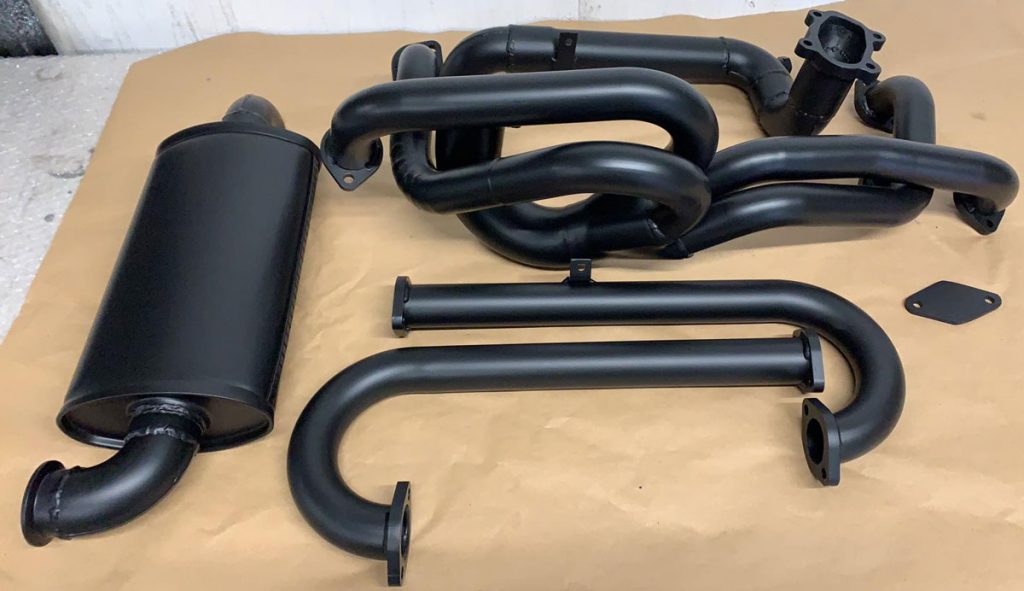
Recoat headers if the powder coat shows significant wear or damage. Persistent rust or peeling requires immediate attention. If the coating no longer protects against heat or corrosion, recoating restores performance. Choose a high-temperature powder coat or ceramic option for best results. Recoating should follow thorough cleaning and surface preparation. Proper curing after recoating ensures long-lasting durability.
Credit: ctc-powder-coating.co.uk
Frequently Asked Questions
Will Powder Coat Stay On Headers?
Standard powder coating won’t stay on headers due to extreme heat causing flaking and discoloration. Use high-temp powder or ceramic coatings instead. Proper surface prep and curing ensure better adhesion and durability.
Can I Powder Coat My Exhaust Manifold?
Yes, you can powder coat your exhaust manifold using a high-temperature powder coat designed for extreme heat. Traditional powder coatings will fail. Proper surface preparation and curing ensure durability. Ceramic coatings are another excellent heat-resistant alternative that protects against corrosion and discoloration.
What Coating Is Best For Headers?
Ceramic coating is best for headers due to its high heat resistance and durability. Specialized high-temperature powder coatings also work well. Proper surface preparation and curing ensure strong adhesion and long-lasting protection. Avoid standard powder coatings as they fail under extreme heat.
How Much Does It Cost To Ceramic Coat A Set Of Headers?
Ceramic coating a set of headers typically costs between $150 and $400. Prices vary by size, prep, and coating quality. Proper surface preparation and curing ensure durability. High-temperature ceramic coatings resist heat better than standard powder coats. Choose a professional service for best results.
Can Exhaust Headers Be Powder Coated For Heat Resistance?
Yes, but only with high-temperature powder coatings made for extreme heat areas.
Conclusion
Exhaust headers face extreme heat that standard powder coating can’t handle. Use high-temperature powder coatings or ceramic coatings for better durability. Proper surface prep and curing are essential for a long-lasting finish. These coatings protect headers from rust and discoloration.
Choose the right coating type based on your headers’ heat exposure. This ensures both protection and an attractive look. Powder coating is possible but requires special products and care.