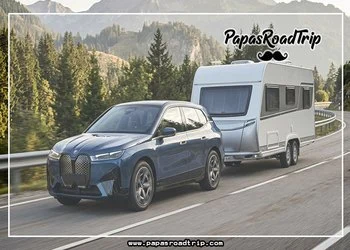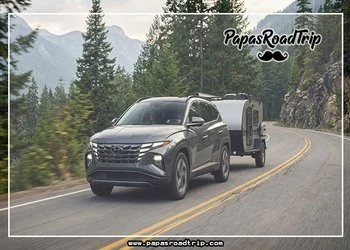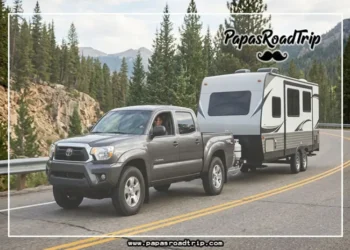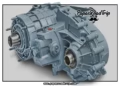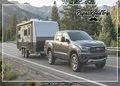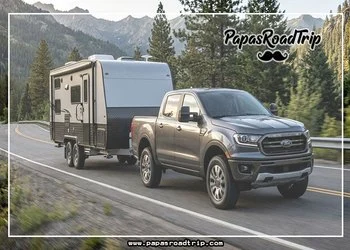


The 2022 ford ranger towing capacity is 7,500 lb when the truck is properly equipped with the trailer tow package. That figure applies to the truck’s 2.3L EcoBoost four-cylinder. Payload, cab style and how you load the truck change what you can actually pull. This guide covers the real limits, the numbers behind them, and where the 2022 Ranger stops being the right truck.
What the 7,500 lb rating really means
The tow rating is the most weight Ford says the truck can pull, and it’s set by the SAE J2807 standard. That standard tests the truck on grades, in heat, and with a loaded trailer. It’s not a marketing number — it’s a measured limit. Ford publishes it in the 2022 Ranger towing guide, and you can check your own truck’s figure there by VIN.
The rating assumes a base-curb truck, a driver, and a properly set-up trailer. It’s for people who tow a boat, a small camper, or a utility trailer a few times a month. It isn’t a heavy-hauling number.
The rating also assumes the truck is otherwise empty. Every passenger, every tool in the bed, and every option box ticked at the dealer comes out of the same budget. A crew cab with four adults and a full tank isn’t the truck that earned 7,500 lb.
The misconception people bring is that the 7,500 lb figure is the only limit. It isn’t. Payload and tongue weight cap you first, and most real-world towing problems come from those two, not from the trailer being too heavy.
Tongue weight is the one to watch. A conventional trailer should put roughly 10 to 15 percent of its loaded weight on the hitch. A 7,000 lb trailer therefore asks for 700 to 1,050 lb on the ball, and that comes straight out of payload.
So run the payload sticker on the driver’s door jamb before you shop for a trailer. If the sticker leaves you 1,200 lb, a 7,000 lb trailer at 10 percent tongue weight leaves about 500 lb for people and gear. If it leaves you 1,600 lb, the same trailer fits comfortably. Weigh the loaded trailer at a scale rather than trusting the brochure.
How to set up a 2022 Ranger for towing
- Find your truck’s payload sticker. It’s on the driver’s door jamb. That number is your real limit, not the brochure figure. Write it down.
- Weigh your trailer loaded. A trailer’s dry weight means nothing once you add water, fuel, gear and batteries. Use a public scale.
- Set tongue weight at 10–15% of the loaded trailer. For a 5,000 lb trailer, that’s 500–750 lb on the hitch. Too little causes sway; too much eats payload.
- Subtract tongue weight, passengers and cargo from payload. If the total is over your sticker figure, you need a lighter trailer or less gear.
- Fit a weight-distributing hitch above roughly 5,000 lb trailer weight. Ford’s guidance for the Ranger calls for one at that point. Below it, a standard ball mount is fine.
- Check the hitch ball size and coupler. The Ranger uses a 2-inch receiver, and the ball size is set by your trailer’s coupler. Match it to your coupler, not the other way round.
- Test the trailer lights and brakes before you leave. The Ranger’s tow package includes a combination 4-pin/7-pin connector. A trailer over 1,500 lb in most states needs its own brakes — check your state’s rule.
The single judgement call that separates a good tow from a bad one is tongue weight. Get it in the 10–15% band and the truck tracks straight. Get it wrong and you’ll feel the trailer push the truck around on the highway.
Installing a brake controller or wiring a 7-pin harness yourself is a job for someone with auto-electrical experience. A shop that fits tow equipment will do it properly and keep your warranty intact.
2022 Ranger towing numbers at a glance
These figures assume the trailer tow package is fitted and the truck is loaded within its payload sticker. Your own truck’s numbers are on the door jamb sticker and in Ford’s towing guide.
| Your situation | What to use | The figure that matters | What to watch for |
|---|---|---|---|
| Boat or small camper, 2WD SuperCab | Standard ball mount, 2-inch ball | Up to 7,500 lb trailer weight | Tongue weight at 10–15% |
| Trailer over 5,000 lb | Weight-distributing hitch | 750 lb max tongue weight | Payload used up fast |
| Trailer with electric brakes | 7-pin connector, brake controller | Trailer brakes required over 1,500 lb in most states | Controller must be set for load |
| Family of four plus gear | Check payload sticker first | Payload often 1,500–1,800 lb | Passengers count against payload |
| 4×4 SuperCrew with tow package | Full tow package | Same 7,500 lb rating | Heavier truck, less payload left |
| Steep mountain routes | Lower gear, slower speed | Reduce load below max | Engine and transmission heat |
What experienced towers get right
The first thing they do is weigh the truck empty at a public scale, with a full tank and the driver in it. That gives a real curb weight, not the brochure one. Subtract it from the GVWR on the door sticker and you have your true payload. Most people skip this and guess.
They also load the trailer with weight over the axles, not at the back. A trailer loaded tail-heavy will sway at highway speed no matter how good the hitch is. Put heavy items over the trailer axle and keep the tongue weight in range.
The order they work in
They set the hitch height before loading. The trailer should sit level when coupled — a nose-up or nose-down trailer tows badly and wears tires. Then they check tire pressures on both vehicles, cold. The Ranger’s recommended pressures are on the door jamb sticker; the trailer’s are on its own tire sidewall or data plate.
Partway through a long tow, they stop and check the hitch, the safety chains and the trailer tires. A loose coupler or a hot tire shows up in the first hour, not the fifth.
What they leave alone
They don’t add a lift kit or bigger tires and expect the same rating. Changing ride height or tire size changes the truck’s stability, and Ford’s rating assumes the stock setup. If you’ve modified the suspension, treat the 7,500 lb figure as no longer yours to use.
Common 2022 Ranger towing problems
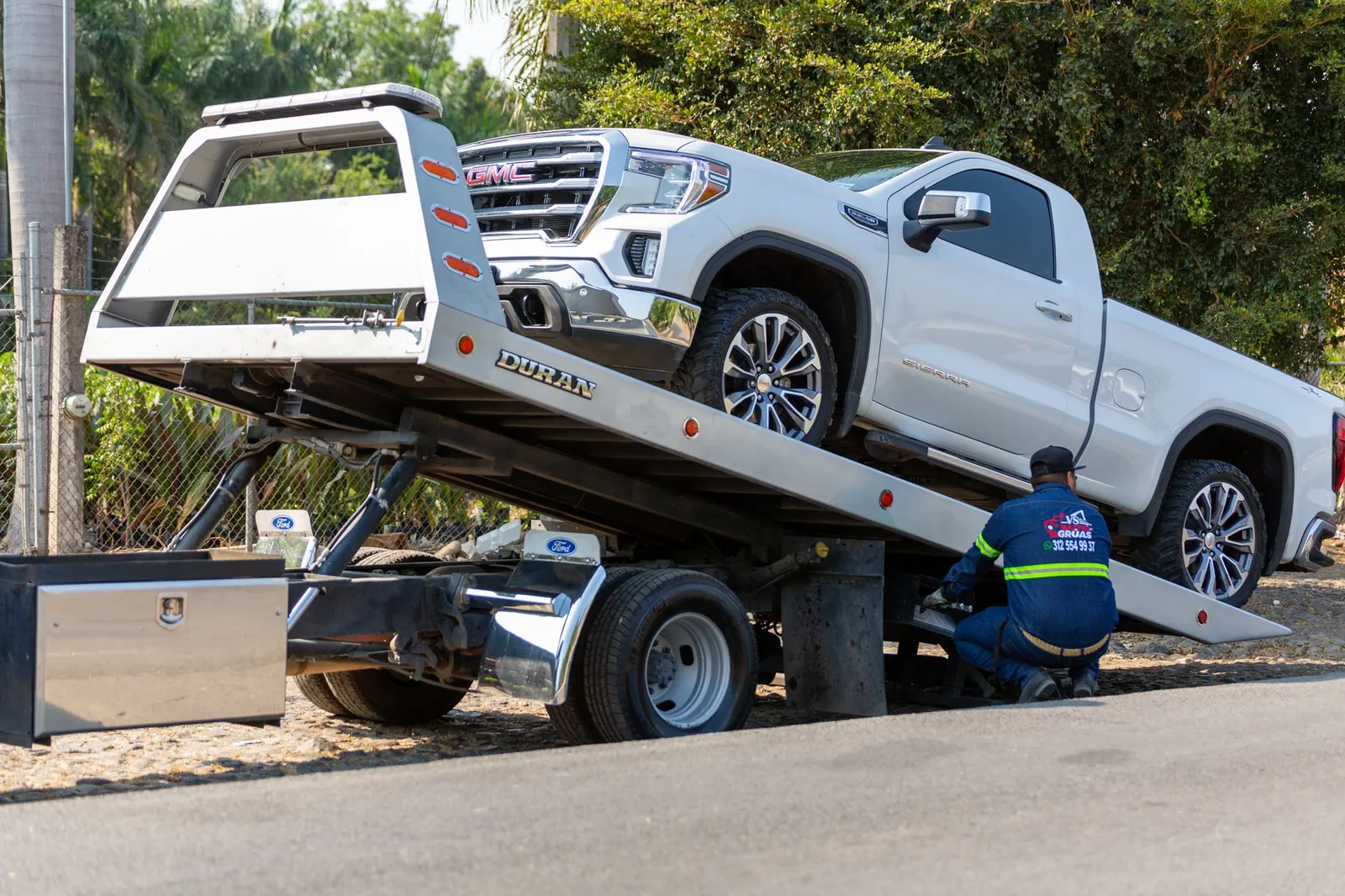
Most towing complaints trace back to three things: too much tongue weight, a trailer that isn’t level, or a brake controller set wrong. The table below matches what you’ll notice to what to do first.
| What you notice | What it usually means | What to do first |
|---|---|---|
| Trailer sways at highway speed | Too little tongue weight, or load too far back | Move weight forward over the axle, re-check tongue weight |
| Truck feels pushed on turns | Trailer too heavy for the truck’s payload | Weigh the rig, reduce load |
| Brakes feel weak when stopping | Trailer brake controller set too low | Raise the controller gain, test in a empty lot |
| Truck squats at the rear | Tongue weight too high, or no weight distribution | Fit a weight-distributing hitch, check payload |
| Trailer lights don’t work | Connector or ground fault | Check the 7-pin plug and the trailer ground wire |
| Transmission runs hot on hills | Load near max on a long climb | Slow down, use a lower gear, reduce load |
Rules and limits you should check
The 7,500 lb rating is Ford’s own published limit, and it’s the number that counts for warranty and safety. Ford sets it through SAE J2807 testing, and the figure is specific to a properly equipped truck. If your Ranger doesn’t have the tow package, the rating is lower — check your window sticker or ask a Ford dealer to run your VIN.
State rules matter too. Most states require trailer brakes above a certain weight, and the threshold varies. Your state’s DMV or motor vehicle department publishes the rule for your state. Some states also require a special license or permit for heavier trailers, so check before you buy a big camper.
Before you start, confirm four things: your payload sticker figure, your trailer’s loaded weight, your state’s brake rule, and whether your insurance covers the trailer. Each answer comes from a different place — the door jamb, a scale, your DMV, and your insurer.
If your rig needs a brake controller install, a 7-pin harness, or a weight-distributing hitch set-up, a shop that fits tow gear handles that. Getting it wrong risks your brakes and your warranty.
Keeping your tow setup working
After each trip, check the hitch ball for wear and grease it lightly. A dry ball wears the coupler and starts to clunk. Wipe the trailer coupler clean and look for cracks around the latch.
Store the weight-distributing bars and hitch head somewhere dry. Rust on the bars changes how they flex. Check the trailer tires for cracks and pressure before every season, not just before a trip.
There’s no fixed service interval for a tow setup that fits every truck — it depends on how often you tow and how heavy. The sign it’s due is a change you can feel: a new clunk, a shimmy, or a trailer that won’t sit level. When that shows up, re-check the hitch height and the tongue weight before you tow again.
Keep your scale tickets and payload sticker photo in the glovebox. If you’re ever stopped or in a claim, those records show you were within limits.
When a 2022 Ranger isn’t the right truck

The Ranger is the wrong choice if you tow a travel trailer over about 7,000 lb loaded on a regular basis. You’ll be at the edge of the rating every trip, and the truck will work hard on hills. A full-size truck with a higher rating is the safer buy.
It’s also wrong if you carry a truck camper or a heavy slide-in. The Ranger’s payload can’t take the weight plus passengers and gear. A heavier-duty truck is built for that.
And it’s the wrong truck if you tow in mountains every weekend with a family aboard. The 2.3L engine does the job, but a bigger truck gives more margin. Margin is what keeps a long descent calm.
If you tow over 7,000 lb only a few times a year on flat ground, the Ranger can still work. Rent or borrow a bigger truck for those trips instead of paying for one all year.
Weigh your loaded trailer at a public scale before you decide. The brochure number is the empty trailer, and water, propane and gear add up fast. If the scale ticket is within a few hundred pounds of your rating, move up to a full-size truck.
Skip the Ranger if you plan to grow into a bigger trailer in a year or two. Trading up twice costs more than buying the right truck once.
Related guides
- Ford Ranger Tow Package: Ultimate Guide to Maximize Towing Power
- Does Ford Use Real Leather? Truth Revealed!
- Ford Ranger Years to Avoid: Buyer Beware Guide
Frequently asked questions
Can a 2022 Ford Ranger tow 7,500 lbs?
Yes, when it’s fitted with the trailer tow package and loaded within its payload limit. The 7,500 lb figure is Ford’s published maximum for a properly equipped truck. If your Ranger lacks the tow package, the rating is lower. Check your window sticker or ask a Ford dealer to confirm your truck’s figure by VIN.
What’s the max tongue weight on a 2022 Ranger?
It’s 750 lb with a weight-distributing hitch. Without weight distribution, the limit is lower and Ford’s guidance calls for a distributing hitch above roughly 5,000 lb trailer weight. Keep tongue weight at 10–15% of your loaded trailer for stable towing.
How much can a 2022 Ranger carry in the bed while towing?
That depends on your payload sticker, which is often around 1,500–1,800 lb on a 4×2 model and lower on a loaded 4×4 SuperCrew. Tongue weight, passengers and bed cargo all come out of that same figure. Weigh your rig at a scale to know your real number.
Do I need trailer brakes on a 2022 Ranger?
Most states require trailer brakes above 1,500 lb trailer weight, but the threshold varies by state. Check your state DMV’s rule. The Ranger’s tow package includes a 7-pin connector for electric trailer brakes. A brake controller lets you set the gain for the load.
Is it safe to tow at the full 7,500 lb rating?
Yes, if the truck is within payload, the tongue weight is in range, and the trailer has working brakes. Towing at max leaves no margin, so hills, heat and wind matter more. Slow down and use a lower gear on long climbs. If you tow at max every trip, a bigger truck is the better choice.
How long does a 2022 Ranger last when towing regularly?
Ford’s owner’s manual sets the service schedule, including fluid changes for severe use like regular towing. Follow that schedule and check the transmission fluid at the intervals Ford lists.
What happens if I tow more than the rating?
You overload the truck beyond what Ford tested, which affects braking, stability and warranty coverage. Your insurance may also question a claim if you were over the limit. Weigh your rig before every heavy trip. If you’re over, lighten the load or use a truck rated for it.
Conclusion
Before you hook up a trailer, check the sticker on your driver’s door jamb—it lists your truck’s real limits, and they’re often lower than the brochure. Weigh your loaded trailer at a public scale, then decide if the Ranger fits your plans or if you’d be safer stepping up to a full-size truck.