If you’re dealing with rusty metal surfaces, you probably want a solution that not only stops rust but also provides a lasting, smooth finish. That’s where Rustoleum over Ospho comes in.
You might be wondering, “Can I paint Rustoleum directly over Ospho? ” The answer is yes—and doing it right can save you time and money while giving your project a professional look. You’ll discover exactly how to prepare your surface, apply Ospho correctly, and then paint over it with Rustoleum for a durable, rust-free finish.
Keep reading to learn the simple steps that will protect your metal and make your paint job stand out.

Credit: www.amazon.com
Preparing The Surface
Preparing the surface is a crucial step before applying Rustoleum Over Ospho. Proper preparation ensures better adhesion and a longer-lasting finish. It also helps prevent future rust problems. Taking time to clean and remove contaminants improves the overall result.
Removing Loose Paint And Rust
Start by scraping off any loose paint using a wire brush or scraper. Rust flakes and scale must also be removed. Loose materials can cause poor adhesion and peeling. For heavy rust, use a rust remover or sandpaper to smooth the surface. Always wear protective gear during this step.
Cleaning Dirt, Oil, And Grease
After removing loose paint and rust, clean the surface thoroughly. Use a degreaser or a mixture of warm water and mild detergent. Wipe the area with a clean cloth to remove oil and grease. Dirt and grease can block the Ospho from bonding well. Let the surface dry completely before applying the rust treatment.
Applying Ospho
Applying Ospho is a key step when using Rustoleum over rusted metal. Ospho treats rust and prepares the surface for painting. Proper application ensures better rust conversion and paint adhesion. Follow simple steps to get the best results and protect your metal surfaces.
Using A Thin Coat
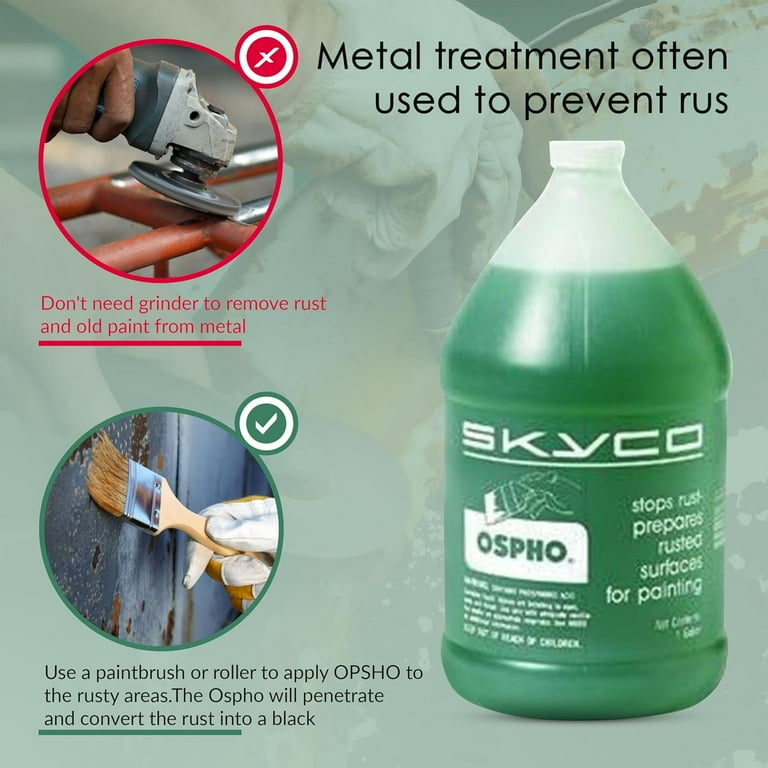
Apply Ospho in a thin, even layer directly from the container. Avoid thick applications to prevent uneven drying. A thin coat quickly reacts with rust and forms a protective layer. Use a brush or cloth to spread it smoothly over the rusted area.
Drying And Tackiness Check
Let the Ospho dry completely before painting. Drying time varies by temperature and humidity but usually takes about 30 minutes to an hour. Check for tackiness by lightly touching the surface. It should feel dry, not sticky or wet. If tacky, wait longer before moving to the next step.
Removing Powder Residue
Sometimes, a powdery, grayish-white residue appears after Ospho dries. This is normal and can affect paint adhesion. Use a stiff brush to remove the loose powder. Wipe the surface with mineral spirits to clean remaining residue. This ensures a smooth surface for painting.
Painting Over Ospho
Painting over Ospho is a smart way to protect metal surfaces from rust. Ospho is a rust converter that turns rust into a stable compound. It also creates a good base for paint. Proper painting over Ospho improves durability and appearance. Follow clear steps to ensure your paint job lasts long and looks great.
Direct Painting With Oil-based Paints
You can paint directly over dry Ospho using oil-based paints. These paints stick well to the Ospho-treated surface. Make sure Ospho is fully dry and cured before painting. Applying oil-based paint right away helps seal the surface. This method works well for many metal projects.
Using A Primer For Durability
For better protection, use a primer over Ospho before painting. Primers add strength and improve paint adhesion. Some primers work especially well with Ospho-treated surfaces. Priming is important for surfaces exposed to harsh weather. It also enhances the finish and extends paint life.
Testing Paint Compatibility
Test a small area before painting the entire surface. Different paints react differently with Ospho. Testing helps avoid peeling or poor adhesion. Apply your chosen paint on a small spot and let it dry. Check for any issues before proceeding with full painting.
Combining Rustoleum And Ospho
Combining Rustoleum and Ospho creates a strong defense against rust on metal surfaces. Ospho works by converting rust into a stable layer, preventing further corrosion. Applying Rustoleum over Ospho adds a durable, protective paint layer. This combination extends the life of metal objects and improves their appearance. Understanding how to layer these products properly ensures the best results.
Benefits Of Layering
Layering Ospho and Rustoleum improves rust protection. Ospho stops rust and forms a solid base. Rustoleum paints over this base, sealing it from moisture. This prevents rust from returning quickly. The paint also adds color and smoothness. Using both products saves time and money on repairs. It strengthens metal surfaces and keeps them looking good longer.
Application Tips
Start by cleaning the metal surface thoroughly. Remove all loose rust, dirt, and grease. Apply a thin, even coat of Ospho to the rusted areas. Let Ospho dry completely before painting. If a powdery residue appears, brush it off gently. Wipe the surface with mineral spirits to remove leftover residue. Use oil-based Rustoleum paint for better adhesion. Apply Rustoleum in light, even layers for a smooth finish.
Drying And Curing Times
Allow Ospho to dry for at least 24 hours. This ensures the rust conversion is complete. Check for tackiness before applying paint. If the surface feels sticky, wait longer. Rustoleum paint typically dries to touch in 1-2 hours. Full curing can take up to 24 hours. Avoid heavy use or exposure to water until fully cured. Proper drying times improve paint adhesion and durability.
Using Epoxy Primers
Using epoxy primers over Ospho enhances rust protection and paint adhesion. Epoxy primers form a strong barrier that seals treated metal surfaces. They help protect against moisture and corrosion, extending the life of your paint job. Applying epoxy primers correctly ensures a smooth, durable finish.
Applying Over Ospho
First, ensure Ospho is fully dry before applying epoxy primer. Check that the surface is free from dust, grease, and loose particles. Use a clean brush or spray gun to apply a thin, even coat of epoxy primer. Avoid thick layers to prevent runs or uneven drying. Follow the manufacturer’s instructions for best results.
Curing Requirements
Allow the epoxy primer to cure properly before painting. Curing time varies by product and temperature but typically ranges from one to several hours. Keep the painted area dry and dust-free during curing. Proper curing improves adhesion and durability of the topcoat. Rushing this step can cause paint failure later.
Painting Over Epoxy Primer
Once cured, paint directly over the epoxy primer with your chosen topcoat. Most oil-based and acrylic paints work well over epoxy primers. Lightly sand the primer if recommended to improve paint adhesion. Use even strokes and thin coats for a smooth finish. This process ensures a long-lasting, rust-resistant coating.
Credit: jbyam.com
Working With Rust Converters
Rust converters like Rustoleum Over Ospho help stop rust from spreading. They turn rust into a stable surface that can be painted. Working with rust converters needs care to get the best results. Preparing the surface, applying the converter, cleaning, and choosing the right paint are key steps. Each step affects how well the rust converter works and how long your paint lasts.
Surface Preparation
Start by removing loose paint, rust flakes, dirt, and grease. Use a wire brush or sandpaper for this. Clean the surface well to expose the rusted metal. A clean surface helps the rust converter bond properly. Avoid over-sanding or removing all rust. The converter needs rust to work on. Let the surface dry before applying the product.
Applying Rust Converter
Apply a thin, even layer of Rustoleum Over Ospho. Use a brush or spray for better control. Cover all rusty areas fully. Do not dilute the product. Allow it to dry completely. Dry time is usually 24 hours but check the label. After drying, a grayish-white powder may appear. Brush off this powder gently. Wipe the surface with mineral spirits if needed.
Cleaning Before Painting
Clean the treated surface before painting. Remove any loose powder or dust left by the converter. Use a dry brush or cloth with mineral spirits. This step ensures paint sticks well. Make sure the surface is fully dry. Avoid using water or soap after applying the converter. Any moisture can affect paint adhesion.
Compatible Paint Types
Rustoleum Over Ospho works well with oil-based paints. You can paint directly over the dry converter. For better protection, use a primer first. Some primers work better over rust converters than others. Always test paint on a small area before full application. Epoxy and automotive paints may require special primers. Follow paint manufacturer guidelines for best results.
Common Mistakes To Avoid
Applying Rustoleum Over Ospho can protect metal surfaces well. Avoiding common mistakes ensures the best results. Many users make simple errors that reduce effectiveness. Understanding these mistakes helps you achieve a smooth, long-lasting finish.
Rushing Drying Times
Let Ospho dry completely before painting. Painting too soon traps moisture under the paint. This causes bubbling and poor adhesion. Wait at least 24 hours in normal conditions. Cooler or humid weather may require more time. Patience prevents peeling and rust from returning.
Ignoring Surface Cleanliness
Clean the metal surface thoroughly before applying Ospho. Dirt, grease, and loose rust stop Ospho from working properly. Use a wire brush or pressure washer to remove debris. Wipe the surface with mineral spirits if needed. A clean surface ensures Ospho bonds well with the metal.
Skipping Test Areas
Test your paint system on a small hidden area first. Some paints may not stick well over Ospho. Testing avoids wasted time and materials on full projects. Check for peeling, bubbling, or discoloration after drying. This step helps find the right paint and primer combination.

Credit: www.youtube.com
Tips For Rust Protection Success
Protecting metal surfaces from rust requires more than just applying Rustoleum over Ospho. Careful preparation and proper techniques improve rust protection and paint durability. Follow these tips to ensure your project lasts longer and looks better.
Proper Tool Selection
Choose the right tools before applying Ospho and Rustoleum. Use a wire brush or sandpaper to remove loose rust and dirt. A clean surface helps the rust converter work well. For applying Ospho, use a brush or spray for even coverage. Use a quality brush or roller for Rustoleum paint. Proper tools make the job easier and results smoother.
Environmental Considerations
Work in a dry, well-ventilated area. Avoid painting in high humidity or rain, which can affect drying. Ideal temperatures are between 50°F and 85°F. Direct sunlight can cause paint to dry too fast, leading to cracks. Protect your work from dust and debris. These conditions help Ospho and Rustoleum bond properly to the metal.
Maintenance After Painting
Regular maintenance keeps rust away for longer. Check painted surfaces every few months for chips or cracks. Touch up damaged areas quickly with Rustoleum to stop rust. Clean the surface with mild soap and water to remove dirt. Avoid harsh chemicals that can damage the paint. Good upkeep extends the life of your rust protection.
Frequently Asked Questions
Can You Paint Directly Over Ospho?
Yes, you can paint directly over dry Ospho. Clean the surface well and apply paint, preferably oil-based. Using a primer improves durability. Test compatibility with your paint system first for best results.
Can I Put Epoxy Primer Over Ospho?
Yes, you can apply epoxy primer over dry Ospho. Ensure the Ospho is fully cured and clean before priming. Test adhesion first.
Can You Put Rustoleum Over Epoxy Primer?
Yes, you can apply Rustoleum over epoxy primer. Ensure the epoxy primer is fully cured and the surface is clean and dry before painting.
Can You Paint Over A Rust Converter?
Yes, paint over a rust converter only after it fully cures. Clean loose rust first for better adhesion. Use compatible paint and consider a primer for durability. Test a small area if unsure.
Can I Paint Directly Over Ospho Rust Treatment?
Yes, you can paint directly over dry Ospho. Oil-based paints usually work well for this.
Conclusion
Rustoleum works well over Ospho to protect metal surfaces. First, clean the surface thoroughly before applying Ospho. Let Ospho dry completely and remove any powdery residue. You can then paint directly over the dry Ospho with oil-based paints. Using a primer can improve paint durability, especially for automotive projects.
Always test a small area to ensure good paint adhesion. This simple process helps stop rust and extend metal life effectively. Rustoleum over Ospho offers a reliable way to maintain metal items.