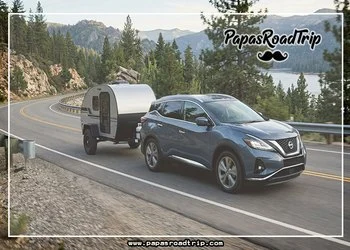
The Nissan Murano has long been one of the more distinctive mid-size SUVs on the road, and a common question from owners and shoppers alike is how much it can actually pull. The answer depends heavily on the model year, because Nissan changed the Murano’s towing story significantly over its four generations. In short, most Muranos are rated to tow between 1,500 and 3,500 pounds, with the highest figures belonging to the first-generation models and the lowest to the third-generation (2015–2024) SUVs when they aren’t equipped with the tow package. This article breaks down the nissan murano towing capacity by year, explains what changes the number, and walks through the practical steps for towing safely.
Key Takeaways
- First-generation Muranos (2003–2007) topped out at 3,500 pounds when properly equipped; later generations generally fall between 1,500 and 3,500 pounds depending on year and package.
- The third-generation Murano (2015–2024) is rated at 1,500 pounds without the accessory tow package and up to 3,500 pounds with it, so check your specific vehicle’s door jamb and owner’s manual.
- Towing capacity is only one number — you must also stay under GCWR (gross combined weight rating) and the vehicle’s payload rating, which includes tongue weight, passengers, and cargo.
- A Class II hitch and a 4-pin wiring harness are the typical hardware for Murano towing; heavier setups may need a transmission cooler and trailer brakes.
- Tongue weight should generally land at 10–15 percent of the loaded trailer weight, and you should never exceed the rating printed on your own vehicle’s certification label.
Murano Towing Capacity by Generation
Nissan has sold the Murano since the 2003 model year, and each generation has its own rating. The table below summarizes the typical maximum towing figures. Always confirm against your owner’s manual and the certification label on the driver’s door jamb, because ratings can vary by trim, drivetrain, and whether the vehicle has the factory or accessory tow package.
| Generation | Model Years | Typical Max Towing Capacity | Notes |
|---|---|---|---|
| First (Z50) | 2003–2007 | 3,500 lbs | Highest ratings; CVT and V6 combo |
| Second (Z51) | 2009–2014 | 3,500 lbs | Rating often tied to tow package |
| Third (Z52) | 2015–2024 | 1,500 lbs (base) / 3,500 lbs (with tow package) | Most variation here; verify your build |
| Fourth (Z53) | 2025–present | 1,500 lbs | New-generation redesign; confirm in manual |
The pattern is clear: the older Muranos were rated more generously, while the third and fourth generations were repositioned as comfort-focused crossovers with lower base ratings. That doesn’t mean a newer Murano can’t tow — it means you need to know exactly which configuration you have.
Why the Ratings Changed Over Time
The shift wasn’t arbitrary. Nissan moved the Murano onto a platform shared with the Altima and positioned it as a stylish, family-oriented crossover rather than a utility vehicle. As curb weights rose and the focus shifted to ride comfort and fuel economy, the base towing rating dropped. The tow package became the differentiator — buyers who needed to pull a small camper or utility trailer had to order or add it.
What Determines Your Murano’s Rating
Several factors combine to set the number in your owner’s manual. Understanding them helps you interpret the figure correctly and avoid overloading the vehicle.
Drivetrain and Trim
Front-wheel-drive and all-wheel-drive Muranos can carry different ratings in some model years, and heavier trims with more standard equipment reduce available payload. A fully loaded Platinum trim with a panoramic roof and power everything weighs more than a base S, which eats into the margin you have for tongue weight and passengers.
The Tow Package
The accessory tow package on third-generation Muranos typically includes a Class II receiver hitch, a transmission cooler, and a wiring harness. Without the cooler, sustained towing in hot weather or over grades can overheat the CVT, which is why Nissan ties the higher rating to the package. If you’re buying used, check whether the package was installed — a hitch alone doesn’t mean the cooler is there.
GCWR and Payload
This is where many owners get into trouble. Towing capacity is the maximum trailer weight, but GCWR is the maximum combined weight of the loaded vehicle plus the loaded trailer. If your Murano is packed with five adults and luggage, the trailer has to be lighter to stay under GCWR. Likewise, payload — the weight of occupants, cargo, and tongue weight — is often the real limiting factor on a mid-size crossover.
Pro Tip: Weigh your loaded Murano and trailer at a public scale before a long trip. A CAT Scale visit costs a few dollars and tells you exactly where you stand against GCWR and axle ratings — far more reliable than estimating.
How to Read Your Vehicle’s Actual Rating
The generic numbers in articles like this one are a starting point, but your specific vehicle has its own certified rating. Here’s how to find it.
- Open the driver’s door and locate the certification label on the door jamb. It lists GVWR (gross vehicle weight rating) and GAWR (axle ratings) for your exact build.
- Check the owner’s manual under the “Towing” or “Trailer” section. This is where Nissan prints the towing capacity and GCWR for each configuration.
- Look for the tow package code on the window sticker or build sheet if you still have it. Dealers can pull the original Monroney data by VIN.
- Confirm the hitch class installed on the vehicle. A Class I hitch is limited to about 2,000 pounds; a Class II handles up to 3,500 pounds.
Where to Find the Towing Section in the Manual
Nissan organizes towing information in the “Technical and consumer information” chapter, usually near the back. Look for a table that lists towing capacity, tongue weight, and GCWR by drivetrain. If your manual shows two columns — with and without the tow package — you now know which one applies to you.
Choosing the Right Hitch and Wiring
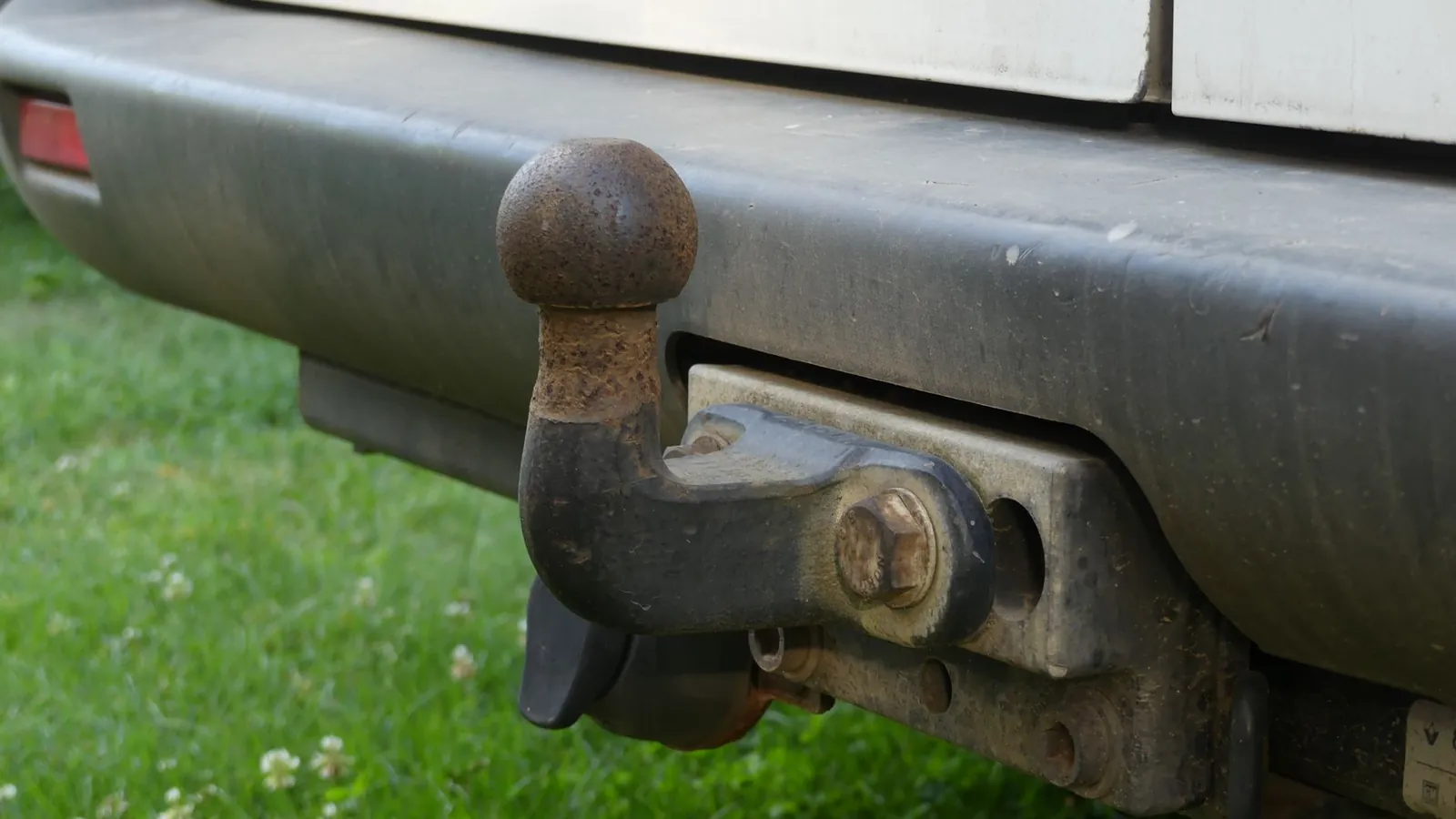
Hardware selection matters as much as the rating itself. The wrong hitch or a missing brake controller can turn a legal setup into an unsafe one.
| Hitch Class | Typical Max Trailer Weight | Typical Tongue Weight | Common Murano Use |
|---|---|---|---|
| Class I | Up to 2,000 lbs | Up to 200 lbs | Small utility trailers, bike racks |
| Class II | Up to 3,500 lbs | Up to 350 lbs | Pop-up campers, small boats, cargo trailers |
| Class III | Up to 5,000+ lbs | Up to 500+ lbs | Not typically rated for Murano; exceeds vehicle limits |
For most Murano owners, a Class II receiver hitch is the correct choice. It matches the vehicle’s maximum rating and keeps the setup within spec. Pair it with a 4-pin flat wiring harness for basic trailer lights; trailers with electric brakes need a 7-pin connector and a brake controller, which the Murano doesn’t come with from the factory.
Warning: Never install a higher-class hitch and assume it raises your towing capacity. The hitch is only one link in the chain — the vehicle’s structural and cooling limits still govern, and exceeding them can void your warranty and create liability.
Towing Safely: Weight Distribution and Brakes
Once your hardware is sorted, the real work is loading and driving. A few principles keep you within safe limits.
Tongue Weight
Aim for 10 to 15 percent of the loaded trailer weight on the hitch ball. Too little tongue weight causes sway; too much overloads the rear axle and lifts the front wheels, reducing steering grip. For a 3,000-pound trailer, that means 300 to 450 pounds on the tongue — which counts against your payload.
Trailer Brakes
Many states require trailer brakes once the trailer exceeds a certain weight, often around 3,000 pounds. Because the Murano’s rating can reach 3,500 pounds, a fully loaded trailer may legally need its own braking system. Check your state’s motor vehicle department rules, and remember that surge brakes are a common option for boat and utility trailers that don’t need a controller.
Weight Distribution Hitches
For trailers near the top of the Murano’s range, a weight distribution hitch can help level the vehicle and return weight to the front axle. Not every Class II setup supports one, so confirm compatibility with the hitch manufacturer before buying.
Maintenance Before You Tow
Towing raises heat and load on the engine, transmission, and brakes. A few checks before a trip go a long way.
- CVT fluid: Nissan’s continuously variable transmission is sensitive to heat. Check the fluid level and condition, and consider a fluid change if you’re near the service interval.
- Coolant and oil: Verify both are at the proper level and in good condition.
- Tire pressure: Inflate to the pressure listed on the door jamb for a loaded vehicle, and inspect trailer tires for age and cracks.
- Brake inspection: Towing strains brakes, especially on descents. Have pads and rotors checked if they’re near the end of their life.
- Lighting check: Test all trailer lights — running lights, brake lights, and turn signals — before every trip.
Pro Tip: If your Murano lacks the factory transmission cooler, an aftermarket cooler is a worthwhile addition for regular towing. It’s a modest cost compared with a transmission replacement, and it directly addresses the heat issue that limits the base rating.
Common Towing Mistakes to Avoid

Even experienced towers make errors with crossovers like the Murano. Watch for these.
- Confusing towing capacity with payload. The trailer’s tongue weight, plus passengers and cargo, must fit within payload — often the binding constraint.
- Ignoring GCWR. A light trailer plus a fully loaded SUV can still exceed the combined limit.
- Skipping the break-in period. Nissan recommends a gentle break-in for new vehicles, typically around 1,200 miles, before towing.
- Towing in overdrive on long grades. Let the transmission downshift to manage heat and load.
- Using regular fuel under heavy load. Some manuals recommend premium fuel for towing in hot conditions; check yours.
Related guides
Frequently Asked Questions
Can a Nissan Murano tow a camper?
Yes, within limits. A Murano with the tow package and a 3,500-pound rating can pull a small pop-up camper or a lightweight travel trailer, provided the loaded trailer weight, tongue weight, and GCWR all stay within spec. Larger travel trailers generally exceed the Murano’s ratings.
What is the towing capacity of a 2019 Nissan Murano?
Most 2019 Muranos are rated at 1,500 pounds without the accessory tow package and up to 3,500 pounds with it. Because the rating varies by build, check the certification label on the driver’s door jamb and the towing section of your owner’s manual for the exact figure.
Do I need a transmission cooler to tow with a Murano?
For anything beyond light, occasional loads, yes. Nissan ties the higher tow rating to the package that includes a cooler, and the CVT is sensitive to heat. An aftermarket cooler is a reasonable investment if you tow regularly, especially in hot climates or hilly terrain.
How much tongue weight can a Murano handle?
Tongue weight capacity depends on the hitch class and the vehicle’s payload. A Class II hitch typically allows up to 350 pounds of tongue weight, but you must also keep total payload — occupants, cargo, and tongue weight — under the vehicle’s rating. Aim for 10–15 percent of trailer weight.
Can I tow with a front-wheel-drive Murano?
Yes. Front-wheel-drive Muranos carry towing ratings similar to all-wheel-drive versions in most years, though traction on slippery ramps favors AWD. The bigger constraint is payload and cooling, not drivetrain, so confirm your specific configuration in the manual.
Does towing void the Murano warranty?
Towing within the published limits and following the manual’s requirements doesn’t void the warranty. Exceeding the rating, skipping required cooling equipment, or ignoring maintenance intervals can lead to denied claims for related damage, so document your setup and stay within spec.
Conclusion
Before your next trip, pull out the owner’s manual, find the towing table for your exact model year and drivetrain, and confirm your hitch class and tongue weight against it. A five-minute check at the door jamb and a quick scale visit will tell you more about your real limits than any generic rating — and it’s the difference between a confident tow and an overloaded one.