

Are you curious about what kind of rims your car has? Knowing whether your rims are aluminum or alloy isn’t just a detail—it affects your vehicle’s performance, appearance, and even maintenance.
But how can you tell the difference without expert tools? You’re about to discover simple, effective ways to identify your rims quickly. By the end of this article, you’ll feel confident in recognizing your wheel type, helping you make smarter decisions whether you’re shopping for new rims, selling your car, or just satisfying your curiosity.
Let’s dive into the easy tests and tips that anyone can use!
Magnet Test
The magnet test is a simple way to check what material your rims are made of. It helps to tell aluminum rims from other metals like steel or some alloys. This test uses a magnet to see if it sticks to the rim. The magnet reacts differently to different metals, making it easier to identify the rim type.
How To Use A Magnet
Take a strong magnet and hold it near the rim’s surface. Try the magnet on several spots, especially on clean, paint-free areas. If the magnet sticks firmly, the rim is likely steel or a magnetic alloy. If it does not stick or barely sticks, the rim is probably aluminum or a non-magnetic alloy.
Interpreting Results
If the magnet sticks well, the rim is not aluminum. Steel rims attract magnets strongly due to their iron content. If the magnet does not stick, your rim is likely aluminum or a special alloy that does not attract magnets. This helps separate aluminum from steel rims quickly and easily.
Common Exceptions
Some alloys contain small amounts of magnetic metals, so the magnet might stick weakly. Also, dirt or paint can affect magnet contact and give false results. Always clean the area before testing. Remember, the magnet test is a good first check but not always 100% accurate.

Credit: italiancarshop.co.uk
Visual Inspection
Visual inspection offers a simple way to distinguish between aluminum and alloy rims. By carefully observing specific features, you can identify their material without special tools. This method helps you understand your wheels better and choose the right care or replacement parts.
Examining Wheel Finish
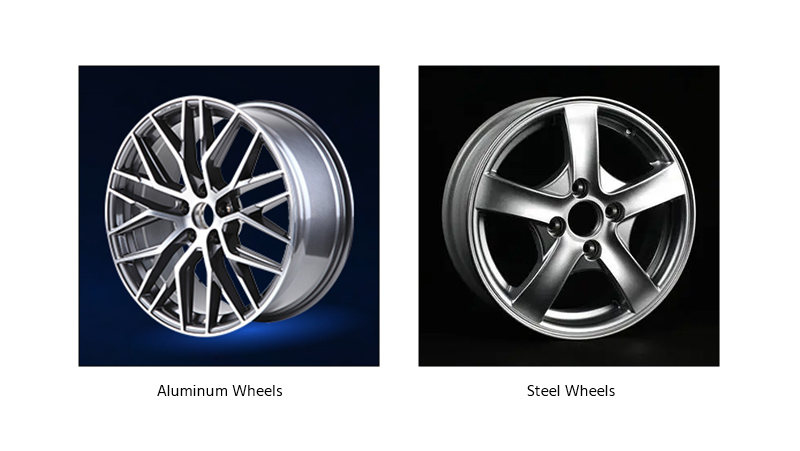
Aluminum rims usually have a duller, matte finish. Alloy rims often show a shinier, polished look. The finish on alloy wheels can appear smoother and more reflective. Check for any clear coating or paint; alloys often have a protective layer. Aluminum rims may look more natural and less glossy in comparison.
Spoke Design Differences
Alloy wheels often have more intricate spoke designs. They may feature thin, complex shapes for style and weight savings. Aluminum rims tend to have simpler, thicker spokes. The spoke style can indicate if the wheel is made from alloy or pure aluminum. Look closely at the design details to spot the difference.
Surface Texture And Color
Alloy rims usually have a uniform surface texture with no rough spots. Their color ranges from silver to dark gray, sometimes with a metallic sheen. Aluminum rims can show slight imperfections or uneven texture. Their color is often lighter silver or grey without much shine. Surface texture and color give clues about the rim’s material type.
Manufacturer Markings
Manufacturer markings provide key details about rims. These stamps show if rims are aluminum or alloy. They also reveal manufacturing methods and material types. Knowing how to read these marks helps identify your rims accurately. This section explains how to find and understand these markings.
Locating Stamps
Look inside the rim near the spokes or hub area. Most manufacturers place stamps where they are easy to see but protected from wear. Clean the area with a cloth to read the marks clearly. Use a flashlight if needed. Stamps may be small but contain useful information.
Meaning Of Cast And Forged
Markings often include the words “Cast” or “Forged.” Cast rims are made by pouring molten metal into molds. Forged rims form by pressing metal under high pressure. Forged rims are usually stronger and lighter. These terms help distinguish manufacturing processes and rim quality.
Other Identification Codes
Codes may include size, model number, or load ratings. Some rims have a date of manufacture or country of origin. Letters like “AL” often indicate aluminum content. Understanding these codes helps confirm the rim’s material and specifications. Keep a reference guide for decoding these marks handy.

Credit: www.reddit.com
Weight And Feel
Understanding the weight and feel of your rims helps identify their material. Aluminum and alloy rims often feel lighter than steel ones. Holding and comparing them reveals clues about their composition. The weight affects your car’s performance and handling.
Comparing Weight To Steel Rims
Steel rims are usually heavier and denser. Aluminum and alloy rims weigh less, making them easier to lift. If you hold two rims side by side, the steel one feels heavier. The lighter weight improves fuel efficiency and acceleration.
Aluminum rims often have a smooth, cool touch. Steel rims feel thicker and colder due to their weight. This simple weight test gives a good initial idea of the rim type.
Handling And Strength Indicators
Aluminum and alloy rims feel solid but lighter. They may flex slightly under pressure but return to shape. Steel rims feel tougher and less flexible but much heavier.
Grip the rim firmly and apply light pressure. A slight bend or flex suggests aluminum or alloy. Steel rims resist bending but add more weight to the vehicle.
The feel of strength combined with lightness points to aluminum or alloy construction. This balance is why many drivers prefer these rims for everyday use.
Consulting Documentation
Consulting documentation is a reliable way to identify if your rims are aluminum or alloy. These documents provide accurate information from trusted sources. They help avoid guesswork and make identification easier.
Documentation can include your vehicle’s manual, manufacturer support, and online vehicle specifications. Each source holds key details about your rims. Use them to confirm the material type quickly.
Owner’s Manual Information
The owner’s manual often lists wheel specifications. Check the section about wheels or tires. It may state if your rims are aluminum or alloy. Manuals also note any special features or care instructions. This information helps you know what kind of rims you have.
Manufacturer Support
Contact the vehicle or rim manufacturer for specific details. They keep records of your vehicle’s parts. Provide your vehicle identification number (VIN) for accurate info. Manufacturer support can clarify rim materials and options for upgrades. This ensures you get the correct information straight from the source.
Online Vehicle Specifications
Many websites offer detailed specs for vehicles. Use trusted sites to search your car model and year. Look for the wheel section to find rim material details. Some sites include photos and descriptions to help you identify rims. Online specs are easy to access and update regularly.
Credit: www.chalcoaluminum.com
Frequently Asked Questions
How Can You Tell The Difference Between Aluminum And Alloy Wheels?
Aluminum wheels feel lighter and usually have a polished, smooth finish. Alloy wheels blend aluminum with other metals, showing more complex designs and a stronger feel. Use a magnet: it won’t stick to aluminum or alloy wheels, but it will stick to steel.
Check manufacturer markings too.
Will A Magnet Stick To Alloy Wheels?
A magnet will not stick to alloy wheels because they contain aluminum, which is non-magnetic. Magnets only attract steel wheels.
How Do I Know If I Have Alloy Rims?
Use a magnet to test your rims; it won’t stick to alloy wheels but will stick to steel. Check for intricate designs and lighter weight. Also, look for manufacturer markings inside the rim or consult your vehicle’s manual to confirm alloy rims.
Are Alloy Wheels Worth Anything For Scrap?
Alloy wheels have scrap value due to their aluminum content. They fetch higher prices than steel wheels. Selling them for scrap is often profitable.
How Can I Tell If Rims Are Aluminum Or Alloy?
Aluminum rims are pure metal, while alloy rims mix aluminum with other metals like magnesium.
Conclusion
Knowing how to tell if rims are aluminum or alloy helps with maintenance and repair. Simple tests like the magnet check and visual inspection work well. Aluminum rims don’t attract magnets and often look polished or shiny. Alloy rims have complex designs and also don’t stick to magnets.
Checking markings on the wheel or your car’s documents can give clear answers. This knowledge saves time and ensures you use the right cleaning products. Understanding your rims makes car care easier and safer.