

Shopping for a used truck is exciting, but it’s also risky—especially when it comes to diesel engines like the Duramax. If you’re looking at Chevrolet or GMC trucks, you’ve probably heard both praise and warnings about Duramax engines. Some years are famous for power and reliability, while others are known for costly problems. But which Duramax years should you avoid, and why?
Let’s break it down in plain, honest language. We’ll look at the history of the Duramax, explain which model years are best skipped, and help you spot common problems before you buy. You’ll also get practical advice for finding a good used Duramax, plus answers to the questions most people ask.
By the end, you’ll feel ready to shop with confidence—and avoid an expensive mistake.
What Is A Duramax Engine?
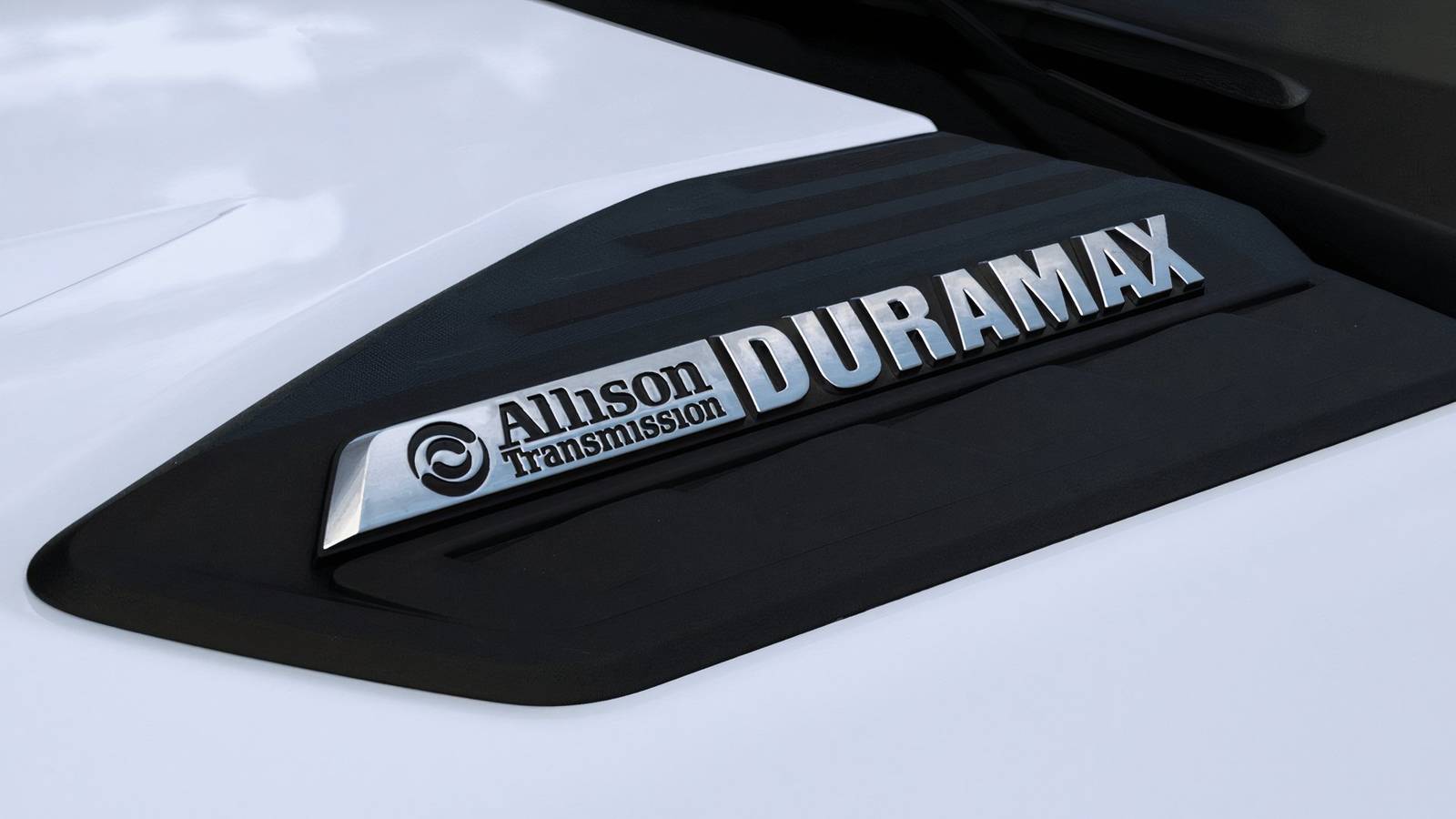
The Duramax is a family of diesel engines made by DMAX, a joint venture between General Motors and Isuzu. Since 2001, these engines have powered heavy-duty Chevrolet Silverado and GMC Sierra trucks. Over the years, the Duramax has earned a strong reputation for performance, towing power, and fuel efficiency.
There are several generations of Duramax engines, each with unique features and upgrades. The most common models you’ll see in used trucks are the:
- LB7 (2001-2004)
- LLY (2004.5-2005)
- LBZ (2006-2007)
- LMM (2007.5-2010)
- LML (2011-2016)
- L5P (2017-present)
Each generation has its strengths and weaknesses. Some years are better than others, and certain engines have persistent issues that can lead to big repair bills.
Why Do Some Duramax Years Have Problems?
No engine is perfect. Even in the best brands, some years come with design flaws or parts that wear out faster than they should. New emissions rules, changing technology, and even supplier mistakes can lead to trouble in specific years.
With the Duramax, a few key issues explain why some years stand out as ones to avoid:
- Injector failures: Early models had injectors prone to leaking or failing.
- Overheating: Some engines suffered from poor cooling or weak head gaskets.
- Emission system problems: Later years added complex emissions equipment, which can fail or cause expensive repairs.
- Weak parts: Cost-cutting or experimental designs sometimes meant weaker pistons, rods, or other internal parts.
Most of these issues are well-known in the truck community. The good news is, once you know what to watch for, you can avoid buying a lemon.
Credit: carbuzz.com
Duramax Years To Avoid: The Most Problematic Models
Not all Duramax engines are created equal. Based on owner reports, mechanic advice, and industry data, these are the Duramax years most experts recommend avoiding if possible.
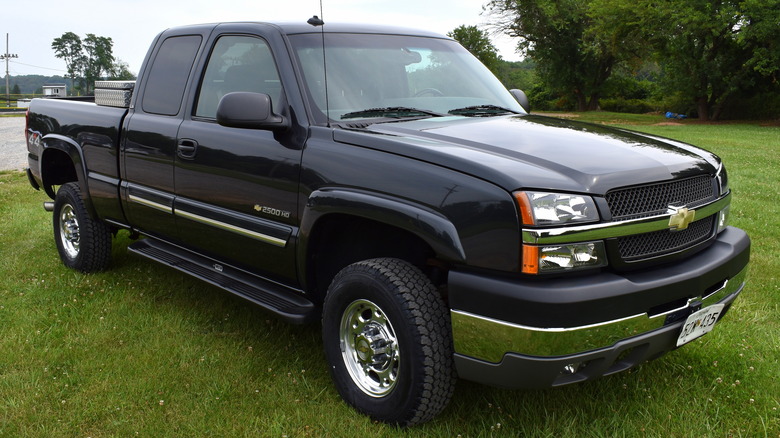
2001–2004 Lb7 (especially Early Years)
The LB7 was the original Duramax, and it set a new standard for diesel trucks. But the first versions, especially 2001 and 2002, had a major flaw: injector failure.
- Problem: Injectors were mounted under the valve covers, making them hard and expensive to replace. Many failed before 100,000 miles.
- Symptoms: Hard starting, white smoke, loss of power, and diesel smell in the oil.
- Repair cost: $3,000–$5,000 for a full set of injectors.
GM later extended the injector warranty, but many trucks are now past coverage. If you must buy an LB7, check if the injectors have already been replaced.
2004.5–2005 Lly
The LLY introduced new emissions equipment, but also brought several headaches.
- Problem: Overheating—the LLY is known for running hot, especially when towing.
- Reason: Poor cooling system design and restrictive turbo mouthpiece.
- Symptoms: Coolant loss, temperature spikes, limp mode under load.
- Fix: Upgraded cooling parts and aftermarket turbo inlets help, but repairs aren’t cheap.
Some 2005 models were improved, but the risk remains. If you do buy an LLY, check for evidence of overheating or head gasket issues.
2006–2007 Lbz (generally Reliable, Minor Issues)
The LBZ is actually one of the best Duramax years—strong, simple, and reliable. However, a few buyers have noticed issues with piston failure at high power levels (usually after modifications), and with weak transmission parts if regularly abused.
For most stock trucks, the LBZ is a safe bet. Still, it’s wise to check for signs of hard use.
2007.5–2010 Lmm
The LMM brought in a Diesel Particulate Filter (DPF), which helped with emissions but added new problems.
- Problem: DPF clogs, sensor failures, and regeneration issues.
- Symptoms: Reduced power, poor fuel economy, warning lights, and limp mode.
- Repair cost: $1,000–$3,000 for DPF replacement or cleaning.
If a previous owner removed the DPF (sometimes illegally), you could face legal or inspection trouble.
2011–2016 Lml
The LML Duramax continued to improve performance and emissions. But it introduced the Diesel Exhaust Fluid (DEF) system, which can be troublesome.
- Problem: DEF system failures, injection pump failure (especially with CP4 pump), and emissions sensors.
- Symptoms: Check engine light, poor running, hard starting, and sometimes complete engine failure.
- Repair cost: $1,500–$10,000 if the high-pressure pump fails and damages the fuel system.
Not all LMLs are bad, but the risk of CP4 pump failure makes these years risky—especially if you use US diesel fuel, which has lower lubricity than European diesel.
2017–2019 L5p (early Years)
The L5P is generally strong, but the first few years had teething issues with electronics and emissions systems.
- Problem: Early sensor failures, SCR system issues, and some reported turbo failures.
- Symptoms: Warning lights, limp mode, reduced power.
- Repair cost: Varies, but some repairs are dealer-only and expensive.
Later L5P models (2020+) seem more reliable as GM worked out the bugs.
Quick Comparison: Duramax Years To Avoid Vs. Safer Years
Here’s a simple table comparing the most problematic Duramax years with those generally seen as reliable:
| Engine/Year | Main Issues | Reliability | Buyer’s Risk Level |
|---|---|---|---|
| 2001–2004 LB7 | Injector failure | Mixed | High |
| 2004.5–2005 LLY | Overheating, head gaskets | Below average | High |
| 2006–2007 LBZ | Minor piston/transmission issues (rare) | Excellent | Low |
| 2007.5–2010 LMM | DPF, sensors | Average | Medium |
| 2011–2016 LML | CP4 pump, DEF system | Mixed | High |
| 2017–2019 L5P | Emissions, electronics | Above average | Medium |
| 2020+ L5P | Few known issues | Excellent | Low |
Common Duramax Problems By Year
To help you spot trouble before you buy, here’s a deeper look at the most common Duramax engine problems by model year.
Lb7 (2001–2004)
- Injectors: Known for failing, leaking, or sticking.
- Fuel lines: Can rust or leak, especially in salty climates.
- Water pump: Occasional failures.
Non-obvious insight: Many used LB7s have already had injector replacements. Ask for receipts—if the injectors are original, budget for replacement soon.
Lly (2004.5–2005)
- Overheating: Weak fan clutch and restrictive turbo inlet.
- Head gaskets: Prone to failure if overheated.
- EGR valve: Early emissions part that can stick or clog.
Non-obvious insight: Overheating often happens only under heavy load (towing uphill, hot weather). If you plan to tow, be extra careful with LLYs.
Lbz (2006–2007)
- Pistons: Rare failures at very high horsepower (mostly modified trucks).
- Transmission: Allison transmission is strong, but regular maintenance is key.
- Glow plugs: Occasional failures in cold climates.
Lmm (2007.5–2010)
- DPF: Particulate filter can clog, especially if used for city driving.
- Sensors: EGR and DPF sensors fail, causing warning lights.
- EGR cooler: Can leak or plug up.
Lml (2011–2016)
- CP4 injection pump: Prone to failure, especially with US diesel.
- DEF system: Sensors, injectors, and tanks can fail.
- NOx sensors: Costly and often hard to diagnose.
Non-obvious insight: The CP4 pump fails without warning and can ruin the whole fuel system. Using a diesel additive that boosts lubricity may help, but it’s not a guaranteed fix.
L5p (2017–2019)
- SCR/DEF system: Early bugs caused warning lights and limp mode.
- Electronics: Some trucks had module failures or sensor glitches.
- Turbo: A few reports of premature turbo failure.
How To Spot A Troubled Duramax Before You Buy
Buying a used diesel truck is not just about mileage or price. Here’s how to reduce your risk:
- Ask for service records: Good owners keep receipts for major work—especially injectors, pumps, and emissions repairs.
- Look for modifications: Trucks with “tunes,” deleted emissions, or big turbos often had a harder life.
- Check for warning lights: A “check engine” or “service exhaust fluid” light can signal big problems.
- Test drive under load: If possible, tow a trailer or drive uphill. Overheating and limp mode often only appear under stress.
- Scan for codes: Use a diagnostic tool to check for stored trouble codes, not just the ones showing on the dash.
- Check for smoke: Excess white smoke (especially at start-up) can mean injector or head gasket issues.
- Listen for odd noises: Knocking, ticking, or whistling sounds often mean expensive repairs ahead.
Buyer’s Guide: Finding A Reliable Duramax
If you want a used Duramax truck but want to avoid costly mistakes, follow these steps:
1. Focus On The Best Years
The safest bets are:
- 2006–2007 LBZ
- 2020+ L5P
These years have fewer design flaws and are praised for reliability.
2. Prioritize Maintenance Over Mileage
A well-maintained 200,000-mile truck can be a better buy than a poorly cared-for 80,000-mile example. Look for:
- Regular oil changes
- Transmission service
- Cooling system repairs
- Documented injector or pump replacements
3. Check For Recalls And Tsbs
GM issues Technical Service Bulletins (TSBs) and recalls for known problems. Make sure any recall work is done before you buy. This info is available from GM dealers or through the National Highway Traffic Safety Administration.
4. Avoid Trucks With Deleted Emissions
Some owners remove emissions equipment to boost performance. While this can help reliability, it’s illegal in most states and can make the truck fail inspection. Avoid deleted trucks unless you live in a state with no emissions testing and understand the risks.
5. Have A Diesel Specialist Inspect The Truck
Before buying, pay for a pre-purchase inspection by a mechanic who knows Duramax engines. They can spot signs of injector, pump, or emissions trouble that a regular mechanic might miss.
Duramax Engine Generations: Key Differences
For those who want to dig deeper, here’s a table summarizing the main differences between each Duramax generation:
| Generation | Years | Horsepower/Torque | Notable Features | Main Weakness |
|---|---|---|---|---|
| LB7 | 2001–2004 | 300 hp / 520 lb-ft | No EGR/DPF, strong block | Injectors |
| LLY | 2004.5–2005 | 310 hp / 605 lb-ft | First EGR, variable turbo | Cooling/head gaskets |
| LBZ | 2006–2007 | 360 hp / 650 lb-ft | Stronger internals, 6-speed Allison | Rare piston/transmission |
| LMM | 2007.5–2010 | 365 hp / 660 lb-ft | First DPF | DPF/sensors |
| LML | 2011–2016 | 397 hp / 765 lb-ft | DEF, improved power | CP4/DEF |
| L5P | 2017–present | 445 hp / 910 lb-ft | Major redesign, stronger parts | Early emissions/electronics |
Real-world Examples: Duramax Nightmares And Success Stories
Case 1: The Lb7 Injector Disaster
Mike bought a 2002 Silverado 2500HD with 110,000 miles. It ran well on the test drive, but after a few months, it began to smoke white at idle. A mechanic found fuel in the oil—classic LB7 injector failure. The repair cost Mike $4,200, wiping out his savings.
If he’d checked for injector receipts or had the truck inspected, he might have avoided this costly surprise.
Case 2: The Lml Cp4 Failure
Sarah loved her 2013 GMC Sierra. At 85,000 miles, the truck suddenly lost power and died. The dealer found metal shavings in the fuel—her CP4 injection pump had failed. The repair cost was $8,000 because the whole fuel system had to be replaced. Later, she learned that using a diesel lubricity additive might have reduced the risk.
Case 3: The Lbz Workhorse
Carlos searched for months before buying a 2007 Silverado with the LBZ engine. The truck had 180,000 miles but full service records and a clean history. Five years later, it’s still running strong with only minor repairs. He credits the truck’s reliability to careful research and buying a well-maintained example.
The Impact Of Emissions Laws On Duramax Reliability
One big reason for trouble in later Duramax years is stricter emissions laws. Each time the EPA set new standards, GM had to add more emissions equipment:
- EGR (Exhaust Gas Recirculation): Started in 2004.5, can clog and cause overheating.
- DPF (Diesel Particulate Filter): Started in 2007.5, can clog and cause limp mode.
- DEF (Diesel Exhaust Fluid): Started in 2011, adds sensors and injectors that can fail.
These systems do help reduce pollution, but they make the engine more complex and expensive to repair. If you mostly drive short distances, the DPF may clog more often because it needs highway speeds to “regenerate” and burn off soot.
Practical tip: If you want fewer problems, consider pre-emissions Duramax models (LB7, LBZ), but remember they’re older and may not meet local smog rules.
Duramax Vs. Other Diesel Engines
How does the Duramax compare to Cummins and Power Stroke diesels found in Ram and Ford trucks? Here’s a quick side-by-side:
| Engine | Years to Avoid | Main Issues | Strengths |
|---|---|---|---|
| Duramax | 2001–2004 (LB7), 2004.5–2005 (LLY), 2011–2016 (LML) | Injectors, overheating, CP4 pump, emissions | Strong power, smooth, good Allison transmission |
| Cummins | 2007.5–2012 (6.7L) | DPF/EGR issues, emissions sensors | Simple design, long life, easy to repair |
| Power Stroke | 2003–2007 (6.0L), 2008–2010 (6.4L) | Head gaskets, EGR, fuel system | Great power, cheaper parts |
Non-obvious insight: All diesel engines have “bad years.” The key is knowing what to check before you buy, not just avoiding a brand.
The Best Duramax Years To Target
If you want a Duramax and want the least risk, these are the years most experts recommend:
- 2006–2007 LBZ: The “holy grail” of reliability and performance.
- 2017+ L5P: Modern, strong, but avoid the earliest 2017–2019 if possible.
- 2020+ L5P: Best for those who want new tech and warranty coverage.
Older models (LB7, LLY) can be reliable if major repairs have already been done, but expect to pay for injector or cooling system work eventually.
Credit: www.slashgear.com
Should You Ever Buy A “bad” Duramax Year?
Sometimes, a truck from a “bad” Duramax year is a good deal—if it’s cheap enough and has proof of major repairs. For example:
- An LB7 with new injectors and fuel lines can be as good as an LBZ.
- An LLY with upgraded cooling and head gaskets can run for years.
- An LML with a CP3 conversion (replacing the CP4 pump) is much more reliable.
But if the truck is priced the same as a “good” year and still has original, risky parts, it’s better to walk away.
Final Tips For Duramax Buyers
- Never buy sight unseen: Always inspect and drive before buying.
- Ask about cold starts: Hard starting in cold weather can mean injector or glow plug problems.
- Plan for repair costs: Even the best Duramax may need $2,000–$4,000 in repairs over 200,000 miles.
- Join forums: Sites like DuramaxForum.com offer real-world advice and can help you check a truck’s history.
You can also read more about diesel engine history and emissions rules on the Duramax V8 Engine Wikipedia page.
Credit: dieselpowerproducts.com
Frequently Asked Questions
What Is The Worst Duramax Year To Avoid?
Most experts agree that 2001–2002 LB7 trucks are the riskiest because of their injector failures. The 2011–2016 LML is also risky due to the CP4 fuel pump problem.
Is The 2006–2007 Lbz Duramax Really That Good?
Yes. The LBZ is famous for reliability, strong power, and fewer emissions parts. Many owners report trouble-free operation past 300,000 miles with good maintenance.
Are Duramax Injector Problems Still An Issue Today?
Early LB7 engines (2001–2004) are most known for injector issues. Later engines improved, but injectors can still fail eventually—especially if fuel quality is poor. Always check service history before buying.
What Does “deleted Duramax” Mean, And Should I Buy One?
A deleted Duramax has had emissions equipment (EGR, DPF, DEF) removed for better reliability or power. While this can reduce repair costs, it’s illegal in most states and can cause inspection problems. Know your local laws before buying.
How Can I Make A Duramax Last Longer?
Regular maintenance is key: change the oil, use good fuel, service the transmission, and fix problems early. Consider using a diesel fuel additive, especially in LML models, to reduce injector pump wear.
A little research goes a long way when shopping for a used Duramax. With these tips, you’ll be ready to choose a truck that works as hard as you do—and avoid the Duramax years that cause headaches.