When it comes to upgrading your car’s exhaust system, you’ve probably heard the terms “test pipe” and “downpipe” thrown around a lot. But what exactly sets them apart, and which one is right for your ride?
Understanding the difference can make a huge impact on your vehicle’s performance, sound, and legality. If you’re looking to boost horsepower, improve throttle response, or just make your car sound more aggressive, knowing when to choose a test pipe over a downpipe—or vice versa—can save you time, money, and headaches.
You’ll get clear, simple explanations that help you decide what fits your needs best. Ready to find out how these parts affect your car? Keep reading.
Test Pipe Basics
Understanding test pipes helps clarify their role in vehicle exhaust systems. Test pipes are simple components that replace the catalytic converter section. They aim to improve exhaust flow and boost engine performance. Below, we explore key aspects of test pipes and how they differ from downpipes.
Design And Function
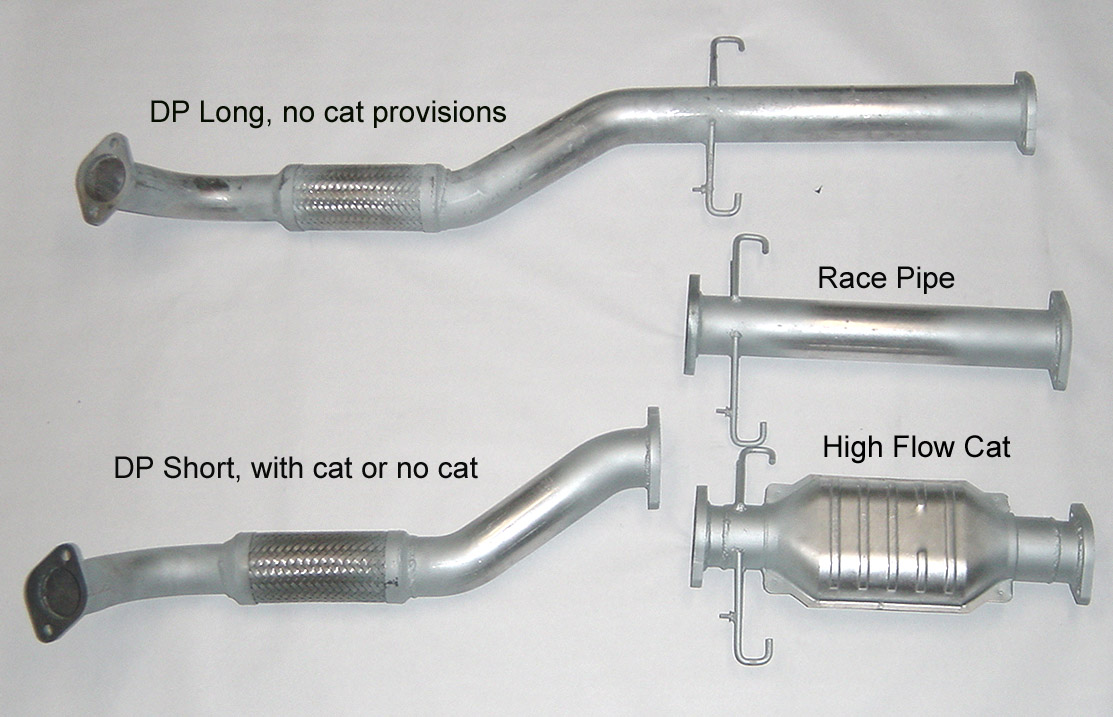
Test pipes are short, straight tubes made of metal. They replace the catalytic converter completely. Their design removes the restrictions caused by the converter. This allows exhaust gases to flow more freely through the system. Unlike downpipes, test pipes do not include sensors or heat shields. The main goal is to reduce backpressure and increase exhaust flow.
Performance Gains
Removing the catalytic converter helps the engine breathe better. This leads to more horsepower and torque. Throttle response improves and feels quicker. Turbocharged engines may experience less turbo lag. Test pipes are lighter than standard parts, which helps reduce vehicle weight. These changes make the car feel more powerful and responsive.
Legal And Environmental Concerns
Test pipes remove emissions control devices, making them illegal for street use in many places. They cause an increase in harmful exhaust emissions. Vehicles with test pipes may fail emissions tests. The louder, raspier exhaust sound can attract unwanted attention. Installing a test pipe might void vehicle warranties. These factors should be carefully considered before modification.
Downpipe Essentials
The downpipe plays a vital role in a vehicle’s exhaust system. It connects the turbocharger to the rest of the exhaust. This part guides hot gases away from the engine. Understanding downpipe essentials helps you grasp how exhaust systems work.
Downpipes often affect performance and sound. They influence how efficiently exhaust gases flow. This can impact power, throttle response, and even emissions. Knowing the structure and types of downpipes makes choosing easier.
Structure And Components
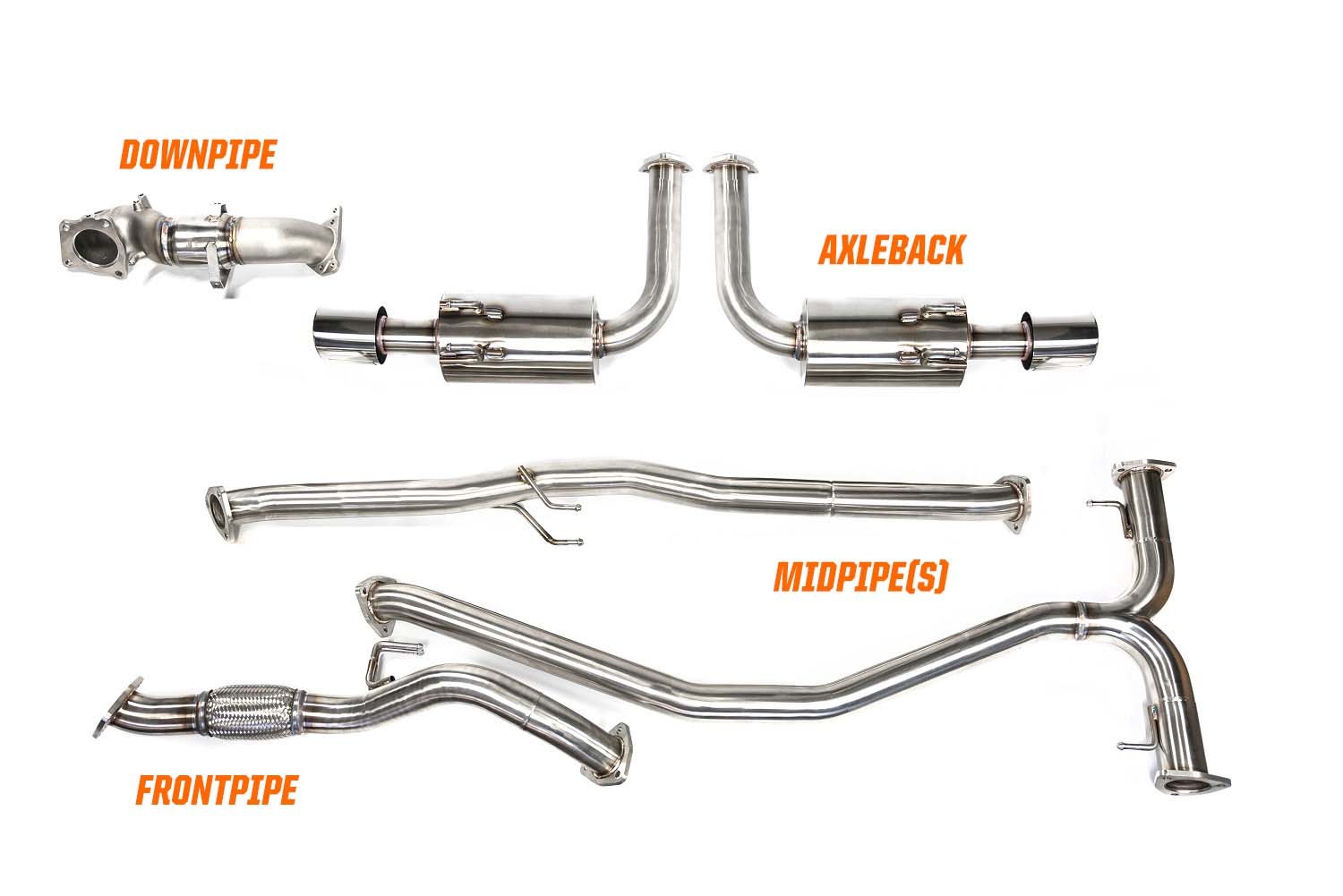
A downpipe is a metal tube, usually made of stainless steel. It starts at the turbocharger’s outlet. The pipe directs exhaust gases to the catalytic converter or test pipe. Some downpipes include heat shields to reduce engine bay heat. Oxygen sensors often mount on the downpipe to monitor emissions. These sensors help the engine adjust fuel and air mix.
Role In Exhaust System
The downpipe is a key link in exhaust flow. It carries gases from the turbo to the rest of the exhaust. By improving this flow, the engine breathes better. This can increase horsepower and reduce turbo lag. A smooth downpipe design lowers backpressure. Less backpressure means the engine works more efficiently. It also affects the sound, making it deeper or louder.
Variants: Catted Vs Catless
Downpipes come in two main types: catted and catless. Catted downpipes include a catalytic converter. This part reduces harmful gases before they leave the car. Catless downpipes remove the catalytic converter. This allows freer exhaust flow and more power. Catless pipes may cause the vehicle to fail emissions tests. They also often make the exhaust louder. Choosing depends on your needs and local laws.
Key Differences
The key differences between test pipes and downpipes affect their function and use in vehicles. Understanding these differences helps in choosing the right part for your car. Each plays a unique role in the exhaust system with distinct features.
Physical Characteristics
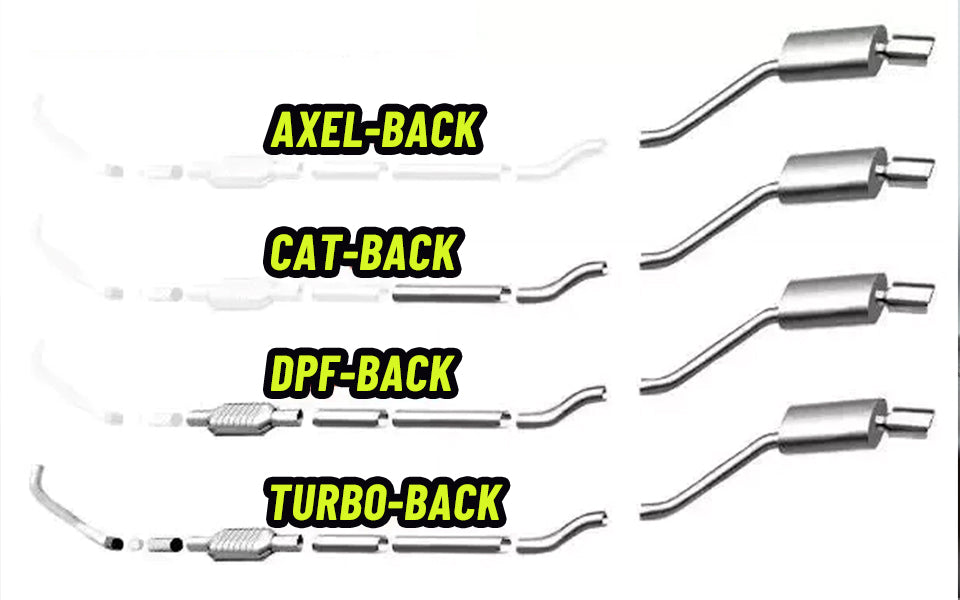
Downpipes are longer and more complex than test pipes. They include mounts for sensors and often heat shields. Test pipes are simple tubes that replace the catalytic converter. They lack sensors and other attachments. This makes test pipes lighter and easier to handle.
Impact On Emissions
Downpipes usually keep the catalytic converter or use a high-flow cat. This helps reduce harmful emissions. Test pipes remove the catalytic converter entirely. This causes higher emissions and is illegal in many places. Cars with test pipes may fail emissions tests.
Installation Complexity
Installing a downpipe requires careful alignment with sensors and exhaust parts. It often needs professional tools and skills. Test pipes are easier to install because they are simple tubes. They fit where the catalytic converter was without extra sensors. This makes them popular for quick upgrades or racing use.
Credit: chanakyamandal.org
Performance Comparison
Comparing test pipes and downpipes reveals key differences in vehicle performance. Both parts impact engine output and exhaust flow but vary in design and function. Understanding these effects helps choose the right upgrade for your car.
Test pipes generally replace catalytic converters, while downpipes connect the turbo to the rest of the exhaust. Each affects horsepower, turbo response, and sound uniquely.
Horsepower And Torque Effects
Test pipes remove restrictions by eliminating the catalytic converter. This change often leads to a noticeable boost in horsepower and torque. Downpipes, being larger and smoother, also improve exhaust flow. They tend to increase power more consistently across the RPM range. Both upgrades help the engine breathe better, but downpipes usually offer stronger torque gains.
Turbo Response And Lag
Reducing exhaust backpressure is key to faster turbo spool. Test pipes cut down pressure by removing emissions parts. This can decrease turbo lag and speed up boost delivery. Downpipes improve flow even more with their wider diameter and bends. They help the turbo spool quicker and maintain boost better at higher RPMs. Turbocharged engines benefit from either part, but downpipes provide a smoother, more reliable response.
Exhaust Sound And Volume
Test pipes make the exhaust louder and sharper by removing the catalytic converter. This often results in a raspier, more aggressive sound. Downpipes also increase volume but keep sound quality smoother. The design lets exhaust gases flow freely without harsh tones. Drivers seeking a louder exhaust may prefer test pipes, while those wanting balanced sound might choose downpipes.
Pros And Cons
Choosing between a test pipe and a downpipe involves understanding their benefits and downsides. Both parts improve exhaust flow but differ in design and function. This section breaks down the pros and cons of each to help you decide.
Advantages Of Test Pipes
Test pipes offer a direct replacement for the catalytic converter. They allow exhaust gases to flow faster, boosting engine performance. Drivers notice better throttle response and reduced turbo lag. Test pipes are simple and lighter than stock parts, which can slightly reduce vehicle weight. They are also easier to install due to their straightforward design.
Advantages Of Downpipes
Downpipes connect the turbocharger to the rest of the exhaust system. They often include high-flow catalytic converters, balancing power and emissions control. Downpipes improve exhaust flow while maintaining legality in many areas. They support better turbo spool-up and increase horsepower without removing emissions equipment. Many downpipes come with heat shields to protect nearby components from heat.
Potential Risks And Drawbacks
Test pipes remove catalytic converters, making them illegal for street use in most regions. This leads to increased pollution and possible fines. They can cause a louder, raspier exhaust sound that some may find unpleasant. Removing emissions parts may trigger engine warning lights or fail inspections. Downpipes, though legal in some cases, can still cause check engine lights if sensors are not compatible. Both parts may void vehicle warranties and require professional tuning for best results.
Credit: www.roadraceengineering.com
Tuning And Compatibility
Tuning and compatibility play a key role in choosing between a test pipe and a downpipe. Both parts affect your vehicle’s performance and how well it works with other components. Understanding the differences helps avoid issues with engine control and sensor readings. Proper tuning ensures the car runs smoothly and safely after installation.
Ecu Tuning Needs
The ECU controls engine functions based on sensor data. Installing a test pipe or downpipe changes exhaust flow and emissions. The ECU may need reprogramming to match these changes. Without tuning, the engine might run poorly or trigger warning lights. Downpipes often require more complex tuning than test pipes due to their design and sensor integration.
Sensor Integration
Downpipes usually include mounts for oxygen sensors and other devices. These sensors monitor emissions and engine performance. Test pipes often remove catalytic converters and sensor ports, causing errors in the ECU. This can lead to check engine lights or reduced fuel efficiency. Proper sensor integration helps maintain compliance with emission standards and engine stability.
Vehicle-specific Considerations
Each car model has unique exhaust layouts and sensor setups. Some vehicles need custom downpipes for a perfect fit and proper sensor placement. Test pipes might fit more easily but can cause legal and compatibility problems. Always check manufacturer specs and local laws before modifying the exhaust system. Choosing the right part ensures better performance and fewer issues.
Legal Implications
Legal implications play a crucial role in choosing between a test pipe and a downpipe. These exhaust components affect your vehicle’s emissions and compliance with laws. Understanding the rules helps avoid fines and penalties. It also ensures your vehicle remains road-legal and safe for use.
Emission Regulations
Test pipes remove catalytic converters, which control harmful emissions. This removal violates emission laws in many regions, including Austin, Texas. Downpipes may retain or include catalytic converters, helping meet emission standards. Using a test pipe on public roads can lead to legal trouble due to increased pollution. Emission regulations aim to protect air quality and public health.
Inspection And Compliance
Vehicles undergo regular inspections to check emission control parts. Cars with test pipes often fail these inspections because of missing catalytic converters. Downpipes designed for street use usually pass inspection if they comply with emission rules. Non-compliance can result in fines or orders to restore original parts. Compliance ensures your vehicle stays registered and legal to drive.
Street Vs Track Use
Test pipes are legal for off-road and track use only. They improve performance but are banned on public streets due to emissions. Downpipes may be street-legal if they include catalytic converters or meet local laws. Track use allows more modifications since emission laws do not apply. Knowing where you drive helps choose the right part without legal risks.
Credit: www.27won.com
Choosing The Right Upgrade
Choosing the right upgrade between a test pipe and a downpipe can shape your car’s performance and sound. Each option suits different needs and budgets. Understanding these factors helps you pick the best fit for your vehicle and goals.
Driving Goals
Think about what you want from your car. A test pipe offers quick power gains by removing the catalytic converter. It makes your engine breathe easier and respond faster. A downpipe, on the other hand, is more complex. It improves flow and supports turbocharged engines better. It also works well with emissions controls. Choose based on whether you want raw power or a balanced upgrade.
Budget Factors
Test pipes are usually cheaper and easier to install. They require less modification and cost less in parts. Downpipes cost more because they are longer and need special fittings. Installation might require a mechanic’s help. Consider how much you want to spend now versus later. Sometimes, spending more upfront can save money on future fixes.
Long-term Impact
Test pipes often remove emissions controls, which can cause legal issues. They may also increase exhaust noise and risk engine damage over time. Downpipes maintain some emissions parts, making them more street-legal. They offer better durability and less risk of harming your engine. Think about how long you plan to keep the car and where you will drive it.
Frequently Asked Questions
Are Downpipe And Test Pipe The Same?
Downpipes connect the turbo to the exhaust and include sensors and catalytic converters. Test pipes replace catalytic converters with simple tubing for better flow but are illegal on streets. They differ in length, complexity, and legality.
Why Are Test Pipes Illegal?
Test pipes are illegal because they remove catalytic converters, increasing harmful emissions and violating environmental laws. This leads to failed inspections and fines.
What Is The Purpose Of A Test Pipe?
A test pipe replaces the catalytic converter to improve exhaust flow. It boosts horsepower, throttle response, and reduces turbo lag but is illegal for street use.
What Is The Difference Between Test Pipes And Downpipes Audi S4?
Test pipes replace the catalytic converter for better flow but are illegal on streets. Downpipes are longer, include sensors, heat shields, and often retain emissions parts for legal use.
What Is The Main Difference Between Test Pipe And Downpipe?
A test pipe replaces the catalytic converter with simple tubing. A downpipe is longer and connects the turbo to the exhaust.
Conclusion
Choosing between a test pipe and a downpipe depends on your needs. Test pipes offer simple, direct exhaust flow but remove emissions controls. Downpipes are longer and include parts like catalytic converters and sensors. Test pipes can boost power but are often illegal on public roads.
Downpipes improve performance while keeping emissions systems intact. Consider local laws and your vehicle’s setup before modifying. Proper choice helps balance power, legality, and engine health. Keep your goals clear to make the best decision for your car.