

If you’re dealing with engine performance issues or emissions problems, you’ve probably come across Sea Foam and Cataclean as popular fuel additives. But which one is really the better choice for your vehicle?
Both products promise to clean vital engine parts and improve fuel efficiency, yet they work in different ways and target different areas of your engine’s system. You’ll discover how Sea Foam and Cataclean compare, what each can do for your car, and which might be the right fit for your needs.
Keep reading to make sure you’re putting the best cleaner in your tank—and getting the most out of your ride.

Credit: www.walmart.com
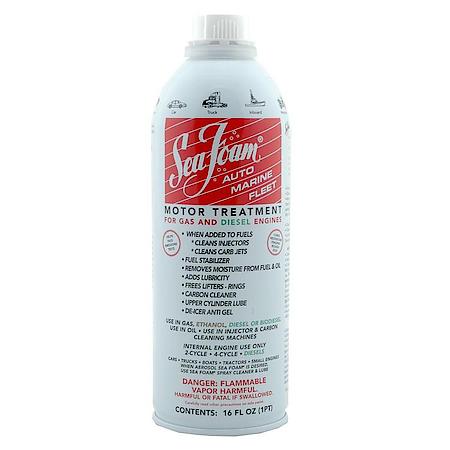
Sea Foam Features
Sea Foam stands out as a popular choice among fuel system cleaners. It offers a range of features that help maintain engine health and improve vehicle performance. This product works by cleaning various engine parts and reducing harmful emissions. Understanding Sea Foam’s key features helps users decide if it fits their vehicle care routine.
Fuel System Cleaning
Sea Foam cleans the entire fuel system effectively. It removes deposits from fuel injectors, carburetors, and intake valves. This cleaning helps engines run smoother and prevents clogging. Regular use can improve fuel flow and engine power.
Engine Component Protection
Sea Foam protects engine parts from wear and damage. It lubricates the upper cylinders and prevents rust and corrosion. This protection extends engine life and keeps parts working well. The product also helps reduce engine knocking and rough idling.
Emission Reduction Benefits
Using Sea Foam lowers harmful emissions from the engine. It burns cleaner fuel by removing carbon buildup inside combustion chambers. This results in less smoke and fewer pollutants released. Cleaner emissions help vehicles pass inspections and reduce environmental impact.
Limitations On Converter Cleaning
Sea Foam does not clean the catalytic converter directly. It focuses on parts before the converter, like fuel injectors and valves. While it reduces carbon buildup overall, heavy converter clogs may need specialized cleaners. Users should consider this when choosing a product for converter issues.
Cataclean Features
Cataclean is a popular fuel additive designed to clean various parts of your car’s engine. It targets carbon deposits that build up over time. These deposits affect engine performance and emissions. Cataclean helps restore engine health by reducing these harmful buildups. It works best when added directly to your fuel tank. The cleaner acts on several key areas, improving overall vehicle function.
Catalytic Converter Cleaning
Cataclean helps remove carbon deposits inside the catalytic converter. This device reduces harmful gases from the engine exhaust. Blockages in the converter lower its efficiency. Using Cataclean can clear these blockages gently. It does not require removing the converter for cleaning. Regular use can maintain the converter’s function and prevent costly repairs.
Emission System Improvement
Cataclean improves the entire emission system’s performance. It works on oxygen sensors and fuel injectors. These parts affect how clean your car’s exhaust gases are. By cleaning these components, Cataclean lowers harmful emissions. This helps vehicles pass emission tests. It supports a cleaner environment by reducing pollutants.
Fuel Efficiency Gains
Cataclean can increase fuel efficiency by cleaning the fuel system. Carbon buildup restricts fuel flow and burns fuel unevenly. Removing these deposits helps the engine run smoothly. A cleaner engine uses fuel more efficiently. Drivers may notice better mileage after using Cataclean. This saves money over time on fuel costs.
Potential Side Effects
Some users report rough idling or delayed acceleration after using Cataclean. These effects may occur if deposits loosen suddenly. It can take a few drives for the engine to adjust. Heavy buildup may require repeated treatments for best results. Always follow the product instructions carefully. Consult a mechanic if problems persist after use.
Effectiveness Comparison
Comparing Sea Foam and Cataclean reveals key differences in how each product tackles engine cleaning. Their effectiveness varies based on the type of carbon buildup and the specific engine issues. This section breaks down their performance across several important factors. Understanding these helps choose the right cleaner for your vehicle’s needs.
Mild To Moderate Carbon Buildup
Cataclean targets mild to moderate carbon deposits directly in the catalytic converter. It uses a formula that dissolves soot and other contaminants effectively. Sea Foam, on the other hand, cleans fuel injectors and intake valves. It prevents buildup before it reaches the converter but does not clean the converter itself.
Heavy Deposits Handling
Cataclean may struggle with heavy carbon deposits and might need repeated use. It works best as a preventative or for light cleaning. Sea Foam is not designed for heavy converter deposits but excels at cleaning the overall fuel system. For severe buildup, professional cleaning or specialized products are often necessary.
Impact On Check Engine Light
Cataclean can help clear check engine lights related to emission problems by cleaning sensors and the converter. Sea Foam may reduce issues caused by poor fuel quality, which can indirectly affect engine lights. Neither product guarantees immediate light reset, but consistent use improves emission system health.
Performance Restoration
Cataclean often restores engine performance by improving exhaust flow and sensor function. Users notice smoother idling and better fuel efficiency after treatment. Sea Foam supports performance by cleaning fuel pathways and combustion chambers. It helps maintain engine power but does not directly improve converter efficiency.

Credit: www.youtube.com
Usage And Application
Understanding the usage and application of Sea Foam and Cataclean helps in choosing the right product. Both offer solutions for engine and emission system care, but their methods differ. This section explains how to use each product effectively for best results.
Fuel Tank Additive Process
Both Sea Foam and Cataclean are added directly to the fuel tank. Pour the recommended amount before filling up with fuel. This allows the cleaner to mix well with gasoline or diesel. As the engine runs, the additives work to break down deposits. Cataclean focuses on cleaning the catalytic converter and oxygen sensors. Sea Foam targets fuel injectors, intake valves, and combustion chambers. Use the product as directed on the label for safe and effective results.
Direct Converter Cleaning Methods
Cataclean works primarily by cleaning through the fuel system. It does not require removing the catalytic converter. Sea Foam also cleans indirectly by improving fuel system cleanliness. Neither product is designed for direct application inside the catalytic converter. For heavy carbon buildup, professional cleaning or replacement may be necessary. These products help maintain converter health but are not a quick fix for severe clogs.
Compatibility With Engine Types
Sea Foam suits gasoline and diesel engines. It cleans engine parts and fuel systems in cars, trucks, and motorcycles. Cataclean also fits gasoline and diesel engines. It is mainly used in vehicles with catalytic converters. Check the product label to confirm compatibility with your engine type. Using these cleaners in the right engine ensures better performance and avoids damage.
Safety Precautions
Always follow the instructions on the product label. Avoid skin and eye contact with the liquids. Use gloves and work in a well-ventilated area. Do not mix Sea Foam or Cataclean with other additives. Keep both products away from children and pets. Store them in a cool, dry place. Proper handling ensures safe use and protects your engine and health.
Alternative Cleaning Options
Alternative cleaning options offer different ways to maintain your engine and emission system. These methods can help reduce buildup and improve performance. Some focus on physical removal, while others use chemical additives or professional care. Understanding these alternatives helps you decide the best approach for your vehicle.
Physical Cleaning Techniques
Physical cleaning uses manual methods to remove deposits. This includes cleaning the throttle body, intake valves, and fuel injectors. Tools like brushes and sprays help clear carbon buildup. These methods are often used during routine maintenance. They do not involve adding chemicals to the fuel.
Other Popular Additives
Besides Sea Foam and Cataclean, many additives clean the fuel and emission system. Products like Gumout and Rislone are common choices. Each additive targets different parts of the engine. Some focus on fuel injectors, others on combustion chambers. Using additives regularly can keep the system cleaner longer.
Professional Services
Professional cleaning services provide deep and thorough engine care. Mechanics can perform fuel system cleaning, intake cleaning, and catalytic converter service. These services use specialized equipment and chemicals. Professionals can spot problems early and fix them properly. This option is more expensive but often more effective.
Risks And Considerations
Using any cleaning method has risks. Overuse of additives can harm engine parts. Physical cleaning might cause damage if done incorrectly. Professional services carry higher costs and require time. Always follow product instructions and expert advice. Consider your vehicle’s condition before choosing a method.
Credit: essexrotarystore.com
User Experiences
User experiences provide valuable insight into how Sea Foam and Cataclean perform in real-world conditions. These accounts help potential users decide which product suits their needs best. Feedback varies widely, reflecting different engine types, maintenance habits, and usage patterns.
Many users share detailed stories about their success or challenges with these additives. Understanding common complaints and performance variability can guide expectations. Practical tips from users also help maximize the benefits of each product.
Success Stories
Several drivers report noticeable improvements after using Cataclean. Emissions tests often improve, and some see smoother idling. Sea Foam users praise its ability to clean fuel injectors and reduce smoke. Many notice better throttle response and quieter engines. These successes mostly occur with regular maintenance and moderate buildup.
Common Complaints
Some Cataclean users mention rough idling or delayed acceleration right after treatment. A few say the product did not clear severe carbon buildup. Sea Foam critics point out it does not clean catalytic converters directly. Others feel its effects are slow or subtle. A minority experience increased exhaust smoke temporarily.
Performance Variability
Results differ based on engine condition and usage. Newer cars with mild deposits respond well to both products. Older vehicles with heavy buildup may see limited change. Driving style also affects effectiveness; steady highway driving helps. Users who combine treatments with regular tune-ups report better outcomes.
Recommended Usage Tips
Follow product instructions carefully for best results. Use Cataclean during low fuel levels to allow full tank treatment. Sea Foam works well when added before refueling. Running the engine at highway speeds helps activate cleaning agents. Avoid expecting instant fixes; patience improves benefits over time.
Frequently Asked Questions
What Is The Most Effective Catalytic Converter Cleaner?
The most effective catalytic converter cleaners include Cataclean and Oxycat. They dissolve carbon buildup and improve emissions. Sea Foam cleans the fuel system but works indirectly on converters. For severe clogs, professional cleaning or replacement may be necessary. Always choose cleaners compatible with your engine.
What Is The Difference Between Cataclean And Sea Foam?
Cataclean directly cleans the catalytic converter and emissions system, improving performance. Sea Foam cleans fuel injectors and engine parts but not the converter itself. Cataclean targets emissions more effectively, while Sea Foam focuses on overall engine cleaning and protection.
Does Sea Foam Clean The Catalytic Converter?
Sea Foam cleans fuel system components but does not directly clean the catalytic converter. It helps indirectly by reducing deposits upstream. For heavy converter buildup, specialized cleaners like Cataclean work better. Sea Foam supports emissions but isn’t a direct catalytic converter cleaner.
Is There Anything Better Than Sea Foam?
Sea Foam effectively cleans fuel system components but does not directly clean catalytic converters. Products like Cataclean target converters better. For severe clogs, professional cleaning or replacement works best. Choose based on your vehicle’s needs and clog severity.
What Is The Main Difference Between Sea Foam And Cataclean?
Cataclean directly cleans the catalytic converter; Sea Foam cleans fuel system parts, not the converter itself.
Conclusion
Both Sea Foam and Cataclean offer benefits for engine and emissions care. Cataclean targets the catalytic converter more directly, helping clear mild clogs and improve emissions. Sea Foam works well to clean fuel system parts but does not clean the converter itself.
Choose based on your vehicle’s needs and the type of buildup. Remember, heavy converter damage might need professional repair or replacement. Regular maintenance helps keep your engine running smoothly and reduces pollution. Simple steps and the right cleaner can make a noticeable difference.