

Are you tired of dull, yellowing headlights that reduce your car’s safety and style? Protecting your headlights is easier than you think with Paint Protection Film (PPF).
This clear, tough film acts like a shield, guarding your headlights against scratches, UV damage, and everyday road debris. Imagine keeping your headlights crystal clear and bright for years, enhancing both your night driving and your car’s overall look. Whether you’re a car enthusiast or just want to maintain your vehicle’s value, understanding how PPF on headlights works can save you time and money.
Keep reading to discover how this simple solution can transform your driving experience and protect your investment.
Benefits Of Headlight Ppf
Headlight Paint Protection Film (PPF) offers several key benefits that keep your vehicle looking newer for longer. This clear film acts as a shield, guarding headlights against daily wear and tear. It preserves the brightness and clarity of the lights, improving safety and style.
Applying PPF on headlights helps avoid common problems like scratches, yellowing, and stains. It also supports maintaining your vehicle’s value by keeping headlights in top condition. Below are the main benefits of using headlight PPF.
Protection From Damage
Headlight PPF forms a strong barrier against scratches and chips. Small stones and road debris often hit headlights, causing visible damage. The film absorbs these impacts, preventing direct harm to the lens. It helps keep headlights clear and intact for years.
Prevention Of Yellowing
UV rays cause headlights to yellow and fade over time. PPF blocks these harmful rays from reaching the plastic surface. This protection stops the yellowing process early. Your headlights stay bright and white, improving night visibility and curb appeal.
Maintaining Clarity
Clear headlights are essential for safe driving. Dirt, oxidation, and weather can cloud headlight lenses. PPF keeps the surface smooth and transparent. It preserves the factory clarity so your lights shine as they should.
Resistance To Stains
Road grime, bugs, and chemicals can leave stains on headlights. The protective film resists these contaminants, making cleanup easier. Stains do not bond strongly to the film, so washing off is quick and simple.
Preserving Vehicle Value
Well-maintained headlights add to a vehicle’s resale value. Scratched or yellowed lights reduce appeal and cost. Using headlight PPF helps maintain a like-new look. This care shows the vehicle has been protected, attracting buyers and higher offers.
Credit: ceramicpro.com
Materials And Types Of Ppf
Paint Protection Film (PPF) for headlights uses advanced materials designed for durability and clarity. These films come in various types to meet different protection needs. Each type offers unique benefits, including transparency, self-healing capabilities, and UV resistance. Understanding the materials and types helps in choosing the right film for your vehicle’s headlights.
Transparent Films
Transparent films provide clear protection without changing the headlight’s look. They are made from high-quality polyurethane or similar materials. These films remain invisible while guarding against scratches and chips. Their clarity keeps headlights bright and sharp. Transparency is crucial to avoid dimming or altering light output.
Self-healing Properties
Some PPF types have self-healing features. This means minor scratches disappear over time. The film contains special polymers that react to heat. Warm sunlight or mild heat smooths out small marks automatically. This keeps headlights looking new longer. Self-healing extends the life of the film and reduces maintenance.
Uv Resistance Features
UV resistance is a key feature in headlight PPF. It protects headlights from harmful sun rays that cause yellowing and fading. Films with UV blockers keep the plastic clear and bright. This prevents oxidation and extends the headlight’s lifespan. UV-resistant films maintain the original appearance of headlights.
Installation Process
Installing paint protection film (PPF) on headlights improves their durability and look. The process requires care and precision to avoid bubbles and wrinkles. Proper installation ensures the film fits perfectly and protects the headlights from damage. Below are the key steps in the installation process.
Cleaning And Preparation
Start by cleaning the headlight surface thoroughly. Remove dirt, dust, and grease using a mild cleaner. Dry the surface completely to ensure the film sticks well. A clean surface prevents bubbles and peeling later.
Applying Slip Solution
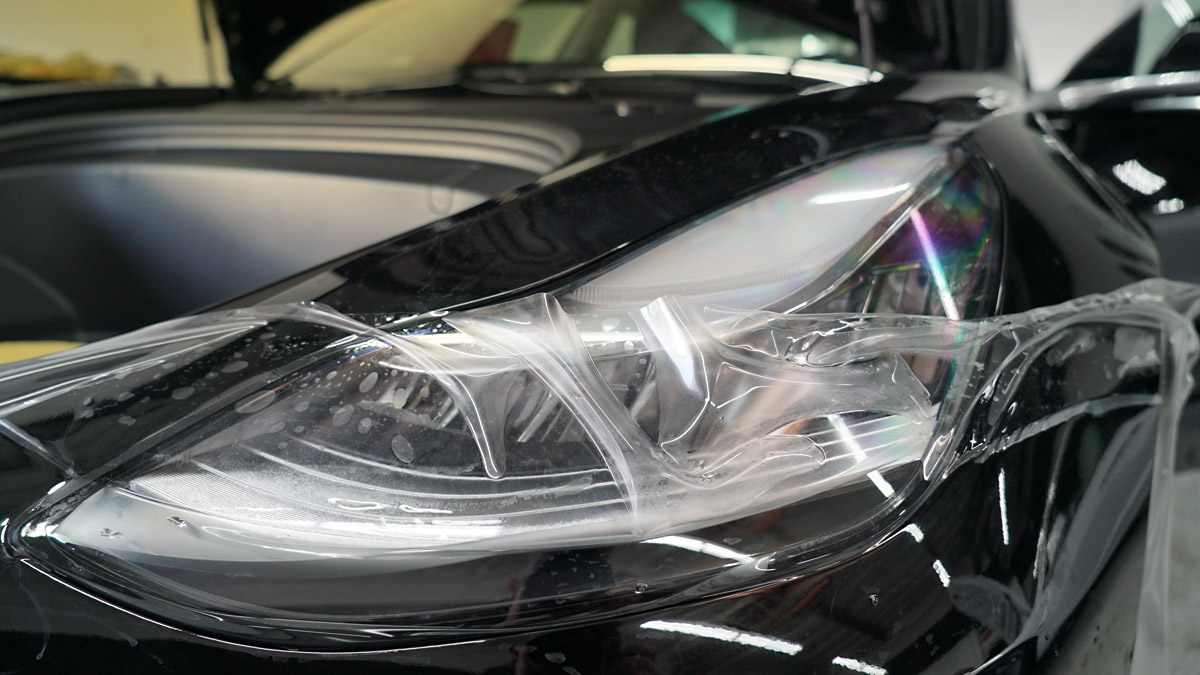
Spray a slip solution on the headlight and the adhesive side of the film. This solution allows easy positioning of the film. It also helps remove air bubbles under the film during application.
Positioning The Film
Place the film carefully over the headlight. Align it to cover all curves and edges. The slip solution helps to move the film slightly until it fits perfectly. Take time to avoid wrinkles.
Removing Air Bubbles
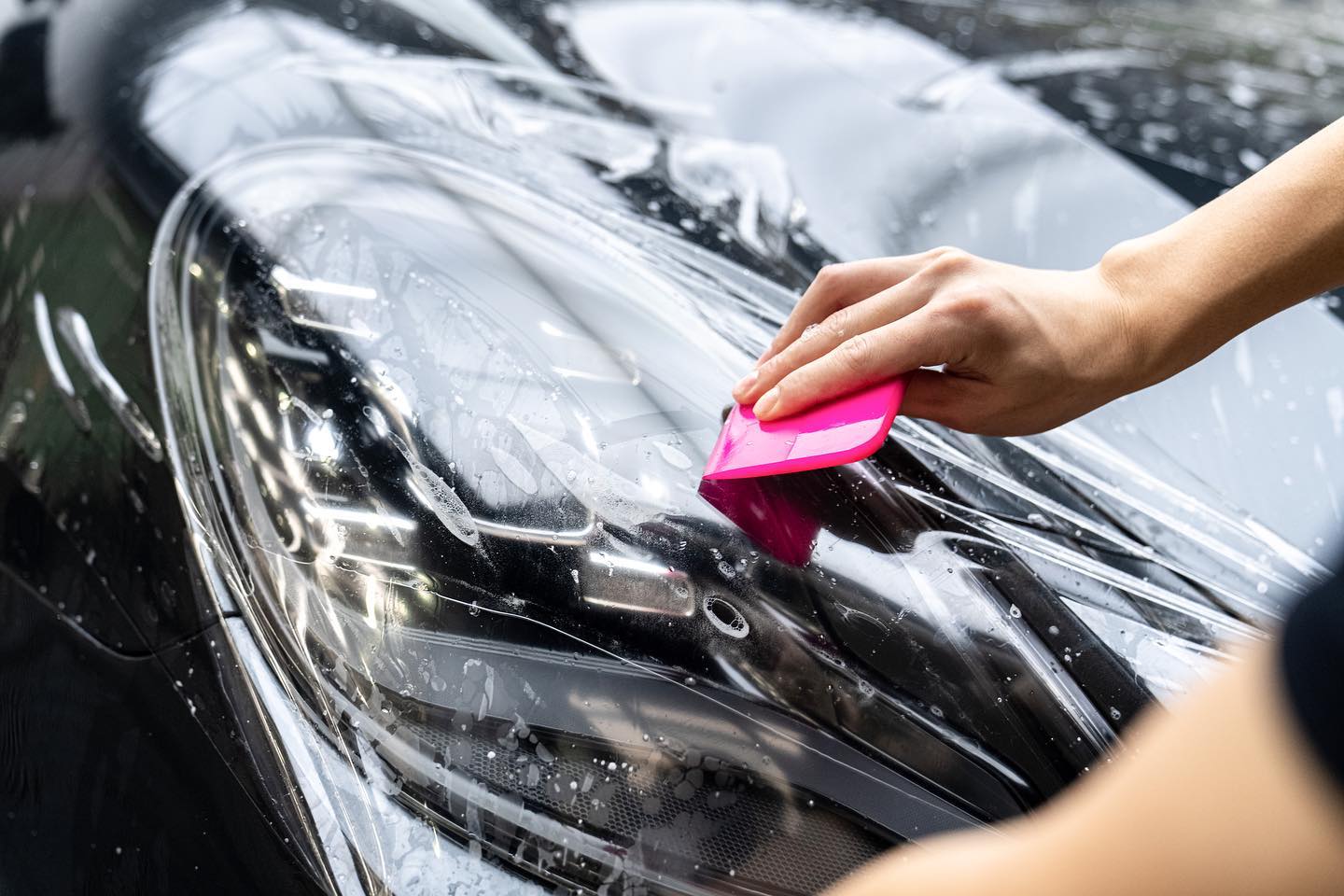
Use a squeegee to push out air bubbles from under the film. Start from the center and move towards the edges. This step is important to prevent peeling and to keep a smooth finish.
Trimming Excess Film
Trim any extra film around the edges of the headlight. Use a sharp blade and cut carefully to avoid damaging the light or the film. Proper trimming gives a clean, seamless look.
Heat-sealing Edges
Apply gentle heat to the edges of the film using a heat gun. This seals the film firmly to the headlight. Heat also helps the film conform to curved surfaces and increases durability.
Professional Vs Diy Installation
Applying PPF on headlights offers strong protection and improves vehicle appearance. Choosing between professional and DIY installation affects the outcome. Each method has clear benefits and challenges. Understanding these helps decide the best approach for your car.
Advantages Of Professional Installation
Professionals use high-quality tools and techniques for perfect results. They ensure the film fits precisely and lasts longer. Their work reduces bubbles, wrinkles, and peeling risks. Experts clean and prepare headlights thoroughly before applying the film. This prevents dirt or dust from causing defects. Professionals also offer warranties, giving peace of mind. The installation is quicker and less stressful for car owners. Professionals know how to handle complex headlight shapes and curves.
Diy Tips And Tools
Start with a clean, dry, and cool headlight surface. Use a spray bottle with soapy water to help position the film. A squeegee removes air bubbles and excess water. Sharp scissors or a utility knife trim the film carefully. Work slowly and use gentle pressure to avoid damage. Keep a microfiber cloth handy for cleaning edges. Choose a high-quality PPF kit designed for headlights. Watch tutorial videos to learn proper steps. Practice on small areas to gain confidence before full application.
Common Mistakes To Avoid
Do not rush the installation process; take your time. Avoid applying PPF on dirty or oily headlights. Skipping surface preparation leads to poor adhesion and bubbles. Cutting film too early or unevenly causes gaps or overlaps. Using too much water reduces the film’s stickiness. Ignoring edges and corners results in peeling over time. Applying film under direct sunlight causes quick drying and wrinkles. Removing protective layers too soon damages the film. Not smoothing air bubbles can trap dirt and cause cloudiness.
Durability And Lifespan
Paint Protection Film (PPF) on headlights offers more than just a clear, glossy look. It provides a shield that extends the life of your headlights by protecting them from damage. Understanding the durability and lifespan of PPF helps car owners make smart decisions about maintenance and replacement.
Expected Longevity
Most headlight PPF lasts between 5 to 10 years. This range depends on the type of film used and the quality of installation. High-quality films with strong UV resistance tend to last longer. Proper care and gentle cleaning also help extend the film’s life. Over time, the film may lose its clarity but still protect the surface beneath.
Factors Affecting Durability
Several factors influence how long PPF remains effective on headlights. Exposure to harsh sunlight breaks down the film faster. Road debris, dirt, and chemicals can cause scratches and wear. Poor installation leads to bubbles and peeling, reducing durability. Regular washing with mild soap and avoiding abrasive materials preserves the film. Climate and driving habits also play a role in film lifespan.
When To Replace Ppf
Replace the film if you notice yellowing, peeling, or cloudiness. These signs mean the film no longer protects well or looks good. Cracks or tears expose the headlights to damage. If headlights appear dull even after cleaning, it is time for new PPF. Timely replacement keeps headlights clear, safe, and visually appealing.
Legal And Safety Aspects
Applying paint protection film (PPF) on headlights offers clear benefits, but legal and safety aspects must be considered. Laws vary by location and affect how much tint or film you can use. Safety is also crucial, as headlights must provide enough light for safe driving. Understanding these factors helps avoid penalties and keeps roads safer.
Headlight Tinting Laws
Headlight tinting laws differ by state and country. Some places ban any tint on headlights. Others allow light tint if it does not reduce brightness. Austin, Texas, follows strict rules on headlight visibility. Non-compliance can lead to fines or failed vehicle inspections. Always check local regulations before applying PPF or tint.
Safety Considerations
Headlights must shine bright enough to see clearly at night. Dark or thick tint can reduce light output. This increases risk of accidents by lowering your visibility. PPF should be transparent and not block or distort light beams. Proper installation ensures headlights work as intended. Safe headlights protect you and other drivers on the road.
Avoiding Legal Issues
Choose PPF products that meet legal standards for light transmission. Avoid dark or colored films that could trigger legal trouble. Keep documentation of your PPF purchase and installation. This helps prove compliance during vehicle checks. Regularly inspect headlights to ensure film remains intact and clear. Follow local laws to drive legally and safely with PPF on headlights.
Maintenance And Care
Proper maintenance and care are essential to keep paint protection film (PPF) on headlights effective. Regular attention helps the film last longer and maintain its protective qualities. Small efforts can prevent damage and preserve the clear look of your headlights.
Understanding how to clean, repair, and maintain optical clarity will ensure your PPF stays in top condition. Follow these simple steps for easy upkeep.
Cleaning Tips
Clean your headlights gently using a soft cloth or sponge. Use mild soap mixed with water to avoid damaging the film. Avoid harsh chemicals and abrasive materials that can scratch or weaken the PPF. Rinse thoroughly with water and dry with a microfiber towel to prevent water spots.
Repairing Minor Damage
Minor scratches or scuffs can happen despite protection. Use a plastic polish designed for PPF to gently buff out light damage. For small tears or lifting edges, apply a PPF repair kit or consult a professional for best results. Quick repairs prevent further peeling or dirt buildup under the film.
Maintaining Optical Clarity
Keep your headlights clear by avoiding direct sunlight for long periods after cleaning. Wax or sealant products made for PPF can help maintain shine and clarity. Avoid pressure washing directly on the film edges to prevent lifting. Regular care preserves the brightness and safety of your headlights.
Credit: teckwrap.com
Cost And Value
Understanding the cost and value of PPF on headlights is essential before making a decision. This protective film shields headlights from damage and yellowing. It keeps your headlights looking clear and new for longer. The price varies based on quality, size, and installation method. It is important to weigh the cost against the benefits to see if it fits your budget and needs.
Price Range
The price of headlight PPF usually falls between $50 and $150 per headlight. Professional installation may add $100 to $200 more to the total cost. DIY kits are cheaper but need careful handling. Premium brands may charge higher prices due to better durability and warranty. Choosing the right option depends on your budget and how much protection you want.
Value For Money
Headlight PPF offers strong value by preventing costly repairs. It protects against scratches, chips, and UV damage. This saves money on headlight replacements or polishing. The film also keeps headlights clear, improving night driving safety. Investing in quality film ensures long-lasting protection. Overall, it offers good protection at a reasonable cost.
Impact On Resale
Well-maintained headlights increase a vehicle’s resale value. PPF helps keep headlights in excellent condition. Clear, undamaged headlights make the car look newer and well cared for. Buyers often notice headlight condition when choosing a used car. Protecting headlights with PPF can lead to a higher resale price. It shows you took good care of your vehicle.

Credit: carspecialistcustoms.co.uk
Frequently Asked Questions
How Long Does Headlight Ppf Last?
Headlight PPF typically lasts 5 to 7 years with proper care. It protects against UV rays, scratches, and yellowing. Regular cleaning extends its lifespan and maintains clarity. Professional installation ensures maximum durability and effectiveness.
Does Headlight Ppf Prevent Yellowing?
Yes, headlight PPF prevents yellowing by blocking UV rays and environmental contaminants. It maintains clarity and protects headlights from oxidation.
Is It Legal To Put Film On Headlights?
Laws on headlight film vary by location. Many regions prohibit dark tints that reduce visibility. Clear protective film is usually legal. Check local regulations before applying film to headlights to avoid fines or inspection issues.
How To Put Protective Film On Headlights?
Clean headlights thoroughly to remove dirt and oils. Spray slip solution on both film and headlight. Position the film carefully. Use a squeegee to press out bubbles and secure the film. Trim excess film for a neat finish. Let it dry completely before driving.
Conclusion
Applying PPF on headlights protects them from scratches and UV damage. It keeps headlights clear and bright for safer night driving. This film helps prevent yellowing and maintains a fresh look longer. Easy to install, it suits both new and restored headlights.
Using PPF preserves your vehicle’s appearance and value over time. A simple step that offers lasting protection and peace of mind.