

If you drive a Mini Cooper, you know it’s a fun and stylish ride. But what happens when your car starts showing strange vibrations, noises, or trouble shifting gears?
These can be signs of flywheel problems—a common but often overlooked issue that can lead to costly repairs if ignored. You might notice clutch chatter, grinding sounds, or even a burning smell coming from your vehicle. Wondering if your Mini Cooper’s flywheel is the culprit?
You’ll discover the key symptoms to watch for, what causes these problems, and how to address them before they turn into bigger headaches. Keep reading to protect your car and keep it running smoothly.
Flywheel Function
The flywheel plays a vital role in your Mini Cooper’s engine system. It connects the engine to the transmission. This connection helps transfer power smoothly. The flywheel also stores energy during engine operation. It balances engine speed and reduces vibrations. Understanding its function helps identify flywheel problems early.
Role In Engine Performance
The flywheel ensures steady engine rotation. It keeps the engine running smoothly between power strokes. Without it, the engine would jerk and stall. The flywheel also helps start the engine. It connects with the starter motor to turn the engine over. A damaged flywheel can cause rough idling and difficulty shifting gears. Proper flywheel function is critical for smooth driving.
Types Of Flywheels
Mini Coopers mostly use two types of flywheels: solid and dual mass. Solid flywheels are one-piece and heavy. They provide a firm connection but may transfer more vibration. Dual mass flywheels have two parts connected by springs. They absorb vibrations better for a smoother ride. Each type has its pros and cons. Knowing your Mini Cooper’s flywheel type helps diagnose problems.

Credit: gilesgatetestcentre.co.uk
Common Symptoms
Mini Cooper flywheel problems show clear signs that you can notice early. These symptoms affect driving comfort and vehicle performance. Recognizing them helps avoid costly repairs and keeps your car running smoothly.
Common symptoms include unusual vibrations, noises, gear shifting troubles, and strange smells. Each symptom points to specific flywheel issues that need attention.
Vibrations And Noise
Vibrations often appear when the flywheel is damaged or worn out. You may feel shaking in the clutch pedal, steering wheel, or seat while idling. Clutch chatter or judder happens when releasing the clutch from a stop. Grinding or whining sounds from the starter or rattling noises from the transmission can also occur. These noises may stop when pressing the clutch pedal. Rough engine idle or stalling may happen with a faulty flywheel.
Gear Shifting Issues
Difficulty shifting gears is a common flywheel symptom. A warped flywheel can cause clutch and shifter problems. Gear slipping feels like the engine revs but the car does not speed up properly. Clutch drag happens when the clutch does not fully disengage even when the pedal is pressed. This makes gear changes rough and unreliable.
Burning Smell And Starting Problems
A burning smell near the clutch area signals excessive friction and heat, often caused by flywheel damage. This smell is similar to burnt toast and should not be ignored. Starting problems may include grinding noises when turning the key or failure to start. These issues usually result from worn or broken teeth on the flywheel’s ring gear.
Causes Of Flywheel Problems
The flywheel in a Mini Cooper plays a crucial role in the car’s performance. It connects the engine to the transmission and helps transfer power smoothly. Problems with the flywheel often cause driving issues and can lead to costly repairs. Understanding the causes of flywheel problems can help you spot issues early and maintain your vehicle better.
Wear And Tear
Flywheels experience constant friction and heat. Over time, this causes the surface to wear down. The flywheel may develop cracks or hot spots. These defects lead to vibrations and clutch slipping. Regular driving, especially in stop-and-go traffic, speeds up wear and tear. Without timely replacement, the flywheel can fail completely.
Dual Mass Flywheel Failures
Many Mini Coopers use a dual mass flywheel (DMF) to reduce vibration. The DMF has two parts connected by springs. These springs absorb engine shocks. Over time, springs can weaken or break. The flywheel’s internal parts may also wear out. When this happens, it causes noise, clutch chatter, and harsh gear changes. DMF failure is a common issue in older Mini Coopers.
Impact Of Aftermarket Parts
Aftermarket flywheels or clutches may not match the original quality. Using cheaper parts can cause early wear or damage. Some aftermarket flywheels are lighter but less durable. This can lead to rough engine idle or stalling. Poorly made parts might not fit correctly, causing vibrations and noise. Choosing quality parts is essential to avoid flywheel problems.
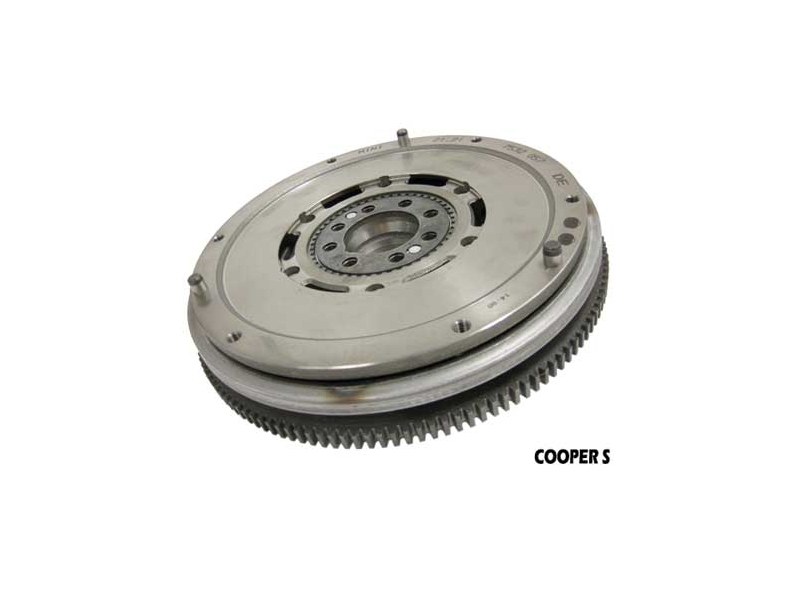
Credit: www.minimania.com
Diagnosis Techniques
Mini Cooper flywheel issues require timely repair to avoid further damage. Several repair options exist, depending on the flywheel’s condition. Choosing the right method ensures smooth engine performance and extends vehicle life.
Flywheel Resurfacing
Flywheel resurfacing removes minor damage on the flywheel surface. It fixes small cracks, heat spots, and warping. This process restores a smooth surface for clutch engagement. Resurfacing saves money compared to full replacement. Not all flywheels can be resurfaced. Deep cracks or severe wear need other solutions.
Flywheel Replacement
Replacing the flywheel is necessary for severe damage or wear. A new flywheel eliminates persistent vibration and noise problems. Replacement ensures proper clutch function and engine start-up. This repair is more costly but guarantees reliability. Installation must be precise to avoid future issues.
Clutch System Maintenance
Maintaining the clutch system helps prevent flywheel problems. Regular inspection of clutch components detects wear early. Replacing worn clutch plates reduces stress on the flywheel. Proper clutch adjustment improves shifting and reduces noise. Routine maintenance prolongs the life of both clutch and flywheel.
Repair Options
Preventive measures help avoid Mini Cooper flywheel problems. These steps save time and money. Regular care keeps the flywheel and clutch working well. Early action can stop small issues from growing. Using good parts also extends the life of your vehicle’s flywheel system.
Regular Maintenance Tips
Check the clutch and flywheel during routine service visits. Keep the transmission fluid clean and at the right level. Replace worn clutch parts quickly to prevent damage to the flywheel. Avoid riding the clutch pedal to reduce wear. Schedule inspections every 12,000 miles or as recommended.
Signs To Watch For Early
Notice vibrations or shaking when the engine idles or you press the clutch. Listen for grinding, clunking, or rattling noises near the transmission. Feel for clutch pedal chatter or difficulty shifting gears. Watch for a burning smell near the clutch area. These signs indicate flywheel issues needing attention.
Choosing Quality Parts
Select flywheels and clutch kits from trusted brands. Avoid cheap or low-quality parts that wear out fast. Use parts designed specifically for Mini Cooper models. Quality parts fit better and last longer. Investing in good components helps prevent frequent repairs and flywheel failures.
Preventive Measures
The Mini Cooper has unique flywheel issues that affect its performance. These problems often relate to the car’s design and specific mechanical parts. Knowing these helps owners spot trouble early and avoid costly repairs.
Mini Coopers use a dual mass flywheel, which can wear out faster than standard ones. This leads to vibrations, noises, and clutch problems. Understanding the root causes can save time and money.
Timing Chain And Transmission Concerns
The timing chain in Mini Coopers can stretch or fail. This causes poor engine timing, affecting the flywheel’s function. Transmission issues also arise from flywheel wear.
Worn flywheels cause slipping between the engine and transmission. This results in hard gear changes and unusual noises. Early repairs prevent transmission damage.
Common Mechanical Failures
Flywheel problems often cause clutch chatter and vibrations. The dual mass flywheel may develop cracks or warping. These failures lead to rough idling and stalling.
Worn flywheels also cause clutch drag, where the clutch does not disengage fully. This damages the clutch and makes driving difficult. Regular checks catch these issues early.
Electrical System Effects
Flywheel damage can affect the starter motor and sensors. Broken flywheel teeth cause grinding noises during starting. Faulty signals from the flywheel sensor lead to poor engine performance.
Electrical issues caused by flywheel problems may trigger warning lights. This can confuse drivers and delay repairs. A proper diagnosis ensures all related systems work well.

Credit: atlanticmotorcar.com
Frequently Asked Questions
How Do You Know If You Have A Flywheel Problem?
You have a flywheel problem if you notice vibrations, grinding noises, difficulty shifting gears, clutch chatter, or a burning smell.
What Is The Most Common Problem With Mini Coopers?
The most common problem with Mini Coopers is timing chain failure, causing engine rattling and potential severe damage.
How Much Is A Flywheel For A Mini?
A Mini Cooper flywheel typically costs between $200 and $500, depending on the model and parts quality. Labor fees may increase total expenses.
What Year Of Mini Cooper To Stay Away From?
Avoid 2012-2014 Mini Cooper models due to frequent dual-mass flywheel and transmission issues causing vibrations and gear problems.
What Are Common Symptoms Of Mini Cooper Flywheel Problems?
Symptoms include vibrations, grinding noises, clutch chatter, gear slipping, burning smells, and rough engine idle.
Conclusion
Mini Cooper flywheel problems cause noticeable issues while driving. You may feel vibrations or hear strange noises. Shifting gears can become difficult or jerky. A burning smell near the clutch is a warning sign. Ignoring these symptoms can lead to bigger repairs.
Early attention helps keep your car running smoothly. Always check the flywheel if you notice any clutch trouble. Taking care of this part protects your Mini Cooper’s performance.