

If you own a Mercedes with BlueEFFICIENCY technology or are thinking about buying one, you need to know about the common problems that might affect your car’s performance. BlueEFFICIENCY promises better fuel economy and lower emissions, but it also comes with some specific issues that can catch you off guard.
From fuel injector troubles to clogged filters and sensor failures, these problems can impact your driving experience and maintenance costs. You’ll discover what to watch out for and how to tackle these challenges, helping you keep your Mercedes running smoothly and efficiently.
Keep reading to protect your investment and enjoy the benefits of BlueEFFICIENCY without the headaches.

Credit: www.youtube.com
Blueefficiency Overview
Mercedes BlueEFFICIENCY is a technology package designed to improve fuel efficiency and lower emissions. It combines advanced engine tweaks with smart aerodynamics and energy-saving features. This system helps drivers reduce fuel costs and environmental impact.
By focusing on cleaner and more efficient performance, BlueEFFICIENCY supports eco-friendly driving. It fits well with the modern push towards sustainability in the automotive world.
Fuel Economy Benefits
BlueEFFICIENCY improves fuel economy by optimizing engine performance. It uses start-stop systems that shut off the engine at traffic lights. This saves fuel during idle times.
Low rolling resistance tires reduce friction with the road. Lightweight materials decrease the car’s weight, helping the engine use less fuel. Together, these features lower overall fuel consumption.
Emission Reduction Features
The system includes advanced emission controls to reduce harmful gases. It uses improved catalytic converters and exhaust gas recirculation to cut nitrogen oxide (NOx) emissions. Diesel models have special filters to trap soot particles.
BlueEFFICIENCY also uses AdBlue injection in diesel engines to break down pollutants. Sensors constantly monitor emissions to keep the system working well. This technology helps meet strict environmental regulations worldwide.
Engine And Fuel System Issues
The Mercedes BlueEFFICIENCY models aim to offer better fuel economy and lower emissions. However, some owners report engine and fuel system issues. These problems can affect performance and fuel efficiency. Understanding common faults helps maintain your vehicle properly.
This section covers key engine and fuel system concerns in BlueEFFICIENCY vehicles. Pay attention to symptoms like rough running, slow acceleration, or oil leaks. Early detection can prevent costly repairs and keep your car running smoothly.
Fuel Injector Problems
Fuel injectors in BlueEFFICIENCY diesel engines can cause trouble. Faulty injectors lead to uneven engine running and hesitant acceleration. Some models use Delphi injectors, which may have supply delays for replacements. Regular checks help catch injector faults early.
Clogged Fuel Filters
Fuel filters trap dirt before fuel reaches the engine. Over time, these filters can clog and reduce fuel flow. This results in lower fuel efficiency and poor engine performance. Changing fuel filters as recommended avoids this issue.
Oil Leaks And Causes
Oil leaks are common in BlueEFFICIENCY engines. Leaks often come from the valve cover gasket, oil cooler seals, or rear main seal. Ignoring leaks can lead to low oil levels and engine damage. Inspect seals regularly to prevent leaks.
Engine Failure Risks
Ignoring fuel system or oil problems can increase engine failure risks. Poor fuel delivery and oil loss cause engine wear and overheating. Timely maintenance reduces the chance of costly engine repairs or replacements. Watch for warning signs and act quickly.
Emission And Exhaust System Challenges
Mercedes BlueEFFICIENCY models focus on reducing emissions and improving fuel economy. Yet, their emission and exhaust systems face several challenges. These issues can affect vehicle performance and increase maintenance costs. Understanding these common problems helps owners maintain their cars better.
Adblue System Faults
The AdBlue system reduces harmful nitrogen oxide emissions. Faults in this system often trigger warning lights on the dashboard. Problems include injector blockages or faulty sensors. When the AdBlue system fails, the vehicle may enter limp mode. Regular checks of the AdBlue fluid level help avoid these faults.
Diesel Particulate Filter Clogging
The Diesel Particulate Filter (DPF) traps soot from exhaust gases. Over time, the DPF can clog with soot and ash. A clogged DPF reduces engine power and fuel efficiency. Frequent short trips prevent the filter from regenerating properly. Cleaning or replacing the DPF is necessary if clogging persists.
Nox Sensor Failures
NOx sensors monitor nitrogen oxide levels in the exhaust. These sensors help the engine control system reduce emissions. Sensor failure leads to incorrect readings and engine warning lights. Faulty NOx sensors can cause increased fuel consumption. Replacing bad sensors restores proper emission control.
Egr Valve Blockages
The Exhaust Gas Recirculation (EGR) valve lowers combustion temperatures. Carbon deposits can block the EGR valve over time. A blocked EGR valve causes rough idling and loss of power. Cleaning the valve regularly prevents buildup and maintains performance. Severe blockages may require valve replacement.

Credit: fergies.co.uk
Transmission And Suspension Concerns
Transmission and suspension systems are vital for a smooth and safe drive in Mercedes BlueEFFICIENCY models. Some owners report issues affecting ride comfort and vehicle control. These concerns can impact daily driving and long-term reliability.
Paying attention to warning signs early helps prevent costly repairs and keeps your car performing well.
Automatic Transmission Noises
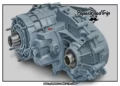
Automatic transmission noises often indicate wear or damage inside the gearbox. Common sounds include whining, clunking, or grinding during shifts. These noises may signal low transmission fluid or worn bearings.
Ignoring these sounds can lead to transmission failure. Regular fluid checks and timely servicing reduce risks. Some BlueEFFICIENCY models experience rough shifting or delayed gear engagement. These issues affect acceleration and fuel efficiency.
Airmatic Air Suspension Failures
The AIRMATIC air suspension system offers a smooth ride and adjustable height. Failures in this system cause uneven ride height or a bouncy feel. Common problems include leaking air springs or faulty compressors.
A failed suspension can trigger warning lights and reduce driving comfort. Repairs often involve replacing air bags or compressors. Regular inspections help detect leaks or compressor issues early.
Electrical And Sensor Problems
Mercedes BlueEFFICIENCY models rely heavily on electronic systems and sensors to optimize fuel economy and reduce emissions. These components must work precisely. Electrical and sensor problems can cause performance issues and trigger warning lights. Understanding common faults can help maintain your vehicle’s reliability and efficiency.
Maf Sensor Malfunctions
The Mass Air Flow (MAF) sensor measures air entering the engine. It helps control fuel injection for better efficiency. Malfunctions cause incorrect air-fuel mixture. This leads to rough idling, stalling, and poor acceleration. Dirty or faulty MAF sensors are common causes. Cleaning or replacing the sensor often fixes these issues. A bad MAF sensor can also increase emissions and reduce fuel economy.
Warning Light Triggers
Electrical faults and sensor errors often trigger dashboard warning lights. The check engine light is the most frequent. It signals a problem that needs diagnosis. Faulty sensors like oxygen, NOx, or MAF sensors often cause these alerts. Ignoring warning lights can lead to engine damage or higher repair costs. Early detection and repair help keep the BlueEFFICIENCY system working properly.
Exterior And Miscellaneous Issues
The exterior of Mercedes BlueEFFICIENCY models shows some common issues. These problems can affect the look and function of the car. Keeping an eye on these helps maintain the vehicle’s value and safety. Many owners report minor but annoying issues outside the engine and fuel system. These include problems with lighting and other small parts.
Headlamp Condensation
Headlamp condensation is a frequent issue in BlueEFFICIENCY cars. Moisture builds up inside the headlight housing. This reduces light output and may cause foggy lenses. Condensation happens due to poor seals or cracks in the headlight unit. It can also occur after heavy rain or car washes. Owners often notice water droplets inside the headlamp. This issue affects night driving safety and car appearance. Fixing headlamp condensation usually requires replacing seals or the entire headlight.
Common Recalls To Watch
Mercedes has issued recalls for some BlueEFFICIENCY models due to exterior and miscellaneous faults. These recalls cover problems like faulty door locks and window regulators. Some cars have issues with sunroof leaks or faulty fuel caps. Recalls help owners fix these defects free of charge. Checking for recalls is important before buying a used BlueEFFICIENCY model. Regular updates from Mercedes ensure safety and reliability. Owners should visit authorized dealers to address any recall notices promptly.
Repair And Maintenance Tips
Maintaining a Mercedes BlueEFFICIENCY vehicle requires careful attention to specific issues. Regular repair and maintenance help keep the car running smoothly. Following simple tips can prevent bigger problems and costly repairs. Focus on key areas like filters, sensors, oil leaks, and suspension to ensure long-lasting performance.
Timely Filter Cleaning
Filters play a critical role in engine health. Clean fuel and air filters regularly to avoid clogging. Dirty filters reduce fuel efficiency and cause engine strain. Schedule filter checks every 10,000 miles or as recommended. Replace filters if cleaning does not restore performance. This simple step keeps your engine breathing well and running clean.
Sensor Replacement Strategies
Sensors monitor vital functions like emissions and fuel delivery. Faulty sensors trigger warning lights and reduce efficiency. Identify failing sensors early by watching for dashboard alerts. Replace NOx and oxygen sensors promptly to avoid engine damage. Use genuine parts to ensure proper fit and function. Proper sensor care improves fuel economy and lowers emissions.
Preventing Oil Leaks
Oil leaks harm engine performance and can damage other components. Check valve cover gaskets and oil cooler seals for wear. Replace worn gaskets quickly to stop leaks. Inspect rear main seals during routine service. Use quality oil and maintain proper levels. Early detection and repair prevent costly engine repairs and keep your BlueEFFICIENCY running smoothly.
Addressing Suspension Problems
Suspension issues affect ride comfort and vehicle control. Listen for unusual noises or vibrations while driving. Inspect shocks, struts, and bushings regularly for signs of wear. Replace damaged parts to restore handling and safety. Proper suspension maintenance reduces tire wear and improves driving stability. Keep your Mercedes comfortable and safe on every journey.

Credit: www.sinspeed.co.uk
Frequently Asked Questions
Is Mercedes Blueefficiency Good?
Mercedes BlueEFFICIENCY improves fuel economy and reduces emissions, supporting eco-friendly driving. Some diesel models may face injector or DPF issues. Regular maintenance keeps performance reliable and efficient.
Which Mercedes Has The Least Problems?
The Mercedes E-Class, especially models from recent years, has the least problems. It offers strong reliability and fewer costly repairs. Regular maintenance further reduces issues, making it a dependable choice among Mercedes-Benz vehicles.
Which Mercedes Engines Have Timing Chain Problems?
Mercedes M272 and M273 V6 and V8 engines often face timing chain problems. Early M271 four-cylinder engines also show issues. These problems cause rattling noises and engine performance drops. Regular maintenance helps prevent severe damage in these models.
What Was The Worst Year For Mercedes?
The worst year for Mercedes is often cited as 2007 due to frequent engine and transmission issues. Many models faced reliability problems. This year saw numerous complaints about BlueEFFICIENCY diesel engines, timing chains, and air suspension failures, affecting overall vehicle performance and customer satisfaction.
What Common Engine Problems Affect Mercedes Blueefficiency?
Fuel injector faults and oil leaks are common, causing rough running and engine issues.
Conclusion
Mercedes BlueEFFICIENCY models offer good fuel economy but face some issues. Fuel injectors and clogged filters can cause engine problems. Emission parts like the AdBlue system and DPF may fail over time. Sensors such as NOx and EGR valves also need attention to keep the car running well.
Regular maintenance helps prevent costly repairs. Understanding these common problems allows better care for your Mercedes. Stay informed and address issues early to enjoy a smoother driving experience.