If your Kenworth truck’s coolant level warning light keeps flashing even though the reservoir is full, you’re not alone. Many drivers face this frustrating issue where the sensor seems to think you’re out of coolant when you’re not.
This problem can cause unnecessary stress and even risk engine damage if ignored. But what’s really going on with your coolant level sensor? Is it a simple sensor fault, wiring issue, or something more serious like a leak or cooling system failure?
You’ll learn how to identify the common causes behind Kenworth coolant level sensor problems, what steps you can take right now, and when it’s time to call a professional. Keep reading to protect your truck and avoid costly repairs down the road.
Credit: www.wideworldofindoorsports.com
Common Sensor Problems
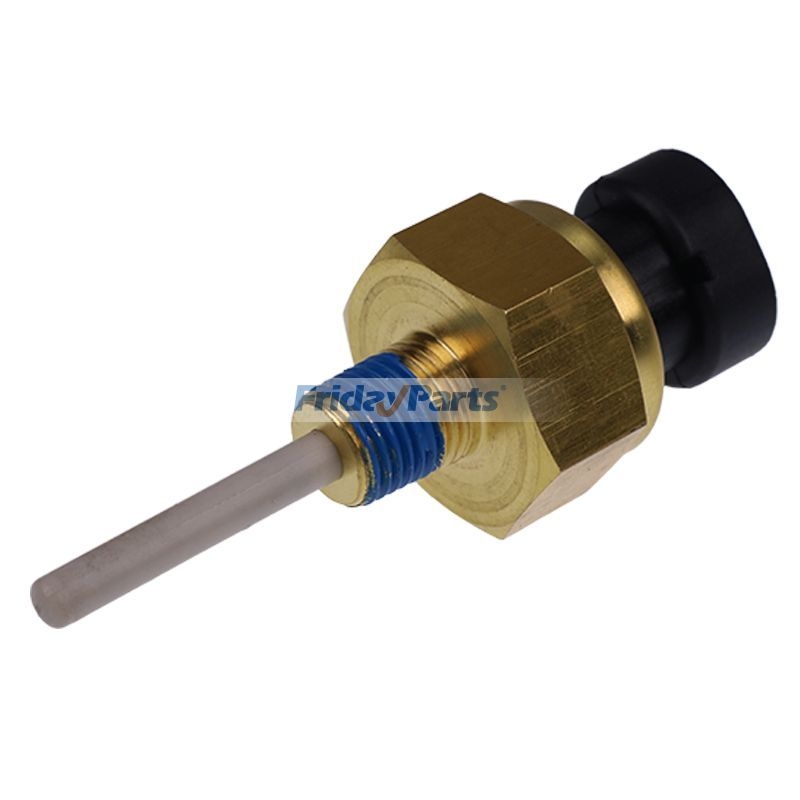
Kenworth coolant level sensors face several common problems that affect truck performance. These sensors monitor coolant levels and alert drivers when levels drop. Sensor issues can cause false warnings or missed alerts. Understanding these common problems helps with quick diagnosis and repair.
Faulty Sensor Symptoms
A faulty coolant level sensor may give incorrect readings. The dashboard warning light might turn on despite full coolant. Sometimes, the light stays off even with low coolant. Sudden changes in coolant level readings can also occur. These symptoms indicate sensor failure or internal defects.
Wiring And Connector Issues
Wiring problems often cause sensor malfunctions. Loose connectors can interrupt sensor signals. Broken or frayed wires stop the sensor from working properly. Poor connections may cause intermittent warnings. Regular inspection of wiring and connectors prevents many sensor problems.
Corrosion And Physical Damage
Corrosion affects sensor terminals and wiring contacts. Coolant leaks or moisture cause rust buildup. Physical damage from impacts can break the sensor housing. Damaged sensors lose accuracy or stop working. Protecting the sensor from harsh conditions extends its life.
Causes Of False Warnings
False warnings from the Kenworth coolant level sensor can confuse drivers. These alerts may show low coolant even if levels are fine. Understanding the common causes helps avoid unnecessary repairs. Several factors can trigger false alarms in the sensor system.
Loose Or Corroded Wiring
Wiring problems often cause false coolant warnings. Loose connections can break the sensor signal. Corroded wires disrupt the electrical flow. Both issues lead to incorrect sensor readings. Inspect wiring regularly to keep signals clear.
Small Or Hidden Coolant Leaks
Minor leaks can lower coolant slowly without visible signs. These leaks reduce pressure and trigger sensor alerts. Check under the truck for puddles or damp spots. Small leaks need quick repair to avoid engine damage.
Air Pockets In Cooling System
Air trapped inside the cooling system affects sensor accuracy. Air pockets change coolant pressure and volume. This causes the sensor to detect low levels falsely. Bleeding the system removes air and restores proper function.
Defective Radiator Cap
A faulty radiator cap fails to hold system pressure. Pressure loss leads to coolant evaporation or boiling. The sensor may interpret this as low coolant. Replace worn caps to maintain system pressure and sensor reliability.
Cooling System Components To Check
The cooling system in a Kenworth truck has many parts. Each part must work well to keep the engine cool. Problems with the coolant level sensor may mean other parts have issues too. Checking key cooling system components helps find hidden problems early. This saves time and prevents big repairs later.
Thermostat Malfunctions
The thermostat controls engine temperature by managing coolant flow. A stuck thermostat blocks coolant, causing overheating. A thermostat that stays open causes the engine to run too cold. Both problems affect sensor readings. Replacing a faulty thermostat restores proper engine temperature and sensor accuracy.
Water Pump Failures
The water pump moves coolant through the engine and radiator. A broken or leaking pump stops coolant flow. This leads to overheating and false low coolant warnings. Listen for unusual noises or check for leaks near the pump. Fixing the water pump ensures steady coolant circulation and sensor reliability.
Clogged Radiator Effects
The radiator cools the hot coolant by air flow. Dirt, debris, or rust can clog radiator fins or tubes. This reduces cooling ability and raises engine temperature. A clogged radiator causes the coolant sensor to give false alerts. Cleaning or replacing the radiator helps maintain engine temperature and sensor function.
Head Gasket Concerns
The head gasket seals the engine block and cylinder head. A blown gasket lets coolant leak into the engine or exhaust. This lowers coolant level and causes overheating. It also confuses the sensor with mixed fluids. Repairing a head gasket leak is critical to restore cooling system health and sensor accuracy.

Credit: www.youtube.com
Quick Troubleshooting Steps
Quick troubleshooting helps identify Kenworth coolant level sensor problems fast. It avoids unnecessary repairs and downtime. Follow these simple steps to check common issues before seeking professional help. Each step targets key areas prone to sensor faults or related cooling system problems.
Allow Engine To Cool Safely
Never open the hood when the engine is hot. Hot coolant can cause serious burns. Wait at least 30 minutes for the engine to cool. This step protects you and prevents damage to engine parts.
Inspect Sensor And Wiring
Check the coolant level sensor for cracks or corrosion. Examine wiring harnesses carefully. Look for loose connections or broken wires. Damaged wires can cause false sensor readings or warning lights.
Look For Leaks Under Vehicle
Place a clean cardboard sheet under the truck overnight. Check for coolant puddles or wet spots in the morning. Leaks may be slow and hard to see during the day. Early leak detection helps avoid engine overheating.
Test Radiator Cap Function
A faulty radiator cap can cause pressure loss in the cooling system. This leads to sensor errors and overheating. Inspect the cap for damage or wear. Replace it if the seal looks cracked or loose.
Consider Professional Diagnostics
If sensor and wiring checks show no problems, seek expert help. Professionals use advanced tools to test the entire cooling system. They can detect hidden faults like thermostat or water pump issues. Timely diagnostics save costly repairs later.
Temporary Fixes And Tricks
Temporary fixes and tricks can help manage Kenworth coolant level sensor problems until you get a permanent repair. These quick solutions reduce false warnings and keep your truck running smoothly. They are simple to do and need basic tools or parts. Use these methods carefully to avoid bigger issues.
Unplugging The Sensor
Unplugging the coolant level sensor stops false alerts from showing on your dashboard. This trick works if the sensor is faulty or sending wrong signals. Locate the sensor wire connector near the coolant reservoir. Gently unplug it to disable the sensor. Your truck will no longer warn about low coolant. Keep in mind, this is only a temporary fix. Check coolant levels manually to avoid overheating.
Paper Clip Bypass Method
The paper clip bypass method tricks the sensor circuit into thinking coolant is at the right level. Straighten a paper clip and insert it into the sensor’s connector pins. This completes the circuit and stops the low coolant warning. It’s a quick and easy fix for sensor faults. Make sure to turn off the engine before trying this. Remove the paper clip before driving long distances or fixing the sensor permanently.
Cleaning Corroded Connectors
Corroded connectors cause poor sensor signals and false warnings. Cleaning the connectors restores good electrical contact. First, turn off the engine and disconnect the sensor. Use a small wire brush or sandpaper to clean the metal contacts. Spray a little electrical contact cleaner to remove dirt and grime. Reconnect the sensor firmly after cleaning. This simple step often solves sensor problems caused by corrosion. Check the connectors regularly to keep them clean and dry.

Credit: jprstudies.org
Preventive Maintenance Tips
Preventive maintenance is essential to avoid Kenworth coolant level sensor problems. Regular care helps detect issues early and keeps your truck running smoothly. Simple checks and timely replacements can prevent costly repairs and downtime.
Regular Coolant Level Checks
Check the coolant level often to ensure it stays within the recommended range. Low coolant can cause the sensor to give false alarms or fail. Always inspect the reservoir when the engine is cold for accurate readings.
Inspect Wiring Routinely
Look over the sensor’s wiring for any signs of damage or corrosion. Loose or broken wires can cause the sensor to malfunction. Clean and secure all connections to maintain proper sensor function.
Replace Faulty Components Early
Swap out any damaged sensors or wires as soon as you notice issues. Delaying replacements can lead to bigger problems and sensor failure. Use quality parts to ensure long-lasting performance.
Keep Cooling System Clean
Remove debris and buildup from the cooling system regularly. A clean system prevents blockages and sensor errors. Flush the coolant as recommended to maintain system health and sensor accuracy.
Frequently Asked Questions
Why Is My Coolant Level Warning Light On But Coolant Is Full?
Your coolant level sensor might be faulty or its wiring loose/corroded. Check the sensor and wiring for damage or disconnections. Also, inspect for hidden leaks, air pockets, or a defective radiator cap affecting the system’s pressure. Seek professional diagnostics if the issue persists.
How Do You Know If Your Coolant Level Sensor Is Bad?
A bad coolant level sensor causes false low coolant warnings despite a full tank. Check for corrosion, damaged wiring, or sensor faults. Persistent alerts may signal leaks, air pockets, or cooling system issues requiring professional inspection.
How Does A Kenworth Coolant Level Sensor Work?
A Kenworth coolant level sensor detects coolant presence in the reservoir using a float or electrical probe. It sends signals to the dashboard alert system if levels drop, helping prevent engine overheating by warning drivers to refill or check the cooling system promptly.
What Will Happen If A Coolant Sensor Is Bad?
A bad coolant sensor can cause false low coolant warnings, engine overheating, and inaccurate temperature readings. This may lead to poor engine performance or damage.
Why Does My Kenworth Coolant Sensor Show Low Coolant?
A faulty sensor or wiring issues often cause false low coolant warnings.
Conclusion
Kenworth coolant level sensor problems can cause false warnings and engine issues. Regularly inspect the sensor and wiring for damage or corrosion. Watch for coolant leaks or unusual engine behavior. Simple checks can prevent costly repairs down the road. Always address warning lights promptly to keep your truck running smoothly.
Staying alert helps avoid unexpected breakdowns and keeps your vehicle safe on the road.