

If you’re searching for a used Jeep Grand Cherokee, you’re not alone. This SUV is popular for its mix of comfort, power, and off-road ability. But not every Grand Cherokee year is a smart choice. Some models have serious problems that can cost you a lot of money and frustration. The best buyers know which years to avoid—and why.
This guide gives you a clear picture of Jeep Grand Cherokee years to avoid, based on real owner complaints, recall data, and expert reviews. You’ll also learn which years are safer bets, common issues to look for, and smart steps to take before you buy. Whether you’re shopping for your first SUV or trading in your current ride, this article helps you avoid expensive mistakes.
Why Some Jeep Grand Cherokee Years Are Risky
Not all Grand Cherokees are built the same. Over the years, Jeep has made big changes to the design, engines, electronics, and safety features. Some years saw new technology rushed to market, and it didn’t always work well. In other cases, cost-cutting led to lower-quality parts that failed early.
Key reasons to avoid certain years include:
- Engine problems (like stalling, ticking, or failure)
- Transmission issues (such as rough shifting or complete breakdown)
- Electrical glitches (touchscreens freezing, random warning lights)
- Safety recalls (airbags, brakes, or fire risks)
- High repair costs and frequent trips to the shop
These problems aren’t just annoying—they can be dangerous or leave you stranded. By focusing on years with a poor track record, you can save yourself money and stress.
The Top Jeep Grand Cherokee Years To Avoid
Let’s look at which model years are most trouble-prone, and what makes them risky.
1. 2011 Jeep Grand Cherokee
The 2011 Grand Cherokee is notorious for its reliability problems. This was the first year of a major redesign, and it came with many new features. Unfortunately, it also brought a wave of issues:
- TIPM failure: The Totally Integrated Power Module (TIPM) controls many systems. Owners report random stalling, fuel pump problems, and electrical glitches linked to this part.
- Engine stalling: Many drivers say the engine cuts out suddenly, sometimes at highway speeds.
- Transmission jerking: Rough shifting and delayed engagement are common.
The 2011 model has over 2,000 complaints on car review sites and multiple recalls. Repairs for electrical problems can run over $1,000, and sometimes the only fix is a full TIPM replacement.
2. 2012 Jeep Grand Cherokee
The next year didn’t get much better. The 2012 Grand Cherokee inherited many of the same issues:
- Electrical failures: Problems with the TIPM, power windows, and door locks continue.
- Air suspension failure: The Quadra-Lift air suspension can stop working, leading to a bumpy ride and expensive repairs (often over $1,500).
- Engine stalling and misfires: Still a big complaint.
This year also saw several recalls for fuel pump relays and airbags. The high cost of fixing the air suspension is a big concern for used buyers.
3. 2014 Jeep Grand Cherokee
The 2014 model introduced a new 8-speed automatic transmission and a redesigned Uconnect infotainment system. These upgrades sounded good, but they caused headaches:
- Uconnect glitches: The touchscreen can freeze or reboot while driving, sometimes losing navigation or audio.
- Transmission problems: Harsh shifting, hesitation, and unintentional gear changes are common.
- Brake issues: Some owners report “soft” brake pedals or early wear.
There were also recalls for the alternator (which could fail and cause a fire) and the automatic transmission shifter (confusing enough to cause rollaway accidents). Repair bills for the transmission can reach $4,000 or more.
4. 2005 Jeep Grand Cherokee
The 2005 year marked a new generation and brought many first-year issues:
- Electrical gremlins: Random warning lights, stalling, and starter failures.
- Transmission failure: Many owners report breakdowns before 100,000 miles.
- Window regulator problems: Power windows may stop working.
While these SUVs are now older, their reputation for electrical and drivetrain problems means they’re best avoided unless you get one with full service records and recent repairs.
5. 2015 Jeep Grand Cherokee
The 2015 model continued to suffer from lingering electrical and transmission bugs:
- Uconnect freezing: Infotainment system locks up, sometimes disabling climate controls and navigation.
- Transmission shifts: Rough or “clunky” gear changes can make driving uncomfortable.
- Diesel engine recall: Some models had emissions system issues, leading to expensive fixes.
While not as bad as 2011 or 2012, the 2015 still gets more complaints than average for its age.
6. 2013 Jeep Grand Cherokee
2013 wasn’t as problematic as 2011 or 2012, but it still had its share of issues:
- Engine problems: Stalling and misfires remain common.
- Electrical bugs: TIPM faults and random warning lights.
- Suspension issues: The air suspension system is still a weak point.
If you find a 2013 model, check that all recalls have been fixed and get a full inspection before buying.
7. 2016 Jeep Grand Cherokee
The 2016 model year saw ongoing complaints about:
- Transmission hesitation: Slow or rough gear changes, especially when cold.
- Engine stalling: Some drivers report sudden loss of power.
- Electrical oddities: Touchscreen glitches and warning lights.
While improvements were made, this year’s reliability is below average compared to rivals.
8. 1999 Jeep Grand Cherokee
Going further back, the 1999 Grand Cherokee is known for:
- Electrical faults: Window switches and instrument clusters fail often.
- Cooling system leaks: Overheating and blown head gaskets.
- Brake problems: Pulsation and early wear.
These SUVs are now very old, and the cost of keeping them running often outweighs their value.
9. 2017 Jeep Grand Cherokee
The 2017 model is not as bad as earlier years but still sees:
- Shifting problems: Delays or roughness, especially in cold weather.
- Electrical issues: Uconnect bugs and random warning lights.
- Diesel recalls: Some models affected by emission fixes and engine repairs.
The problems are less severe, but reliability is still a concern compared to other midsize SUVs.
10. 2006 Jeep Grand Cherokee
The 2006 Grand Cherokee continued many of the same problems as the 2005:
- Transmission failures: Repairs are costly, often above $3,000.
- Electrical problems: TIPM-related stalling and power window failures.
- Suspension wear: Noisy or bouncy ride as bushings and shocks wear out early.
For buyers looking at older, low-cost SUVs, these issues can make ownership expensive.
Credit: www.copilotsearch.com
Quick Comparison: Risky Years Vs. Safer Years
To help you decide, here’s how the “years to avoid” stack up against the best Grand Cherokee years for reliability.
| Model Year | Common Issues | Owner Complaints (approx.) | Recommended? |
|---|---|---|---|
| 2011 | TIPM, engine, transmission | 2,000+ | No |
| 2012 | Electrical, air suspension | 1,900+ | No |
| 2014 | Transmission, Uconnect | 1,300+ | No |
| 2015 | Electrical, transmission | 1,000+ | No |
| 2013 | Engine, suspension | 1,100+ | No |
| 2017 | Shifting, electronics | 750+ | No |
| 2005 | Electrical, transmission | 1,500+ | No |
| 2006 | Transmission, electrical | 1,200+ | No |
| 1999 | Electrical, cooling, brakes | 1,600+ | No |
| 2019 | Minor electronics | 400+ | Yes |
| 2020 | Minor issues | 250+ | Yes |
Non-obvious insight: The spike in complaints for certain years usually matches major redesigns or new technology. If you’re considering a Grand Cherokee, look for years after Jeep has had time to fix first-generation bugs.
Common Problems In Jeep Grand Cherokee “avoid” Years
Understanding the main issues can help you spot red flags during your search.
Tipm Failure
The Totally Integrated Power Module acts as the SUV’s electrical brain. When it fails, strange things happen:
- Engine stalls or won’t start
- Horn blows randomly
- Windows stop working
- Doors won’t lock/unlock
Replacement costs run from $1,000 to $1,500. Some owners report multiple TIPM replacements before the problem is fixed.
Transmission Problems
Newer transmissions (especially the 8-speed from 2014 onward) were meant to improve fuel economy and performance. But in practice, they often bring:
- Rough shifts, especially at low speeds
- Transmission won’t shift into gear, or gets stuck in park/neutral
- “Service transmission” warning lights
Repairs often require full transmission replacement, costing $3,000–$4,500.
Uconnect Infotainment Glitches
The Uconnect system is Jeep’s touchscreen for audio, navigation, and climate. In problem years, it may:
- Freeze or reboot randomly
- Lose Bluetooth or navigation
- Stop responding to touch
A faulty Uconnect can make it hard to control basic functions. Replacement is expensive, and software updates do not always help.
Air Suspension Failures
The Quadra-Lift air suspension (optional on some trims) gives a smooth ride but has a weak spot:
- System stops adjusting height
- “Service air suspension” warning appears
- Ride becomes bouncy or too low
Fixes often cost $1,500–$2,500, and repairs may not last.
Engine Stalling Or Ticking
Some 3.6L and 5.7L engines in problem years develop:
- Stalling while driving or at idle
- Ticking sounds (often the lifters or camshaft)
- Check engine light and misfire codes
Major engine repairs can cost thousands, and sometimes the only fix is a new engine.
Experience-based tip: Always listen for ticking or knocking when test-driving, especially at cold start. Ask the seller for service records—if engine repairs are missing, walk away.
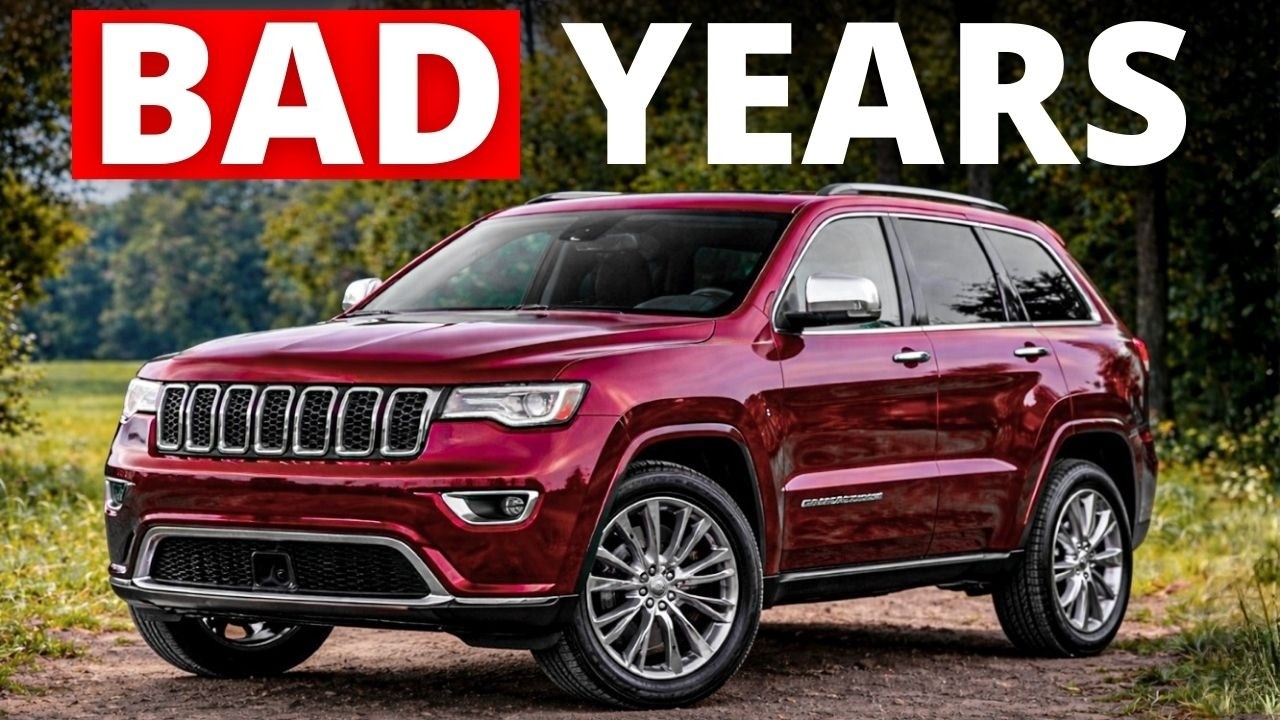
Credit: www.youtube.com
Which Jeep Grand Cherokee Years Are Safe To Buy?
Not every Grand Cherokee is a risk. Some years stand out for better reliability and owner satisfaction. If you want to avoid headaches, these are the years to look for:
- 2019–2021: Most problems ironed out, fewer recalls, improved transmission and Uconnect reliability.
- 2010: Last year before a big redesign, most bugs worked out, and parts are affordable.
- 2009: Older but simpler, fewer electronics to break, and strong V6 engine.
Caution: Even in the best years, proper maintenance is key. Look for models with full service history and avoid high-mileage examples with little paperwork.
How To Spot Problem Models Before You Buy
Even risky years can be tempting if the price is low. Here’s how to avoid buying a lemon:
- Check for Recalls: Use the VIN (vehicle identification number) on the NHTSA website to see if recalls were fixed.
- Review Service Records: Look for evidence of TIPM, transmission, or suspension repairs.
- Inspect Electronics: Test every button, window, light, and the Uconnect system. Watch for random warning lights.
- Drive Test: Look for rough shifting, engine hesitation, or odd noises.
- Get a Pre-Purchase Inspection: Have a trusted mechanic check for hidden problems.
Non-obvious insight: Many electrical issues only show up after a long drive or when the SUV is hot. Don’t settle for a quick test drive—take your time.
How Grand Cherokee Compares To Rival Suvs
If you’re worried about reliability, it’s smart to compare the Grand Cherokee to other midsize SUVs. Here’s a side-by-side look at three popular choices from the same years.
| Model | Reliability (out of 5) | Common Problems | Repair Cost (avg.) |
|---|---|---|---|
| Jeep Grand Cherokee (2011–2015) | 2.0 | Electrical, transmission | $900/year |
| Toyota 4Runner (2011–2015) | 4.5 | Minor suspension wear | $500/year |
| Ford Explorer (2011–2015) | 2.5 | Transmission, electronics | $800/year |
The Toyota 4Runner is known for long-term reliability, while the Ford Explorer has its own issues but is slightly better than the Jeep in these years. This comparison shows why it’s important to research before you buy.
What To Do If You Already Own A Problem Year
If you already have a Jeep Grand Cherokee from a “bad” year, don’t panic. Many owners still enjoy their SUVs with regular care. Here are smart steps to reduce the risk:
- Stay current on recalls: Check for open recalls and get them fixed at a dealer for free.
- Keep up with maintenance: Follow the schedule for fluids, filters, and spark plugs.
- Address warning lights quickly: Don’t ignore “service” or “check engine” lights.
- Consider extended warranty: If you plan to keep the SUV, a good warranty can save on big repairs.
Sometimes, investing in repairs or upgrades (like a new TIPM) can extend the life of your Jeep.
How Jeep Has Improved In Recent Years
Jeep faced tough feedback from owners and critics. In the last few years, they’ve made real improvements:
- Redesigned the Grand Cherokee for 2022 with all-new electronics and engines
- Improved Uconnect system (faster, more reliable)
- Stronger focus on safety (more airbags, better crash tests)
- Better materials and build quality
While past mistakes hurt the brand’s reputation, newer models are earning better reviews.
What Matters Most When Choosing A Used Jeep Grand Cherokee
When shopping for a used Grand Cherokee, focus on these factors:
- Model year: Avoid known problem years (especially 2011–2014).
- Service history: Clean records are a good sign.
- Mileage: Lower is usually better, but high-mileage with proof of repairs can be safer than a low-mileage “unknown.”
- Inspection: Always pay for a pre-purchase inspection.
- Trim and options: Some trims (like Overland or Summit) have air suspension, which is more likely to fail.
Straight-to-the-point tip: Don’t rush. The cheapest Grand Cherokee can be the most expensive if it has hidden issues.
Real-world Owner Experiences
It helps to hear from real owners. Here are a few examples:
- Megan, 2011 Grand Cherokee: “I loved the look, but after 3 TIPM replacements and endless trips to the shop, I gave up. Never again.”
- Carlos, 2013 Grand Cherokee: “The air suspension failed twice. Each time cost over $1,800. I should have bought a regular suspension model.”
- James, 2019 Grand Cherokee: “Zero issues after 40,000 miles. The new infotainment is much better and no warning lights.”
Most unhappy owners wish they’d researched more before buying. Happy owners usually chose a safe year and got a full inspection.
The Cost Of Ownership: Not Just The Price Tag
A Jeep Grand Cherokee from a “bad” year might be cheap to buy, but expensive to own. Here’s a breakdown of the average yearly costs for problem models:
- Repairs: $800–$1,200 per year (much higher if transmission or TIPM fails)
- Insurance: $1,200–$1,600 per year (varies by location and driver)
- Gas: 16–21 mpg, higher fuel costs than some rivals
If you get unlucky with a major repair, you might spend more than the SUV is worth. This is why it’s important to choose carefully.
Are There Any “good” Older Grand Cherokees?
Some buyers like older SUVs for their simplicity. The 2009 and 2010 Grand Cherokees, with the 3. 7L V6 or 5. 7L V8, are often more reliable than newer models—mainly because they use simpler electronics and fewer “smart” features that can fail.
However, even these older models need careful inspection, since any 10+ year-old SUV will have wear and tear.
Used Grand Cherokee Buying Checklist
Before you make an offer, use this checklist:
- [ ] Check VIN for recalls
- [ ] Review full service history
- [ ] Test all electronics and windows
- [ ] Inspect Uconnect and backup camera
- [ ] Listen for engine noise (ticking, knocking)
- [ ] Drive test (check shifting, brakes, suspension)
- [ ] Look for fluid leaks under the SUV
- [ ] Get a professional inspection
This approach helps you avoid expensive surprises.
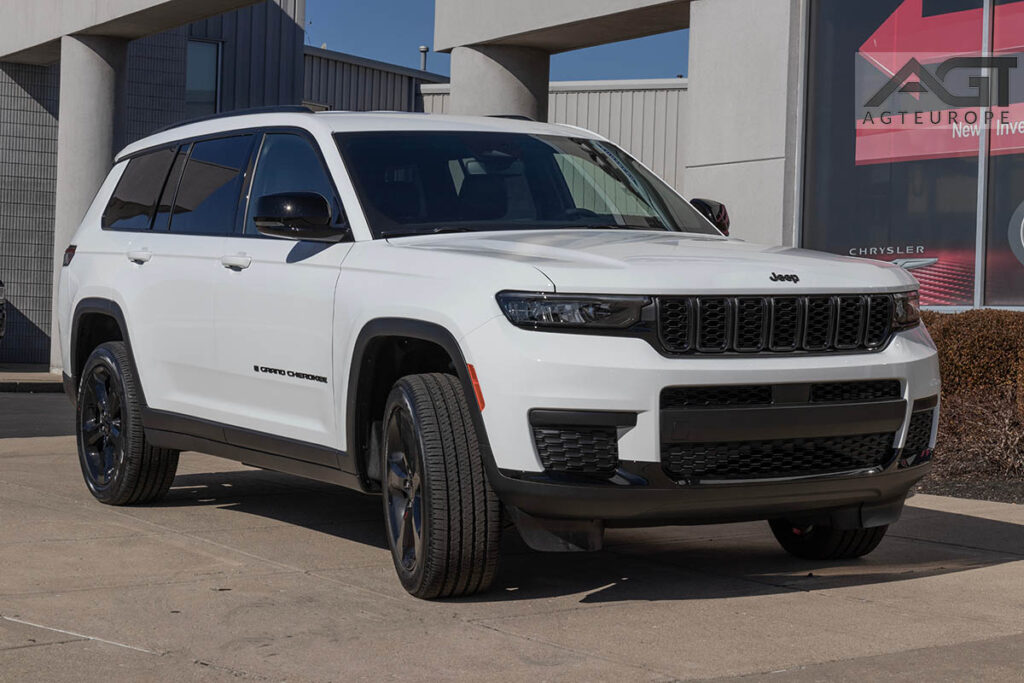
Credit: agtauto.com
Where To Find Trusted Reliability Data
For deeper research, reliable sources include:
- NHTSA.gov (recalls and safety ratings)
- CarComplaints.com (owner complaint data)
- Consumer Reports (expert reliability ratings)
- Edmunds and Kelley Blue Book (owner reviews and pricing)
You can also learn more about Jeep’s history and engineering at the official Jeep Grand Cherokee Wikipedia page.
Frequently Asked Questions
Why Do So Many Jeep Grand Cherokee Years Have Electrical Problems?
Many Grand Cherokee models from the 2000s and 2010s use the TIPM, which connects and controls many vehicle systems. If it fails, it can cause a wide range of problems—from stalling to malfunctioning windows and lights. These failures are often due to design flaws or moisture getting into the module.
Is The 2018 Jeep Grand Cherokee A Safe Choice?
The 2018 Grand Cherokee is generally more reliable than earlier years like 2011–2014. It has fewer complaints about major systems. However, it’s still smart to check for recalls and get a full inspection, especially for electronics.
What Is The Best Engine In A Used Jeep Grand Cherokee?
The 3.6L Pentastar V6 is the most common and generally reliable, especially after 2016. The 5.7L Hemi V8 offers more power but can be expensive to repair if not maintained. Avoid the 3.0L diesel in problem years due to emission system issues.
Can You Fix Tipm Problems Yourself?
Some minor TIPM issues can be fixed by resetting the system or replacing a relay. However, many failures require a full replacement, which is best done by a professional due to the risk of electrical damage.
Are Newer Grand Cherokees (2022 And Later) More Reliable?
Yes, the 2022 redesign addressed many past problems. Owners report better build quality, improved electronics, and fewer major complaints. Still, as with any new model, it’s smart to wait a year or two to see how reliability holds up.
Choosing the right Jeep Grand Cherokee is about more than just price or looks. By focusing on the right years and doing your homework, you can enjoy a strong, comfortable SUV for years to come—without costly surprises.