

If you’re working on your car or small engine, you know how tricky cleaning a carburetor can be. Carb cleaner sprays are the go-to choice, but what if you don’t have any on hand?
Or maybe you want to avoid harsh chemicals that can damage seals or harm your health. That’s where carb cleaner alternatives come in. You’ll discover simple, effective ways to clean your carburetor using everyday items and safer methods. From household degreasers to mechanical tools like wire brushes and compressed air, you’ll learn how to get your engine running smoothly without relying solely on traditional carb cleaner sprays.
Ready to save money, protect your parts, and get the job done right? Keep reading to find the best alternatives that work for you.
Chemical Alternatives
Chemical alternatives provide several options for cleaning carburetors without using traditional carb cleaner sprays. These substances often have strong solvent properties that break down grease, varnish, and fuel residue. Some chemicals work better on metal parts but may harm rubber or plastic components. Safety and proper ventilation are essential when handling these solvents.
Brake Cleaner
Brake cleaner is a common substitute for carb cleaner. It dissolves grease and fuel deposits effectively. Many mechanics use it because it evaporates quickly and leaves no residue. Avoid contact with rubber seals, as brake cleaner can cause damage or swelling.
Acetone
Acetone is a powerful solvent that removes varnish and stubborn fuel buildup. It can be used to soak carburetor parts or applied with a cloth. Use acetone in a well-ventilated area and avoid prolonged skin contact. It can harm some plastics, so test on small areas first.
Methyl Ethyl Ketone
Methyl ethyl ketone (MEK) is a stronger solvent that breaks down tough deposits quickly. It works well on metal components but is very volatile and produces strong fumes. MEK can damage rubber gaskets and O-rings, so remove these parts before cleaning. Handle with care and wear protective gear.
Degreaser And Boiling Water
Combining a degreaser with boiling water offers a gentler cleaning method. Heat the solution and soak carburetor parts to loosen grime. Choose a degreaser free of sodium hydroxide to protect aluminum surfaces. Avoid bleach or vinegar, as they can cause corrosion and damage rubber parts.
Credit: www.youtube.com
Mechanical Cleaning Methods
Mechanical cleaning methods offer effective ways to maintain carburetors without harsh chemicals. These techniques focus on physically removing dirt and deposits. They are safe for delicate parts and reduce chemical exposure risks. Below are popular mechanical cleaning options that work well as carb cleaner alternatives.
Compressed Air
Compressed air blasts away loose dirt and debris quickly. It reaches tight spots inside the carburetor. This method is gentle and prevents damage to sensitive parts. Use a nozzle or air compressor to direct the airflow. Always wear eye protection to avoid injuries from flying particles.
Wire Brushes
Wire brushes scrub off stubborn grime and carbon deposits. Choose brushes with soft bristles to protect metal surfaces. They are ideal for cleaning jets, throttle bodies, and other small parts. Avoid excessive pressure to prevent scratching. Wire brushes help restore the carburetor’s smooth operation.
Ultrasonic Cleaner
Ultrasonic cleaners use sound waves to remove dirt deeply. The vibrations create tiny bubbles that break up deposits. This method cleans complex parts thoroughly without manual scrubbing. It is safe for fragile components and hard-to-reach areas. Many repair shops use ultrasonic cleaners for carburetor maintenance.
Diy Ultrasonic Cleaner
Building a DIY ultrasonic cleaner is possible with simple materials. A basic setup includes a small ultrasonic transducer and a container. Fill the container with warm water and mild detergent. Place carburetor parts inside and run the device for several minutes. This homemade option offers an affordable way to clean parts effectively.
Safety Precautions
Using carb cleaner alternatives requires careful attention to safety. These substances can be powerful and may harm materials or people if handled incorrectly. Taking safety precautions helps protect your health and your equipment. Always prepare your workspace and tools before starting the cleaning process.
Material Compatibility
Check the materials of your carburetor parts before using any cleaner. Some solvents can damage rubber, plastic, or delicate metal components. Avoid harsh chemicals like vinegar or bleach that can corrode metal or degrade seals. Test the cleaner on a small area first to ensure it does not cause damage.
Ventilation And Protective Gear
Work in a well-ventilated area to avoid inhaling harmful fumes. Use gloves to protect your skin from chemical burns or irritation. Eye protection is essential to prevent splashes from reaching your eyes. Wearing a mask can help reduce inhaling strong solvent vapors.
Proper Disassembly
Disassemble the carburetor carefully before cleaning. Keep track of small parts and springs to avoid losing them. Use the right tools to prevent damage to screws or delicate components. Cleaning parts separately ensures thorough removal of dirt and varnish.

Credit: yourmotoparts.com
Methods To Avoid
Not all carb cleaner alternatives are safe or effective. Some common household items can cause damage or reduce performance. Avoid certain methods that harm carburetor parts or create safety risks. This section highlights key methods to avoid for better results and safety.
Bleach
Bleach is highly corrosive and damages metal parts quickly. It can cause rust and weaken the carburetor’s structure. Bleach also harms rubber seals and gaskets, causing leaks. Using bleach risks permanent damage and poor engine performance. It is unsafe and unsuitable for carburetor cleaning.
Vinegar
Vinegar is acidic and eats away at metal surfaces over time. It can corrode aluminum parts common in carburetors. Vinegar may also degrade rubber components, leading to cracks and leaks. Its cleaning power is weak compared to proper solvents. Vinegar is not recommended due to possible long-term damage.
Credit: www.youtube.com
Frequently Asked Questions
What Else Can You Use Instead Of Carb Cleaner?
Brake cleaner, acetone, and methyl ethyl ketone (MEK) serve as carb cleaner alternatives. Compressed air, wire brushes, and ultrasonic cleaners also help mechanically clean carburetors safely. Use boiling degreaser solutions cautiously, avoiding harsh chemicals that damage parts. Always check material compatibility before cleaning.
Can I Use Wd-40 As Carb Cleaner?
WD-40 is not recommended as a carb cleaner. It lacks strong solvents needed to remove varnish and fuel deposits effectively. Use products designed specifically for carburetors to avoid damage and ensure proper cleaning.
What Household Items Can I Clean A Carburetor With?
You can clean a carburetor using brake cleaner, acetone, or a strong degreaser with boiling water. Use wire brushes and compressed air for mechanical cleaning. Avoid harsh chemicals like bleach or vinegar that damage parts. Always ensure compatibility with carburetor materials.
Is Carb Cleaner Just Acetone?
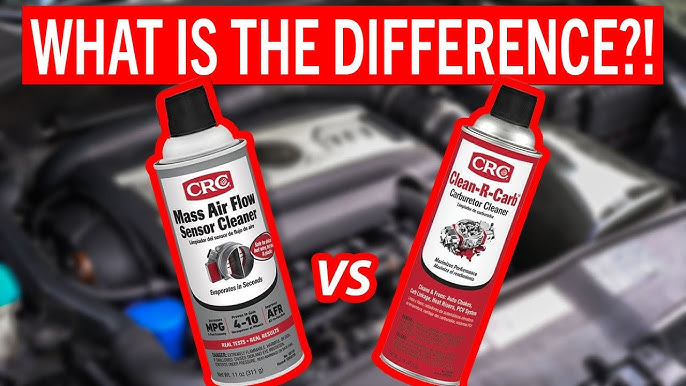
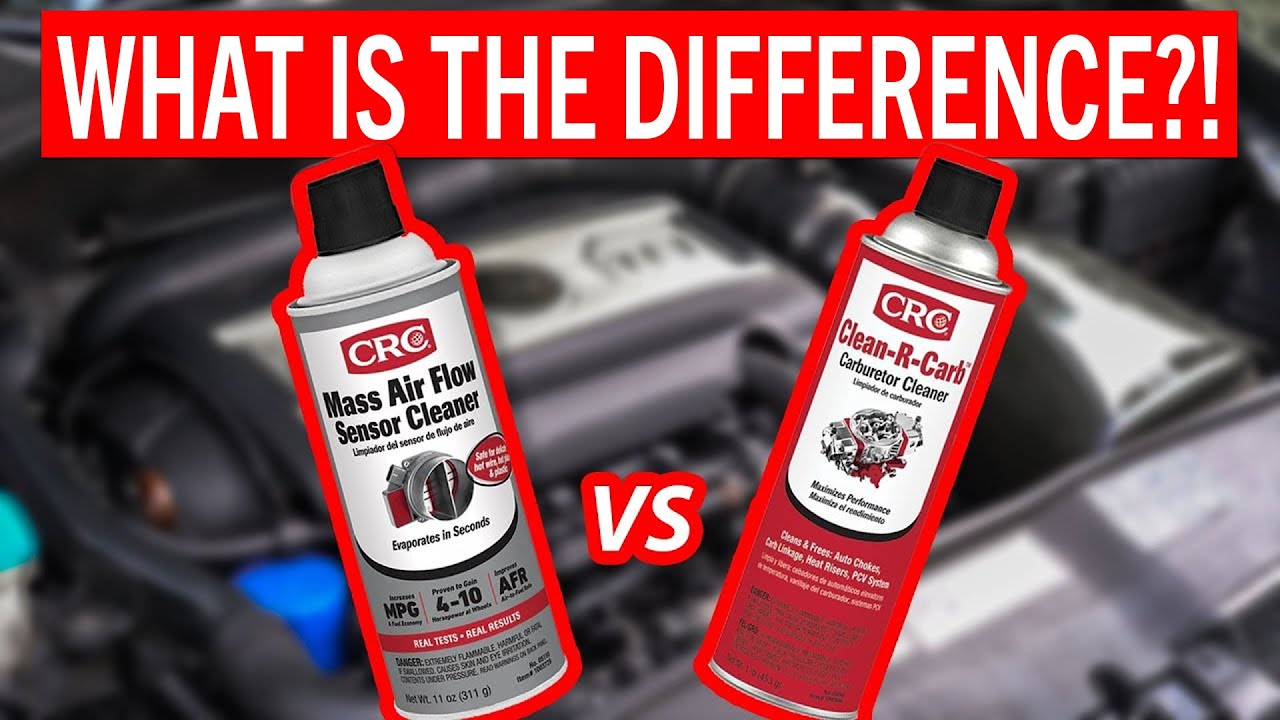
Carb cleaner is not just acetone. It contains various solvents designed to remove fuel residues and varnish effectively. Acetone is a strong solvent but lacks additives that protect carburetor components during cleaning. Use carb cleaner for safe, specialized cleaning of carburetor parts.
What Are Safe Alternatives To Carb Cleaner For Carburetor Cleaning?
Brake cleaner, acetone, and boiling degreaser solutions are common safe alternatives for cleaning carburetors.
Conclusion
Choosing the right carb cleaner alternative depends on your needs and safety. Brake cleaner and acetone work well but can harm rubber parts. Homemade degreasers with boiling water offer a gentler option. Mechanical tools like compressed air and wire brushes help remove stubborn dirt.
Always handle chemicals carefully and protect your health. Trying different methods can keep your carburetor clean without traditional carb cleaner. Stay safe and maintain your engine effectively.