

If you’re considering Ziebart undercoating to protect your vehicle, it’s important to know what could go wrong. While Ziebart promises strong rust protection, many drivers have reported issues that might affect your car’s safety and value.
Problems like trapped moisture, cracking coatings, and difficult repairs can turn a good investment into a costly headache. You’ll discover the common Ziebart undercoating problems, why they happen, and how they might impact your vehicle in Austin, Texas, or anywhere else.
Keep reading so you can make the best decision for your car’s long-term protection.
Credit: www.ziebart.com
Ziebart Undercoating Basics
Ziebart undercoating protects vehicles from rust and corrosion. It acts as a barrier against moisture, salt, and dirt. This service helps extend the life of your car’s frame and parts.
Understanding the basics of Ziebart undercoating helps you know what to expect. It covers what the coating is, the materials used, and how it is applied. This knowledge can clarify common concerns and problems.
What Is Ziebart Undercoating
Ziebart undercoating is a protective layer applied under a vehicle. It prevents rust by sealing metal surfaces from water and road salt. The coating also reduces noise and protects against small stone chips. It is popular for cars in harsh weather areas.
Materials Used In Coating
Ziebart uses a wax-based formula for its undercoating. This wax is designed to stay flexible and resist cracking. The material repels water and blocks salt from reaching metal parts. It also helps slow down rust formation.
Wax-based coatings differ from rubberized ones by being softer and less likely to trap moisture. This improves long-term protection.
Application Process
The process starts with cleaning the vehicle’s underbody thoroughly. Dirt, grease, and old coatings are removed for good adhesion. Next, the wax-based coating is sprayed evenly onto all exposed metal areas.
Technicians ensure complete coverage, including frame rails, floor pans, and wheel wells. After application, the coating dries to form a protective barrier. The entire process usually takes a few hours to complete.

Credit: www.youtube.com
Common Problems
Ziebart undercoating is popular for protecting vehicles from rust and damage. Yet, some users report common problems after application. Understanding these issues helps vehicle owners decide what to expect and how to maintain their undercoating properly.
Moisture Trapping Issues
Ziebart undercoating can sometimes trap moisture under the coating. This happens when water gets sealed inside the layers. Trapped moisture can speed up corrosion instead of preventing it. It may cause bubbles or blisters on the surface. Proper drying before application is key to avoid this problem.
Cracking And Peeling
Over time, Ziebart undercoating can crack or peel. This issue happens if the coating is too thick or exposed to harsh weather. Cracks allow water and dirt to reach the metal underneath. Peeling reduces the protective effect and makes rust more likely. Regular inspection can catch these problems early.
Improper Surface Preparation
Surface preparation is critical before applying undercoating. If the vehicle’s surface is dirty, oily, or rusty, the coating may not stick well. Poor adhesion causes the undercoating to fail quickly. Cleaning and sanding the surface ensures better protection and longer-lasting results.
Hidden Rust Development
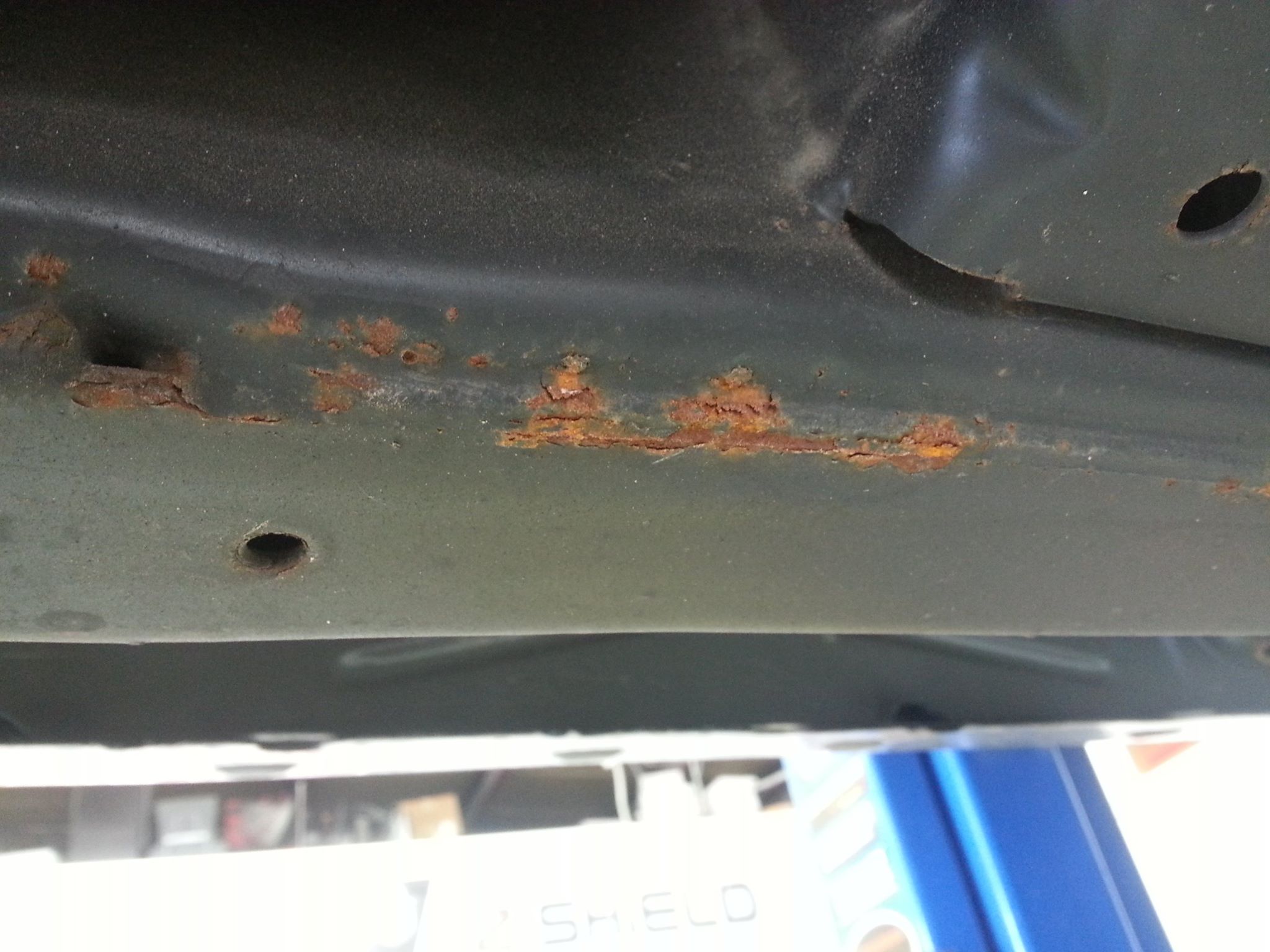
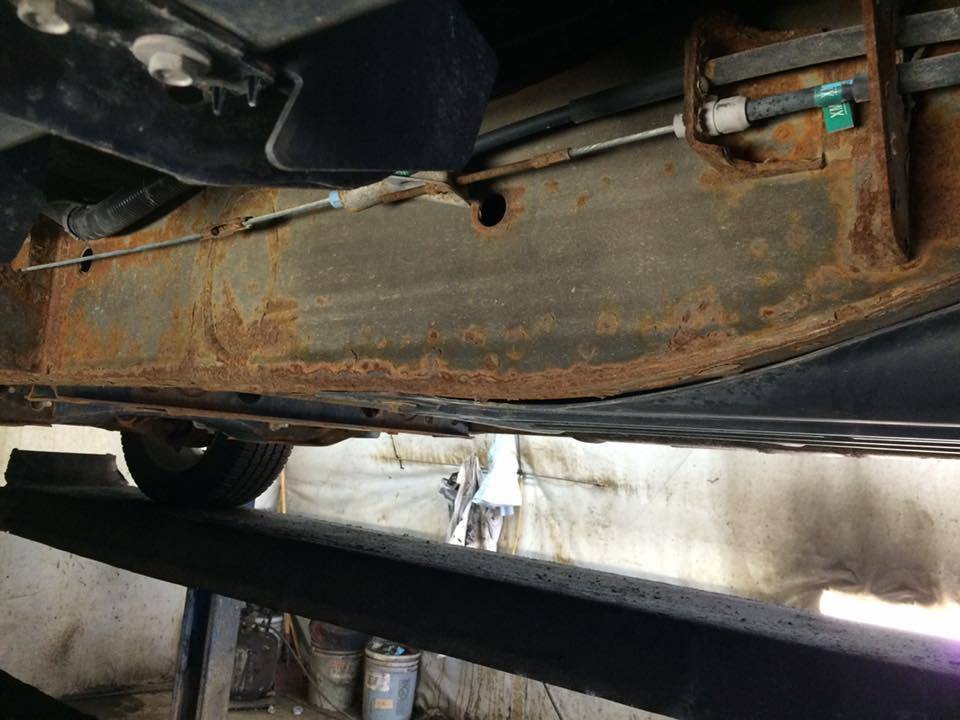
Sometimes rust develops under the undercoating without being visible. This hidden rust grows because the coating seals in moisture and contaminants. It can weaken the metal structure over time. Regular checks and professional inspections can detect hidden rust before severe damage occurs.
Rubberized Coating Drawbacks
Rubberized coatings are popular for vehicle undercoating due to their protective qualities. They form a thick, flexible layer that shields metal from moisture and debris. Despite these benefits, this type of coating has some notable drawbacks. These issues can affect your vehicle’s maintenance and performance over time.
Difficult Removal
Removing rubberized undercoating can be a tough task. The coating sticks strongly to the metal surface. This makes it hard to strip off when repairs or inspections are needed. Harsh chemicals or scraping tools are often required, which can damage the vehicle’s frame or paint.
Potential For Cracks
Rubberized coatings may develop cracks as they age. Changes in temperature cause the material to expand and contract. Over time, this can lead to small splits in the coating. These cracks allow moisture to reach the metal, reducing the coating’s effectiveness against rust.
Drainage Blockage
Thick rubberized coatings can block drainage holes in the vehicle’s underbody. These holes are essential for water to escape. Blockage traps water between the coating and metal. This trapped moisture speeds up corrosion instead of preventing it.
Impact On Vehicle Value
The impact of Ziebart undercoating problems on vehicle value is significant. Proper undercoating helps preserve a car’s condition. When undercoating fails, the vehicle’s worth can drop sharply. Buyers often check the undercarriage for rust or damage. Visible issues can reduce resale value and trust in the vehicle’s maintenance history.
Rust Protection Benefits
Ziebart undercoating offers a layer of defense against rust. It shields metal parts from moisture, salt, and dirt. This protection helps keep the frame and body strong. Maintaining rust-free areas can increase a vehicle’s longevity. Cars with good rust protection often sell for higher prices. The undercoating acts as a safeguard, preserving the car’s original condition. It also lowers repair costs over time.
Risks Of Undercoating Failure
Undercoating failure can lead to hidden rust problems. If the coating cracks or peels, moisture gets trapped. This accelerates corrosion under the vehicle’s surface. Rust damage reduces structural integrity and safety. Repairing rust can be costly and time-consuming. Failed undercoating might void warranties or insurance claims. Potential buyers notice these issues, lowering confidence in the car. The vehicle’s market value can suffer as a result.
Expert Solutions
Expert solutions can help fix and prevent common Ziebart undercoating problems. Proper care extends your vehicle’s protection against rust and damage. Simple steps make a big difference in maintaining the coating’s strength and durability. Following expert advice keeps your undercoating effective and your vehicle safe.
Proper Surface Cleaning
Cleaning the vehicle surface before applying undercoating is crucial. Dirt and grease block coating adhesion. Use a strong cleaner to remove all grime. Dry the surface completely to avoid moisture traps. This step ensures the coating sticks well and lasts longer.
Choosing The Right Coating Type
Select a coating type that suits your vehicle and environment. Wax-based coatings protect against moisture and salt. Rubberized coatings add extra durability and soundproofing. Consult experts to pick the best option. The right coating reduces peeling and cracking risks.
Regular Inspections And Maintenance
Check the undercoating regularly for signs of wear or damage. Look for cracks, bubbles, or areas where coating peels. Early detection stops rust from spreading. Reapply coating as needed to keep full protection. Routine care saves costly repairs later.
Addressing Peeling And Cracks Early
Fix peeling or cracks as soon as they appear. Sand the damaged area lightly before reapplying coating. Use a matching product to blend repairs with existing coating. Ignoring small problems leads to bigger rust issues. Quick action preserves your vehicle’s integrity.
Comparing Ziebart With Competitors
Comparing Ziebart with its competitors helps car owners understand their rust protection options. Each undercoating type offers unique benefits and drawbacks. Coverage, material, and customer satisfaction vary widely. Choosing the right product depends on your needs and budget.
Wax-based Vs Rubberized Coatings
Ziebart uses a wax-based undercoating that repels water and salt effectively. Wax coats metal surfaces, sealing out moisture without cracking easily.
Competitors often use rubberized coatings, which are thicker and more durable against stones and debris. Rubberized types may provide a tougher barrier but can trap moisture if not applied correctly. Wax-based coatings tend to be easier to reapply and less messy.
Warranty And Coverage Differences
Ziebart offers a warranty with unlimited mileage and protection against road salt, sand, and debris. Their warranty includes annual reapplication for continued protection.
Some competitors provide limited mileage warranties or exclude certain road conditions. Others may not offer free reapplications. Check warranty terms carefully to avoid surprises. Ziebart’s warranty is often seen as more comprehensive and flexible.
Customer Feedback And Reviews
Many Ziebart customers praise the ease of reapplication and reliable rust prevention. Some report issues with coverage consistency depending on location and technician skill.
Competitor reviews vary; some customers highlight longer-lasting protection with rubberized coatings but mention difficulty in repairs. Negative reviews often mention poor application or unclear warranty terms. Overall, Ziebart receives mixed but generally positive feedback for value and service.
When To Apply Undercoating
Knowing when to apply undercoating is key to protecting your vehicle from rust and damage. The timing can affect how well the undercoating works and how long it lasts. This section explains the best times to apply undercoating based on your vehicle’s age, seasons, and environment.
New Vs Used Vehicles
New vehicles often have factory coatings. Applying undercoating soon after purchase adds extra protection. It helps prevent rust before it starts. For used vehicles, inspect the undercarriage first. If rust or damage is visible, undercoating can slow its spread. Applying undercoating on a clean, rust-free surface works best. Avoid applying over existing rust to ensure better adhesion.
Seasonal Considerations
Spring and fall are ideal seasons for undercoating. The weather is mild, and roads are less salty. Applying undercoating in winter is not recommended. Cold temperatures make the coating less effective. Summer heat can help the coating cure faster. Avoid rainy days to prevent moisture trapping under the coating. Proper drying time ensures strong rust protection.
Environmental Factors
Vehicles in wet or salty climates need undercoating more often. Coastal areas with salty air cause faster corrosion. Snowy regions use road salt, which damages metal quickly. Dusty or muddy roads can wear down paint and metal. Undercoating adds a barrier against these elements. Regular checks and reapplications keep protection strong. Tailor undercoating timing to your local environment for best results.
Credit: www.ziebart.com
Frequently Asked Questions
Does Ziebart Rust Proofing Really Work?
Ziebart rust proofing works effectively by protecting vehicles from rust, road salt, dirt, and moisture. It uses advanced wax-based coatings and offers warranties with unlimited mileage and annual reapplication for lasting corrosion resistance.
What Happened To Ziebart Rust Proofing?
Ziebart rust proofing is still active and expanded its services to include detailing and window tinting. It uses advanced wax-based undercoating for superior corrosion resistance and offers warranties with unlimited mileage coverage. The company is now employee-owned and remains a global leader in rust protection.
What Is The Disadvantage Of Rubberized Undercoating?
Rubberized undercoating is hard to remove and may crack over time, allowing moisture to penetrate and cause rust.
Should You Ziebart A New Car?
Ziebart your new car to protect its value and prevent rust, paint damage, and interior stains from day one.
What Are Common Problems With Ziebart Undercoating?
Some issues include peeling, uneven coverage, and difficulty in reapplication over time.
Conclusion
Ziebart undercoating has benefits and some problems to consider. Some users report cracking or difficulty removing the coating. Wax-based undercoating offers good rust protection but may need yearly reapplication. Choosing the right service depends on your vehicle needs and local conditions.
Always check warranty details and reviews before deciding. Protecting your car from rust can save money in the long run. Stay informed and make the best choice for your vehicle’s care.