

Have you ever wondered how much windshield washer fluid your car can actually hold? Knowing this simple fact can save you time, money, and frustration—especially when you’re caught in bad weather or facing a dirty windshield that blocks your view.
Whether you drive a compact sedan or a large SUV, understanding your car’s windshield washer fluid capacity helps you keep your windshield spotless and your driving safe. You’ll discover exactly how much fluid your car’s reservoir can hold, why it matters, and easy tips to refill it like a pro.
Keep reading to never run low on this essential car care item again!

Credit: www.reddit.com
Fluid Reservoir Size
The size of the windshield washer fluid reservoir affects how often you refill it. A larger reservoir means fewer refills during long drives or bad weather. The reservoir size varies widely between different vehicles. Knowing your car’s fluid capacity helps maintain clear visibility and safe driving.
Typical Capacity Range
Most windshield washer fluid reservoirs hold between one and three liters. Smaller cars usually have reservoirs closer to one liter. Larger vehicles may have reservoirs holding two to three liters. This range covers most passenger cars, trucks, and SUVs on the road.
Variations By Vehicle Type
Compact cars often feature smaller reservoirs to save space. SUVs and trucks tend to have bigger tanks to handle more dirt and grime. Some luxury or off-road vehicles may have even larger reservoirs for extended trips. Knowing your vehicle type gives clues about the reservoir size.
Checking Your Car’s Capacity
The owner’s manual lists the exact size of your fluid reservoir. You can also check under the hood for a labeled tank. The reservoir is usually translucent with level markings. Filling it just below the maximum mark prevents overflow and spillage.
Credit: www.homedepot.com
Locating The Reservoir
Knowing where the windshield washer fluid reservoir is located helps keep your windshield clean. This reservoir stores the fluid you spray on your windshield. Finding it is usually simple and quick. It saves time and keeps your car ready for clear driving views.
Common Placement In Cars
The reservoir is often under the hood, near the engine. Most cars place it on the driver’s side or passenger’s side. It sits close to the windshield area. Some models place it near the front grille. Check near the battery or air filter too. In trucks or SUVs, it might be slightly harder to spot.
Identifying The Cap
The cap is usually bright blue, white, or yellow. It often has a windshield or water icon on it. The cap is round and easy to open by hand. Some caps twist off, while others flip open. Look for labels like “washer fluid” or “screen wash.” This helps avoid confusion with other fluids.
Safety Precautions
Open the hood only when the engine is cool. Avoid spilling fluid on hot engine parts. Use a funnel to prevent messes while filling. Keep washer fluid out of reach of children and pets. Store extra fluid in a safe place, away from sunlight. Wear gloves if you have sensitive skin. Wash hands after handling the fluid.
Choosing The Right Fluid
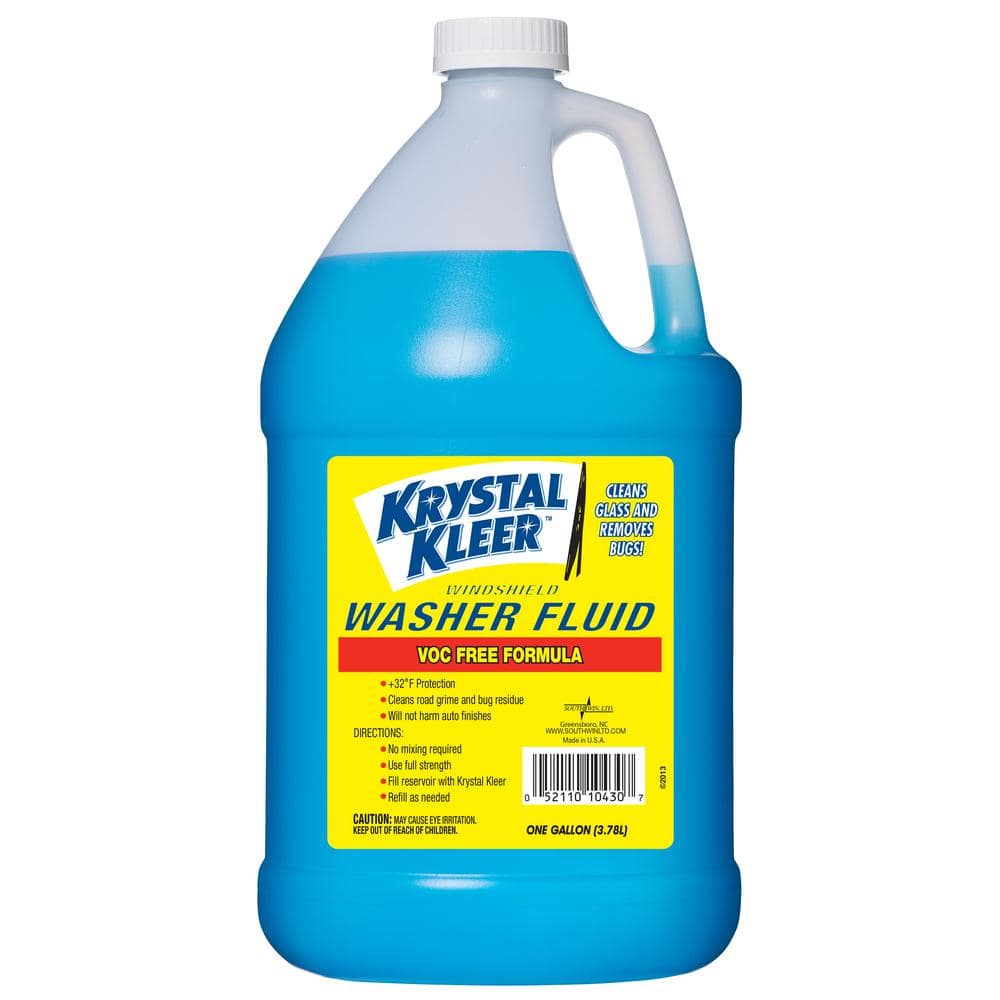
Choosing the right windshield washer fluid matters for clear vision and safe driving. The fluid helps remove dirt, bugs, and grime from your windshield. Picking the correct type ensures your fluid works well in all conditions. It also protects your car’s system from damage. Consider your local weather and driving habits before buying.
Types Of Washer Fluids
There are several types of windshield washer fluids. Standard fluids clean light dirt and dust. Bug-remover fluids handle sticky insect residue. De-icing fluids prevent freezing in cold weather. Some fluids come with water-repellent properties. Choose a type that fits your cleaning needs and climate.
Seasonal Considerations
Season affects the choice of washer fluid. In winter, use fluids with antifreeze to stop freezing. Summer fluids focus more on removing bugs and road grime. Switching fluids by season keeps your windshield clear year-round. Using the wrong fluid can cause freezing or poor cleaning.
Eco-friendly Options
Eco-friendly washer fluids use biodegradable ingredients. They reduce harm to the environment and water sources. These fluids are safe for plants and animals near roadways. Many eco-friendly options still clean effectively and protect your car. Choosing green fluids supports a cleaner planet.
Refilling Tips
Refilling your windshield washer fluid is simple but needs care. Proper refilling keeps your windshield clean and safe while driving. Use these tips to fill the reservoir correctly without mess or waste.
Step-by-step Filling Process
First, open the hood of your car and find the washer fluid reservoir. It usually has a cap with a windshield or water symbol. Remove the cap carefully. Use a funnel to pour the fluid slowly into the reservoir. Fill it until the fluid reaches near the top. Avoid rushing to prevent spills. Finally, replace the cap securely to avoid leaks.
Avoiding Overfill
Do not fill the reservoir to the very top. Leave some space for fluid expansion. Overfilling can cause leaks or damage the reservoir. Check the fluid level using the marks inside the reservoir, if available. Stop filling once it reaches the recommended level. This keeps the system working properly and prevents waste.
Handling Spills
Spills can happen while refilling. Quickly wipe any spilled fluid with a clean cloth. Avoid letting the fluid touch painted surfaces, as it may cause damage. If fluid spills on the engine or other parts, rinse with water if safe. Always clean the area to prevent slippery spots and odors. Proper cleanup keeps your car neat and safe.
Preventing Leaks
Preventing leaks in your windshield washer fluid system helps maintain clear vision and avoid costly repairs. Small leaks may cause fluid loss and reduce cleaning power. Regular checks and simple fixes keep your car’s washer system working well. Protect your investment and drive safely by stopping leaks early.
Common Leak Causes
Leaks often come from cracked hoses, loose connections, or damaged seals. Wear and tear from heat and cold also weakens parts. Dirt and debris may block or damage the system. Identifying the cause helps target repairs and prevent fluid loss.
Inspecting Seals And Hoses
Check seals and hoses for cracks or holes. Look for wet spots or fluid dripping under your car. Press gently on hoses to find soft or brittle areas. Replace any worn parts to stop leaks before they worsen. Regular inspections save time and money.
Using Leak-proof Containers
Use containers designed to hold windshield washer fluid without leaking. These containers have tight caps and strong materials. They prevent spills during refills or storage. Leak-proof containers keep your car clean and avoid fluid wastage. Choose quality containers for safe handling.
Maintenance And Storage
Proper maintenance and storage of windshield washer fluid help keep your car’s cleaning system working well. Dirt and old fluid can clog the washer system. Storing the fluid correctly keeps it fresh and effective. Regular checks and care extend the life of your windshield washer system.
Cleaning The Reservoir
Remove the reservoir cap to start cleaning. Use warm water to rinse out dirt and old fluid. A soft brush can remove stubborn grime inside. Clean the reservoir every six months for best results. Dry the reservoir well before adding new fluid.
Proper Fluid Storage
Store windshield washer fluid in a cool, dry place. Avoid direct sunlight to prevent fluid breakdown. Keep the container tightly closed to stop dust and dirt. Use the fluid within one year for best performance. Do not mix old and new fluids to avoid contamination.
Replacing Old Fluid
Old fluid can lose cleaning power and freeze in cold weather. Drain the reservoir if the fluid looks cloudy or smells bad. Refill with fresh washer fluid designed for your climate. Replace fluid at least once a year or before winter. Fresh fluid helps clear your windshield quickly and safely.
Troubleshooting Issues
Troubleshooting windshield washer fluid problems helps keep your windshield clean and safe. Knowing common issues can save time and effort. This section covers signs of low fluid, dealing with frozen fluid, and when to seek professional help.
Signs Of Low Fluid
Your washer may spray weakly or not at all. The fluid reservoir might look empty under the hood. You could hear the pump running without any liquid spraying. Windshield spots may not clear after spraying. These signs point to low or empty washer fluid.
Dealing With Frozen Fluid
Washer fluid can freeze in cold weather, stopping the spray. You might see no fluid when pressing the washer button. Check if the fluid looks thick or icy inside the reservoir. Use winter-grade washer fluid with antifreeze properties. Park your car in a warmer place to help thaw frozen fluid. Avoid using hot water directly on the reservoir, as it may crack.
When To Seek Professional Help
If the washer fluid is full but does not spray, problems may lie in the pump or nozzles. Strange noises or leaks under the hood need expert attention. If the fluid sprays unevenly or sprays on the car instead of the windshield, a mechanic should inspect it. Regular maintenance helps prevent serious washer system issues.

Credit: www.reddit.com
Frequently Asked Questions
How Much Windshield Washer Fluid Can A Car Hold?
Most car windshield washer fluid reservoirs hold between 1 to 3 liters. Check your owner’s manual for exact capacity.
How Much Screen Wash Does My Car Hold?
Most car windshield washer fluid reservoirs hold between 1 to 3 liters (about 0. 25 to 0. 8 gallons). Check your owner’s manual for exact capacity.
What Holds The Windshield Wiper Fluid In A Car?
The windshield wiper fluid is held in the windshield washer fluid reservoir. It stores the cleaning liquid for your car’s windshield.
How Cold Does It Have To Be For Windshield Washer Fluid To Freeze?
Windshield washer fluid freezes around 32°F (0°C) if it is plain water. Antifreeze fluids freeze below -20°F (-29°C). Use winter formula to prevent freezing in cold weather.
How Much Windshield Washer Fluid Can A Car Hold?
Most cars hold between 1 to 4 liters of windshield washer fluid, depending on size and model.
Conclusion
Knowing how much windshield washer fluid your car holds helps keep your view clear. Most cars hold between 1 to 4 liters of fluid. Check your owner’s manual for exact details. Regularly topping up prevents dirt and grime buildup on your windshield.
Clean glass improves safety and driving comfort. Choose the right washer fluid for your climate and needs. Simple care keeps your windshield clear all year round. Stay safe by maintaining this small but important part of your car.