

You might have heard that rubbing alcohol is a quick fix for removing stubborn marks or sticky residues from your car’s surface. But here’s the big question: will rubbing alcohol damage your car paint?
If you care about keeping your vehicle’s finish looking fresh and flawless, this is something you need to know before reaching for that bottle. Using rubbing alcohol incorrectly can dull or even peel the clear coat that protects your paint, but when used carefully, it can actually help clean certain spots without harm.
You’ll discover how rubbing alcohol interacts with your car’s paint, when it’s safe to use, and the smart steps you should follow to avoid costly damage. Keep reading to protect your car and get the best results every time you clean or detail it.

Credit: www.reddit.com
Rubbing Alcohol And Car Paint
Rubbing alcohol is a common household item used for cleaning. Many car owners wonder if it can harm their car’s paint. Understanding how rubbing alcohol interacts with car paint helps avoid damage.
This section explores the effects of rubbing alcohol on car paint. It focuses on the clear coat and highlights risk factors. Knowing these details ensures safer cleaning practices.
Effects On Clear Coat
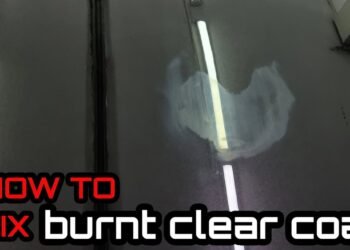
The clear coat is a protective layer over car paint. Rubbing alcohol can soften this layer if left too long. This softening may cause dull spots or peeling over time. Using rubbing alcohol in small amounts and wiping it off quickly reduces damage risks. It can also remove surface dirt and light marks without harming the paint.
Risk Factors
High concentration rubbing alcohol increases the chance of paint damage. Using it full strength and not rinsing can harm the clear coat. Old or weakened clear coats are more vulnerable to damage. Frequent use of rubbing alcohol on the same spot raises risk levels. Always test on a small hidden area before full application.
Credit: www.kbb.com
Using Rubbing Alcohol Safely
Using rubbing alcohol on car paint requires care to avoid damage. It can clean and remove scuffs safely if handled properly. Understanding the right way to dilute and apply it is key. Also, rinsing and wiping it off quickly protects the paint’s clear coat. Follow simple steps to use rubbing alcohol without harming your car’s finish.
Dilution And Application
Always dilute rubbing alcohol with water before use. A common ratio is one part alcohol to two parts water. This weakens the solution, reducing risk to the paint. Use a soft cloth or microfiber towel for application. Lightly dampen the cloth with the diluted mixture. Gently rub the affected area in small circles. Avoid using full-strength alcohol directly on the car. This prevents the clear coat from softening or peeling.
Rinsing And Wiping
After applying rubbing alcohol, rinse the area with clean water. This removes any leftover alcohol and dirt. Use a separate soft cloth to wipe the surface dry. Do not let the alcohol sit on the paint for long. Quick rinsing stops dullness and damage to the finish. Repeat the process only if necessary and always rinse well. Proper rinsing and wiping keep your car paint safe and shiny.
Removing Paint Scuffs
Removing paint scuffs from your car can restore its smooth, clean look quickly. Paint scuffs are usually marks from other objects rubbing against your car’s surface. These marks often sit on the clear coat and do not damage the paint underneath. Rubbing alcohol can help remove these scuffs gently without harming the paint if used correctly. The key is to use the right method and avoid harsh rubbing.
Diluted Alcohol Method
Start by mixing rubbing alcohol with water. Use one part alcohol to two parts water for a safe solution. This dilution lowers the risk of damaging the clear coat. Dip a clean, soft cloth into the diluted mixture. Wring out excess liquid so the cloth is damp, not wet. This method helps control the amount of alcohol applied on the paint.
Gentle Rubbing Technique
Use the damp cloth to rub the scuff mark gently. Move the cloth in small, circular motions. Avoid pressing too hard, as this can harm the paint. Check the scuff often to see if it fades. Stop rubbing once the scuff disappears. Do not use full-strength alcohol or rough motions, which can dull the paint’s finish.
Post-cleaning Steps
After removing the scuff, wipe the area with a clean, dry cloth. Rinse the spot with water to remove any leftover alcohol. Dry the surface completely to prevent water spots. Apply a layer of car wax or polish to protect the clear coat. These steps help keep your car paint shiny and safe after cleaning.
Addressing Scratches
Scratches on your car’s paint can be frustrating. They affect the look and value of your vehicle. Handling scratches carefully is key to avoid further damage. Using rubbing alcohol correctly can help clean the area before repair. This section shows how to address scratches safely and effectively.
Pre-repair Cleaning
Start by cleaning the scratched area with rubbing alcohol. Dilute the alcohol with water to reduce strength. Use a soft cloth dampened with the solution. Gently wipe the scratch and surrounding paint. This removes dirt, grease, and oils that block repair products. Always rinse the area with water after cleaning. Dry the surface with a clean towel before moving on.
Inspecting Scratch Removal Progress
Check the scratch after applying any repair product. Use good light to see if it is fading. Clean the area again if needed to remove residue. Avoid rubbing too hard as it can damage paint. Repeat gentle polishing or scratch remover steps carefully. Stop when the scratch blends better with the paint. Keep your progress slow and steady for best results.
When To Avoid Rubbing Alcohol
Rubbing alcohol can be helpful for cleaning car paint, but it is not always safe to use. Some situations can cause damage to your car’s surface. Knowing when to avoid rubbing alcohol helps protect your paint and keep your car looking good.
Hot Surfaces
Do not apply rubbing alcohol on hot car surfaces. Heat can make the alcohol evaporate too fast. This quick evaporation may leave spots or streaks on the paint. Also, the heat can cause the alcohol to damage the clear coat. Always use rubbing alcohol on a cool surface. This prevents harm and helps the product work better.
Deep Paint Damage
Avoid rubbing alcohol on areas with deep paint damage. Scratches or chips expose the paint layers beneath. Alcohol can worsen these damaged spots by drying out the paint. It may cause peeling or fading over time. Instead, use special repair products for deep damage. Rubbing alcohol works best on light dirt or scuffs, not on serious paint problems.
Detailers’ Use Of Isopropyl Alcohol
Car detailers often use isopropyl alcohol for its ability to clean surfaces effectively. This alcohol helps remove contaminants without harsh chemicals. Detailers rely on it to prepare paint surfaces before applying coatings or sealants. It also aids in ensuring the paint is free of oils and residues. Understanding how detailers use isopropyl alcohol clarifies its effects on car paint.
Cleaning Properties
Isopropyl alcohol works as a strong cleaner for car paint. It dissolves oils, grease, and dirt that water alone cannot remove. This makes it useful for wiping down paint before detailing. The alcohol evaporates quickly, leaving no water spots or streaks. It breaks down stubborn grime, improving the surface’s cleanliness. Detailers use it to get a smooth, clean finish on paintwork.
Wax And Sealant Removal
One key effect of isopropyl alcohol is removing wax and sealants. These protective layers can block new coatings from bonding properly. Detailers apply alcohol to strip old wax or sealant without damaging the paint underneath. This ensures a fresh surface for new products to adhere better. Using too much or leaving it on too long can dull the paint. Proper use involves quick application and immediate wiping to protect the clear coat.
Precautions And Tips
Using rubbing alcohol on car paint requires careful handling to avoid damage. Precautions help protect the paint’s finish and keep your car looking new. Follow simple tips to minimize risks and maintain your car’s shine.
Testing On Small Areas
Always test rubbing alcohol on a small, hidden spot first. This helps check how the paint reacts before applying it widely. Use a cotton swab with diluted alcohol and gently dab the area. Wait a few minutes to see if the paint dulls or peels. If no damage appears, it is safer to continue. Avoid skipping this test to prevent costly repairs.
Identifying Scratch Types
Know the type of scratch before using rubbing alcohol. It works best on light scuffs caused by paint transfer. These marks sit on top of the clear coat and can be removed gently. Deep scratches that cut through paint layers need different treatments. Use rubbing alcohol only to clean deep scratches before repair work. This prevents further damage and improves repair results.

Credit: www.reddit.com
Frequently Asked Questions
Does Rubbing Alcohol Damage Your Car Paint?
Rubbing alcohol can damage car paint if left too long or used undiluted. Quickly wipe and rinse to avoid dulling or peeling. Use diluted solutions and gentle rubbing for paint scuffs only. Avoid harsh use on clear coats to protect your car’s finish.
Do Car Detailers Use Isopropyl Alcohol?
Car detailers use isopropyl alcohol to remove wax, sealants, and contaminants from surfaces. They dilute and rinse it quickly to protect paint.
Does Rubbing Alcohol Remove Scratches On A Car?
Rubbing alcohol can remove paint scuffs but not deep scratches on a car. Use it diluted and gently. For actual scratches, clean the area first, then apply a scratch repair product. Avoid full-strength alcohol to prevent clear coat damage.
Will Rubbing Alcohol Remove Tree Sap From Car Paint?
Rubbing alcohol can remove tree sap from car paint if used carefully. Dilute it, apply gently, and rinse immediately to avoid damage.
Does Rubbing Alcohol Harm Car Paint Instantly?
Rubbing alcohol can dull or soften paint if left too long on the surface.
Conclusion
Rubbing alcohol can harm car paint if misused. Use it diluted and wipe quickly. Avoid letting it sit on the surface. It may remove light scuffs but not deep scratches. Always rinse the area after cleaning. Gentle care protects your car’s finish.
Choose safer products when possible. Keep your paint looking fresh and shiny.