Have you noticed your car running rough lately, especially when idling or accelerating? It might surprise you, but a weak battery could be the hidden culprit behind these frustrating issues.
When your battery can’t deliver steady power, your engine’s sensors and fuel system don’t get the information they need to perform smoothly. This can lead to sputtering, rough idling, and even trouble starting your car. If you want to understand why your car feels off and how a failing battery plays a key role, keep reading—this guide will help you spot the signs and know exactly what to do next.
How Weak Battery Affects Engine
A weak battery can cause serious problems in your car’s engine. It does not supply stable power, which the engine needs to run smoothly. The engine’s sensors and fuel system depend on steady voltage. When the battery weakens, these parts may not work well. This leads to rough running, stalling, or poor acceleration.
Modern cars use many electronic parts. These parts need a strong battery to get the right signals. A weak battery sends wrong signals. The engine control unit (ECU) then makes bad decisions. This can cause your engine to misfire or run unevenly.
Inconsistent Voltage Impact
Engines need a steady voltage to run properly. A weak battery causes voltage to drop or spike. This makes the engine’s performance unstable. You may notice rough idling or sudden engine stalls. Inconsistent voltage also harms sensitive electronic parts.
Sensor Malfunction
Sensors monitor engine conditions like air flow and temperature. They send data to the ECU. A weak battery can cause sensor errors. Wrong sensor data leads to incorrect fuel and timing adjustments. This makes the engine run rough or lose power.
Fuel Injection Issues
Fuel injectors rely on electric signals to open and close. A weak battery may not power them well. This causes uneven fuel delivery to the engine. The engine struggles to keep a smooth idle. You may hear sputtering or notice poor acceleration.
Electrical System Strain
A weak battery forces other electrical parts to work harder. This extra strain can cause malfunctions in lights, ignition, and sensors. The whole system becomes less reliable. The engine may run rough as a result of these electrical problems.
Signs Of Battery-related Rough Running
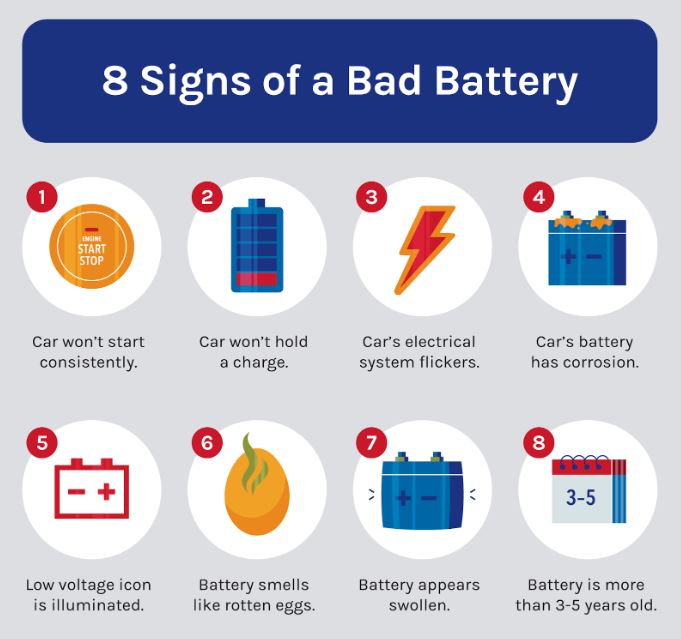
Weak car batteries often cause the engine to run rough. The battery supplies power to many electronic parts in the car. If the battery is weak, these parts may not work right. This leads to signs that show the battery might be the problem. Recognizing these signs early helps avoid bigger issues and costly repairs.
Rough Idle And Engine Sputtering
The engine may shake or feel unstable when idling. It can also sputter or hesitate during driving. This happens because the battery cannot supply steady power to sensors and fuel systems. These parts then send wrong signals to the engine. The result is a rough running engine that feels off.
Slow Engine Cranking
Starting the car takes longer than usual. The engine turns over slowly or struggles to start. A weak battery cannot provide enough power to the starter motor. This causes slow cranking, especially in cold weather. Repeated slow starts can drain the battery further, making the problem worse.
Dim Or Flickering Lights
Headlights and interior lights may dim or flicker. This happens because the battery voltage drops under load. When you use other electrical parts, lights may flicker or appear weaker. This is a clear sign the battery is not holding charge properly. It can also affect the overall electrical system.
Dashboard Warning Lights
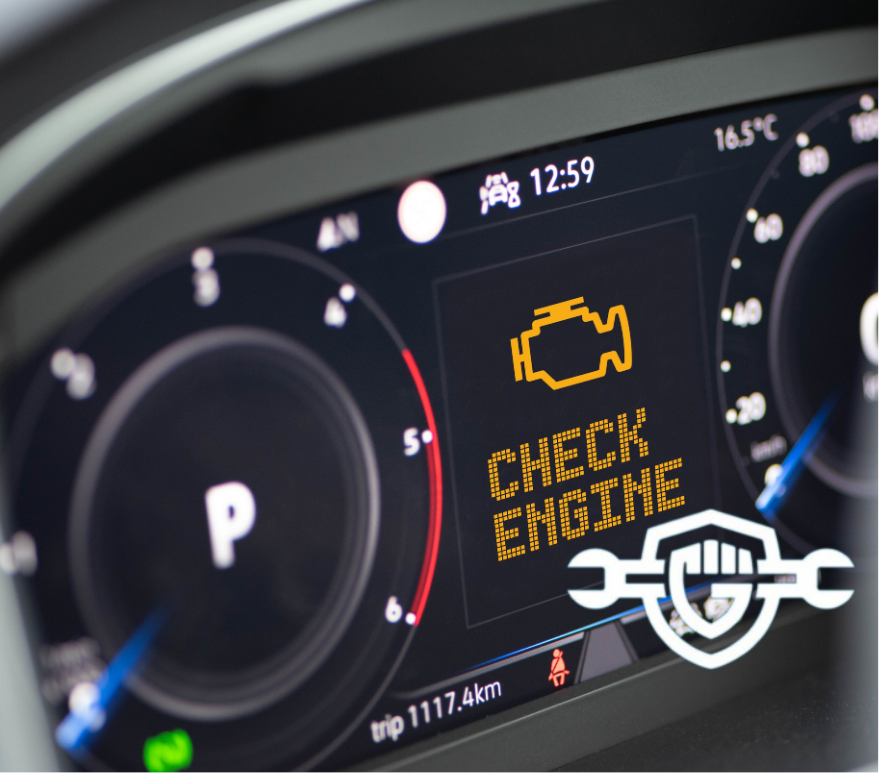
The battery or check engine light may turn on the dashboard. These lights indicate a problem with the charging system or battery health. Ignoring these warnings can lead to a breakdown. The car’s computer detects weak voltage and alerts the driver to take action.
Unusual Battery Smells And Terminal Corrosion
A rotten egg or sulfur smell near the battery signals a leak. Corrosion or white powder on battery terminals reduces electrical contact. This causes poor power delivery to the engine and electronics. Cleaning the terminals and fixing leaks can improve battery performance. Ignoring corrosion leads to more serious battery failure.
Common Causes Of Battery Weakness
A weak car battery can cause your vehicle to run rough. It struggles to supply steady power to the engine and electronics. This leads to poor engine performance and rough idling. Many factors cause battery weakness. Understanding these helps maintain your car’s health and avoid breakdowns.
Age And Wear
Batteries wear out over time. Most last three to five years. Chemical reactions inside the battery slow down with age. This reduces its ability to hold a charge. Old batteries often fail to provide enough power to start the car. Regular checks can catch aging batteries before they cause trouble.
Corroded Terminals
Corrosion builds up on battery terminals. It blocks the flow of electricity. This makes it hard for the battery to deliver power to the car. Corrosion looks like a white or greenish powder. Cleaning terminals regularly keeps the connection strong and prevents weak battery problems.
Parasitic Electrical Drain
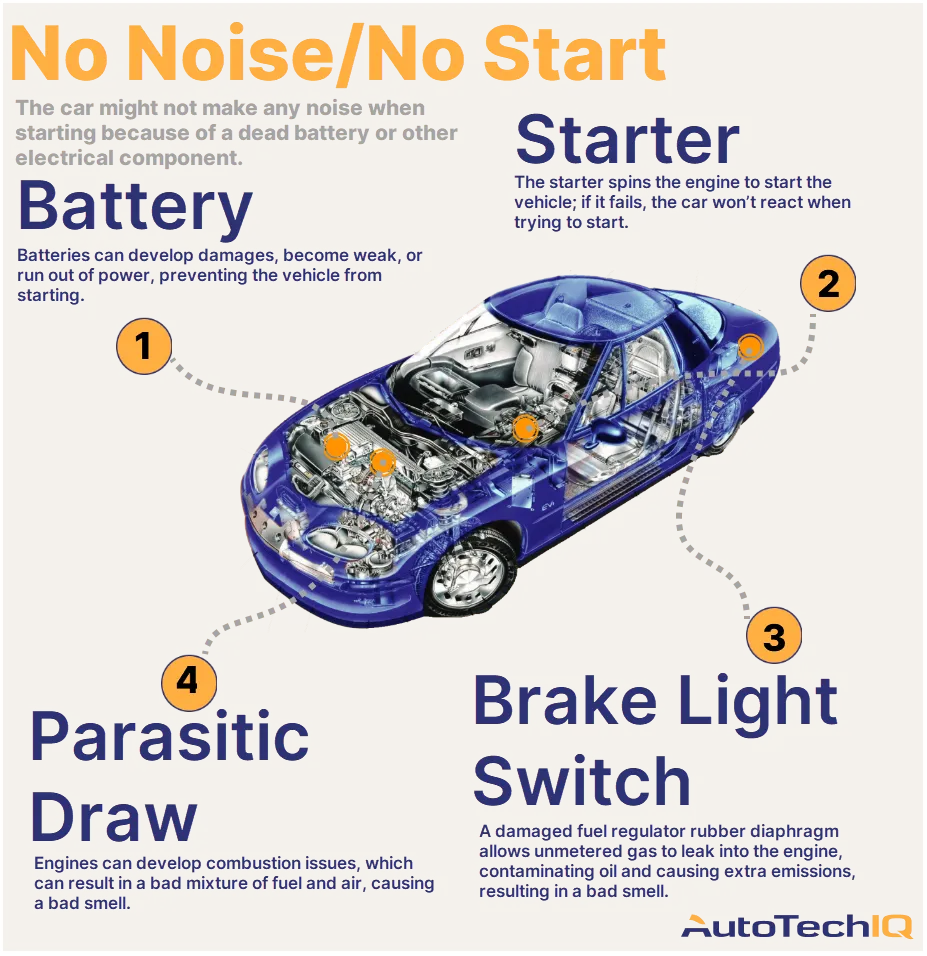
Some car parts use power even when the engine is off. This is called parasitic drain. It slowly drains the battery over time. Faulty wiring or accessories can increase this drain. Unnoticed, it leaves the battery too weak to start the car. Testing and fixing electrical issues stops this energy loss.
Extreme Weather Effects
Hot and cold weather harm batteries. Heat speeds up battery fluid evaporation. This causes internal damage and reduces lifespan. Cold weather thickens battery fluid and lowers power output. Batteries struggle to start engines in freezing temperatures. Protecting the battery from harsh weather keeps it healthy longer.
Credit: www.aaa.com
Quick Fixes For Weak Battery Issues
Addressing weak battery problems quickly can prevent your car from running rough. Simple fixes often restore power and improve engine performance. These quick actions save time and avoid costly repairs.
Cleaning Battery Terminals
Dirty or corroded terminals block the battery’s power flow. Use a wire brush or battery terminal cleaner to remove buildup. Make sure terminals are tight and secure. Clean connections improve electrical flow and help the engine run smoothly.
Jump-starting The Vehicle
Jump-starting provides immediate power to a weak battery. Connect jumper cables properly between your car and a working battery. This boosts voltage and can start the engine. After jump-starting, drive the car to recharge the battery fully.
Battery Testing And Replacement
Test the battery with a multimeter or take it to a mechanic. A weak battery usually shows low voltage under 12.4 volts. Replace the battery if tests show it cannot hold a charge. A new battery ensures steady power and better engine performance.
Alternator Check
The alternator charges the battery while driving. A faulty alternator causes the battery to drain quickly. Test the alternator’s output with a voltmeter. Replace or repair the alternator if it fails to supply enough power. This keeps the battery charged and your car running well.
Preventive Tips To Avoid Battery Problems
Preventing battery problems helps your car run smoothly and avoid rough engine issues. A healthy battery supports all electronic parts and sensors in your vehicle. Taking simple steps can extend battery life and keep your car reliable.
Regular Battery Maintenance
Check battery terminals often for dirt and corrosion. Clean terminals gently with a brush and baking soda solution. Tighten loose connections to ensure good contact. Remove any buildup to prevent power loss and engine problems.
Limiting Electrical Load
Avoid using many electrical devices at once while the engine is off. Turn off lights, radio, and air conditioning before shutting down. High electrical load drains the battery quickly and reduces its lifespan. Use electrical systems wisely to protect your battery.
Parking In Shelter
Park your car in a garage or shaded area when possible. Extreme cold or heat harms battery performance and shortens life. Shelter protects the battery from weather stress and keeps it charged longer. Safe parking helps maintain battery strength.
Scheduled Battery Testing
Test your battery regularly at a service center or with a home tester. Battery checks reveal weak charge and early signs of failure. Replace batteries before they cause engine roughness or starting problems. Routine testing saves time and avoids unexpected breakdowns.
Credit: www.autotechiq.com
Credit: www.greatwater360autocare.com
Frequently Asked Questions
Can A Bad Battery Make My Car Run Rough?
Yes, a bad battery can cause your car to run rough by delivering inconsistent voltage. This disrupts sensors and fuel systems, leading to poor engine performance.
Can A Weak Battery Affect Car Performance?
A weak battery can cause inconsistent voltage, leading to poor engine sensor data and fuel delivery. This results in rough idling, sputtering, and reduced acceleration. It also strains the electrical system, causing overall performance issues.
What Are The Symptoms Of A Weak Car Battery?
Symptoms of a weak car battery include slow engine cranking, dim headlights, flickering dashboard lights, and electrical malfunctions. The battery warning light may turn on. You might notice a rotten egg smell or corroded terminals. A weak battery can also cause rough idling and poor engine performance.
Can A Low Battery Make Your Car Shake?
Yes, a low battery can cause your car to shake by disrupting power to sensors and fuel injectors, leading to rough engine performance.
Can A Weak Battery Cause My Car To Run Rough?
Yes, a weak battery can cause rough running by delivering unstable power to engine sensors and fuel systems.
Conclusion
A weak battery can cause your car to run rough and lose power. It affects sensors and the fuel system, leading to poor engine performance. Watch for signs like slow starting or dim lights. Regular battery checks help avoid rough idling and engine troubles.
Keep your battery healthy to ensure smooth driving every time.